Flagship AI & Designer Toy Hardware Portfolio
Engineered to rigorous EN71, ASTM F963, and European CE standards. Explore our edge-computing companion plush, articulated collectible figures, and smart blind box systems built for enterprise-grade scalability.
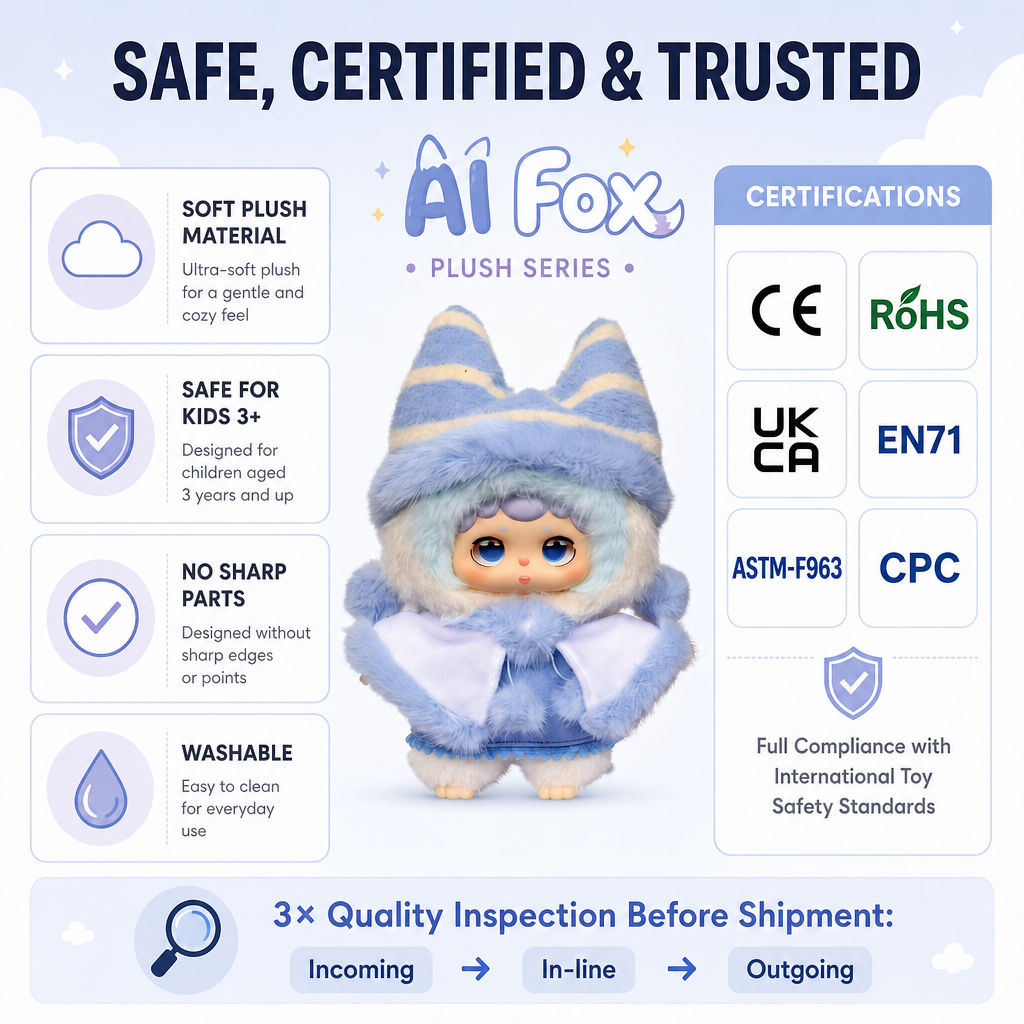
AI Emotional Companion Plush Toy Intelligent Memory Chatbot
Integrated multi-turn conversational memory, micro-haptic capacitive touch response, and expressive LED emotional ocular feedback.

MIILOO Gluttony Party Plush Blind Box Animal Figure Charm
Hybrid vinyl-face stuffed doll system engineered with high-density embroidery, food-grade rotocast vinyl, and precision hardware.
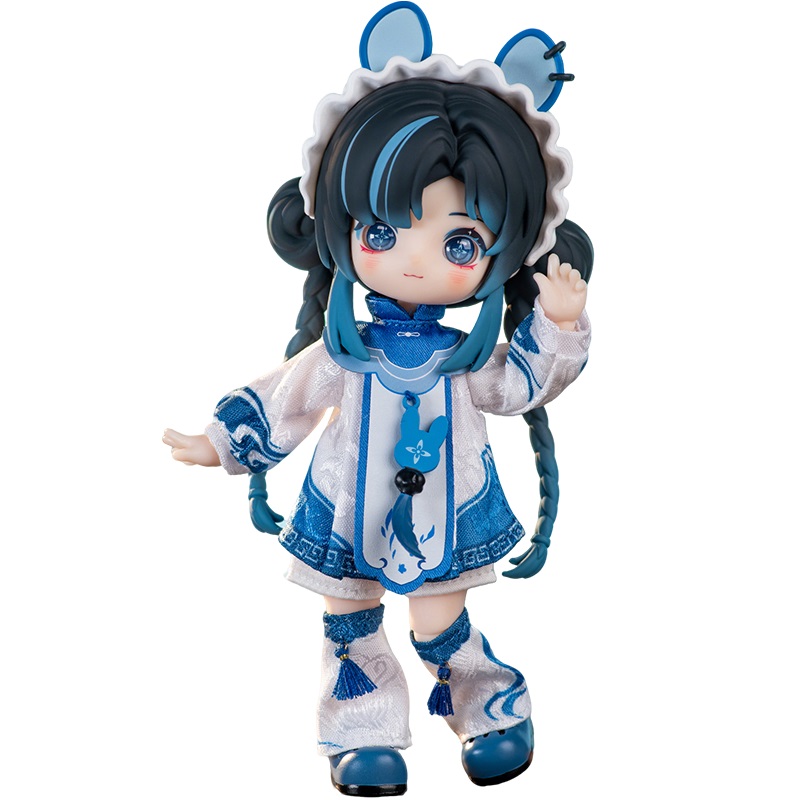
NAGI Mystery Blind Box BJD Fully Articulated Action Figures
Internal mechanical skeleton featuring multi-axis ball joints, modular removable bespoke fabric garments, and collector-tier PVC finish.
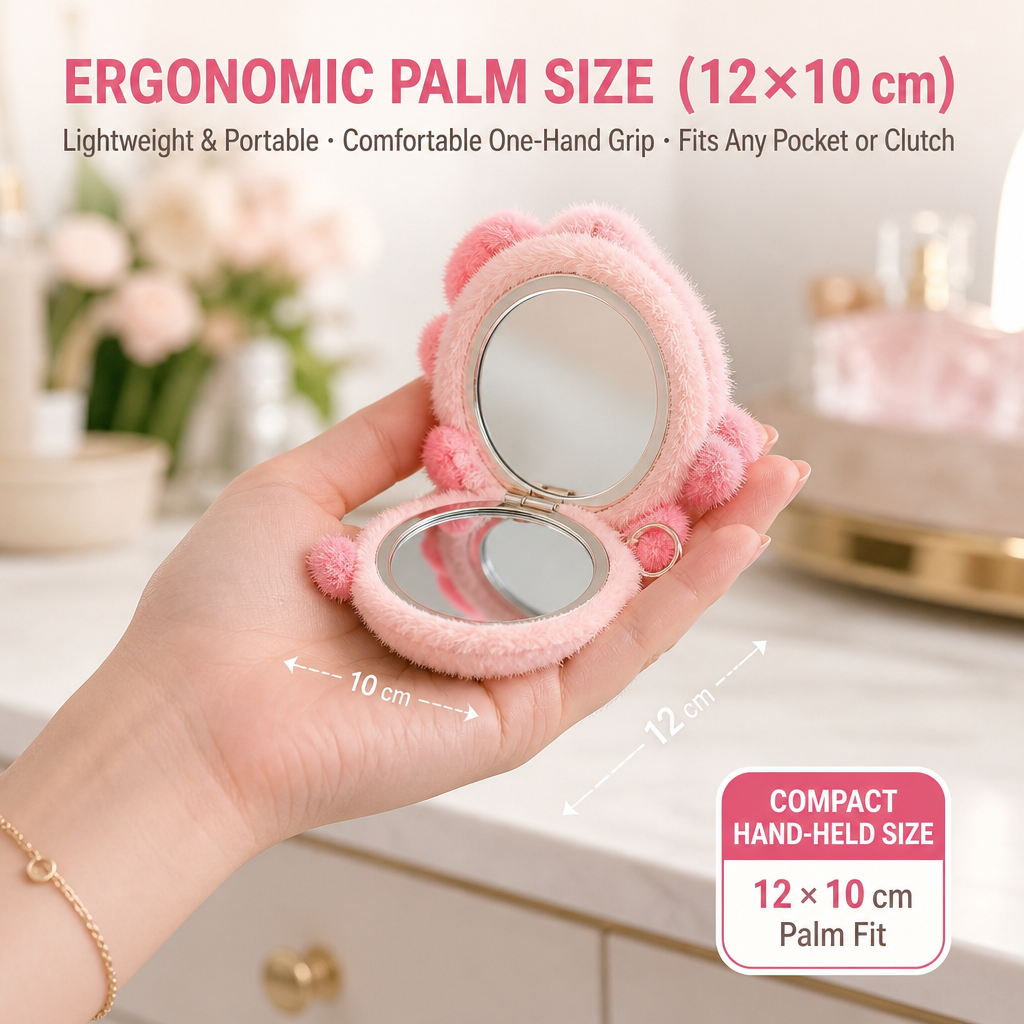
Embedded Edge Script Runtime Intelligent Controller Core
Hardware-level sandbox execution board for localized voice triggers, zero-latency micro-routines, and custom personality trees.
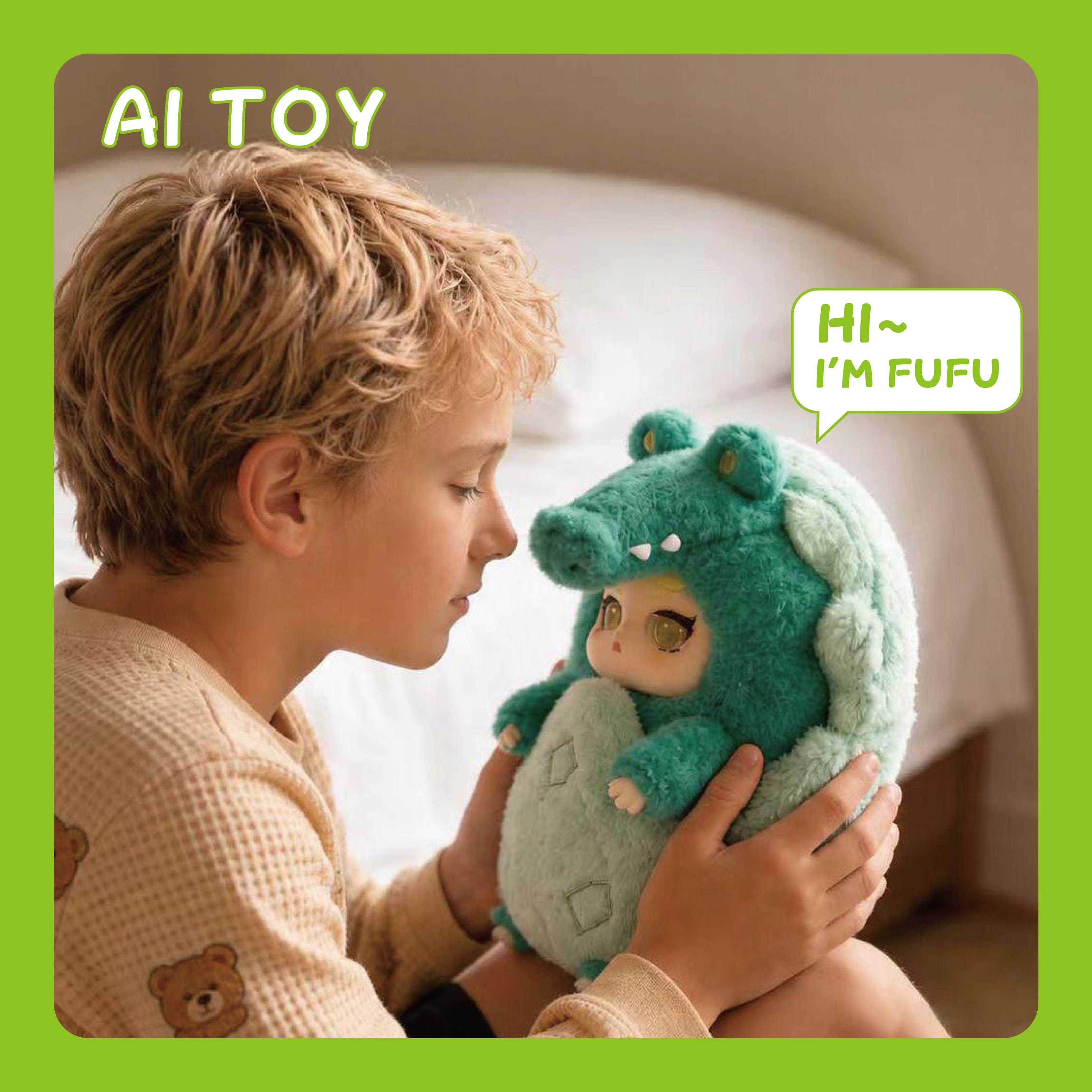
AI Multilingual Interactive PVC Hybrid Educational Plush
Low-latency acoustic array with embedded DSP noise suppression, multi-language conversational logic, and cloud-bridged child filtering.
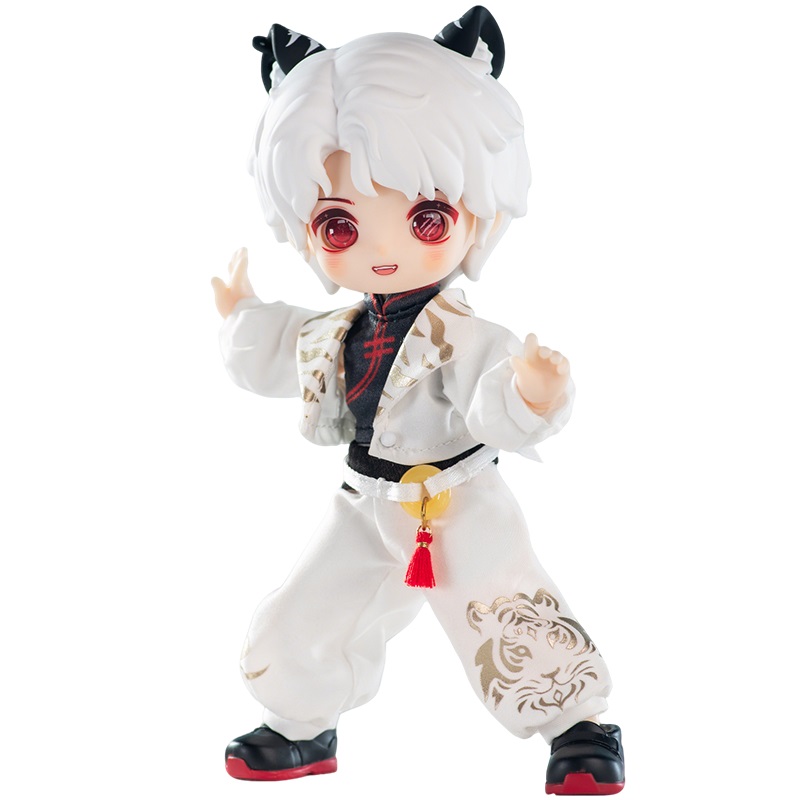
Premium NAGI Beast Cloud Ruins 1/12 MJD Art Doll Figures
Intricate rotocast and pad-printed artisanal aesthetic, featuring dual-tone paint masking, pose retention joints, and collector display packaging.
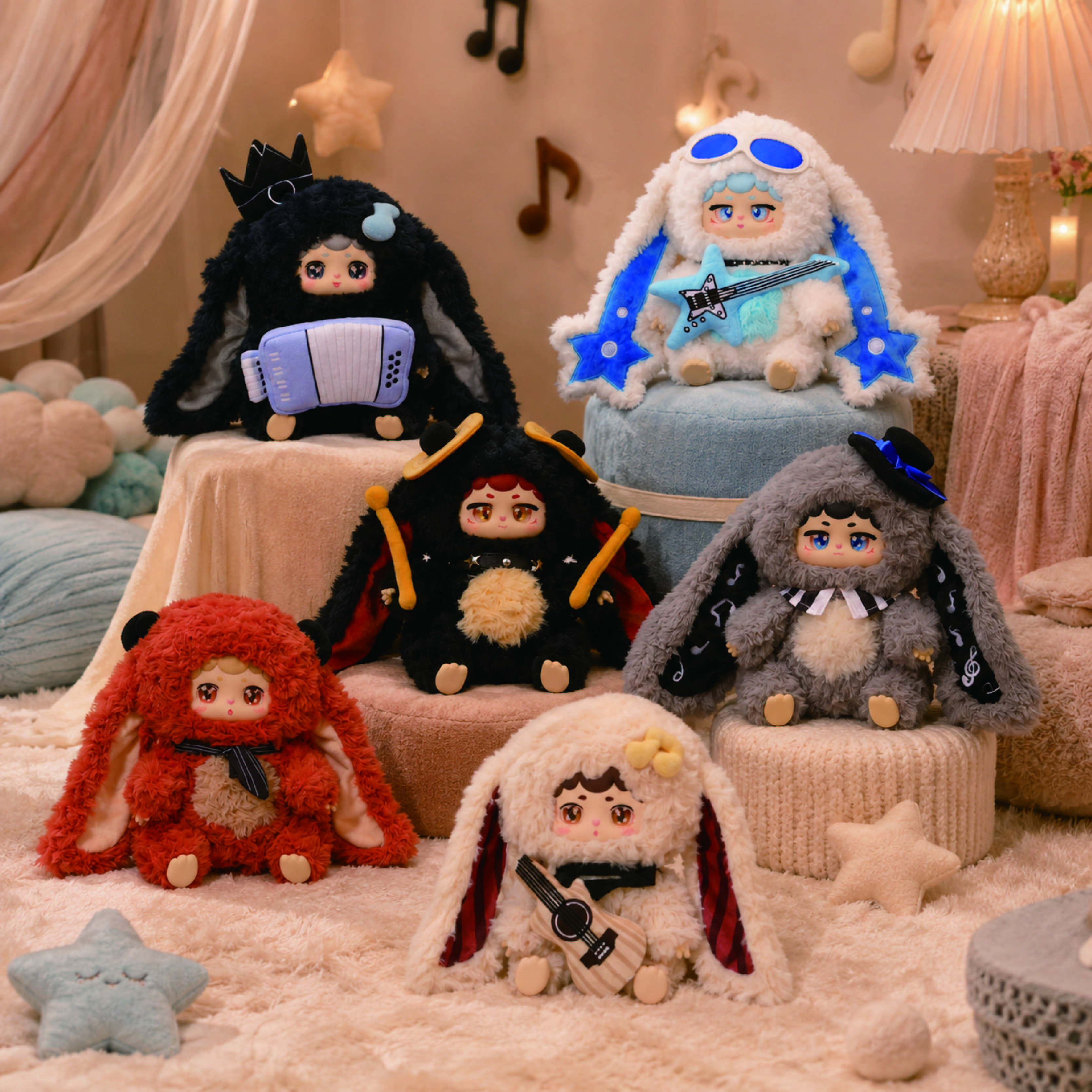
MELET AI Music Bunnies Emotional Companion Smart Plush
Bi-directional dual-microphone matrix, memory retention engine for adaptive conversational storytelling, and soft hypoallergenic cotton casing.
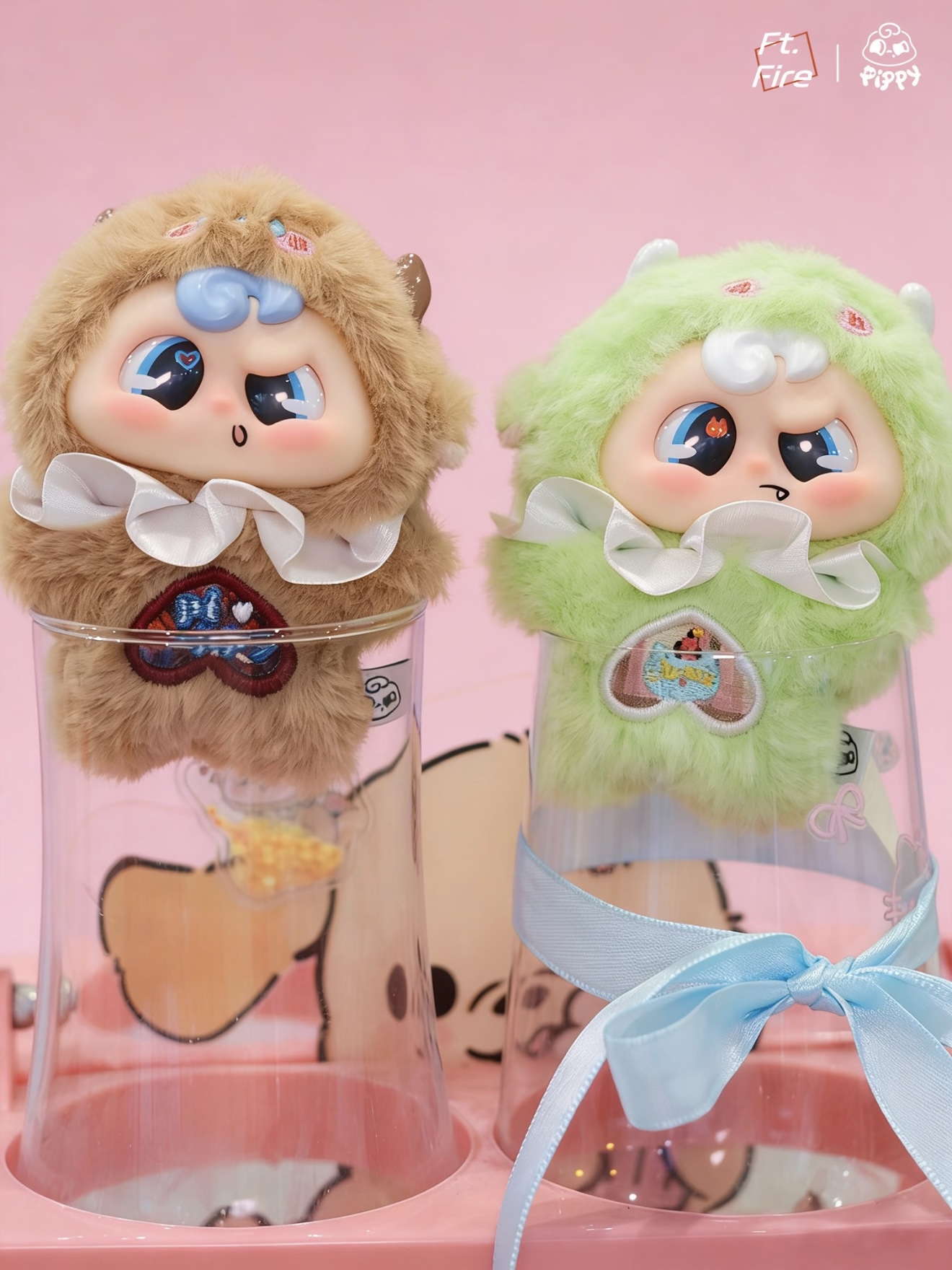
Magical Secret Realm Blind Box Plush Doll Designer Series
Engineered for retail mystery unboxing: weighted ratio mechanics, anti-tamper foil casing, and fine tactile plush-PVC composite materials.
◆Executive Whitepaper: The Engineering & Regulatory Paradigm of Smart AI Toys
The consumer toy market is witnessing an unprecedented transition from static playthings to emotionally intelligent, cognitively reactive hardware. As an industry-leading OEM/ODM manufacturer in Shenzhen, our engineering framework solves the triple challenge that global brands encounter: real-time natural language processing (NLP), absolute physical-chemical safety compliance, and stringent data privacy governance for younger demographics.
Producing a modern CE-certified AI interactive toy requires more than assembling standard rotocast plastics or sewing plush exteriors. It demands the delicate fusion of high-grade acoustic membranes, localized digital signal processing (DSP), energy-dense lithium battery containment safe for drop impacts, and secure cloud pipelines that adhere rigidly to the European Union's General Data Protection Regulation (GDPR) and the newly enacted EU Artificial Intelligence Act.
☁Future Sourcing Strategies: Navigating B2B AI Toy Procurement (2025–2030)
Procurement directors and brand managers must adjust their sourcing vectors to mitigate operational friction, regulatory fines, and supply chain fragility. The next generation of electronic toy procurement will be defined by three critical structural shifts:
Hybrid Edge-Cloud Inference
Reliance on 100% cloud computation creates unacceptable latency and privacy vulnerabilities. Forward-looking procurement favors integrated edge MCUs that execute offline keyword spotting, wake-word activation, and fundamental emotional state machines locally, only pinging secure servers for LLM synthesis.
Modular Hardware Platforms
Tooling and steel molds represent major capital expenditures. Next-gen procurement utilizes modular interior chassis where electronic brain cores can be inserted into various external IP skins—ranging from rotational molded vinyl to posable BJDs and plush companion bodies—without re-certifying entire radio frequency PCBAs.
Audit-Ready Cybersecurity
CE mark certification for smart toys is no longer restricted to physical pinch hazards or chemical phthalates under EN71. It now intersects directly with RED Directive (Radio Equipment Directive 2014/53/EU) Article 3.3 cybersecurity requirements, demanding end-to-end encryption and verified absence of micro-vulnerabilities.
⚙Technological Evolution & Development Trends in Smart Companion Toys
The convergence of Large Language Models (LLMs) with high-density physical manufacturing has opened revolutionary horizons in child psychology, adult comfort (the "kidult" healing market), and educational interactivity:
Contextual Ephemeral Memory
Traditional talking dolls utilized static soundboards. Modern AI toys leverage episodic vector caching. A child's companion can retain preferences, conversational history, and educational progression across multiple weeks while strictly scrubbing personally identifiable information (PII) before storage.
Multi-Modal Haptic Perception
Future iterations merge speech with non-verbal physical feedback. By integrating capacitive mesh sensors beneath soft fabrics and rotocast skins, companion dolls detect hugs, patting, or movement via six-axis IMUs, triggering synchronized mechanical ear shifts, breathing effects, and expressive LED array pupil shifts.
Sustainable Bio-Based Polymers
With stringent global plastic reduction policies, the integration of circular polymers into both internal structural skeletons and rotational vinyl skins is accelerating. Our facility actively implements bio-attributed PVC, PLA composites, and recycled post-consumer rPET plush fabrics.
✓Enterprise Advantages: Shenzhen Tuck Technology Production Ecosystem
Shenzhen Tuck Technology Co., Ltd. (operating Tuck Toys) serves as the turnkey manufacturing partner for premier intellectual property holders, high-growth retail brands, and cross-border toy importers worldwide. Our vertical facility integrates comprehensive end-to-end disciplines:
In-House 3D Sculpting & Tooling
Rapid physical prototyping from 2D character sheets. Master CNC machining and electro-discharge tooling ensure micron-level articulation tolerances.
Phthalate-Free Safety Standards
Dedicated supply chains using pristine virgin PVC, ABS, and non-toxic soft-vinyl formulations fully audited to EN71-1/2/3, REACH, and ASTM F963.
Acoustic & RF Engineering
Specialized acoustic tuning chambers to test micro-speaker clarity inside plush cavities, ensuring audio fidelity without resonance distortion or mic feedback.
Guaranteed IP Protection
Strict non-disclosure agreements, physically segregated cleanroom production zones, and closed-loop scrap recycling eliminate unauthorized mold replication.
?Critical Procurement FAQ: Navigating AI Toy Manufacturing
We orchestrate testing protocols across the entire regulatory matrix. This includes EN 71 (Mechanical/Physical & Flammability), EN 71-3 (Chemical Migration), EN IEC 62115 (Electric Toys Safety), and RED (Radio Equipment Directive 2014/53/EU) for Wi-Fi/Bluetooth compliance through accredited third-party laboratories such as SGS, TÜV, or Intertek.
Our electronics architecture utilizes zero-knowledge voice processing pathways. Raw voice data is converted to transient vectors, processed through tokenized pipelines without retaining voice biometrics, and audio buffers are purged at the edge chip level immediately following response synthesis.
Standard tooling MOQs typically start at 2,000 to 3,000 units per blind box or companion figure series to amortize steel tooling and regulatory testing costs. However, we maintain agile pilot-run frameworks for established brands initiating localized beta rollouts.
Initial 3D sculpting and rapid resin prototype validation takes approximately 10 to 15 business days. Mold tooling and electrical pre-production testing requires 30 to 40 days. Mass injection, rotocast molding, automated sewing, painting, and QA packaging require roughly 35 to 45 days.