Engineered Smart Collectibles & AI-Integrated Series
From complex ball-jointed anime figures to multi-modal generative AI plush companions, explore our benchmark OEM/ODM product lines.
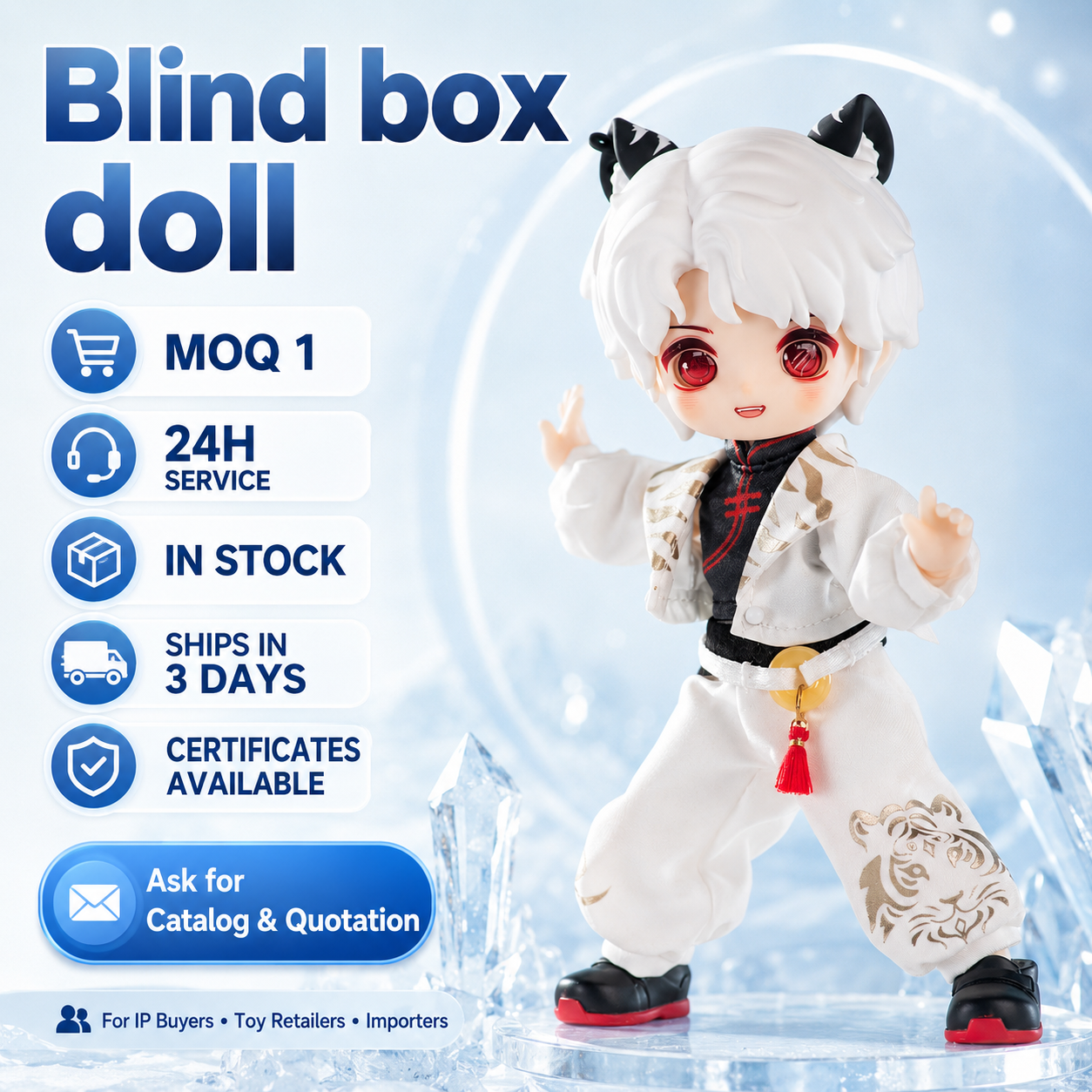
Nagi Beast Cloud Ruins Blind Box 1/12 Ball Jointed Doll
Precision mechanical joint damping, removable bespoke fabric garments, and exquisite hand-painted matte skin finishing.
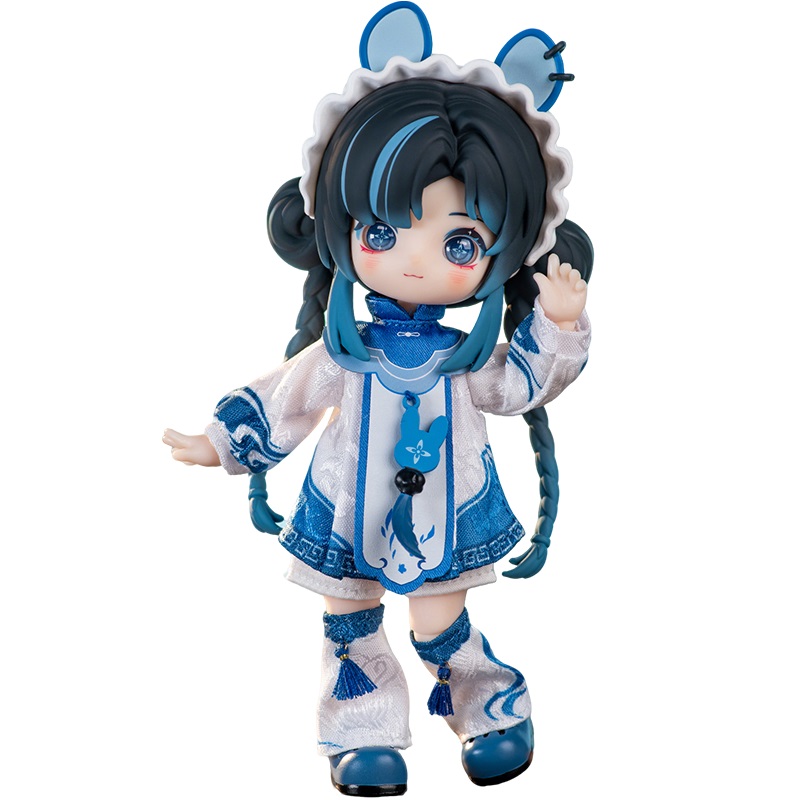
NAGI Mystery Blind Box BJD Action Figures
Multi-point articulation engineered for extreme stability, authentic textile tailored apparel, and blind-box packaging architecture.
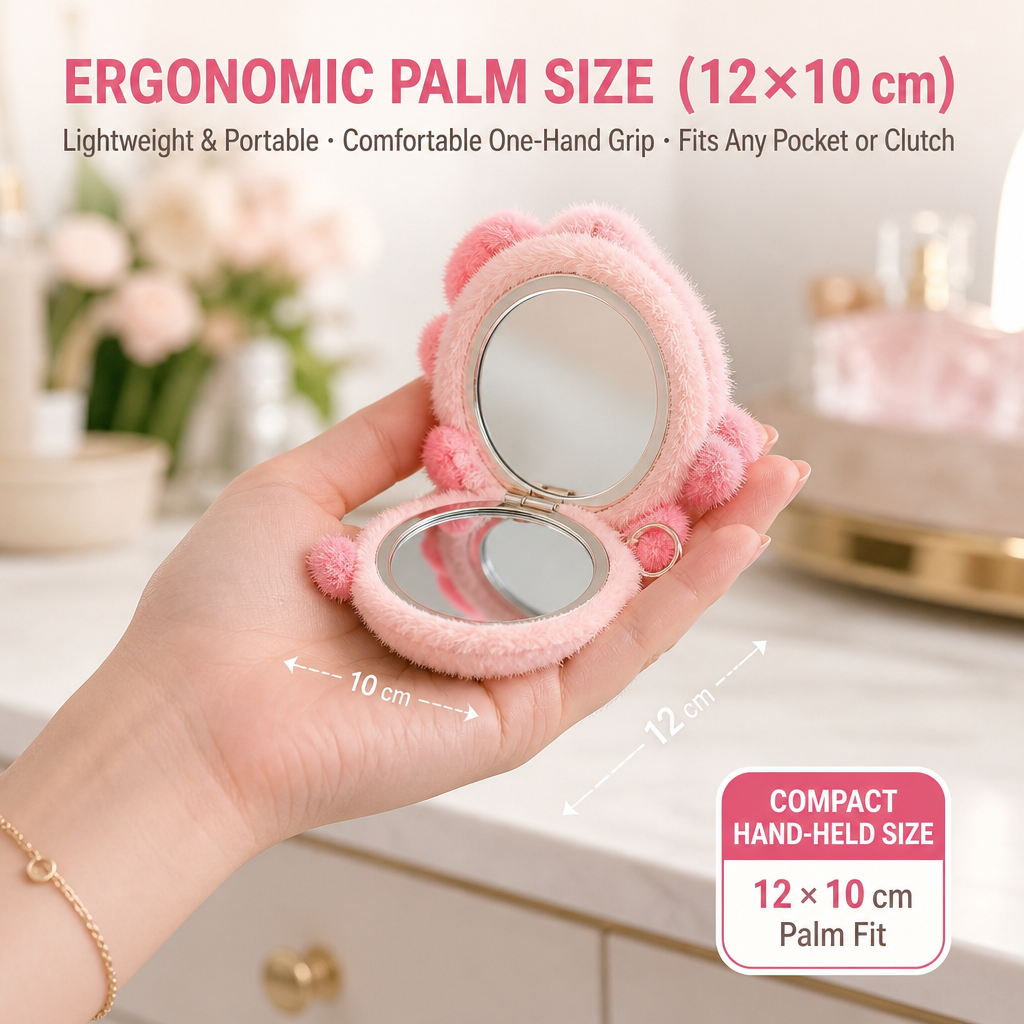
Custom AI Interactive Embedded Robotic Prototype
CAD-engineered internal chassis designed for micro-servo integration, AI voice perception sensors, and rotocast external shells.
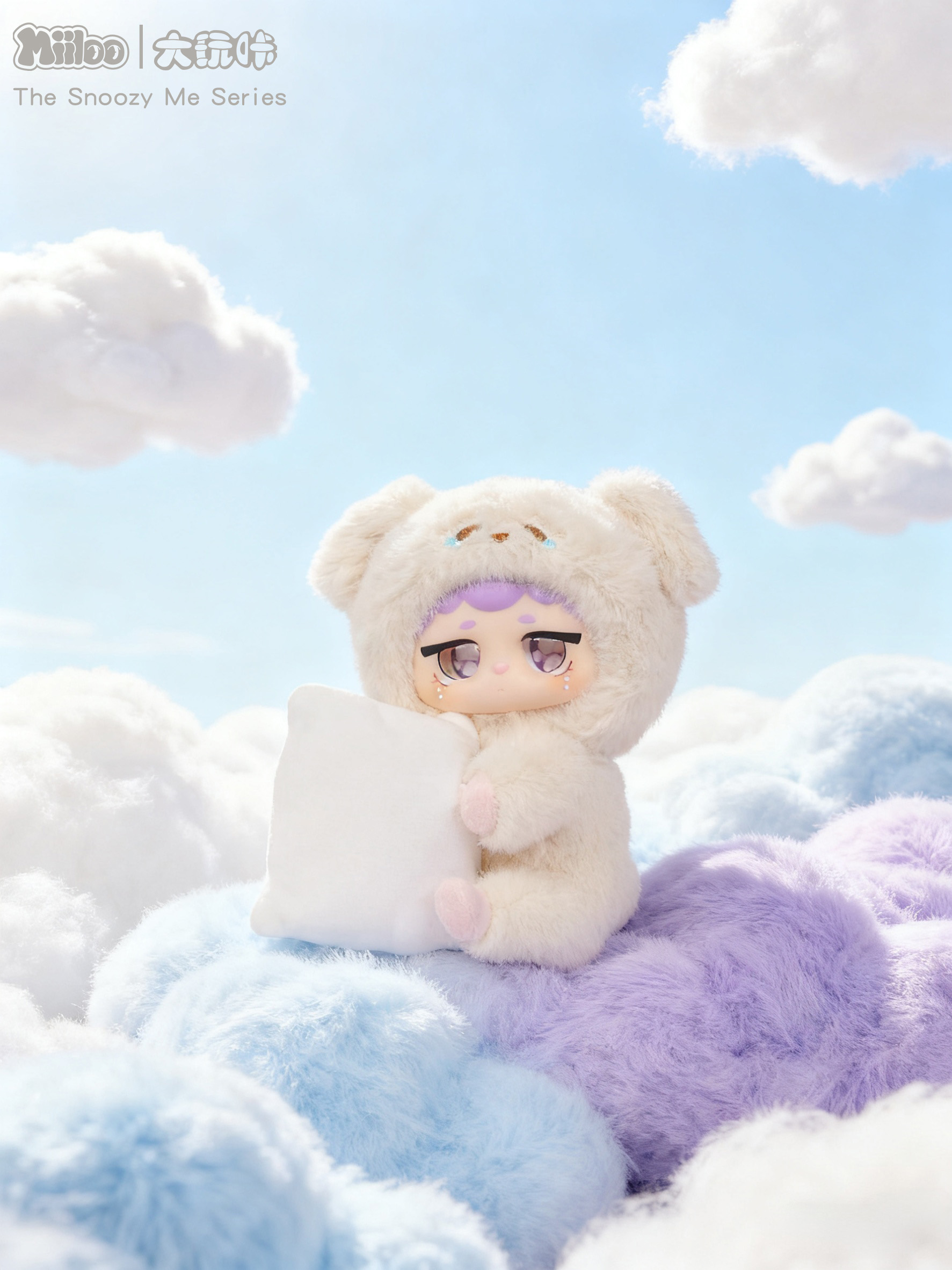
Miiloo Snoozy Me Plush PVC Blind Box Bag Charm
Tactile crystal-velvet fabric stitched seamlessly to rotocast soft vinyl facial structures; reinforced carabiner hardware.
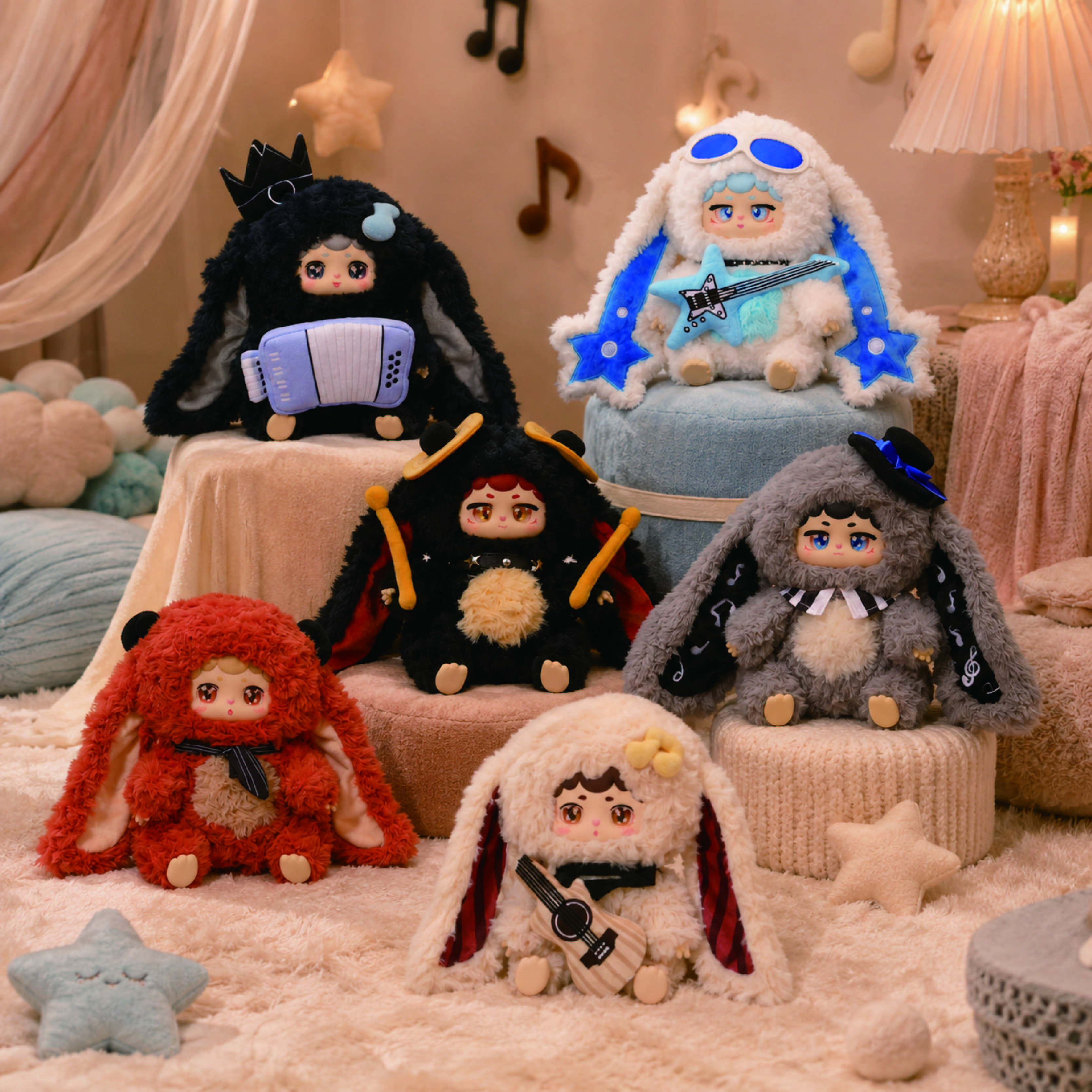
MELET AI Music Bunnies Emotional Companion Plush
Embedded dual-band Wi-Fi/BLE audio board, low-latency natural language processing engine, and non-allergenic PP cotton interior.
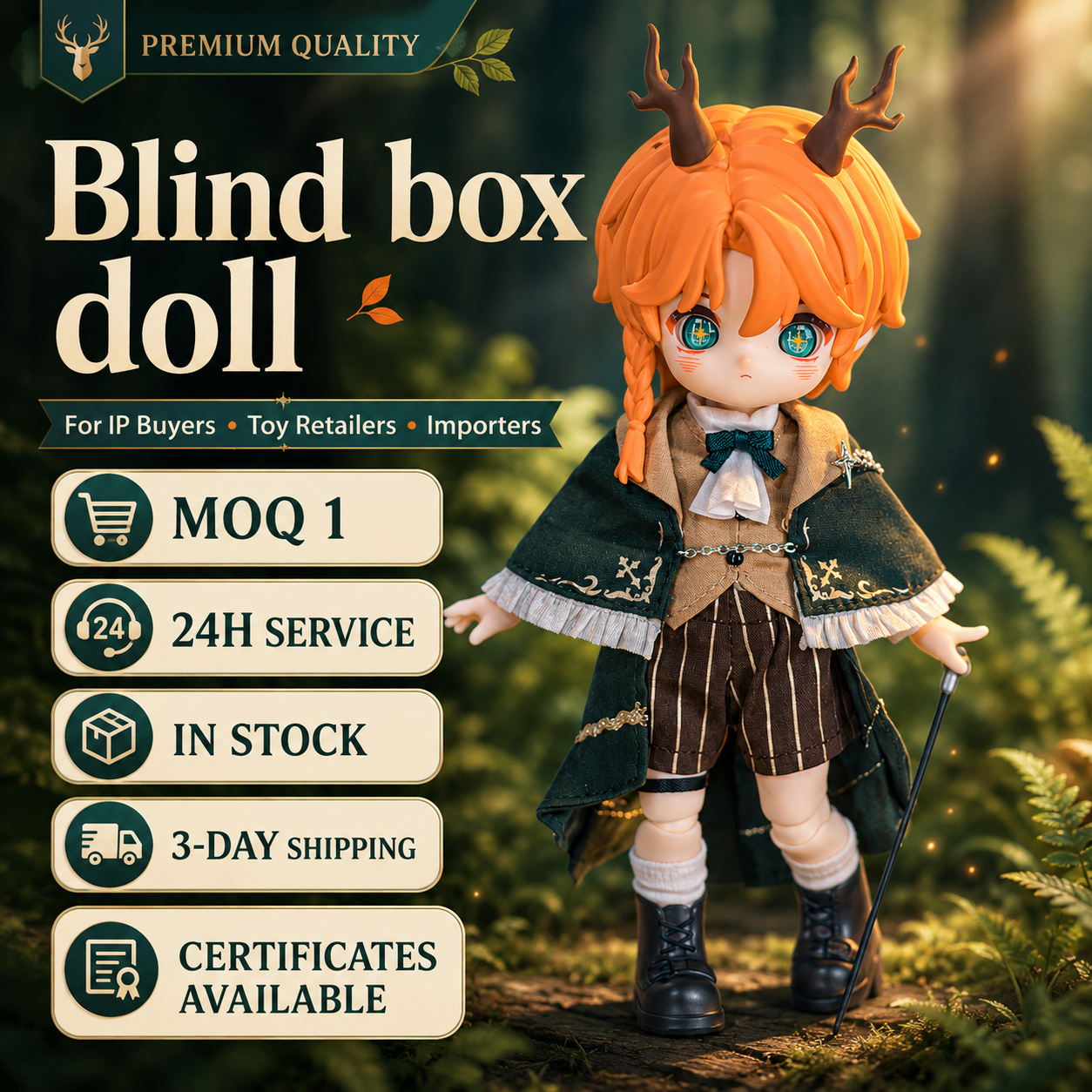
NAGI BJD Movable Action Figure Blind Box Series
360-degree ball joint articulation, interchangeable magnetic hand gestures, pad-printed expressive eyes, and UV-cured hair.

Personalized ABS Face Plush Doll Custom Figure
Injection molded ABS structural face plates integrated with high-density cotton filling, customized tailored costumes, and safety eye pins.

Fufu Babies AI Sensing Screen Eyes Stuffed Plush
Dynamic dual OLED interactive display eyes expressing algorithmic real-time emotion sets linked to onboard accelerometer and touch sensors.
Transforming Physical Play: From 3D Generative Rendering to Intelligent Hardware
A strategic breakdown of how computer vision, rapid virtual prototyping, and smart IoT architecture converge in modern Chinese toy manufacturing.
The Architectural Shift in Toy Manufacturing: Virtual Pre-Visualization
Traditional toy design cycles frequently suffered from protracted iteration bottlenecks. Prototyping physical molds, testing plastic shrinkage, and re-tooling steel dies typically consumed between 60 to 90 days before an enterprise brand could validate market demand. In the competitive landscape of modern consumer collectibles and AI-driven hardware, this lag time is no longer viable. As a premier China AI toy render manufacturer and OEM/ODM engineering factory located in Shenzhen's technological corridor, Shenzhen Tuck Technology Co., Ltd. (Tuck Toys) has re-architected this process by bridging generative algorithmic design, hyper-accurate ray-traced rendering, and automated physical production lines.
Our engineering ecosystem initiates at the computational stage. By feeding 2D character sketches, vector turnarounds, or preliminary conceptual briefs into our advanced rendering pipelines (utilizing GPU-accelerated sub-surface scattering, physically based rendering (PBR), and volumetric displacement), our 3D industrial designers output structural simulations accurate down to 0.02 millimeters. This empowers international buyers, global IP holders, and venture-backed toy startups to evaluate light refraction across rotocast vinyl, tensile stress across ball joints, plush seam tension, and internal component housing for PCBs and micro-sensors before a single gram of steel is cut.
Furthermore, our digital twin methodologies allow for comprehensive virtual drop-testing, kinematic joint friction analysis, and thermal dissipation studies for battery-operated AI components. The result is a dramatic compression of development cycles: concepts progress from initial render approvals to functional master prototypes within 7 to 10 days, allowing global brands to seize fleeting pop-culture and technological trends with industrial precision.
Why Global Brands Entrust Their IP to Tuck Toys Shenzhen
Complete end-to-end infrastructure: In-house rotocasting, injection molding, SMT electronics, textile sewing, and certified clean assembly.
Direct Factory Control
Operating direct manufacturing plants in Shenzhen eliminates intermediary brokerage markups. Our industrial facility incorporates high-precision CNC mold tooling, automated copper-electroformed vinyl rotocast machines, and multi-cavity plastic injection presses.
Rigorous IP Defense
We implement strict enterprise-grade security protocols for every custom mold and character IP. Non-disclosure agreements (NDAs) are formalized before file transfers, digital assets reside on encrypted air-gapped servers, and proprietary tooling dies are never repurposed.
Comprehensive Compliance
Every toy batch is fabricated using 100% virgin, phthalate-free PVC, non-toxic ABS, medical-grade silicones, and OEKO-TEX certified fabrics. Formulations systematically comply with EN71 Parts 1-3, ASTM F963, CPSIA, CE, FCC-ID, and RoHS standards.
Future B2B Procurement Trends: AI Hardware & Collectibles (2025–2030)
Navigating technological transitions, algorithmic privacy mandates, and sustainable material mandates in cross-border toy supply chains.
Edge AI vs. Cloud Latency
Procurement is pivoting toward hybrid edge-cloud systems. Low-power microcontrollers (MCUs) run on-device wakeword and emotional sentiment algorithms, reducing cloud token consumption and guaranteeing zero voice data leakage.
Zero-Tooling Digital Validation
Procurement teams increasingly demand photorealistic interactive 3D WebGL renders to conduct pre-order campaigns on Kickstarter, BackerKit, or DTC landing pages, verifying production viability and consumer demand prior to capital outlays on steel tooling.
Modular BOM Architecture
Forward-thinking brands procure standardized core hardware chassis (incorporating universal audio chips, accelerometers, and battery cradles) while customizing cosmetic shells via rapid rotocast vinyl variants, slashing tooling costs by over 40%.
Circular & Bio-Based Resins
Regulatory frameworks such as the EU Corporate Sustainability Due Diligence Directive are prompting enterprise buyers to specify PCR (Post-Consumer Recycled) ABS plastics, bio-attributed vinyl polymers, and recyclable monofilament polyester plush fillings.
Comparative Engineering Matrix: Traditional Art Toys vs. AI-Enabled Hardware
Detailed technical specifications across tooling tolerance, component density, certification roadmaps, and assembly methods.
| Engineering Parameter | Standard Vinyl & Blind Box Collectibles | Hybrid Vinyl-Plush Figures | AI Interactive Companion Toys |
|---|---|---|---|
| Primary Tooling Media | Electroformed copper molds & hardened steel injection dies | Rotocast vinyl face molds + ultrasonic fabric die cutters | Modular multi-cavity ABS molds + internal PCB mounting chassis |
| Dimensional Tolerance | ±0.15 mm (Rotocasting shrinkage compensation) | ±0.25 mm (Sewing seam variation allowance) | ±0.05 mm (Acoustic cavity & sensor port tolerances) |
| Interactive Electronics | Passive magnetic joints / NFC verification chips | Optional passive voice box / mechanical rattle bells | Dual-core ESP32 / ARM Cortex MCU, BLE 5.2, Wi-Fi 6, OLED displays |
| Safety & Compliance Standards | EN71-1/2/3, ASTM F963, REACH (SVHC phthalates) | EN71, ASTM F963, CPSIA (Tensile seam pull test >90N) | FCC Part 15, RED, CE-EMC, UN38.3 (Li-ion battery), COPPA, GDPR-K |
| Tooling & Mold Lead Time | 25 – 30 Calendar Days | 20 – 25 Calendar Days | 35 – 45 Calendar Days (Tooling + SMT Solder Mask verification) |
| Mass Production Cycle | 30 – 35 Days (Batch 5,000 – 20,000 units) | 28 – 32 Days (Batch 3,000 – 15,000 units) | 35 – 42 Days (Burn-in chamber testing & RF functional calibration) |
Frequently Asked Questions: Sourcing from an OEM Toy Factory in China
Direct answers from our senior engineering team covering MOQ, intellectual property, tooling investments, safety validation, and logistics.
What is the minimum order quantity (MOQ) for custom blind box series and AI electronic toys?
How do you safeguard client IP, proprietary 3D models, and firmware code during development?
Can Tuck Toys support child privacy compliance, such as US COPPA and EU GDPR-K?
What is the complete timeline from 3D AI rendering approval to physical FOB/DDP delivery?
- Digital Phase (3–5 Days): Photorealistic 3D render approval, engineering draft analysis, and Pantone color matching.
- Prototyping Phase (5–7 Days): SLA/SLS high-resolution resin 3D printing, hand-painting, and tactile garment fit review.
- Tooling & Mold Fabrication (25–35 Days): Precision CNC milling for injection dies and copper electroforming for rotocast components.
- Pilot Production & Certification (7–10 Days): Golden sample testing through accredited laboratories (SGS, Intertek, or TÜV).
- Mass Production & Assembly (30 Days): Automated molding, pad printing, sonic welding, electronic flashing, packaging, and QA drop testing.
What international safety certifications accompany your shipments?
Professional Toy Sourcing Checklist: From RFQ to Final Inspection
Ensure your manufacturing pipeline adheres to institutional quality controls at every operational checkpoint.
Phase 1: RFQ & Tolerance Sign-Off
Ensure 2D vector sheets include cross-sectional mechanical drafts, designated parting line boundaries, specified Shore hardness for soft vinyl, and clear gate locations to prevent visible sink marks on collectible surfaces.
Phase 2: Golden Sample Benchmark
The "Golden Sample" must be formally signed off by both buyer and factory lead engineer. This physical piece establishes the definitive benchmark for surface gloss levels, joint friction torque, paint opacity, and plush stitch density.
Phase 3: Pre-Shipment In-Line QC
Final packaging must undergo standardized ISTA-1A drop testing, carton crush testing, moisture content checks, and full AQL 2.5/4.0 statistical batch sampling before issuance of the final Certificate of Inspection and container loading.