Precision Engineered Hardware & Collectible Reference Models
Seamlessly fusing rotocast vinyl, intricate mechanical joints, embedded micro-sensors, and edge ML modules under rigid manufacturing tolerances.

Engineering Machine Learning Into Modern Designer Toys: The Paradigm Shift
A technical examination of embedded microcomputing, acoustic beamforming, generative algorithms, and precision rotocasting in modern consumer toy design.
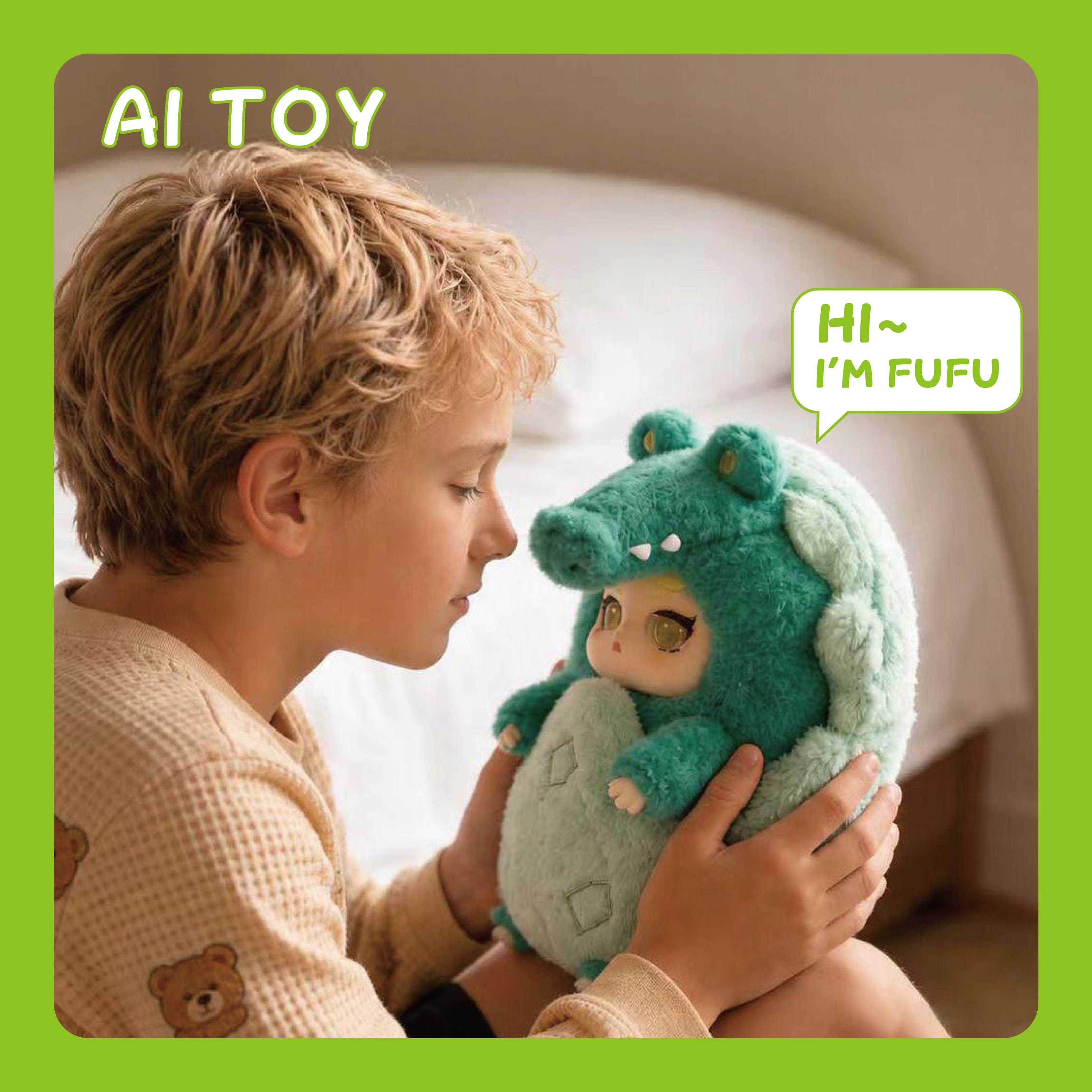
The global toy industry is crossing an unprecedented inflection point. The convergence of Edge TinyML compute nodes, localized natural language inference, low-power sensor telemetry, and sophisticated art-toy craftsmanship has given birth to a brand-new sector: Machine Learning Toy Design. Where traditional electronic toys depended upon static sound chips with pre-recorded ROM prompts, modern AI-enabled physical companions evaluate conversational context, personalize voice-frequency tone, and execute real-time behavioral responses without introducing latency or network vulnerabilities.
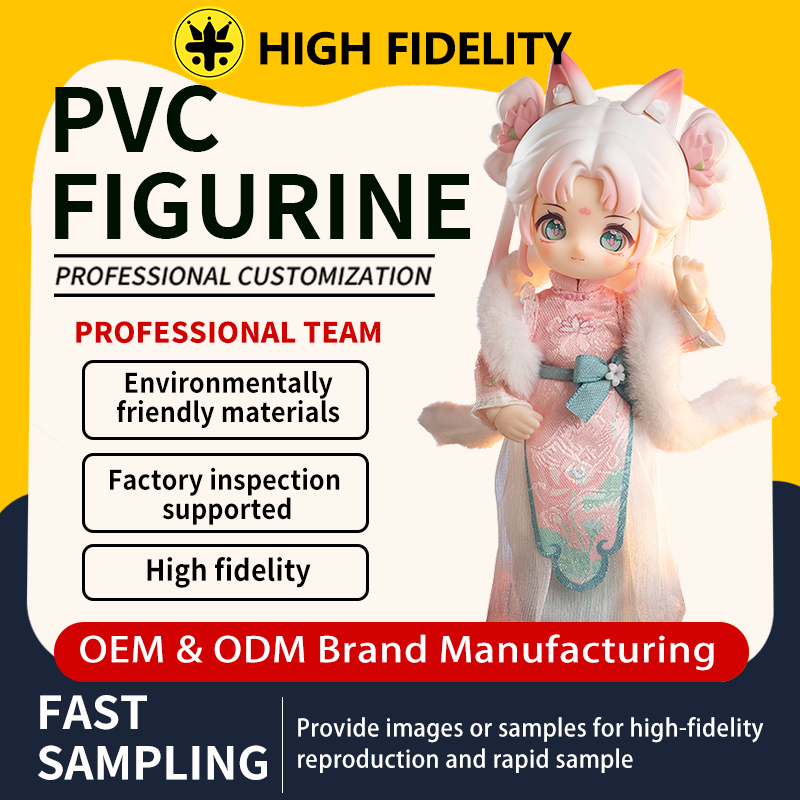
As tier-one consumer toy designers and international intellectual property (IP) holders transition toward interactive companions, finding a manufacturing partner capable of harmonizing high-end aesthetic sculpting with micro-electronic hardware integration is critical. In our Shenzhen manufacturing plants, our engineering division has pioneered direct-die encapsulation techniques that merge delicate plush skins, rotocast vinyl skulls, and shielded neural inference microcontrollers into single unified units conforming to international child safety mandates.
Comparative Matrix: Conventional Electronic Toys vs. Next-Gen Machine Learning Toys
| Evaluation Parameter | Legacy Electronic / IC Toys | Cloud-Tethered Connected Toys | Next-Gen Edge ML Toys (Tuck Tech Standard) |
|---|---|---|---|
| Inference Architecture | Hardwired static ROM state machines | Full remote API call dependency | Hybrid: TinyML on-device edge + secure cloud gateway |
| Latency Performance | Instant (< 20ms, non-contextual) | 800ms – 2500ms (network-dependent) | < 85ms on-device keyword, semantic response in real time |
| Data Privacy & COPPA | No external data gathered | High vulnerability to data leaks | Hardware-isolated local processing, zero biometrics retained |
| Materials & Sculpt Finish | Rigid ABS plastic shells with seams | Standard plush or bulky enclosures | Dual-shot injection, soft rotocast vinyl, plush-to-core hybrid |
| Interactive Longevity | Depleted once prompts repeat | Subscription-locked updates | Adaptive heuristics evolving alongside child interaction |
Emerging Technology Trends in AI & Machine Learning Toy Manufacturing
For brands and retail importers, understanding technical trajectories is vital to safeguard product lines against obsolescence. When architecting an intelligent toy line, procurement teams must consider three foundational technological vectors:
- On-Device Voice Acoustic Isolation: Modern smart plush and companion figures integrate dual MEMS microphone arrays with spatial filtering algorithms. This ensures accurate phoneme parsing even in noisy living environments, avoiding false conversational triggers.
- Tactile Capacitive Mesh & Haptic Sensory Feedback: Moving beyond mechanical buttons, next-generation plush items embed conductive fabric fibers directly beneath textile skins. Machine learning models continuously map touch frequency, petting velocity, and cradling gestures to dynamically translate physical empathy into synthesized auditory output.
- Thermal & Battery Safety Management: High-performance computing cores dissipate heat. Our injection mold tooling integrates passive micro-heatsinks that interface with internal airflow chambers, keeping external temperatures well below ASTM F963 safety thresholds during extended play cycles.
Future Procurement Trends for Global Toy Brands (2025–2030)
Strategic intelligence for institutional retail buyers, consumer tech brands, and venture-backed toy disruptors.
The Rise of "Phygital" Blind Boxes
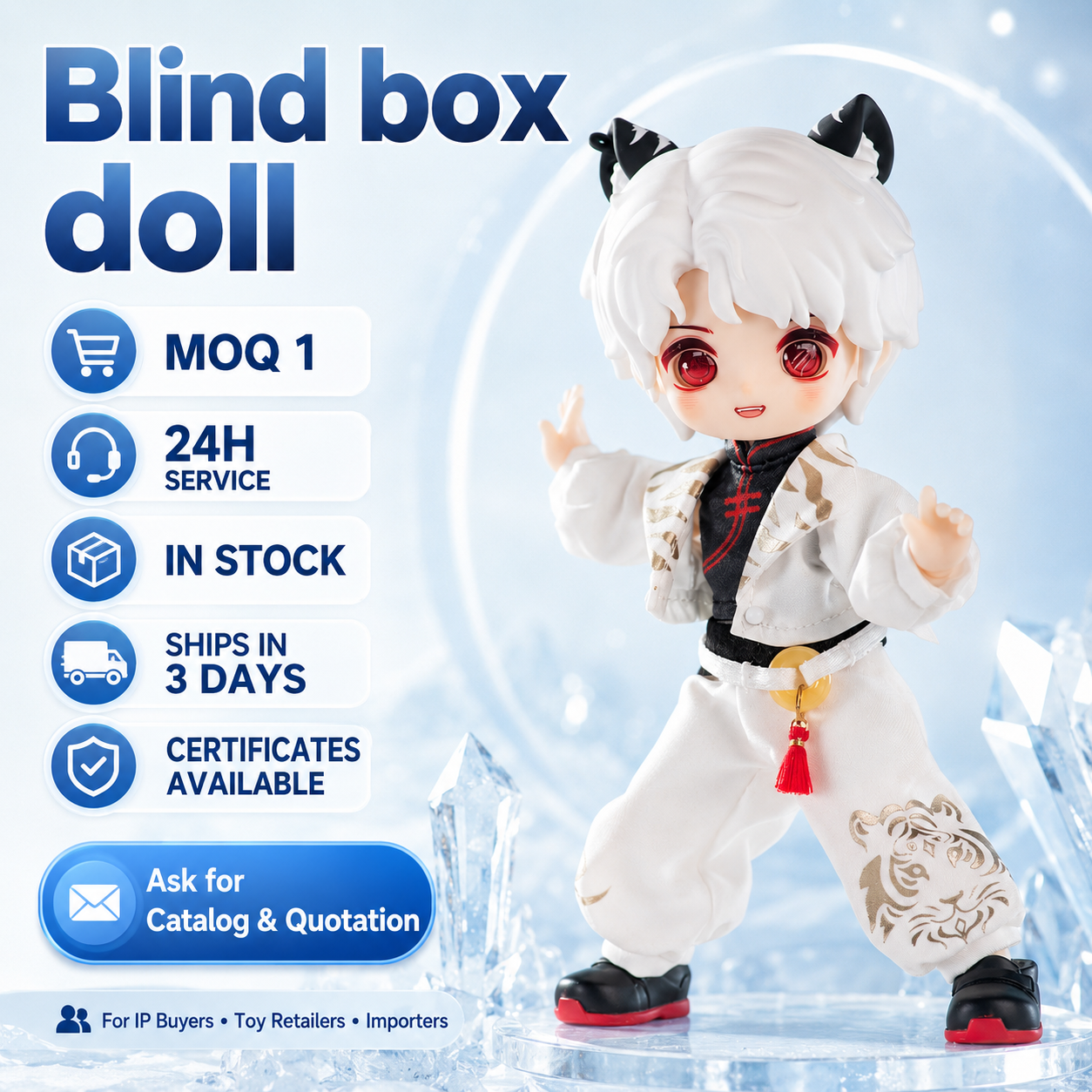
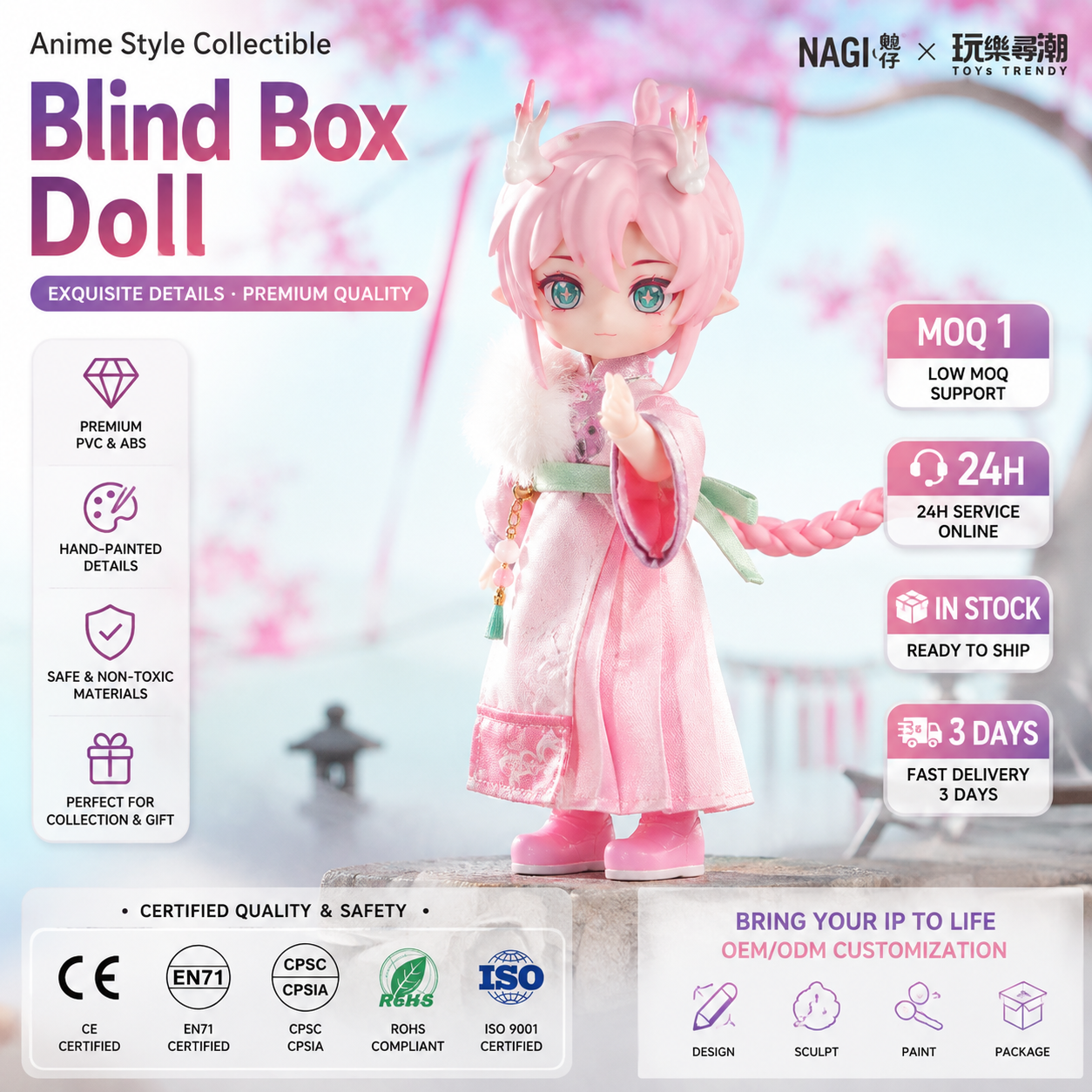
Importers are combining the viral unboxing experience of designer collectible vinyl blind boxes with embedded NFC and low-energy BLE chips. Each physical miniature automatically initializes an individualized digital identity within conversational companion apps, drastically enhancing secondary-market collectibility and lifetime customer value.
Stringent Global Privacy Compliance
Regulatory scrutiny surrounding COPPA (USA) and the Artificial Intelligence Act (EU) means cloud-dependent audio recording faces severe customs rejection risks. International sourcing is shifting exclusively toward factories that master on-device speech processing, cryptographic secure enclaves, and verifiable zero-retention data policies.
Sustainable Hybrid Material Formulations
Corporate ESG commitments are altering structural bills of materials (BOM). Forward-looking procurement programs demand non-toxic, bio-based rotocast vinyl, recycled polyester plush batting, and modular electronics designed for facile end-of-life battery extraction and WEEE-compliant recycling.
Why Tier-1 Importers Partner with Shenzhen Tuck Technology
Combining industrial precision, artisanal paint hand-craft, and digital engineering under one integrated roof.
Direct Shenzhen Plant
Direct-to-factory communication without intermediaries. Instant engineering feasibility audits from master 3D sculptors and mould designers.
Rapid Pilot Tooling
Low-MOQ pilot production runs allow emerging brands and tech ventures to test real retail shelves prior to committing to multi-cavity hardened steel molds.
Strict Character IP NDA
Your character designs and firmware binaries remain strictly proprietary. We execute enforceable bilateral NDAs and maintain tight internal tooling vaults.
Full Lab Certification
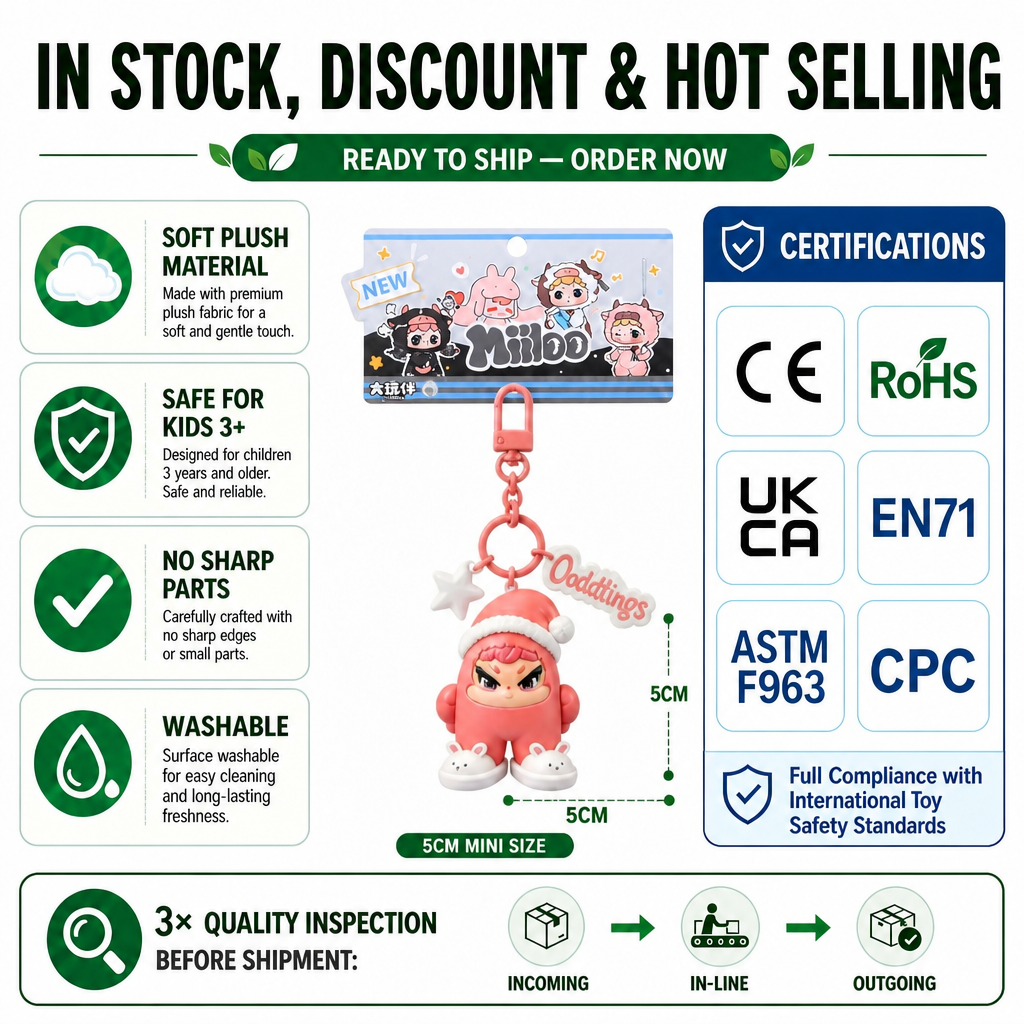
Full pre-shipment third-party lab testing for EN71, ASTM F963, CPSIA, CE, and UKCA compliance with phthalate-free, non-toxic materials.
Frequently Asked Questions for Machine Learning & Art Toy Sourcing
Operational, engineering, and contractual answers curated by our senior project engineering managers.
What is the minimum viable lead time for custom machine learning toy design prototypes?
From final 2D turnaround vectors or 3D CAD files, rapid digital sculpting and stereolithography (SLA) resin prototyping require approximately 7 to 10 business days. For functional ML units incorporating embedded microcontrollers, functional breadboard firmware integration and hand-painted aesthetic prototypes are delivered for physical review within 18 to 25 business days.
How does your factory solve electronic heat dissipation within soft plush or sealed vinyl bodies?
Thermal safety is addressed at the structural design stage. We engineer internal silicone isolated cages and dual-vented plastic skeletal chambers that disperse thermal emissions across the toy's natural internal cavities. This guarantees that exterior surface temperatures remain completely compliant with ASTM F963 and EN71 temperature safety regulations during continuous operation.
What are the typical MOQ requirements for hybrid vinyl plush vs. pure PVC collectible figures?
For rotocast vinyl plush toys or blind box series, our factory supports tiered minimums. Pilot runs for emerging brands typically start at 1,000 units per series design. High-volume multi-cavity injection tooling runs are optimized for 3,000 to 10,000+ units, significantly lowering the amortized per-unit mold cost.
Can you facilitate international acoustic, electromagnetic, and toy safety testing?
Yes. We directly coordinate with accredited third-party testing laboratories (SGS, TÜV, Intertek) to validate that all plastics, synthetic textiles, paints, battery assemblies, and Bluetooth/WiFi RF components meet EN71 Parts 1-3, ASTM F963, CPSIA, FCC Part 15B/15C, and RED directives prior to container sealing.
How do you protect proprietary AI algorithms and private character IP during China production?
We adhere to rigorous IP security protocols. Mould ownership remains 100% with the client, documented under legally binding non-disclosure and non-circumvention agreements. For machine learning models, we facilitate localized flashing of encrypted bootloaders during final surface-mount technology (SMT) packaging, preventing firmware extraction or third-party unauthorized cloning.
Transform Your Sketch into an Intelligent Global Shelf Reality
Submit your character concepts, 3D prototypes, or hardware functional specs for an engineer-backed feasibility assessment, BOM breakdown, and tooling quote.