Featured AI 3D Toy Modeling & Collectible Products
Explore our engineering breakthroughs merging AI interactive hardware, precision-sculpted vinyl, and high-complexity articulation.
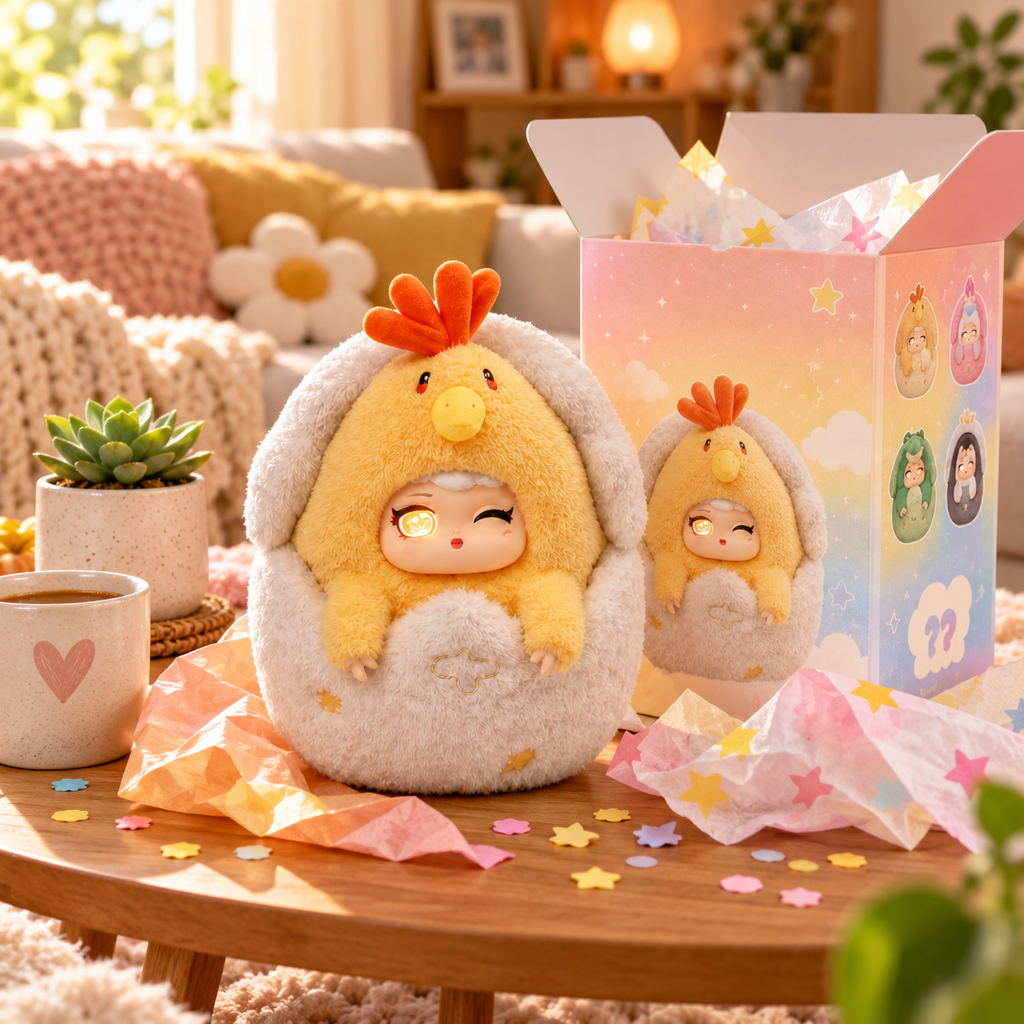
Fufu Babies AI Sensing Screen Eyes Plush Toy
Generative emotional screen displays integrated with soft micro-plush chassis and low-latency interaction.
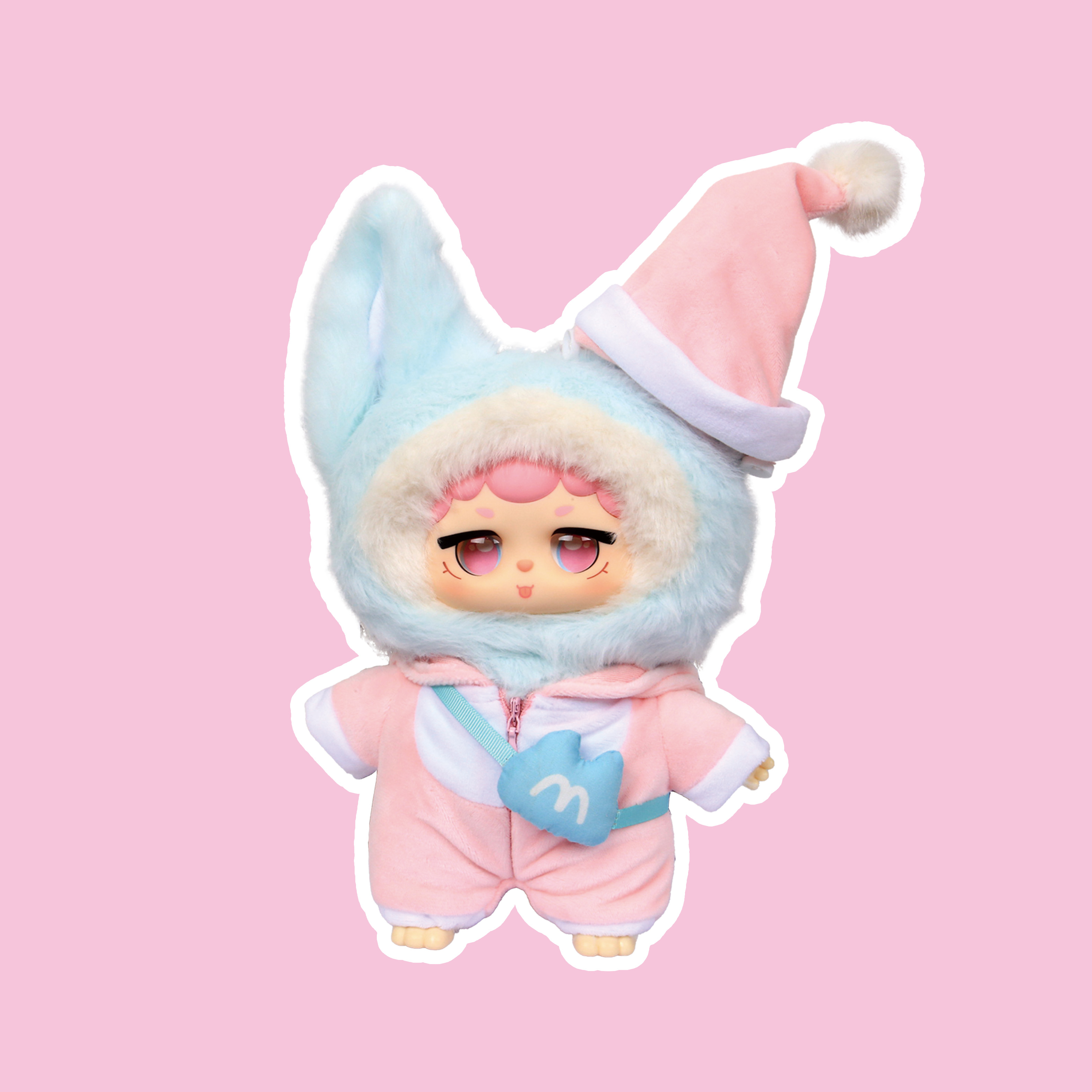
Interactive AI Smart Talking Plush Companion
Cloud-tethered natural language processing framework with safe dual-layer firmware protection.
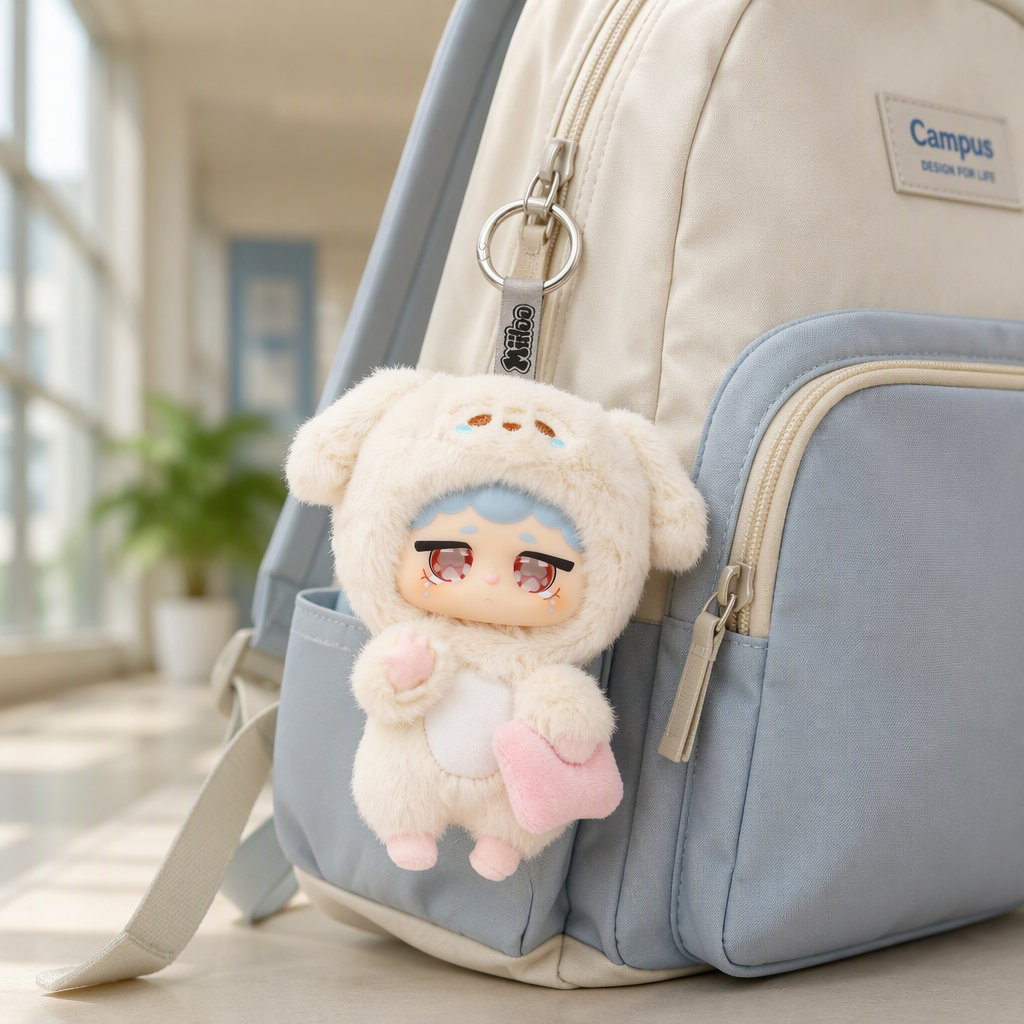
Snoozy Me Plush Hybrid Dressed Keychain 25cm
Rotocast facial sculpture mated securely to tailored micro-velboa textile bodies for urban carry trends.
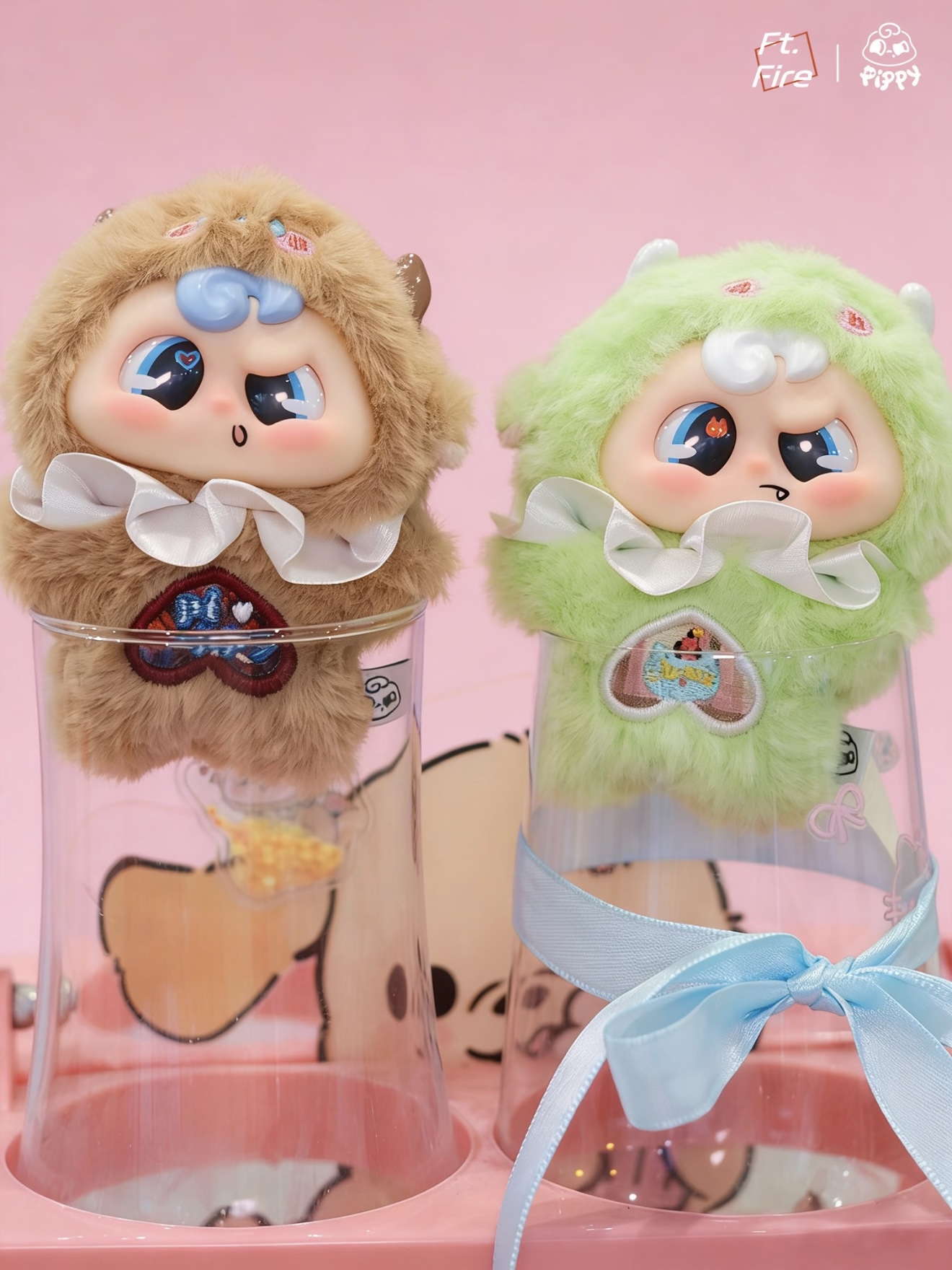
Magical Secret Realm Anime Plush Blind Box
Full ratio planning, tamper-resistant interior foil packaging, and high-frequency multi-textile stitching.
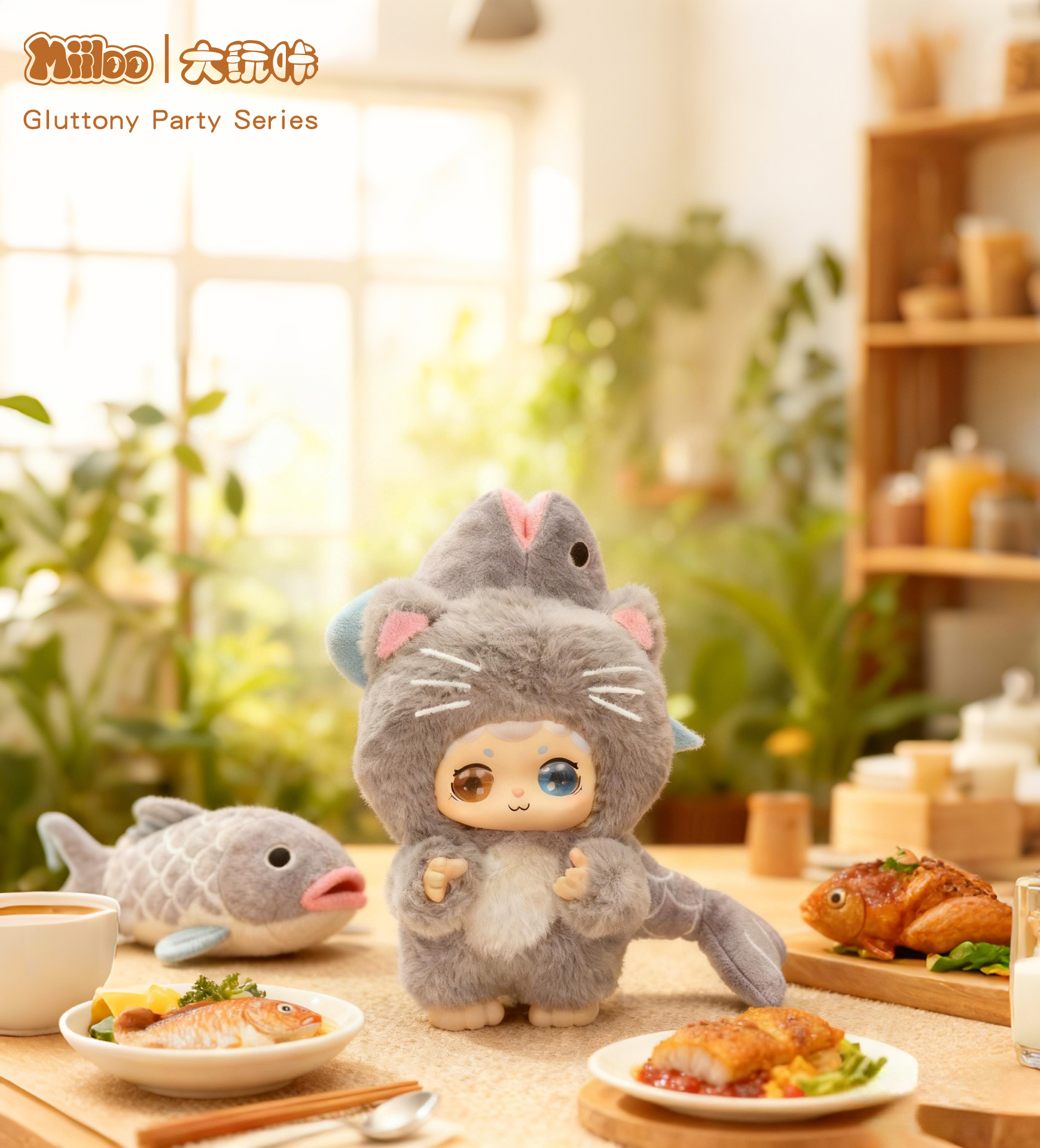
MIILOO Gluttony Party PVC-Plush Bag Charm
Food-grade safe PVC molded elements combined with tactile stuffed components for lifestyle brand merchandising.
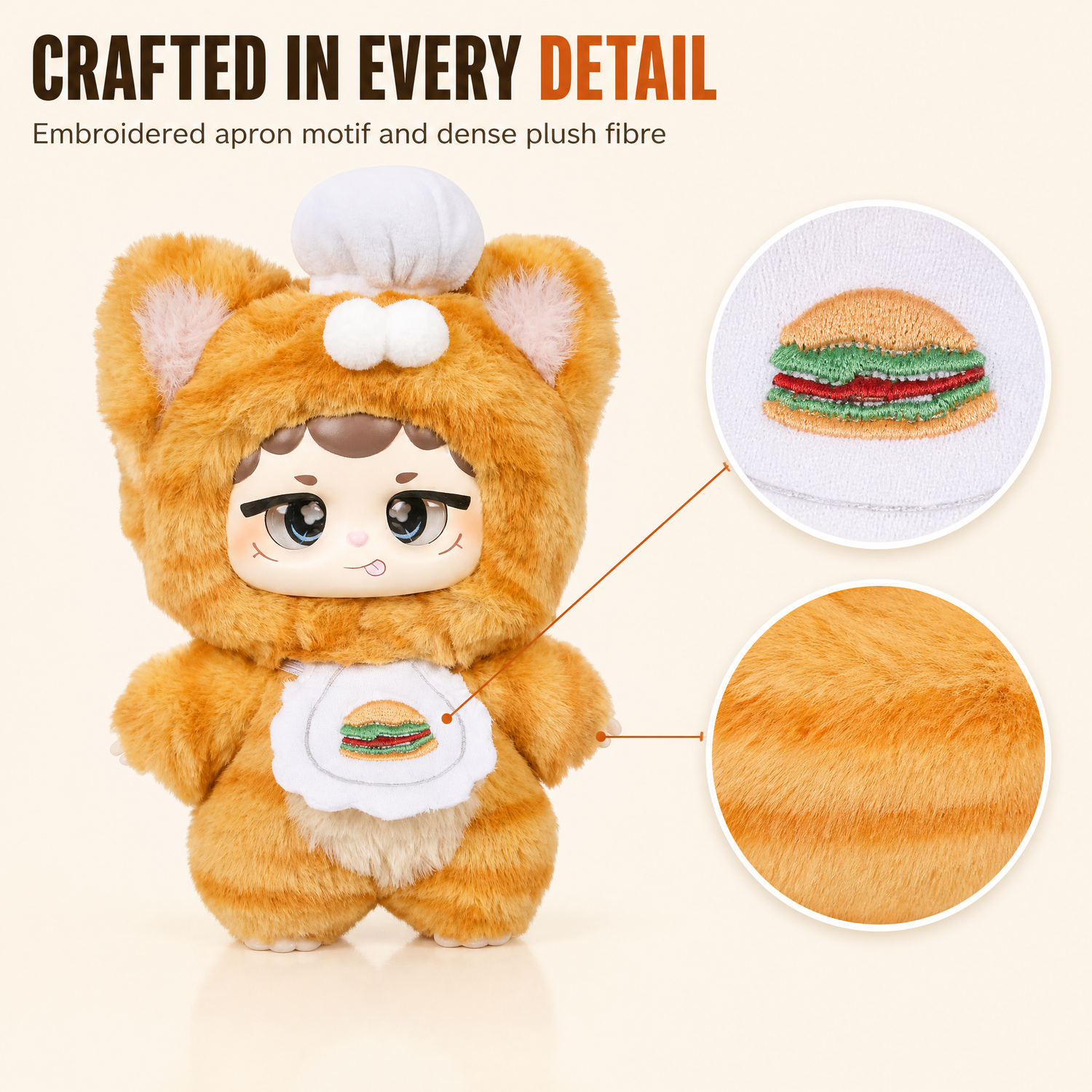
AI Plush Animal Costume Collectible 18cm
Algorithmic topology optimization ensuring lightweight internal armature and rapid snap-on garment fits.
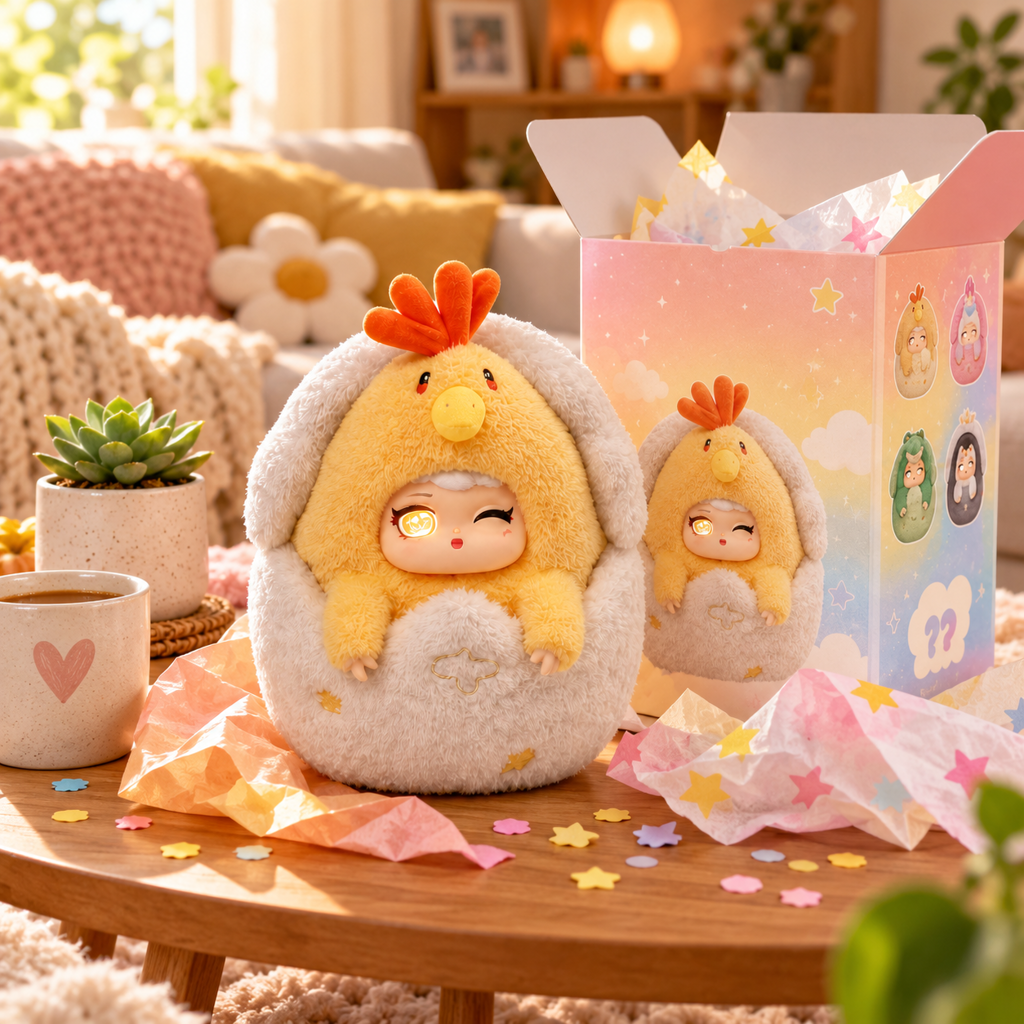
Custom ABS-Faced Cotton Plush Doll Series
High-grade rigid ABS head shells with precision snap pins bonded to high-density ring-spun cotton bodies.
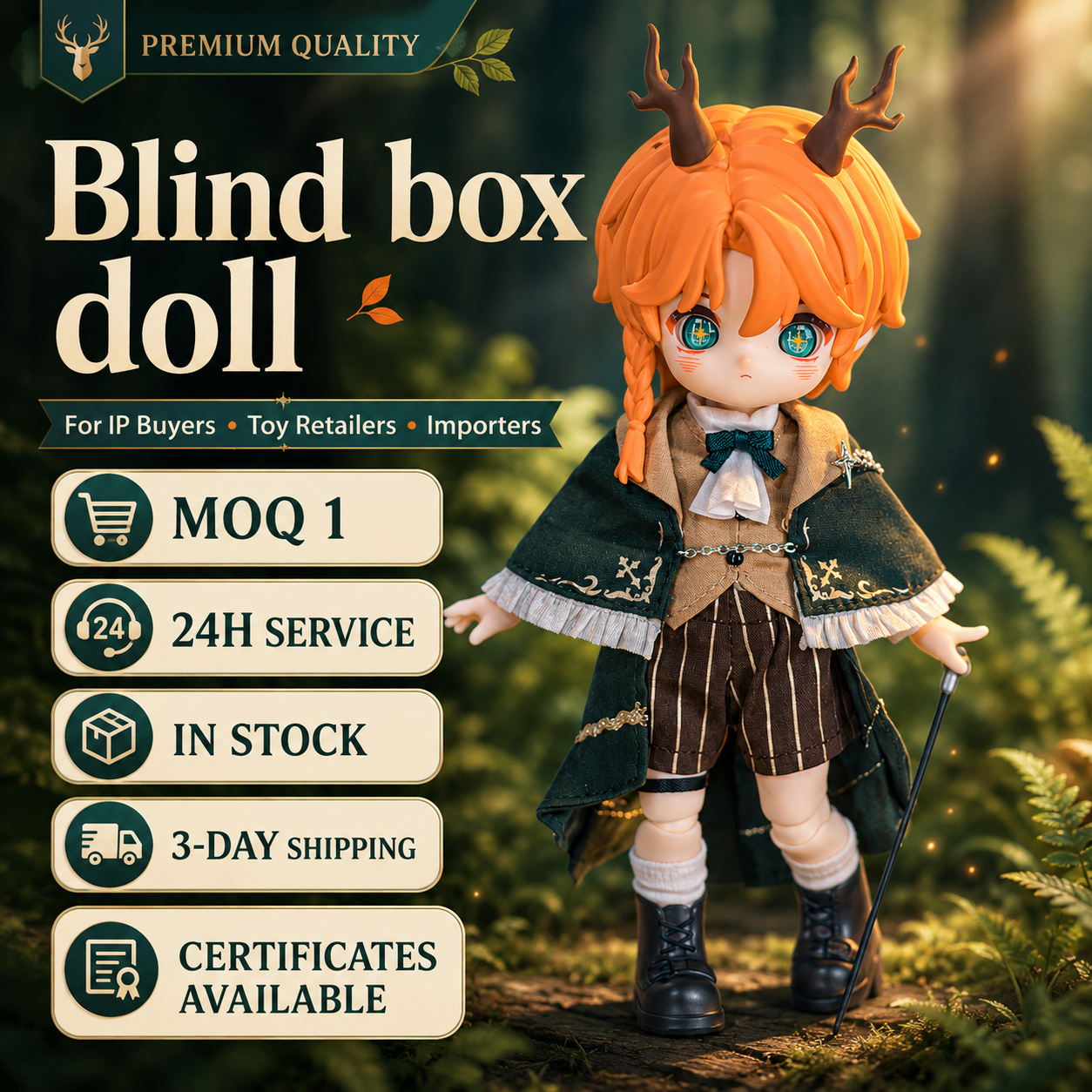
NAGI BJD Fully Articulated Action Figure
Multi-point internal mechanical ball joints engineered using generative stress testing for lifelong friction retention.
The Paradigm Shift in AI 3D Toy Modeling & Manufacturing
A comprehensive examination of generative topology, AI hardware integration, and high-velocity supply chains for global toy importers and brand custodians.
Generative AI 3D Sculpting
Traditional toy engineering relied on weeks of manual polygon reconstruction from 2D concept sheets. In our Shenzhen facility, modern generative workflows have transformed this initial bottleneck.
By feeding orthographic multi-angle concept sketches directly into deep-learning point-cloud generators, our systems generate non-manifold, production-ready NURBS and CAD volumes within hours.
- Immediate extraction of parting lines and draft angles
- Wall thickness optimization algorithms eliminating sink marks
- Automated hollow rotational-casting inner boundary calculations
This cuts the conventional design phase by over 65%, guaranteeing precision without compromising artistic flair.
Interactive AI Hardware Mating
The consumer market has migrated from passive display figures to expressive emotional companions. This structural evolution demands sophisticated electronic chassis engineering inside soft collectible vinyl shells.
Our multidisciplinary team embeds low-power edge microcontrollers, dynamic OLED eye expressions, capacitive touch-sensing skin, and encrypted Wi-Fi/Bluetooth stacks securely within toy cavities.
- Impact-damped polycarbonate inner crash cages
- Thermal dissipation channels protecting external plush/vinyl
- UL/IEC 62133 compliant Li-ion rechargeable cell isolation
Each electronic module passes drop-impact and child-safety compression testing before final ultrasonic casing welding.
Future Procurement Trends
Global toy sourcing directors face changing lead times, tariff shifts, and stringent international ESG reporting mandates. Procurement strategies are rapidly re-aligning around agility.
Importers are abandoning monolithic 50,000-unit initial runs. The modern mandate focuses on data-driven "pilot batches" of 1,000 to 3,000 units using modular aluminum rapid tooling.
- Transition to circular, certified post-consumer recycled (PCR) vinyl
- Digital twin validation prior to steel mold tooling approval
- Encrypted intellectual property protocols from design to shelf
Choosing an agile Shenzhen manufacturer with in-house rapid tooling safeguards cash flow and minimizes unsold inventory liabilities.
Strategic Insight: Overcoming Hybrid Toy Structural Complexity
Modern collectible design blends disparate material physics: rigid molded ABS face plates, flexible rotational-cast vinyl extremities, precision mechanical ball-joints, and organic woven cotton plush. Combining these materials under EN71 and ASTM pull-force limits (≥90 Newtons for small parts) presents serious engineering challenges. By utilizing finite element analysis (FEA) alongside our proprietary mechanical snap-ring channel lock systems, Tuck Technology secures plastic-to-fabric anchors without dangerous chemical adhesives or fragile external stitch loops. The result is a collector-grade finish that easily withstands real-world stress testing.
Technological & Market Trajectories (2025–2030)
Where high-end designer art toys, blind boxes, and smart emotional playthings are heading over the next five years.
1. Generative Localized LLMs
Rather than relying entirely on cloud endpoints, next-generation smart plush toys integrate on-device neural processing units (NPU) executing localized voice models. This guarantees child privacy compliance (COPPA & GDPR-K) while delivering sub-100ms latency emotional voice reactions without internet connectivity.
2. Rapid Micro-Series & Blind Boxes
The blind box market is moving from rigid 6-figure static formats to high-velocity narrative universes. Smart micro-factories utilize quick-change mold inserts, producing 12-to-18 variant collections in sub-5,000 total runs, slashing capital exposure for independent IP creators and mid-tier retail chains.
3. Eco-Friendly Bio-Resins & Circularity
Global regulatory pressure on conventional PVC is escalating. Leading suppliers are switching to non-petroleum bio-based vinyl formulations, recycled ABS shells, and OEKO-TEX Standard 100 organic fabrics, achieving certified non-toxic biodegradability without sacrificing glossy paint adhesion or tactile plush warmth.
Why Global Brands Trust Tuck Technology
Direct manufacturing prowess from Shenzhen: eliminating middlemen, guarding intellectual property, and maintaining absolute chemical and mechanical compliance.
Direct Shenzhen Manufacturing Hub
No intermediaries, broker markups, or sub-tier outsourcing delays. Your engineering team communicates directly with our master sculptors, mold technicians, and assembly line superintendents in Shenzhen, China.
Rigorous IP Protection Protocols
We enforce stringent NDAs across all project tiers. Molds are privately cataloged and secured in dedicated tool banks, preventing unauthorized overruns, catalog leaks, or illicit third-party commercial exploitation.
Global Laboratory Testing Compliance
Every resin, plasticizer, color pigment, and fabric dye lot is screened for phthalates, heavy metals, and PAHs. We supply complete testing documentation for EN71 (Parts 1-3), ASTM F963, CPSIA, CE, and UKCA certification.
Artisanal Collector-Grade Finishes
State-of-the-art automated paint booths alongside hand-masked detailing: multi-layered spray shading, airbrushed blush gradients, high-registration pad printing, electrostatic flocking, and seamless plush embroidery.
Turnkey Packaging Engineering
From sealed tear-strip foil blind bags to counter-ready PDQ display merchandisers, collector foil-stamped gift boxes, and anti-tamper shrink seals, our custom packaging protects goods through transoceanic shipping.
Complete Export Logistics (DDP / FOB)
Experienced shipping specialists coordinate direct maritime containers, air express routing, ISTA-3A drop-certified export cartons, customs documentation, and seamless import handoffs into your regional fulfillment centers.
Frequently Asked Questions for Toy Importers & IP Owners
Clear, practical technical answers addressing tooling costs, timelines, regulatory filings, and production minimums.
What are the realistic MOQs for custom molded vs. hybrid toys?
MOQs depend directly on production tooling. For pure plush toys, MOQs start as low as 500 pieces per design. For rotocast vinyl and injection-molded ABS/PVC figures, initial pilot batches run around 1,000 to 2,000 units. We offer rapid aluminum tooling options to help emerging brands enter blind-box retail without 10,000-unit minimums.
How does the AI 3D modeling process integrate with our 2D concept sketches?
You can supply standard 2D vector character turnarounds, rough hand sketches, or CAD sculpts. Our engineers process your artwork through AI generative 3D sculpting software to generate water-tight mesh models within 48 to 72 hours, resolving draft angles, parting lines, and split-mold planes before physical SLA/SLS resin prototyping begins.
What lead times should buyers anticipate from brief to dispatch?
A standard new IP development cycle requires 7 to 10 working days for digital sculpting and prototype 3D printing; 20 to 30 days for steel/copper mold machining; and 25 to 35 days for mass rotocasting/injection, hand painting, assembly, inspection, and retail boxing. In total, expect 60 to 75 calendar days from concept sign-off to port loading.
How do you safeguard client IP against factory leaks and counterfeit overruns?
Shenzhen Tuck Technology adheres to strict, legally binding bilateral NDAs. Steel molds remain client-owned capital assets, tracked by serial number and stored in biometric-access tooling warehouses. All defective parts and mold runners are collected and crushed on-site, and unauthorized secondary distribution is strictly prevented.
Can you manage third-party lab testing and compliance certification?
Yes. We routinely work with internationally accredited testing laboratories such as SGS, Intertek, and TÜV Rheinland. We handle sample submissions and secure official pass certificates for EN71 (Europe), ASTM F963 / CPSIA (United States), CCPSA (Canada), and AS/NZS ISO 8124 (Australasia) prior to shipping authorization.
What trade and payment terms do you offer to overseas buyers?
We work with international incoterms including EXW, FOB Shenzhen, CIF, and full Door-to-Door DDP (handling clearance and local freight directly to your 3PL hub). Standard payment terms for new production include 30% to 50% tooling and production deposit with balance due against final AQL 2.5 inspection reports and Bill of Lading releases.