Featured AI-Assisted Collectibles & Smart Plush Series
Explore our top production benchmarks engineered via multi-agent generative modeling, precision steel tooling, and hybrid plush-vinyl assembly. Available for scalable wholesale procurement and custom private label runs.
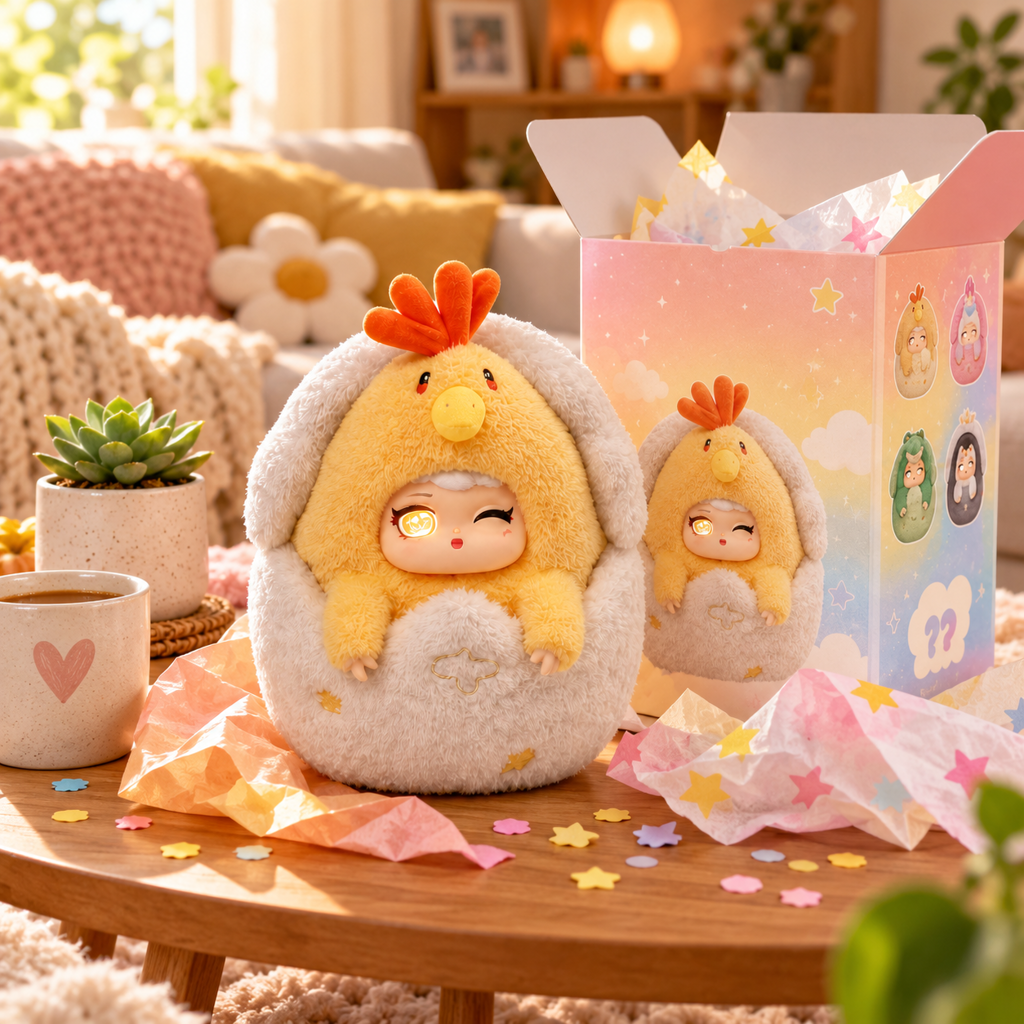
Personalized ABS Face Plush Doll Custom Figure by OEM Manufacturer Cotton Material
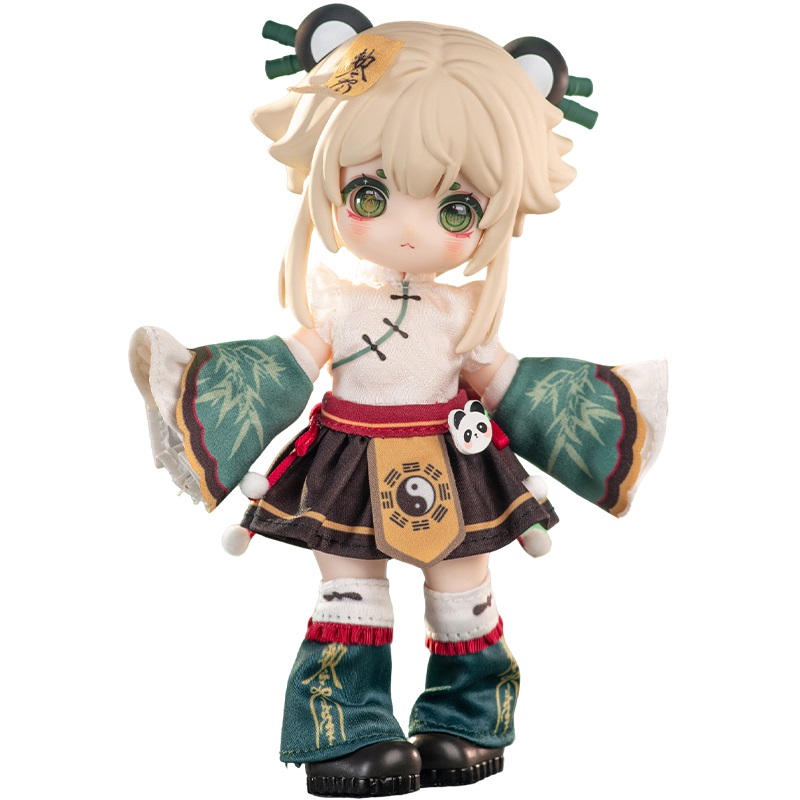
Premium NAGI Blind Box BJD Dolls,Fully Moveable Joints,Detachable Fabric Outfits Accessories
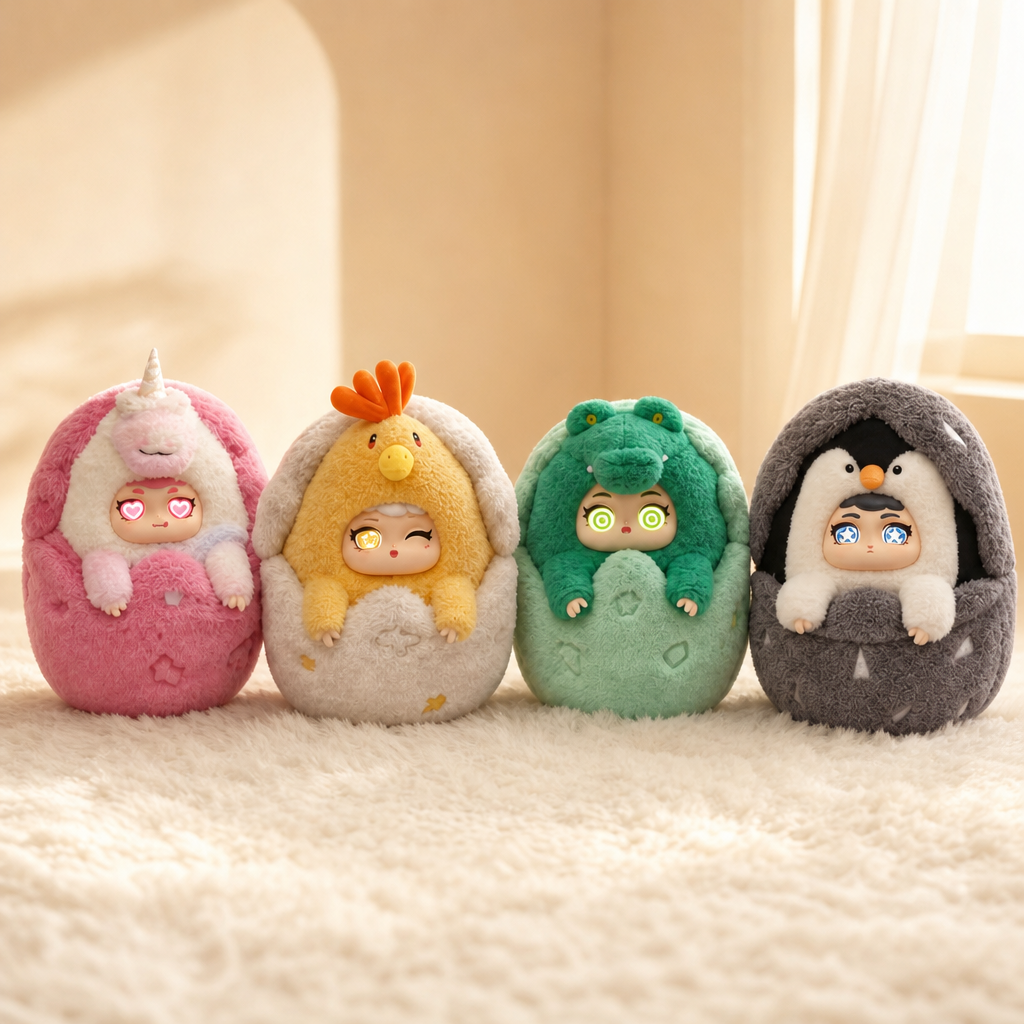
Artificial Intelligence AI Toy Fufu Babies Plush Toy AI Version--normal Eyes

Miiloo Ocean Adventure Mirror Blind Box Plush Keychain Bag Charm
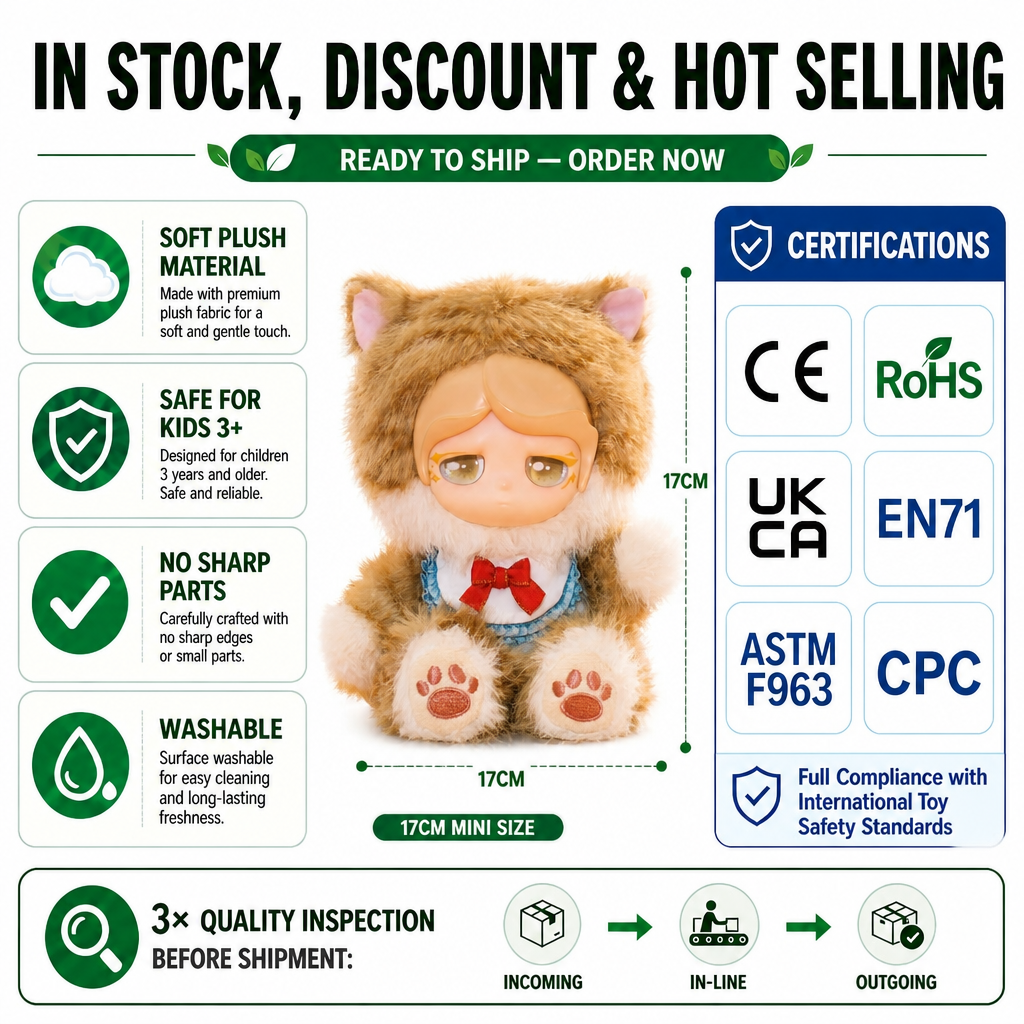
Custom Anime Character Plush Toy Kawaii Cartoon Stuffed Figure Doll Licensed Merchandise
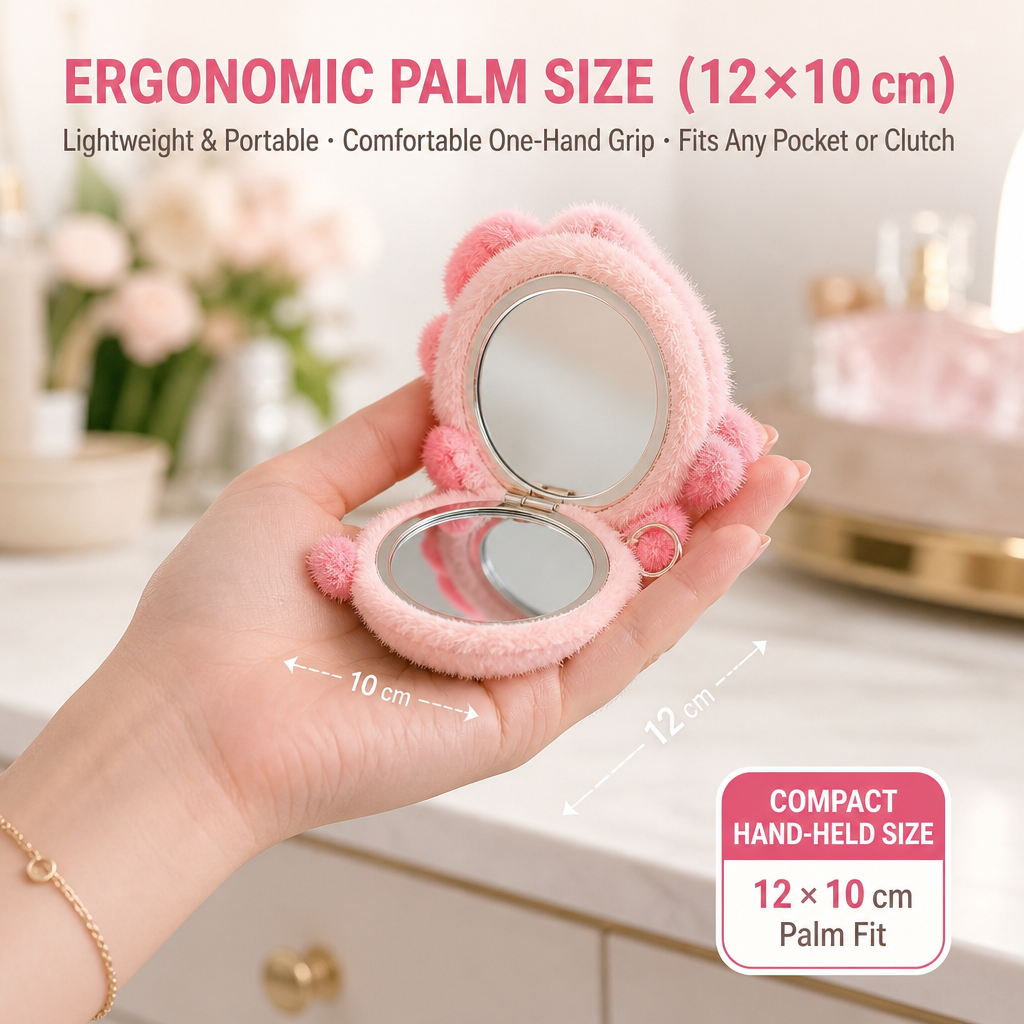
Script Error Due ToTraceback (most Recent Call Last) File "/home/admin/rlab-python/src/script_executor/script_runtime.py" Line
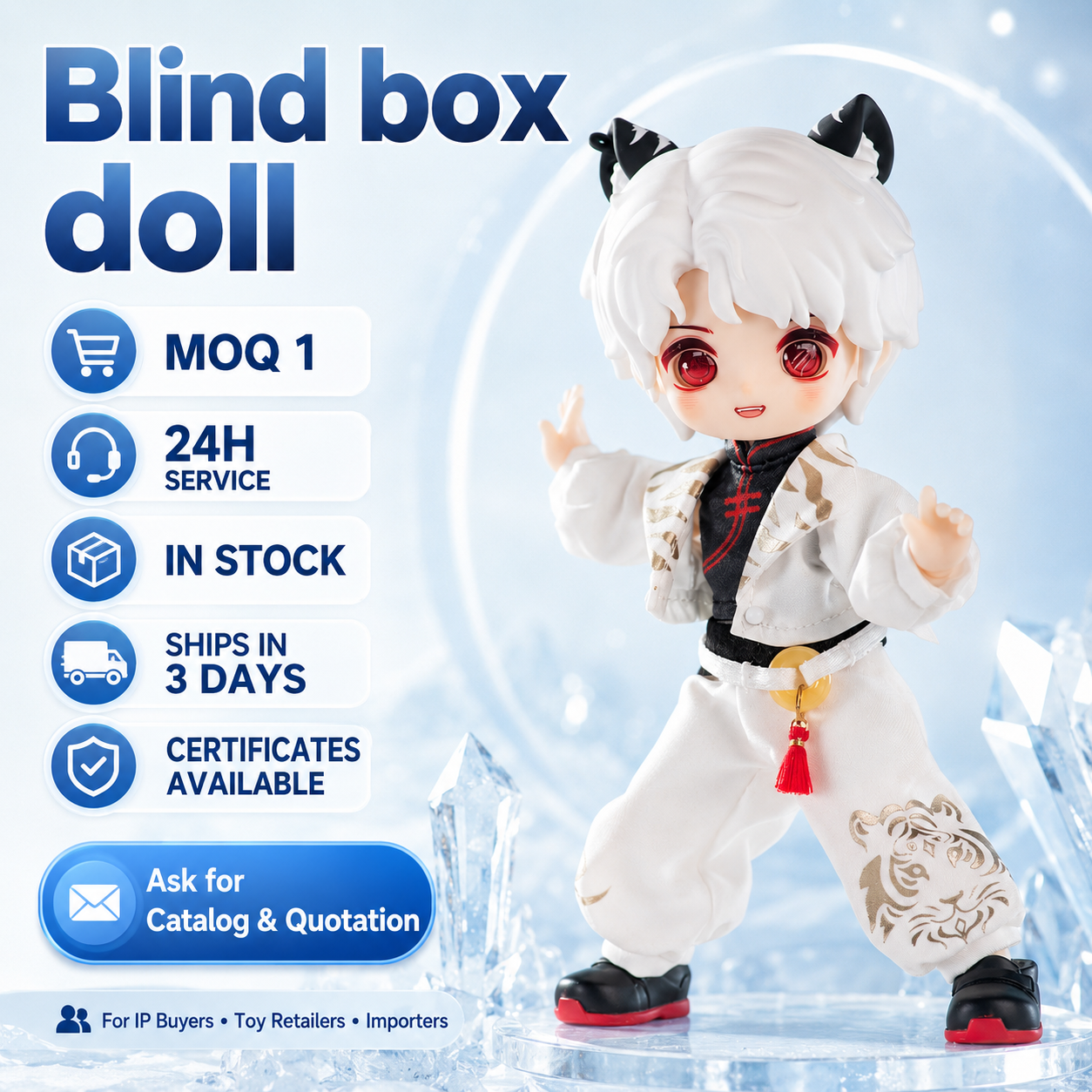
Nagi Beast Cloud Ruins Blind Box 1 12 Scale Ball Jointed Doll Finished Anime Figure
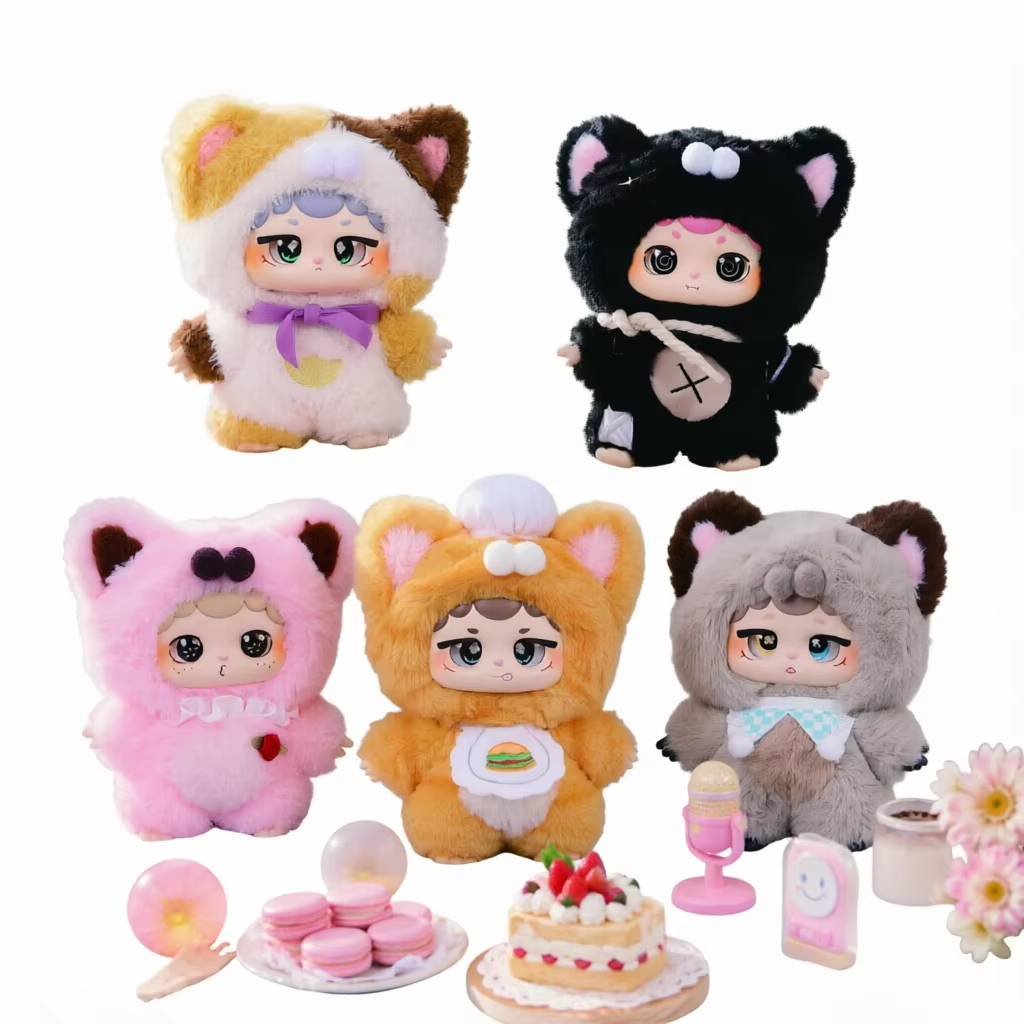
Wholesale Miiloo MeowMoo Explorer Plush Blind Box Cat and Ox Figure Set Collectible
Technological Convergence: How Artificial Intelligence is Reshaping China's Toy Manufacturing Paradigm
The global designer toy and collectible plush landscape is navigating a monumental shift. What once required four to six months of painstaking iterative 2D sketching, manual clay maquette modeling, and successive bronze mold adjustments has been fundamentally compressed. At Shenzhen Tuck Technology Co., Ltd. (Tuck Toys), we bridge the gap between generative artificial intelligence and high-precision physical manufacturing. By deploying algorithmic generative design pipelines, diffusion-based volumetric synthesis, and parametric CAD scripting, our factory translates high-level creative briefs into production-grade tooling data within days.
This industrial revolution does not replace human artisanal mastery; rather, it amplifies physical craftsmanship. When global IP holders, retail chains, and entertainment conglomerates commission an AI designed toy project, the design phase integrates finite element analysis (FEA) directly within algorithmic geometry. Structural wall thicknesses, shrinkage allowances for rotocast vinyl (PVC), draft angles for high-pressure injection molding (ABS/POM), and stitch lines for ultra-soft plush fabrics are calculated concurrently during 3D model generation.
From Neural Render to Physical Steel: The Tuck Toys Algorithmic Pipeline
Traditional manufacturing often suffers from a profound disconnect between digital concept art and the physical realities of the assembly floor. Concept renders look mesmerizing, but they collapse when confronted with undercuts, parting lines, micro-tolerances, or hollow roto-molding dynamics. Our Shenzhen R&D engineering hub eliminates this friction via a unified five-tier production architecture:
1. Generative 3D Mesh Synthesis
Text-to-3D and image-to-point-cloud diffusion engines rapidly generate production-ready organic meshes, preserving nuanced facial topology and collector-grade anatomy.
2. Automated DFM & Draft Optimization
Algorithmic software runs deep parting line simulations, automatically carving core and cavity splits, adjusting draft angles to zero-defect tolerances for high-speed CNC tooling.
3. High-Precision Additive Prototyping
Stereolithography (SLA) and selective laser sintering (SLS) systems produce micron-accurate physical masters in under 24 hours for master tactile review and balance tests.
Comprehensive Engineering Matrix: Traditional OEM vs. Tuck Toys AI-Integrated Manufacturing
To understand the return on investment (ROI) that enterprise toy buyers achieve when partnering with a technologically advanced China wholesale factory, evaluate the direct comparison of crucial project metrics:
| Evaluation Parameter | Legacy OEM / Trading Intermediaries | Tuck Toys AI-Assisted Smart Factory | Enterprise Procurement Advantage |
|---|---|---|---|
| Initial 3D Sculpting & Revisions | 15 to 25 business days; manual sculpting; multiple subjective revisions. | 2 to 4 business days; generative topology with automated client-side 360° cloud review. | 80% Faster Approvals |
| Mold Tooling Lead Time | 40 to 60 days for multi-cavity hardened steel or electroformed copper molds. | 18 to 28 days via parametric toolpath simulation and robotic 5-axis high-speed CNC. | First-to-Market Window |
| Hybrid Material Tolerances | High variance (±0.8mm) between vinyl faceplates and hand-sewn cotton plush bodies. | Sub-millimeter precision (±0.15mm) via laser pattern cutting and precision snap-fit inserts. | Zero Assembly Rework |
| Interactive Hardware Integration | Standard analog squeakers or simplistic pre-recorded single-track sound chips. | Embedded low-power IoT microcontrollers, BLE modules, and localized LLM voice processing. | Higher Retail Price (ASP) |
| Quality Assurance & Compliance | Post-production spot checking; high scrap rates during final packaging. | In-line computer vision inspection, automated torque/tension testing, 100% lab pre-screening. | Defect Rate < 0.3% |
Future Sourcing & Procurement Trends: What Global Toy Importers Must Anticipate (2025–2030)
As retail margins tighten and consumer expectations climb, wholesale purchasing managers, IP licensing directors, and product developers must align their supply chains with emerging market currents. At Tuck Toys, analyzing international import trends enables our partners to capture elevated market share.
1. Hyper-Tactile "Healing" & Emotional Hybrid Collectibles
The boundary between rigid vinyl art statues and soft plush toys has evaporated. The unprecedented global success of hybrid vinyl-face cotton dolls (such as our Miiloo series and personalized ABS-face cotton plush lines) demonstrates an insatiable consumer appetite for tactile emotional comfort. Retail buyers are prioritizing multi-sensory designs that blend the detailed expression of sculpted vinyl with the warm cuddle-appeal of memory foam and faux-rabbit fur.
2. On-Device AI Agents & Safe Interactive Companions
The conversational plush category is evolving past static pre-recorded phrases. Future procurement is dominated by smart plush toys incorporating low-latency, edge-computed speech-to-text engines. Enterprise toy brands demand certified child-safe architectures (COPPA, GDPR-K compliant) featuring offline conversational logic, customized persona synthesis, and ambient capacitive touch sensors without exposing sensitive biometric data to public clouds.
3. Small-Batch Agile "Blind Box" Serialization
Instead of single high-risk product lines, international retailers seek agile mystery blind box matrices with tiered rarity algorithms (e.g., 1:72 or 1:144 hidden chaser editions). Procurement teams require factories capable of amortizing mold tooling costs across interchangeable modular accessories, multi-angle pad printing variations, and randomized foil-sealed packaging without exorbitant minimum order quantities.
4. Circular Polymers & Strict International ESG Directives
Global customs enforcement regarding chemical safety and environmental impact has never been more uncompromising. Sourcing departments are actively abandoning low-grade recycled plastics with unpredictable heavy metal contents in favor of bio-attributed plasticized PVC, recycled polyethylene terephthalate (rPET) plush fabrics, and non-toxic soy-based printing inks capable of passing stringent EN71 Part 3 migration audits.
Macro Industry Analysis: The Evolution of Intelligent & Collectible Toy Engineering
The toy manufacturing industry in Guangdong Province, particularly the Shenzhen-Dongguan manufacturing nexus, has evolved beyond labor-intensive assembly lines into a world capital of Mechatronic Art Toy Engineering. Three underlying forces drive this macro shift:
1. Algorithmic Generative IP Incubation
Historically, an artist spent years establishing an IP universe before a physical toy line could achieve commercial viability. Today, gaming studios, digital illustrators, and boutique design houses harness deep generative neural networks to iterate hundreds of character variants in hours. Chinese factories that succeed in the next decade must provide digital-to-physical translation capabilities, possessing native software engineers who understand 3D polygon mesh decimation, non-manifold repair, and hollow shell mold fabrication directly from AI-generated OBJ or FBX files.
2. The Ball-Jointed Doll (BJD) & High-Articulation Renaissance
As seen in our wholesale NAGI Beast Cloud Ruins and Chinese-style blind box doll series, mechanical articulation has entered mainstream collector retail. Engineering 1/12 scale articulated ball joints with durable POM skeleton frames, multi-directional internal tension cords, and interchangeable magnetic hands requires watchmaker-level tolerances. Factory mastery of dual-shot injection molding ensures that joint friction remains consistent over thousands of poses without stress fractures or loosening.
3. Decentralized Packaging & Counter-Counterfeiting NFC Architectures
With high-value art toys and designer blind boxes trading at multiples of their retail price on secondary platforms, blind packaging security is critical. Leading factories now integrate tamper-evident ultrasonically welded foil packaging, randomized weighted counterweights to prevent blind box scale tampering, and embedded encrypted NFC chips inside vinyl heads to guarantee authenticity via smartphone taps.
Why Enterprise Importers Partner with Tuck Toys (Shenzhen Tuck Technology Co., Ltd.)
Situated in the heart of China’s advanced technology and mold-making industrial cluster in Shenzhen, Shenzhen Tuck Technology Co., Ltd. operates as a tier-one OEM/ODM manufacturer. We serve prominent global toy brands, retail distribution conglomerates, boutique artists, and corporate marketing campaigns across North America, Europe, Japan, and Australia.
Direct Shenzhen Factory Floor
Eliminate intermediary broker markups. Direct collaboration with our on-site tooling master technicians, mold engineers, and color-matching specialists guarantees cost transparency and agile schedule adjustments.
Zero-Leak IP Protection Vault
We treat proprietary character IP with bank-grade confidentiality. Strict physical access controls, encrypted offline digital asset storage, bilateral NDAs, and controlled scrap destruction ensure designs never leak.
Global Compliance Assurance
Every batch is manufactured to satisfy EN71 (Parts 1, 2, 3), ASTM F963-23, CPSIA, CE, UKCA, REACH, and RoHS standards. We collaborate with internationally accredited testing laboratories (SGS, TÜV, Intertek).
End-to-End Craftsmanship Under One Roof
From 3D sculpting, copper electroforming, high-pressure injection, and rotocasting to automated computerized embroidery, airbrush masking, pad printing, and retail packaging assembly.
Frequently Asked Questions: B2B Sourcing, Manufacturing & Quality Control
Clear, direct answers to the technical, commercial, and logistical queries most frequently posed by international toy procurement officers, brand owners, and supply chain analysts.
What are the minimum order quantities (MOQ) for custom AI-designed toys and blind box series?
How does the mold tooling amortization and ownership structure operate at Tuck Toys?
What is the standard production timeline from initial 3D digital concept to ex-factory shipment?
Stage 1: Generative 3D Modeling & DFM Review: 3 to 7 business days.
Stage 2: Physical SLA/SLS Hand-Painted Master Prototype: 7 to 12 business days (shipped via express courier for your physical tactile review and sign-off).
Stage 3: Mold Fabrication & First-Article Golden Samples: 25 to 35 business days (depending on the number of mold cavities and part complexity).
Stage 4: Mass Production, Assembly, QC Inspection & Packaging: 30 to 45 business days for standard wholesale volumes (10,000 to 50,000 units). For peak retail seasons (such as Q4 holiday retail), we recommend locking in tooling allocations by April or May.
How do you verify compliance with EN71, ASTM F963, and CPSIA for international customs clearance?
Can you integrate embedded smart electronics, Bluetooth, or conversational AI voice chips?
What retail and blind packaging capabilities do you provide in-house?
What incoterms and international logistics services do you support?
Transform Your Character IP into Commercial Retail Reality
Whether you arrive with a fully realized 3D turnaround file or a collection of generative AI character sketches, our Shenzhen engineering team is equipped to evaluate manufacturing feasibility, provide comprehensive DFM feedback, and generate an itemized tooling quote within 24 hours.
Inquire Now