Featured Smart & Collectible Figures
Precision-engineered rotocast vinyl, injection-molded PVC, and interactive AI companions built for global brands, designer labels, and cross-border toy importers.
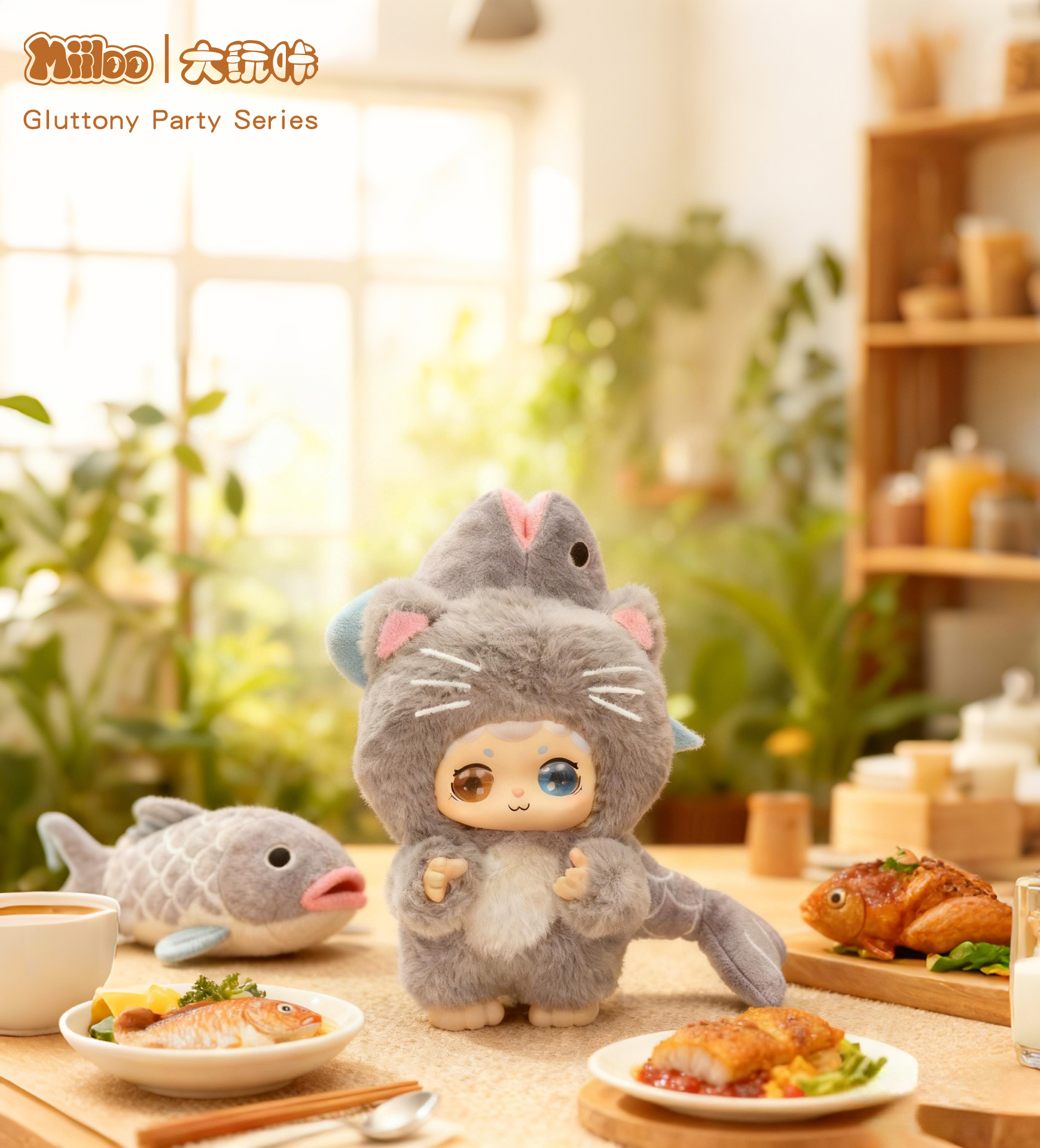
MIILOO Gluttony Party Plush Blind Box Animal Figure PVC Keychain
- Rotocast Vinyl Face
- Ultra-Soft Minky Fabric
- NFC Integrated
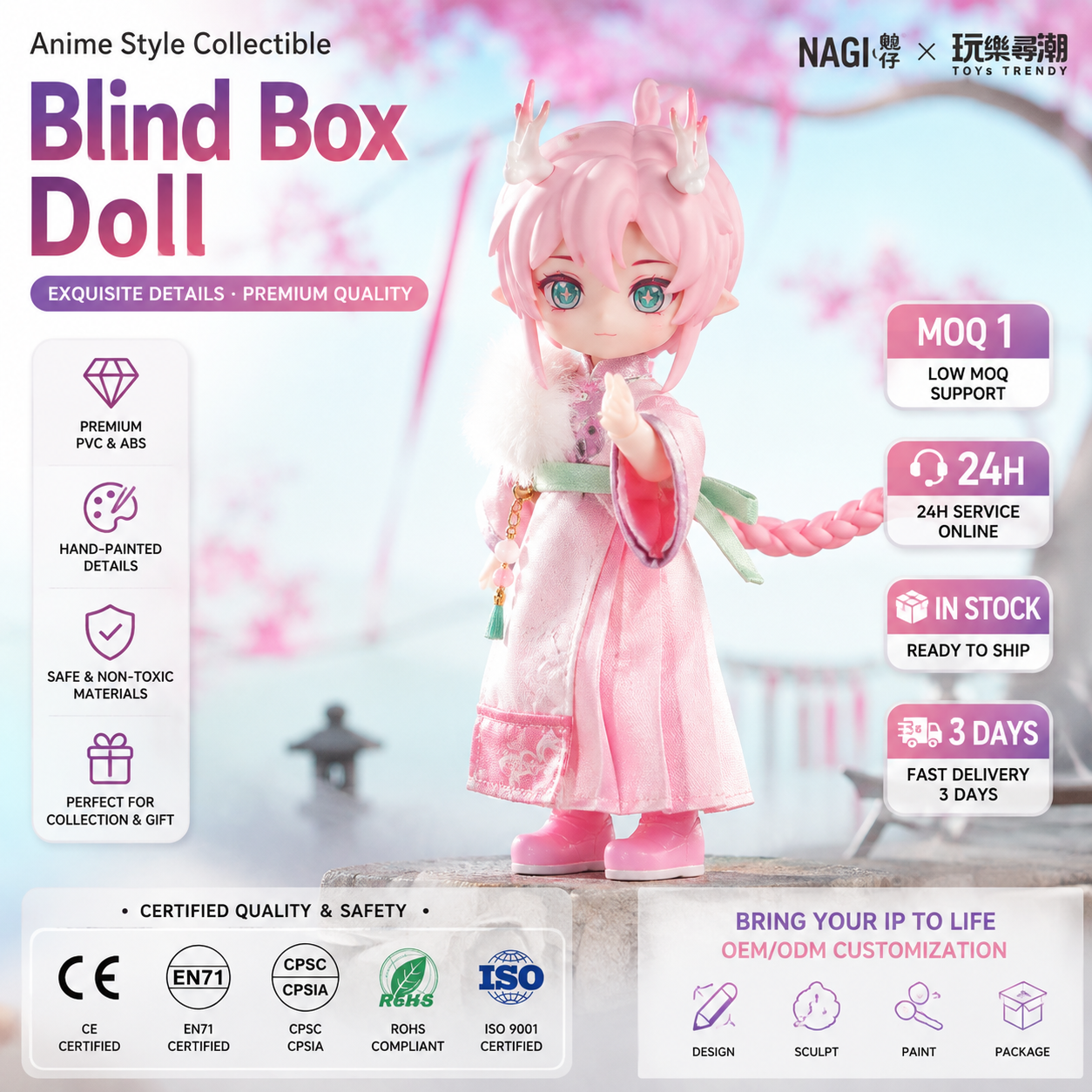
Nagi Anime Style Blind Box Doll 1/12 Finished PVC ABS Collectible Figure
- Precision ABS/PVC
- Multi-layer Pad Printing
- Custom Apparel
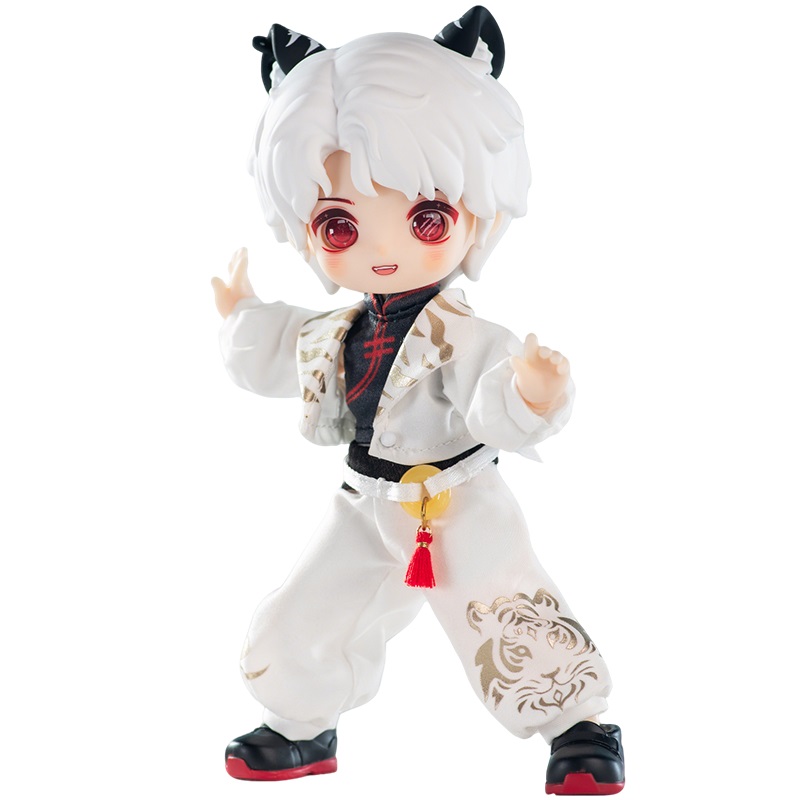
Premium NAGI Beast Cloud Ruins 1/12 MJD KongFu BJD Toy Blind Box
- Mechanical Jointed
- Detachable Fabric
- Collectible Card
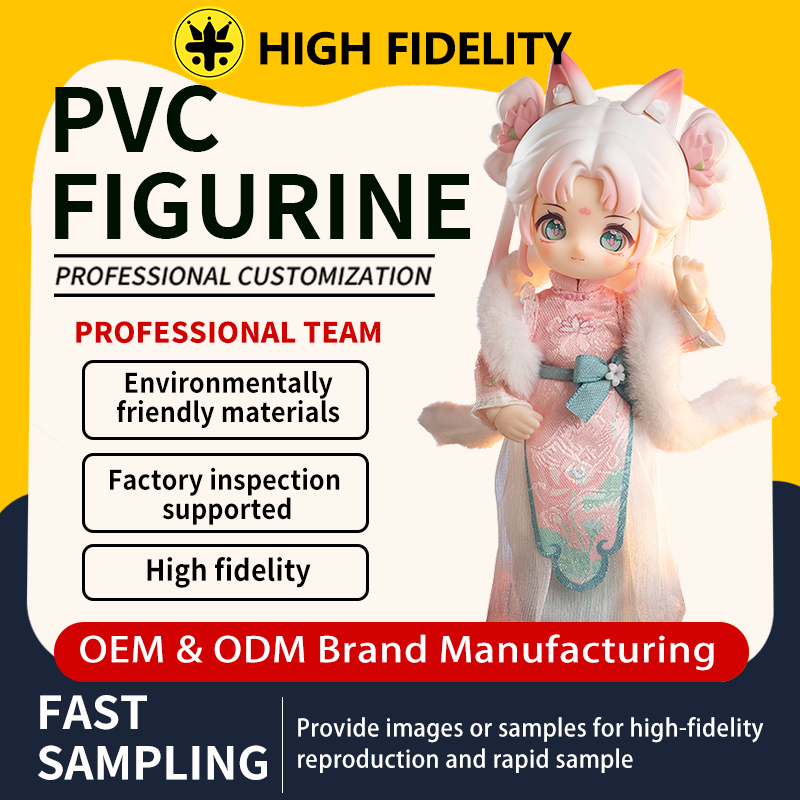
NAGI Beast Roaming Series PVC Action Figures Blind Box BJD Toy
- Ball-Joint Movement
- Matte UV Coating
- Collector Packaging
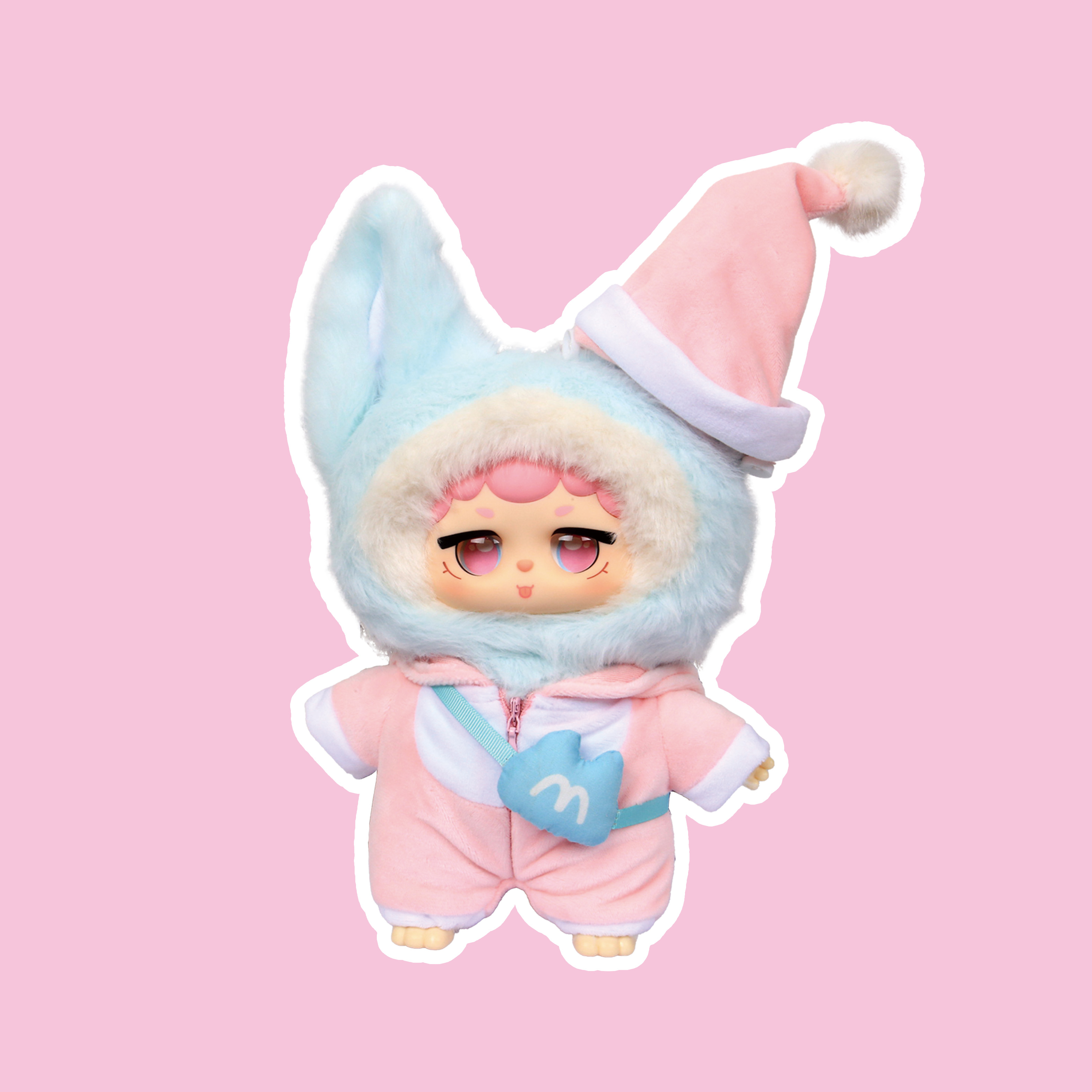
Interactive AI Plush Toy Smart Talking Doll with Voice Chat
- Embedded LLM / Wi-Fi
- Low-latency NLP Voice
- Encrypted Toy IoT
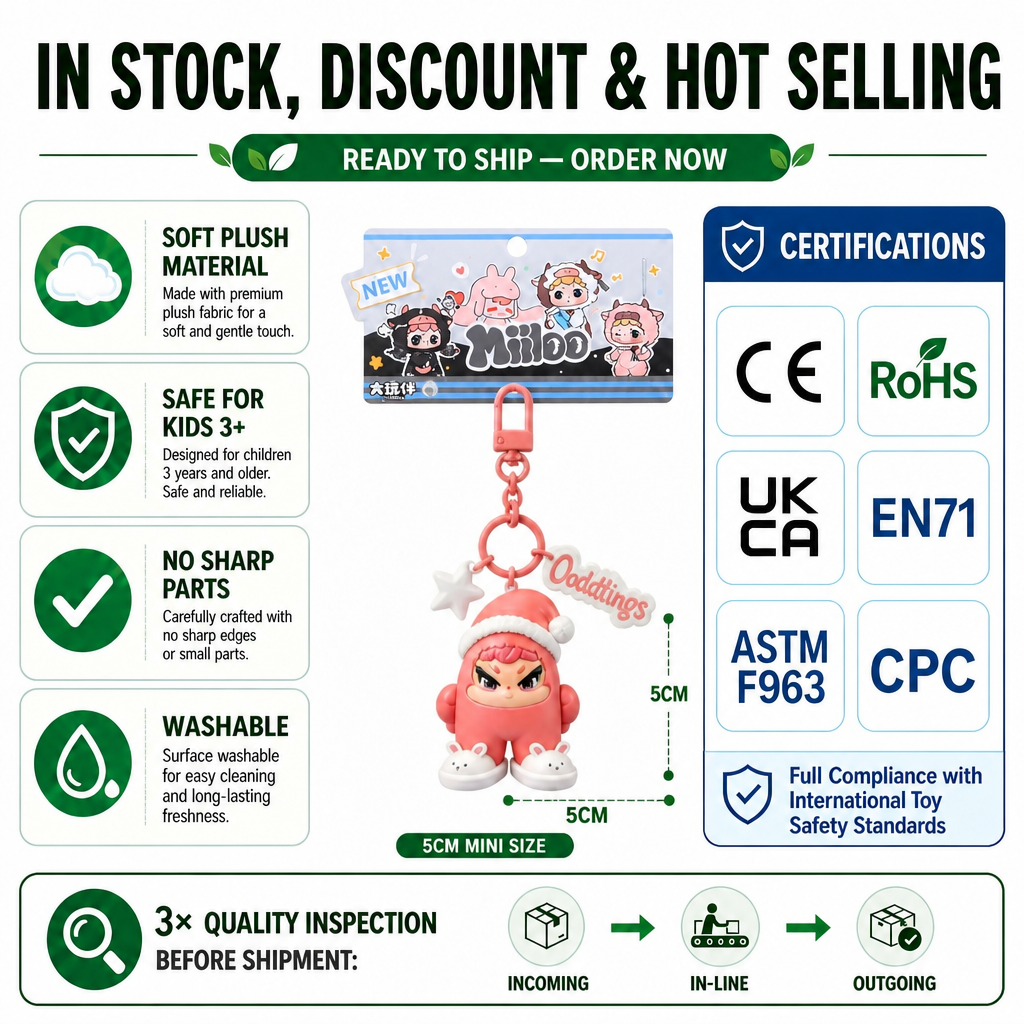
Mystery Box Plastic Animal Figurine Keychain Toy 1/12 Scale
- Phthalate-Free PVC
- Heat-Sealed Foil Bag
- Anti-Peek Density
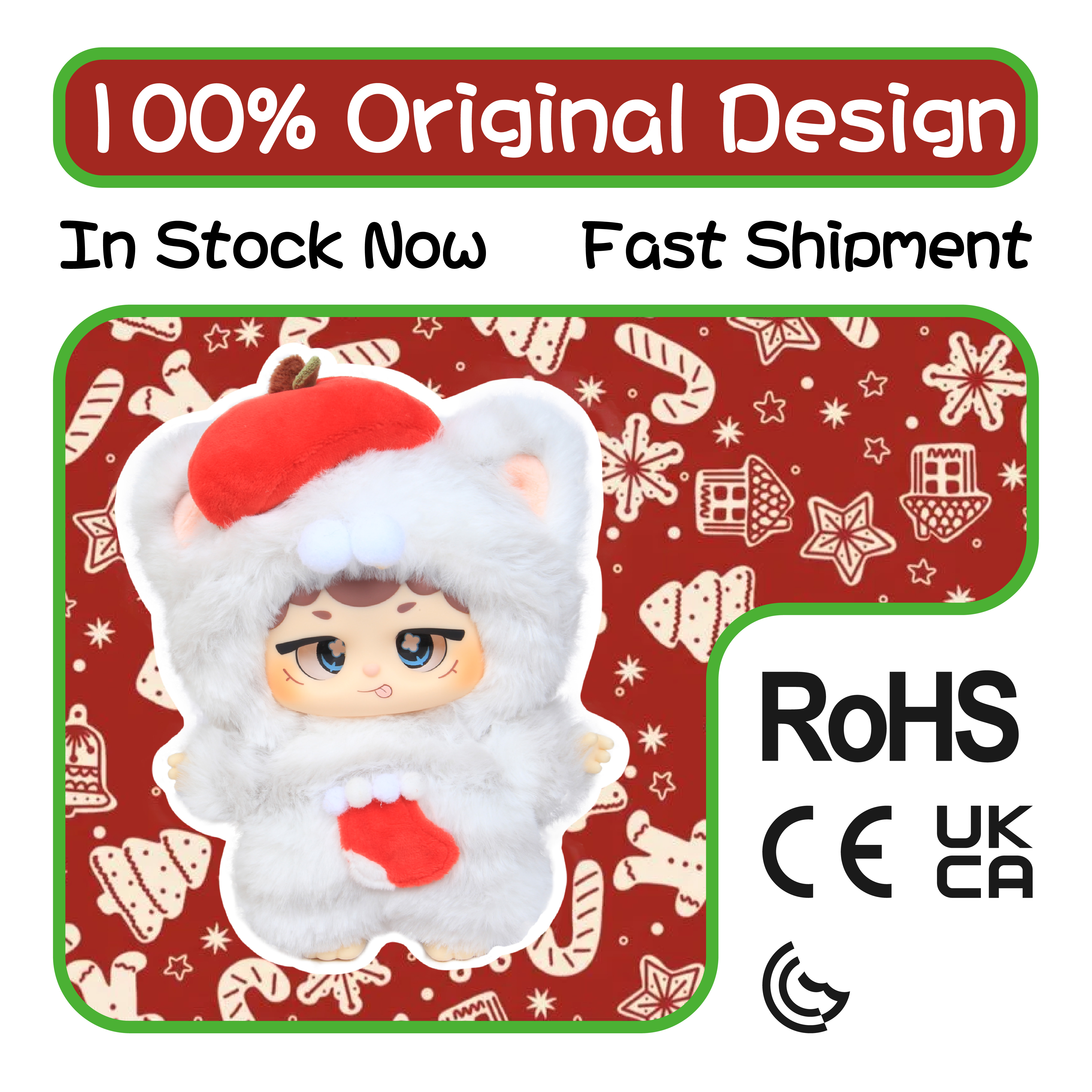
Xmas Decoration Door Christmas Tree Sequins Plastic Plush Flowers
- Mixed Media Craft
- Flame Retardant PET
- Custom Dimensions
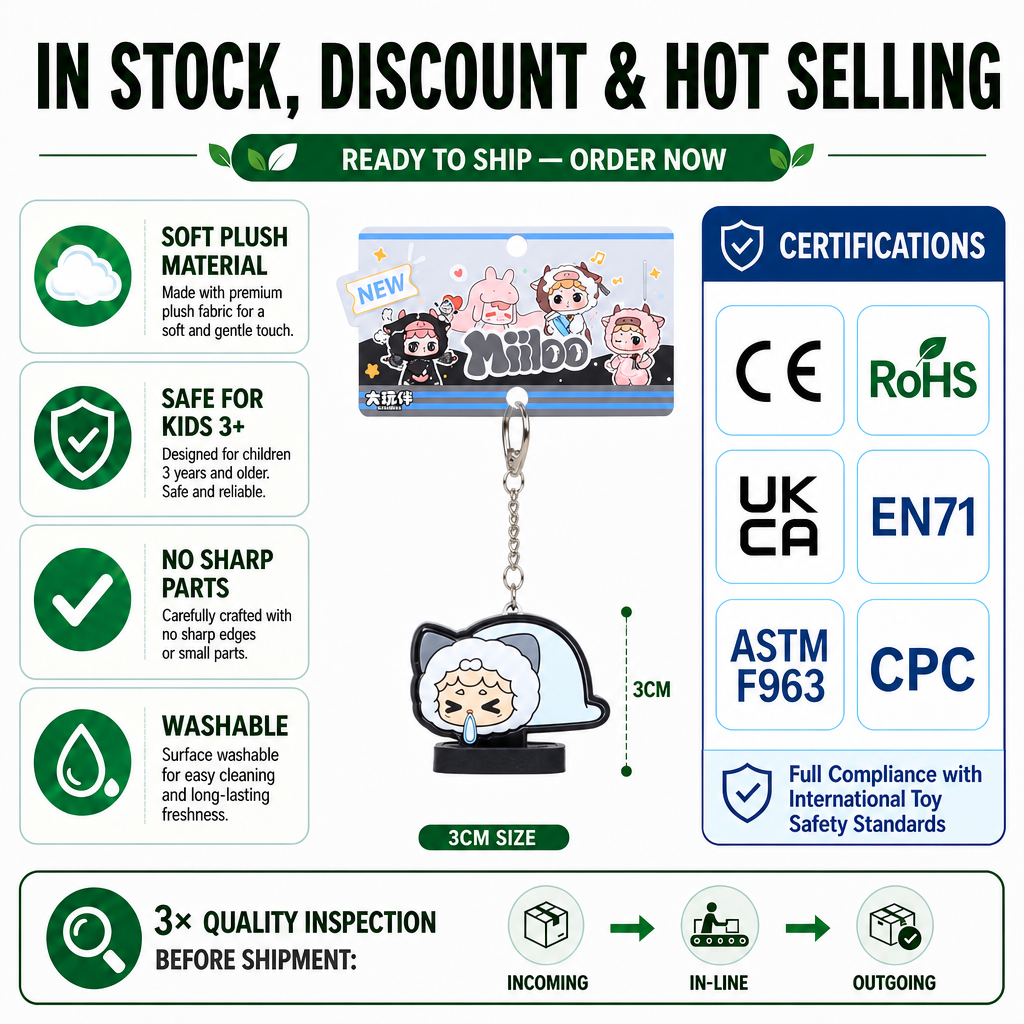
Wholesale Eco-Friendly PVC Cartoon Animal Design Phone Suction Cup Holder
- Food-Grade Silicone/PVC
- Custom Mascot Tooling
- Retail Blister Pack
1. Strategic Whitepaper: The Evolution of AI Digital Collectibles & Phygital Toys
The global designer toy and pop-culture collectible landscape is experiencing a fundamental paradigm shift. Traditional passive display vinyl figurines and blind boxes are rapidly integrating interactive micro-electronics, cryptographic near-field communication (NFC), and generative Artificial Intelligence (AI) speech algorithms. This integration gives birth to the "Phygital Collectible" (physical-to-digital) ecosystem. International toy importers, IP aggregators, and corporate brand managers require manufacturing partners that can bridge the gap between art-toy aesthetic craftsmanship and certified smart hardware engineering.
In this digital-physical convergence, collectibles do not simply stand on a display shelf. Embedded with dynamic cryptographic chips (such as NXP NTAG 424 DNA), each unit validates its decentralized provenance, prevents secondary market counterfeit duplication, and unlocks dynamic digital twin content across mobile applications, games, and web3 metaverses. Simultaneously, the integration of ultra-low-power edge AI microcontrollers (SoCs) and directional noise-cancelling microphones enables soft vinyl plush hybrids to converse naturally, learn individual user preferences, and provide ongoing emotional companionship.
As an OEM/ODM pioneer situated in Shenzhen's manufacturing heartland, Shenzhen Tuck Technology Co., Ltd. (Tuck Toys) pairs artisanal rotocast vinyl molding, multi-axis pad printing, and tailored plush tailoring with specialized cleanroom electronics integration. Whether crafting limited-run 500-piece boutique designer figures or deploying 100,000-unit blind box retail programs for Tier-1 retailers, our facility executes every phase under single-source accountability.
Edge-AI Voice Micro-SoCs
Micro-engineered acoustic speaker boxes and real-time offline/online natural language processing (NLP) embedded securely within plush and rotomolded vinyl cavities.
Cryptographic NFC Authentication
Anti-tamper, tamper-evident NTAG DNA microchips embedded beneath PVC skins to deliver non-replicable digital ownership certificates and mobile interactivity.
Precision Hybrid Material Engineering
Seamless co-molding of medical/food-grade PVC, ABS internal skeletal articulation, skin-friendly silicone, and high-pile embroidered plush fabrics.
2. Future Sourcing & Procurement Trends for AI Collectibles (2025–2030)
Procurement directors and brand sourcing executives must anticipate the evolving regulatory and technological shifts redefining smart collectible sourcing over the coming decade. Sourcing strategies cannot treat hardware, software, and physical molding as disconnected purchase silos.
A. Edge-to-Cloud Distributed Intelligence
Early iterations of smart talking toys suffered from significant audio latency due to pure cloud-dependent streaming. Future-proof product architectures now rely on hybrid Edge-to-Cloud topology. The collectible toy houses a lightweight onboard neural processing unit (NPU) capable of waking on voice commands, handling basic emotional expressions, and processing immediate tactile reactions offline. Complex generative conversations route via encrypted Wi-Fi or BLE 5.3 to secure parent-monitored Large Language Model (LLM) instances, dropping end-to-end conversation response latency below 800 milliseconds.
B. Circular Polymers and Eco-Compliant Materials
With escalating global eco-mandates—such as the European Union's Ecodesign for Sustainable Products Regulation (ESPR)—the custom toy industry is pivoting toward non-phthalate plasticizers, bio-based vinyls derived from renewable plant starches, and recycled ABS (rABS). Industrial buyers require manufacturing suppliers capable of proving heavy metal absence (lead, cadmium, barium, arsenic) while preserving the high-definition sculpting fidelity, gloss retention, and skin feel required by discerning collectors.
C. Stringent Child Privacy & IoT Cyber-Hardening
Smart interactive toys occupy a sensitive regulatory category at the cross-section of consumer electronics and children's products. Sourcing protocols must evaluate the manufacturer's firmware architecture against COPPA (Children's Online Privacy Protection Act) in North America and GDPR-Kids in the EU. Physical hardware must exclude unencrypted storage of user audio files, enforce hardware-level root-of-trust authentication, and feature dedicated physical hardware switches for microphone deactivation to satisfy compliance audits from testing bodies like TÜV Rheinland, SGS, and Intertek.
D. Decentralized Digital Twin Provenance
Secondary-market trading represents an immense value driver for limited designer toys and blind boxes. Incorporating immutable digital twins into collectible packaging enables IP licensors to secure royalty sharing across secondary transactions. Importers now mandate that factories embed encapsulated RFID/NFC chips directly during the rotational vinyl curing or injection molding phase, rendering physical extraction impossible without destroying the collectible figure.
3. Comprehensive Manufacturing Lifecycle: From 2D Concept to High-Volume Dispatch
Understanding the multi-tier engineering pipeline of custom OEM collectible toys empowers procurement specialists to streamline project schedules, eliminate costly re-tooling charges, and enforce strict Quality Assurance (QA) checkpoints.
3D CAD Sculpting
Converting 2D character sheets into precision ZBrush models with joint engineering & cavity planning.
Rapid Prototyping
High-resolution SLA resin 3D printing, circuit placement fit tests, and hand-painted master approval.
Steel Tooling
CNC machining of hardened S136 steel injection molds and electroformed copper rotocast tooling.
Casting & Molding
Automated vacuum rotational vinyl casting, dual-shot ABS injection, and SMT PCB assembly.
Artisan Detailing
Multi-color spray masks, automated pad printing, electrostatic flocking, and garment stitching.
Pack & Compliance
RF acoustic calibration, lightproof blind foil sealing, drop-test packaging, and global dispatch.
Engineering Tolerance & Mold Longevity
Tooling constitutes the largest single capital expenditure in collectible manufacturing. While low-grade silicone molds degrade after fewer than 50 casts (suitable only for resin garage kits), our production infrastructure deploys precision-machined steel (NAK80 or S136) injection molds rated for over 300,000 to 500,000 shots. For soft vinyl figures, rotational electroformed copper molds ensure zero surface pitting and uniform wall thickness distribution (±0.2mm), preventing deformation during the high-temperature curing process.
Finishing, Flocking, and Articulation Dynamics
Collectible aesthetics hinge on precision surface treatments. Our Shenzhen facility utilizes multi-step spray masks crafted from electroformed brass to deposit ultra-sharp gradients and line definitions without overspray. For ball-jointed figures (such as the NAGI 1/12 series), mechanical friction tolerances within polyoxymethylene (POM) joint assemblies are tuned within a ±0.03mm threshold. This level of precision guarantees fluid articulation without joint sagging or material fracture over repeated handling.
4. Enterprise Advantages: Why Global IP Brands Partner with Shenzhen Tuck Technology
Shenzhen Tuck Technology Co., Ltd. (Tuck Toys) operates as a premier full-service OEM/ODM manufacturing partner dedicated to character-driven enterprises, indie designer studios, entertainment franchises, and global gift distributors. Our end-to-end operational capabilities eliminate the friction, risks, and communication overhead common when working with fragmented sub-contractors.
Shenzhen Hardware Ecosystem
Located directly within the world's most advanced electronics and rapid manufacturing hub. We source micro-sensors, custom audio drivers, and specialty polymers within a 48-hour localized perimeter.
Flexible Pilot Runs & Scalability
We mitigate client commercial risk by supporting agile pilot batch production (from 1,000 units) to test consumer appetite before ramping to high-capacity multi-cavity mass runs.
Strict Non-Disclosure & IP Security
Your intellectual property remains non-negotiably protected. We operate under rigorous, enforceable bilateral NDAs, secure in-house mold vaulting, and strict bans on client mold multi-tenancy.
Turnkey Electronic Integration
Our dedicated mechatronic engineering department integrates SMT circuit placement, wireless Bluetooth/Wi-Fi antennas, and rechargeable lithium-polymer battery modules certified under UN38.3 and MSDS.
In-House Blind Box Packaging
From mathematically controlled probability seeding (chase/secret edition insertion) to lightproof, tamper-evident anti-peek inner foil bags and rigid counter-top display cartons (PDQ).
Comprehensive Market Audits
Every product batch is formulated to pass ASTM F963 (USA), CPSIA, EN71 Parts 1-3 (EU), CE-RED (Radio Equipment Directive), UKCA, and California Proposition 65 requirements prior to release.