Featured OEM Products: Precision Engineering Meets Smart Interaction
From micro-joint articulated BJD collector editions to natural language conversational plush novelties, explore our signature OEM/ODM manufacturing executions engineered at our Shenzhen facility.
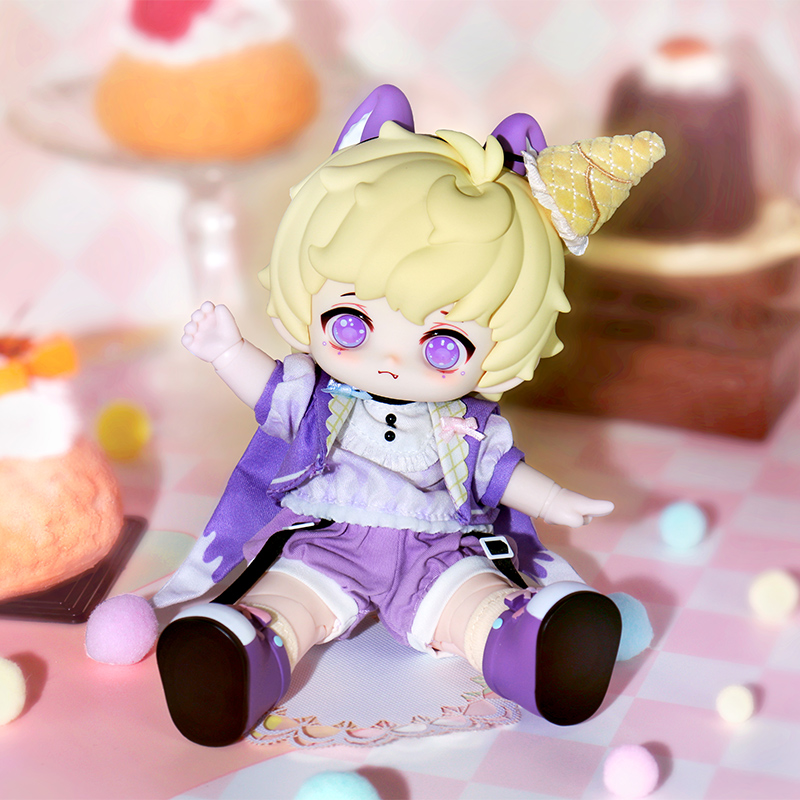
OEM Factory Custom PVC ABS Vinyl Hani Sweet Afternoon Tea Girl Series Blind Box Anime Action Figures Collection Phthalate Free
Get Catalog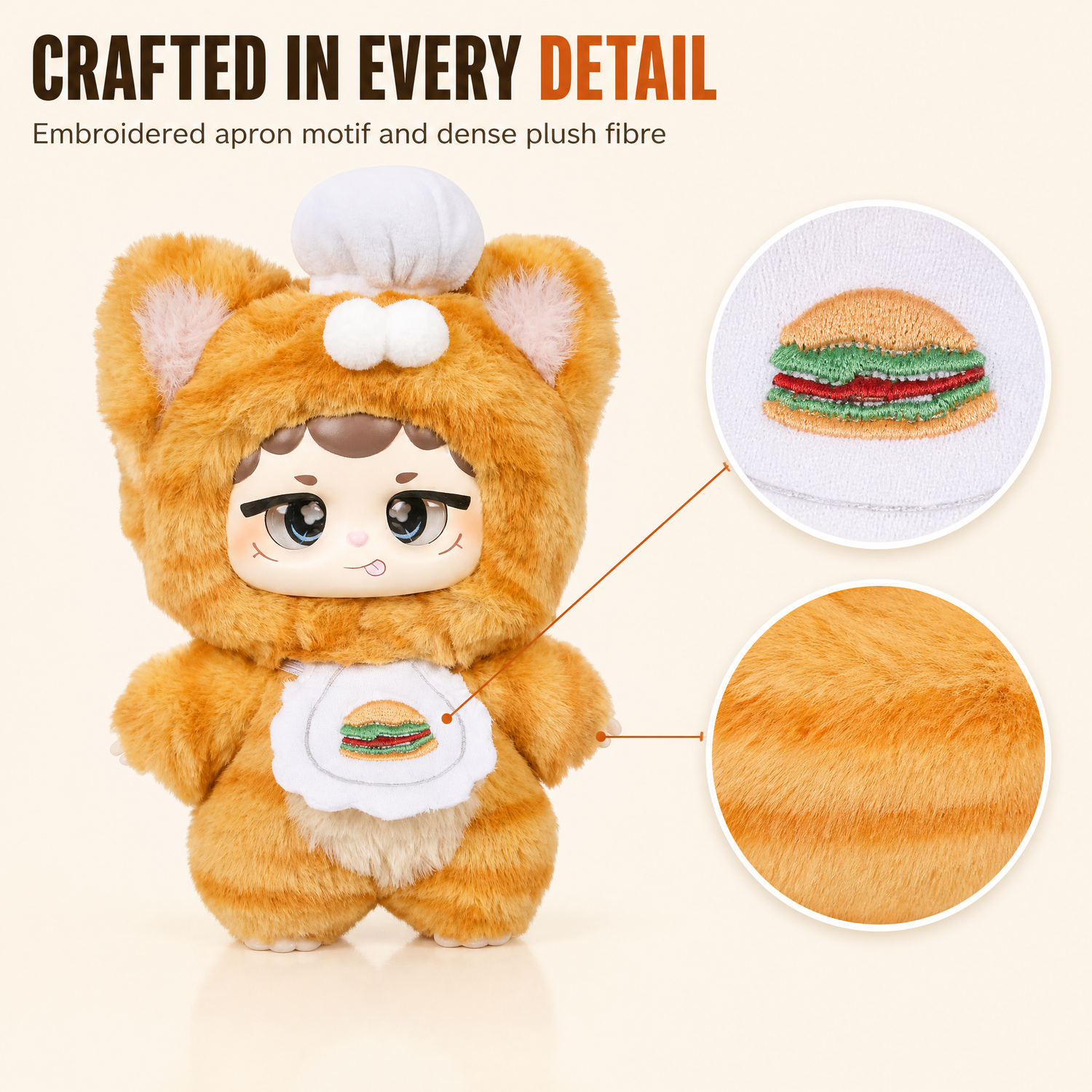
AI Plush Mystery Box Figure Doll Toy Finished Goods Colorful Animal Costume Collectible 18 cm Unisex
Get Catalog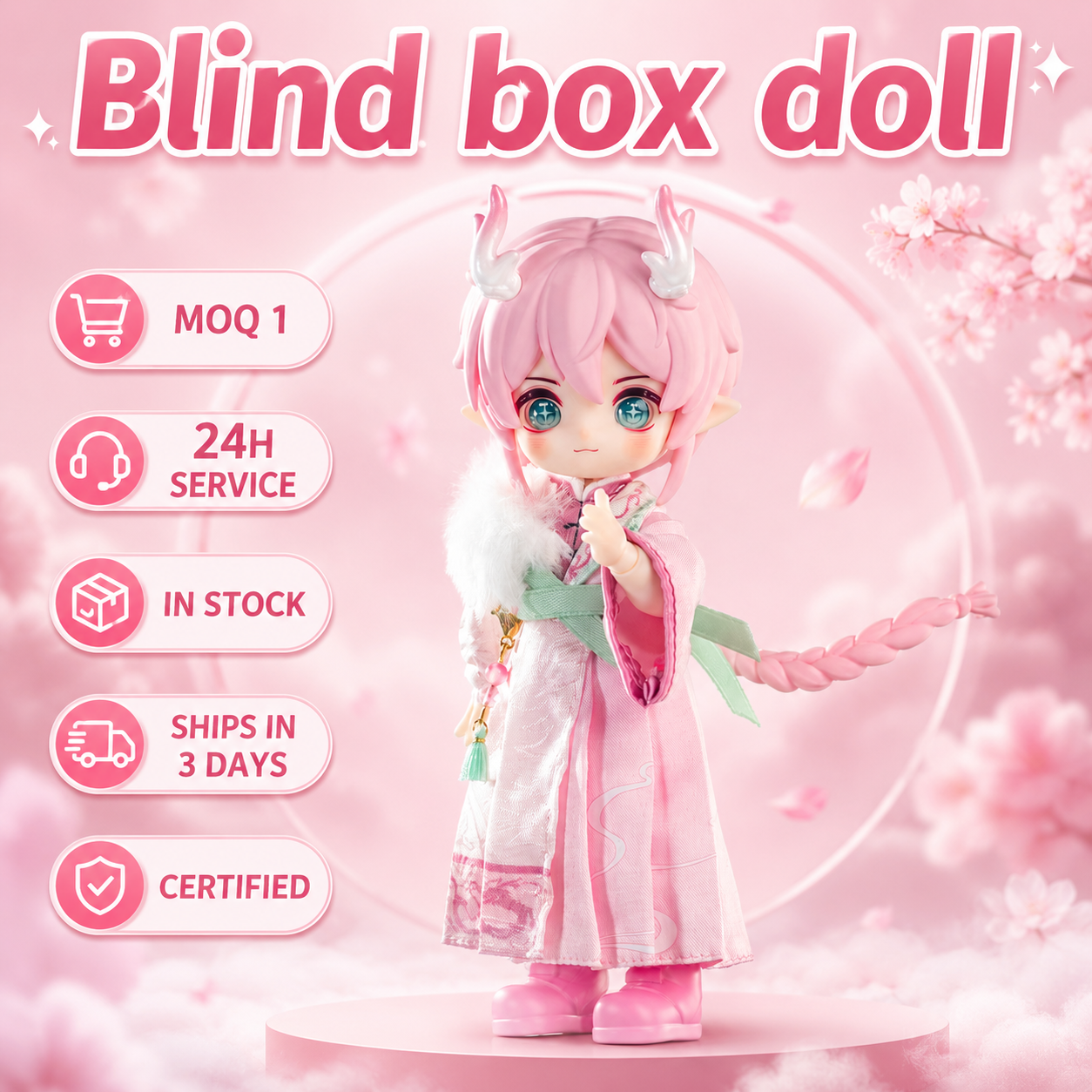
NAGI BJD Action Figures Blind Box,Fully Articulated Joints Doll,Removable Fabric Clothes Accessories,Premium Quality Collectible
Get Catalog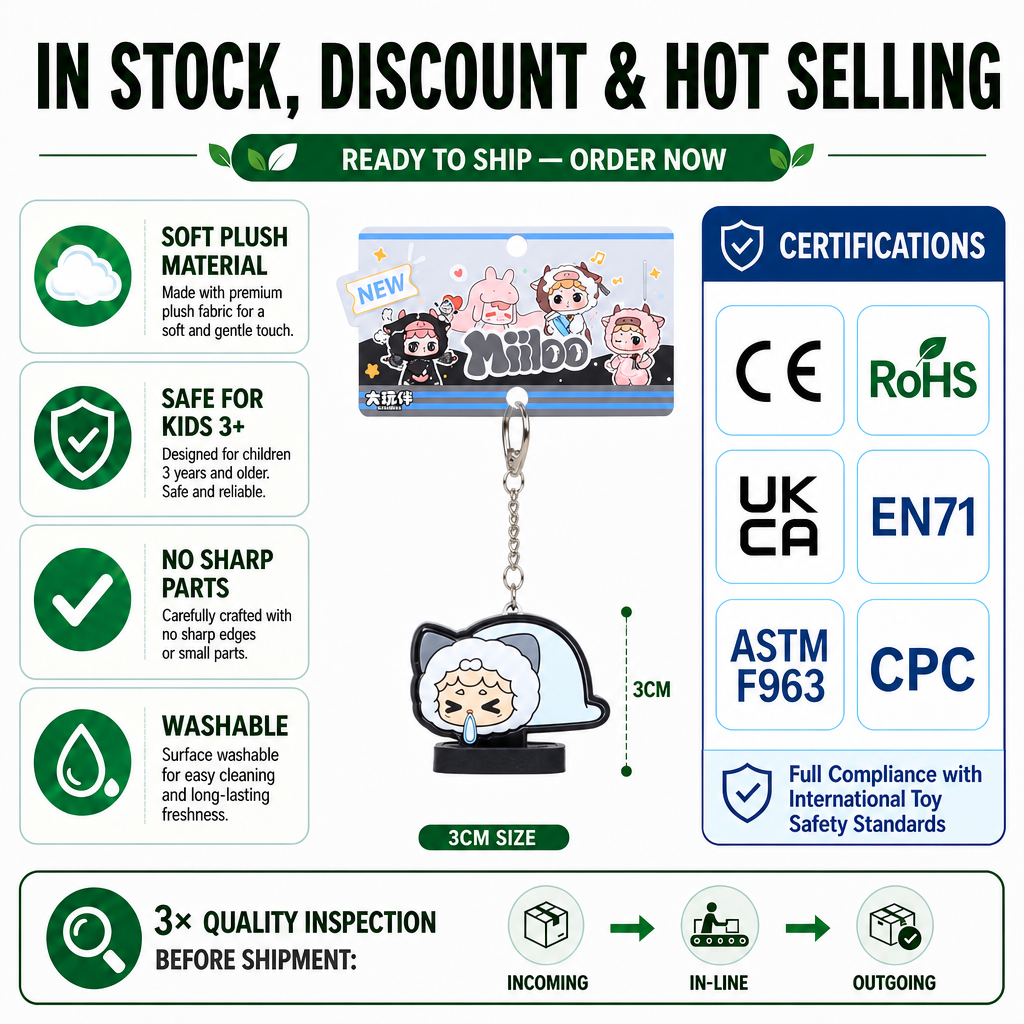
Wholesale Eco-Friendly PVC Cartoon Animal Design Reusable Sticky Phone Suction Cup Holder
Get Catalog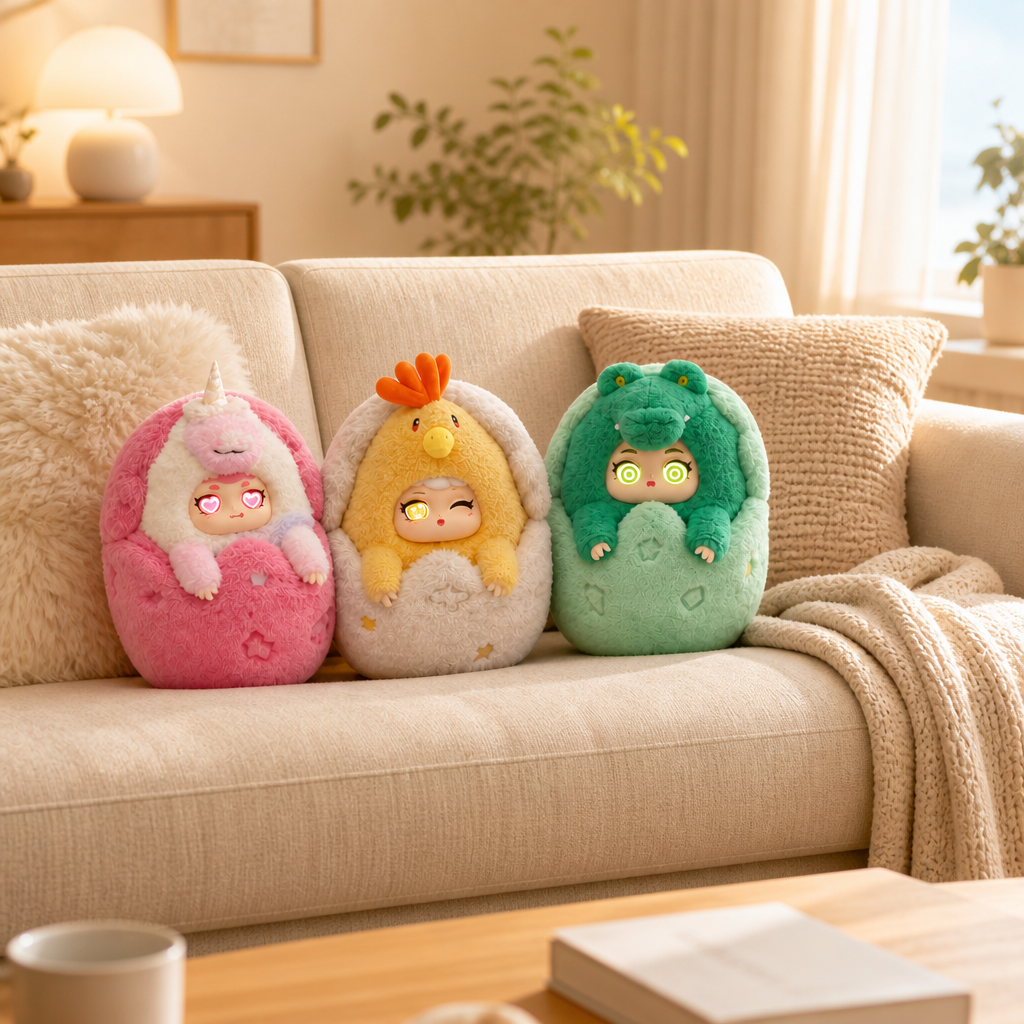
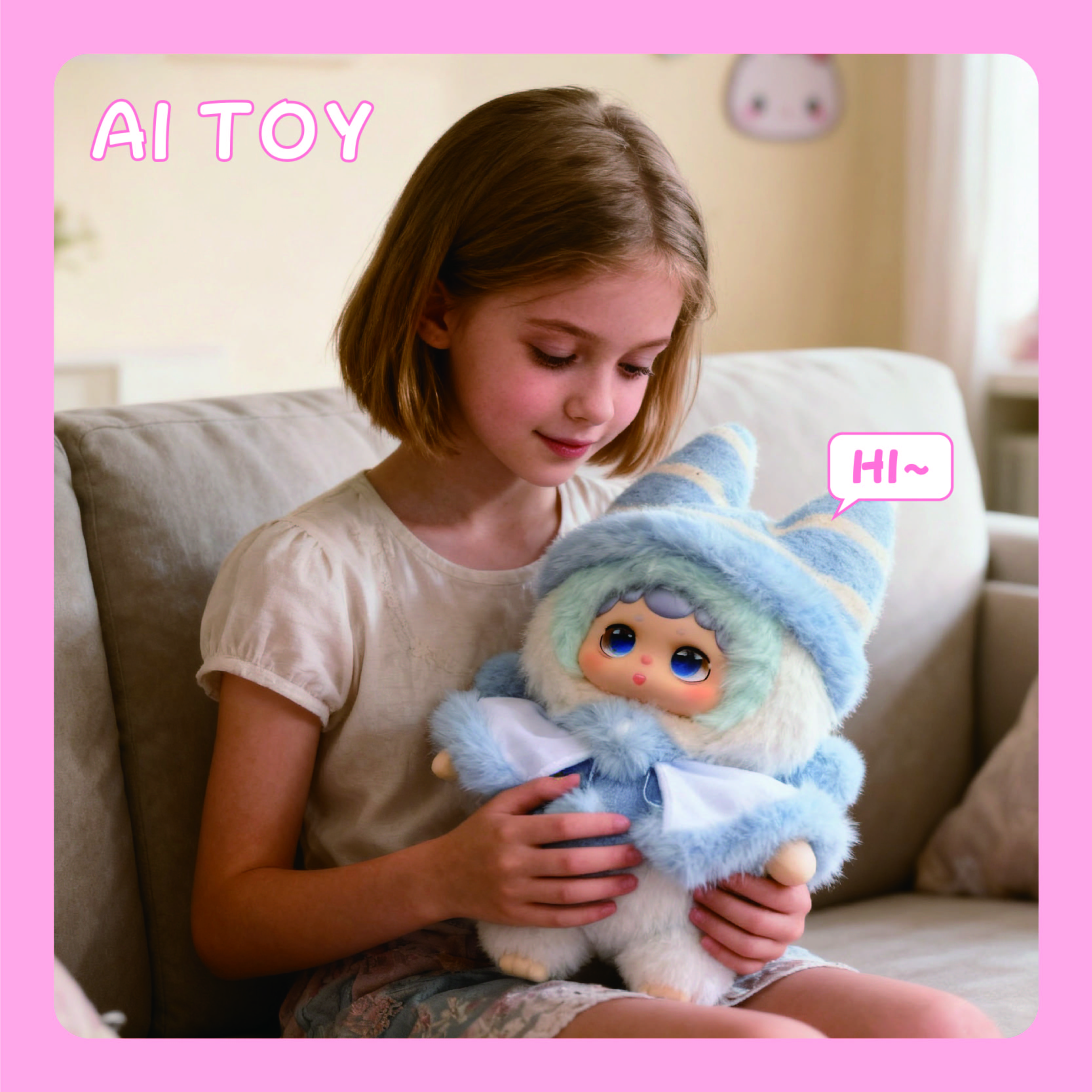
AI Interactive Plush Toy Smart Voice Talking Stuffed Companion Soft Novelty Gift for Collectors and Gift Shops
Get Catalog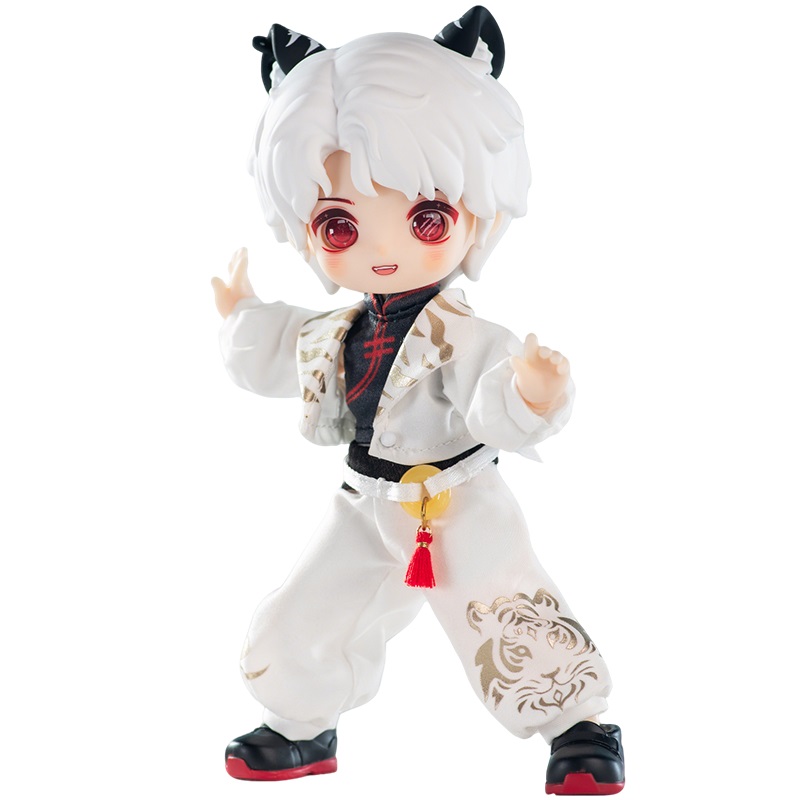
Premium NAGI Beast Cloud Ruins 1/12 MJD KongFu BJD Toy Blind Box Action Figures, Detachable Fabric Outfits
Get Catalog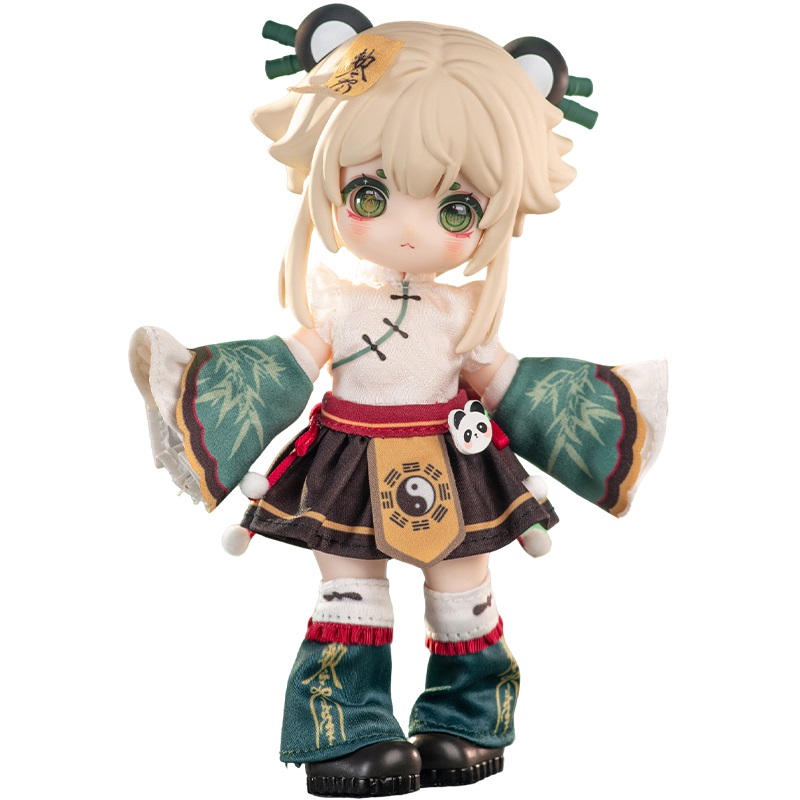
Future Procurement Trends in the Custom OEM AI Toy Sector (2025–2030)
Procurement executives and toy line directors are witnessing a structural migration from passive plastic collectibles toward emotionally resonant, smart interactive companions. This paradigm shift requires enterprise buyers to redefine their supplier qualification metrics.
In conventional toy procurement, sourcing matrices evaluate tooling lead times, unit costs (BOM), injection cavitation, and coating fidelity. When sourcing through an advanced custom OEM AI toy customization platform, technical audits must evaluate both polymer chemistry and embedded compute architectures. Modern procurement requires sourcing partners capable of handling hybrid manufacturing runs: joining high-precision ABS/rotocast vinyl structural shells with low-power microcontrollers (MCUs), digital signal processing (DSP) arrays, and localized speech models.
Hybrid BOM Optimization
Traditional sourcing focuses strictly on resin mass and mold cavities. Next-gen procurement demands comprehensive hybrid Bills of Materials encompassing silicon compute boards, power management ICs (PMIC), ultrasonic acoustic transducers, along with skin-safe rotocast vinyl and washable tactile plush.
Embedded On-Device Privacy Architecture
Regulatory pressures under COPPA (Children's Online Privacy Protection Act) and GDPR-K render standard cloud-tethered voice recorders commercially non-viable for international retail. The procurement trajectory favors on-device neural voice inferencing without persistent cloud surveillance.
Modular Scalability & Pilot Validations
Global brands now mandate agile supplier engagements: short-run rapid tooling protocols (500 to 2,000 units) for creator-led blind box series and market tests, followed by industrial cavitation scaling for full-market consumer distribution across Europe and North America.
Technological Evolution: From Static Resin Figurines to Generative Companions
The history of character merchandising shows clear evolutionary milestones. The table below illustrates the shift toward responsive, generative physical collectibles:
| Generation | Core Materials | Interactive Level | Engineering Bottleneck | Market Paradigm |
|---|---|---|---|---|
| Gen 1: Static Collectibles | Cold-cast Resin, Standard PVC | Passive Display / Zero Interaction | Shrinkage, brittleness, paint migration | Designer shelf pieces, gallery art toys |
| Gen 2: Articulated & Blind Box | Injection ABS, Rotocast Vinyl, POM Ball Joints | Mechanical articulation, poseable fabric BJD | Tolerancing decay, joint friction retention | Pop culture mystery boxes, IP blind boxes |
| Gen 3: Scripted Electronics | Plush-encased ABS shells, reed switches | Pre-recorded fixed audio playback | Mechanical fatigue, fragile speaker soldering | Early interactive children's novelty toys |
| Gen 4: Generative Edge-AI Toys | Bio-based Vinyl, Antibacterial Plush, Silicon NPU | Edge LLM conversational speech, contextual memory | Thermal dissipation inside closed soft plush | Healing companions, desktop interactive IP |
Engineering a Gen 4 toy requires deep thermal and materials know-how. When embedding high-speed microchips inside stuffed plush animals or rotocast PVC figures, heat dissipation, battery housing shock absorption, and acoustic echo cancellation (AEC) must be engineered without altering the character's proportions or plush hand feel.
Why Global Brands Partner with Shenzhen Tuck Technology
Shenzhen Tuck Technology Co., Ltd. (operating the Tuck Toys engineering platform) serves international brand houses, toy publishers, and character licensing holders through end-to-end OEM and ODM support.
Direct Shenzhen Manufacturing Line
Eliminating intermediary trading overhead, our facility provides unified tool design, mold cavity fabrication, pad-printing mask creation, and automated assembly directly in the manufacturing hub of Shenzhen.
Certified Chemical & Mechanical Safety
All raw polymers (PVC, ABS, POM, Vinyl) and synthetic textiles are certified phthalate-free, non-toxic, and heavy-metal compliant under EN71 (Parts 1, 2, 3), ASTM F963, CPSIA, and UKCA standards before mass production.
Proprietary IP Vault & Confidentiality
We sign bilateral, enforceable non-disclosure agreements (NDAs). Steel tooling, digital 3D topology files, secret edition blind box ratios, and firmware source codes remain strictly protected on segregated internal servers.
Frequently Asked Questions (FAQ) for Enterprise Toy Importers
Practical technical details, safety standards, and logistical information for supply chain directors.
Q: What are the standard Minimum Order Quantities (MOQ) for custom AI and blind box series?
MOQs depend on tooling complexity, materials, and hardware integration. For standard rotocast vinyl and injection PVC blind boxes, production runs typically begin at 1,000 to 2,500 units per sculpt. For integrated AI interactive plush toys containing custom PCBAs, initial runs can be configured starting at 500 to 1,000 units to support commercial market testing.
Q: How does the factory manage child privacy regulations for AI voice modules?
Our AI architecture supports offline, on-device edge computing using embedded neural chips, avoiding external server streaming of children's voice patterns. For cloud-connected designs, we deploy zero-knowledge encryption pipelines that comply with COPPA, GDPR-K, and California Age-Appropriate Design Code frameworks.
Q: What is the standard production timeline from 2D character turnaround to freight dispatch?
A full OEM cycle typically spans 45 to 75 business days: 3D digital sculpting and clay-render verification (7–10 days), physical rapid prototype output (5–7 days), high-grade steel/copper mold tooling (20–30 days), and final injection, spray masking, assembly, and pre-shipment QC (20–25 days).
Q: Can your facility handle complex hybrid fabric and articulated vinyl assemblies?
Yes. Our production lines combine injection-molded POM mechanical skeletons, rotocast vinyl head sculpts, customized printed/embroidered textiles, and micro-electronic enclosures under a single ISO-compliant manufacturing flow, ensuring unified color and structural tolerances.
Request Technical Whitepapers & Engineering Catalogs
Send us your 2D sketches, 3D turnaround files, or hardware specifications. Our engineering team provides free Design for Manufacturing (DFM) reviews within 24 hours.
Get Catalog