Engineered Collectibles & AI Interactive Figurines
Browse our turnkey commercial figure lines developed using proprietary precision tooling, plush-vinyl hybridization, and integrated voice processing chips.
The Generative AI Paradigm in Custom Toy Figure Manufacturing
The global art toy, mystery box, and smart interactive toy industries are witnessing a foundational shift. As consumer expectations shift from static decorative figurines toward emotionally responsive, highly tactile, and digitally augmented physical companions, procurement heads and brand licensing executives are forced to overhaul conventional toy manufacturing methodologies. Shenzhen Tuck Technology Co., Ltd. (Tuck Toys) is leading this industrial convergence by combining advanced generative parametric modeling (AI Figure Generator workflows) with high-precision manufacturing, rotocast vinyl molding, and micro-electromechanical smart sound integrations.
1. From Neural Generation to Sub-Millimeter Tooling: The Engineering Pipeline
Traditional OEM toy fabrication often encounters costly bottlenecks during the ideation-to-tooling phase: multi-angle concept sketches typically require weeks of manual revisions before an industrial 3D modeler can output a manifold mesh suitable for tooling. Our integrated Custom OEM AI Toy Figure Generator infrastructure resolves this friction. By utilizing fine-tuned neural models trained on ergonomic proportions, draft angle mechanics, and wall-thickness safety parameters, our design systems convert single-view concept art or character descriptions into production-ready STEP or STL CAD files in hours instead of weeks.
Once finalized, the topology undergoes automated finite element analysis (FEA) to verify drop-impact resistance, joint torque tolerance for ball-jointed dolls (BJD), and shrinkage compensation for non-phthalate PVC, ABS, and polyoxymethylene (POM) skeletons. This digital engineering rigor ensures that when molds are cut via multi-axis CNC machines or electro-discharge machining (EDM), the physical outputs eliminate air bubbles, flash lines, and dimensional discrepancies on the assembly floor.
2. The Convergence of Hardware: Rotocast Soft Vinyl, Injection ABS, and Interactive Plush
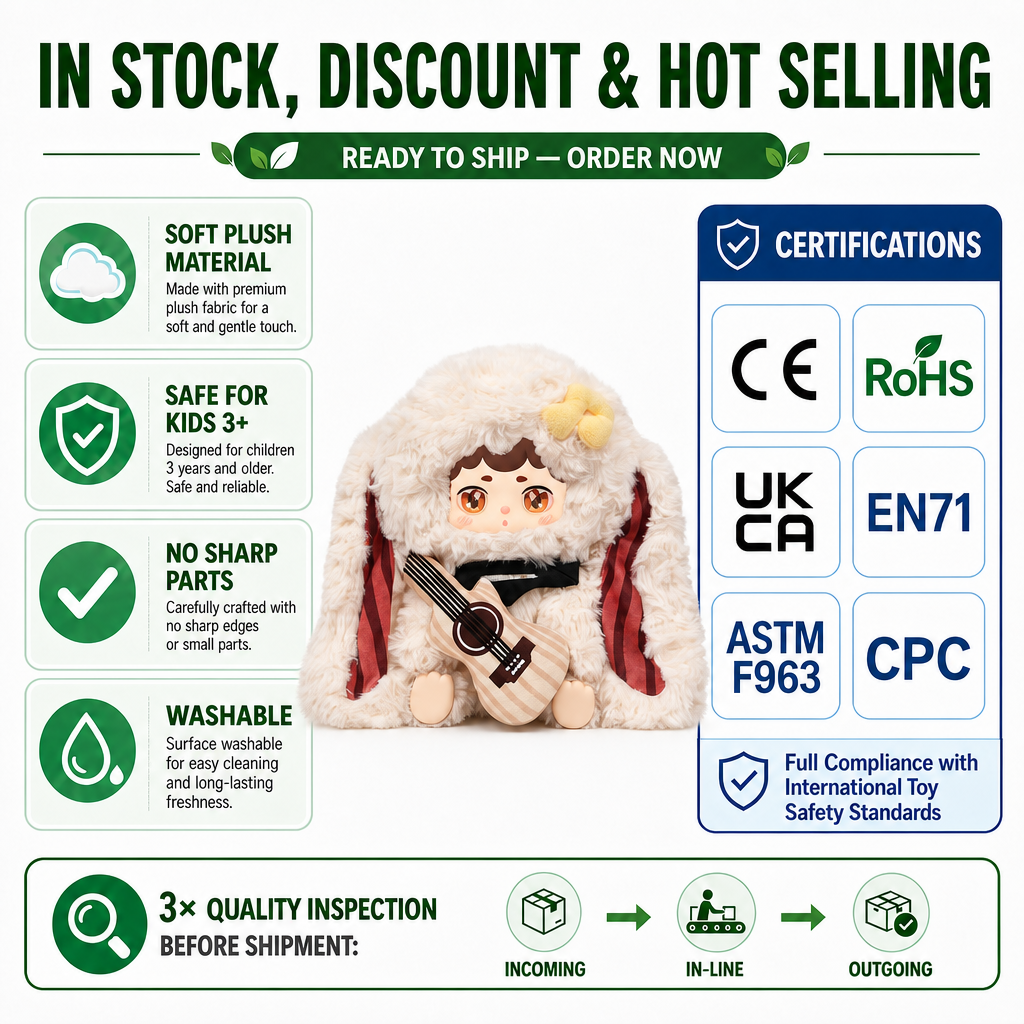
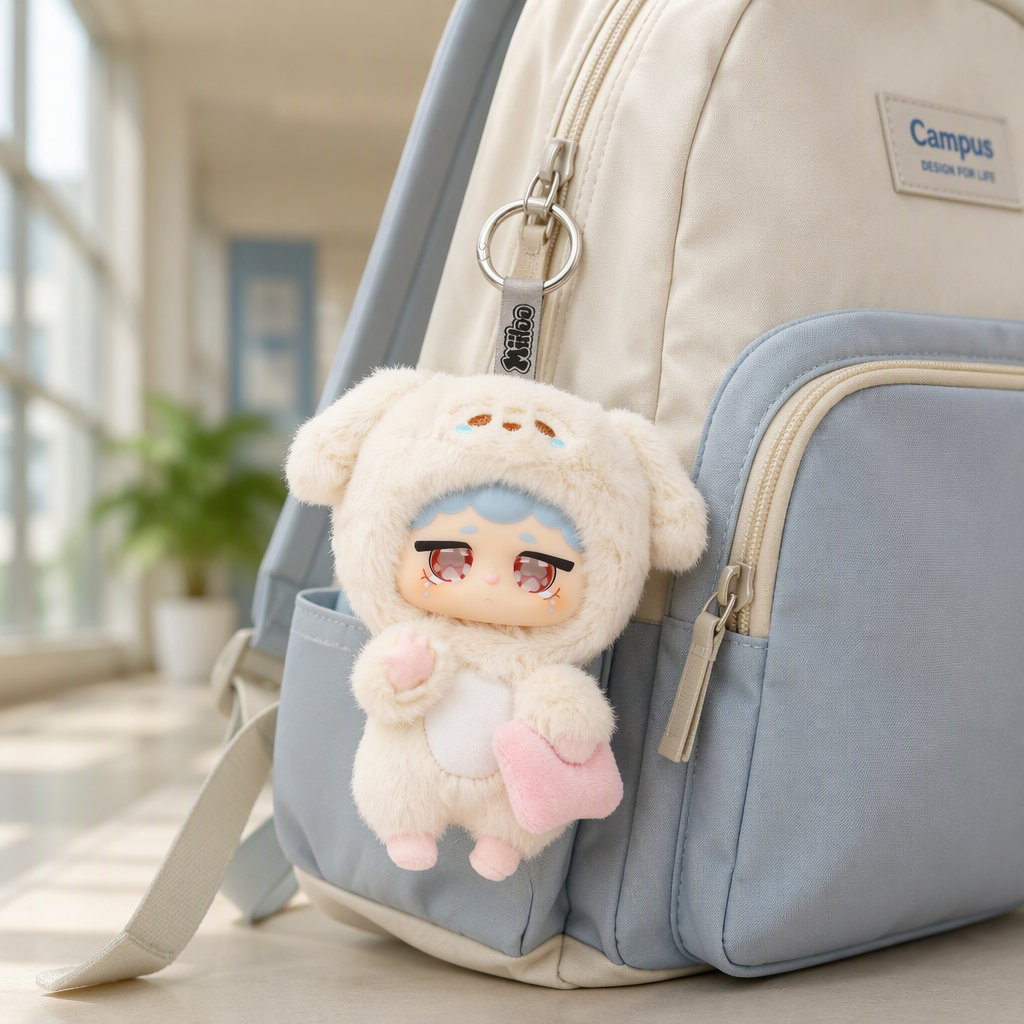
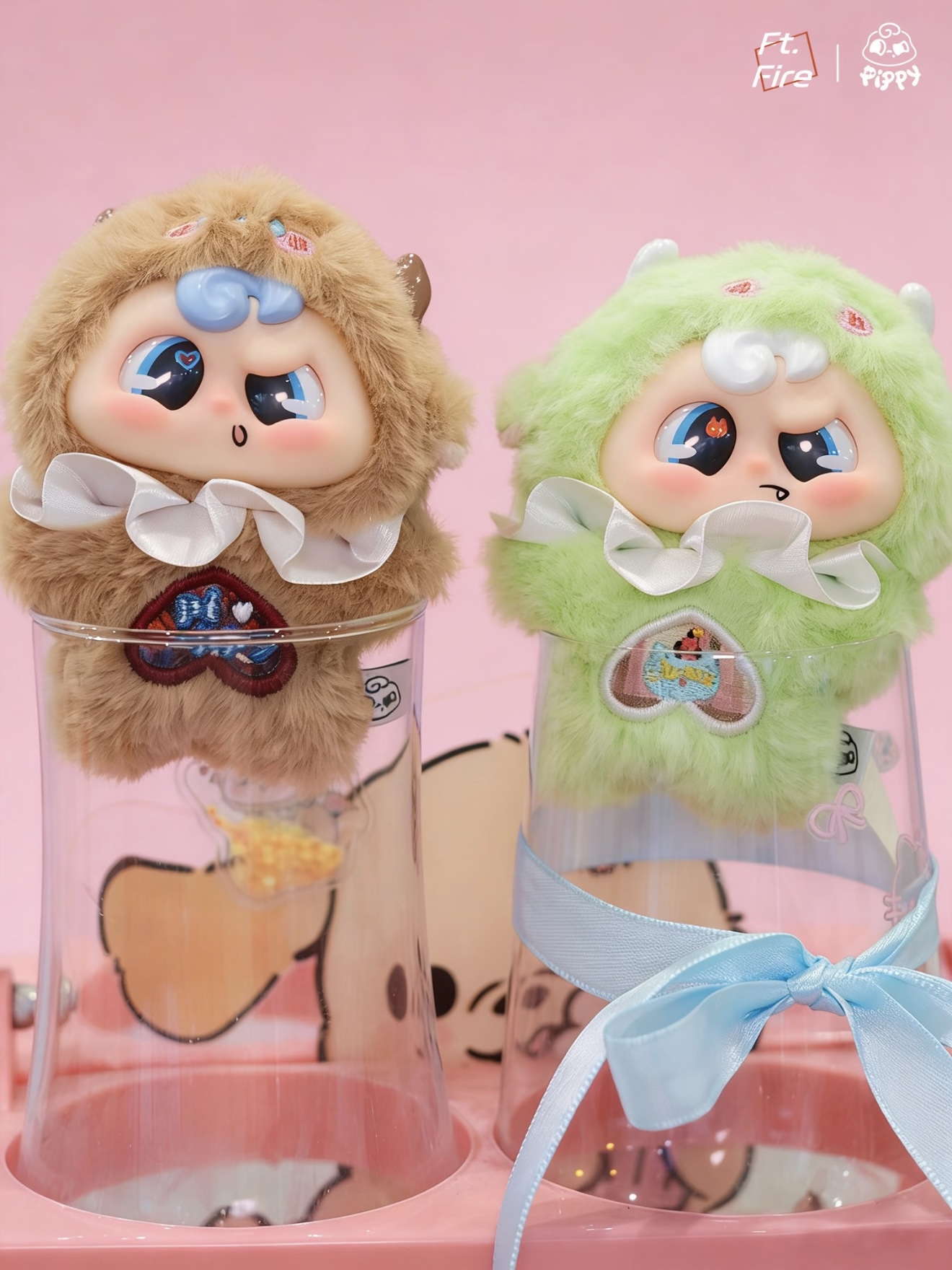
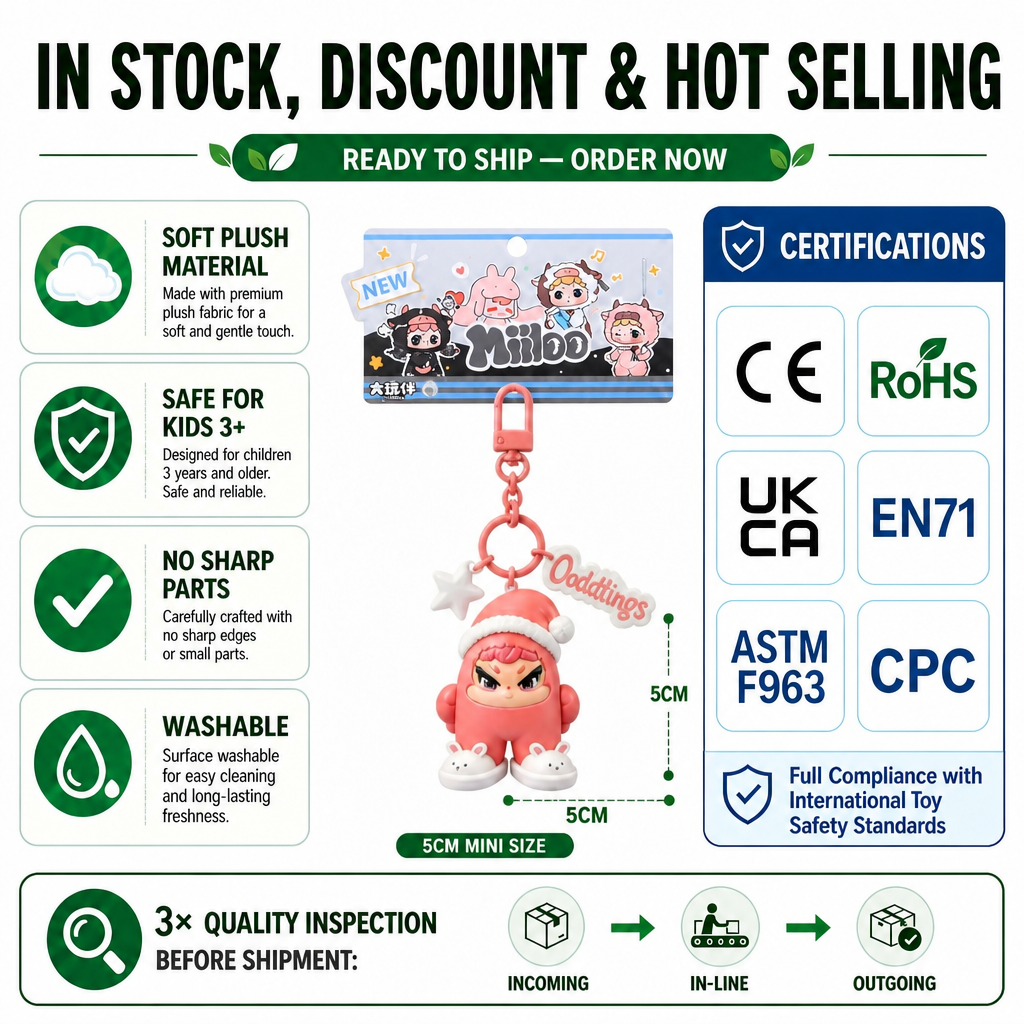
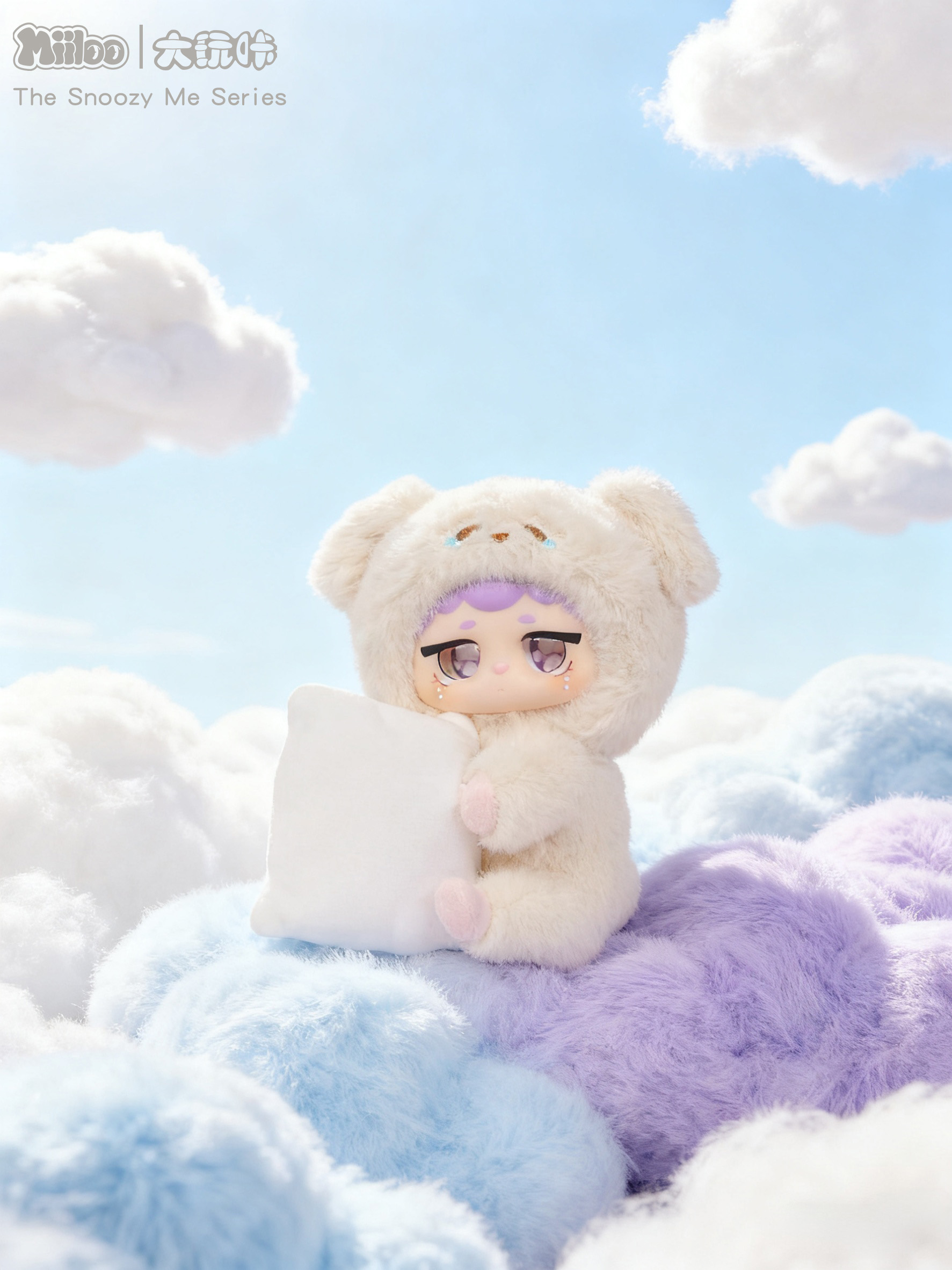
Modern consumers demand tactile variety. As evidenced by our proprietary Miiloo and Snoozy Me character universes, high-growth collector markets are moving away from monolithic plastic figures. The prevailing commercial standard is the hybrid collectible: an injection-molded PVC or rotocast vinyl head married to an articulated armature, clad in custom tailored garments and wrapped in ultra-soft micro-plush textiles.
Furthermore, the integration of edge AI microcontrollers, low-power BLE 5.3 chips, and high-fidelity noise-cancelling microphone arrays is defining the next generation of smart companion toys. Our facility specializes in housing these sensitive electromechanical assemblies inside dual-cavity shockproof shells within plush doll bodies, guaranteeing safe interaction, low heat emission, and seamless compliance with universal child safety directives.
3. Enterprise Core Competencies & Shenzhen Supply Chain Advantages
Based in Shenzhen—the undisputed epicenter of advanced micro-manufacturing and precision hardware engineering—Tuck Technology maintains end-to-end oversight over the manufacturing lifecycle. Our manufacturing infrastructure eliminates subcontractors:
• Proprietary Prototyping Labs: High-speed SLA/SLS stereolithography and industrial PolyJet 3D printing allow buyers to inspect hand-painted masters within 72 to 96 hours of digital sign-off.
• Advanced Tooling Workshops: Precision steel tooling for high-run injection PVC/ABS figures, alongside beryllium-copper and electroformed nickel molds designed for uniform wall-thickness rotocast soft vinyl toys.
• Surface Finishing Excellence: Cleanroom dust-free spray-painting lines, semi-automatic pad printing stations capable of registering up to 14 microscopic colors, electrostatic flocking, and scratch-resistant matte UV topcoats.
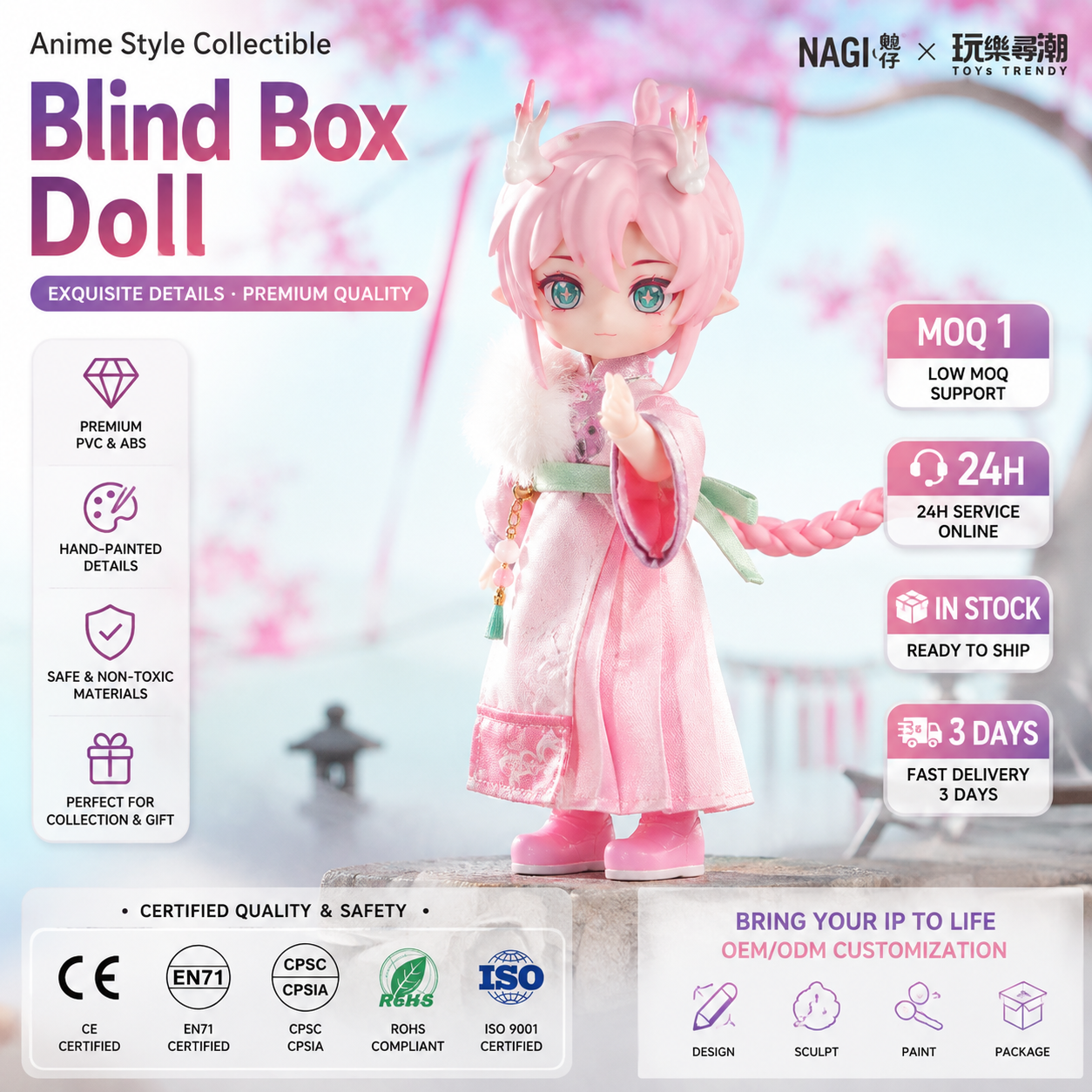
• Strict Compliance Infrastructure: Every batch is formulated using non-toxic, lead-free, and phthalate-free polymers strictly adhering to EN71-1/2/3, ASTM F963-23, CPSIA, CE, and UKCA international requirements.
Future Sourcing & Industry Trends (2025–2030)
Anticipate market dynamics, material innovations, and consumer behavior shifts before formulating your annual retail purchasing strategy.
Phygital & LLM-Powered Edge Interaction
Statues and blind boxes are integrating NFC chips linked to unique on-chain digital twins. Concurrently, plush and vinyl figures are adopting on-device edge AI processors for real-time natural language storytelling, moving toy retail from passive display objects to perpetual emotional companions.
Agile Tooling & Micro-Batch Validation
High mold amortization costs once locked emerging IP creators out of the market. The industry is trending toward hybrid aluminum tooling and modular master-mold inserts. This engineering leap enables pilot test runs of 500 to 1,000 units, lowering initial capital risk while accelerating time-to-market.
Bio-Polymers & Circular Packaging Mandates
Global import regulations—particularly within the European Union and North America—are enforcing extended producer responsibility (EPR). Forward-thinking procurement teams are transitioning to bio-based plasticizers, recycled PET plush fillings, and 100% biodegradable FSC-certified unboxing boxes.
Why Top Global Brands Partner With Tuck Toys
A vertically integrated production campus built to bring complex designer sketches to commercial reality with absolute consistency.
Guaranteed IP Isolation
Bilateral non-disclosure agreements, segmented cleanroom production zones, and zero unauthorized third-party tooling usage.
Advanced 3D Sculpting
In-house digital sculptors optimize character expressions, structural center-of-gravity, and mold parting lines prior to physical tooling.
Pantone Mastery
Precision optical spectrometry matching, airbrush gradients, flocking, metallic electroplating, and pad-printed facial detail fidelity.
Certified Quality Control
AQL 1.5/2.5 pre-shipment inspections, real-time tensile test records, seam pull tests, and verified drop-impact certifications.
Global Logistics Reach
Comprehensive export compliance documentation, palletized drop-testing, and reliable EXW, FOB, CIF, or DDP direct-to-warehouse delivery.
Frequently Asked Sourcing & Engineering Questions
Essential technical and operational insights for toy brand founders, procurement managers, and corporate merchandising directors.
Our industrial team takes your input (text prompt, 2D illustration, or multi-angle turnarounds) and builds a high-polygon subdivision CAD model. We account for mold shrinkage (typically 1.5% to 2.5% for rotocast PVC), draft angles to prevent undercut tears during demolding, and internal structural ribs. You review digital 3D renders with lighting setups, followed by a physical SLA hand-painted master prototype for physical sign-off before steel or copper tooling begins.
MOQ is primarily dictated by the chosen production methodology. For standard injection-molded PVC/ABS blind box series, typical MOQs are 2,000 to 3,000 units per character to amortize hardened steel mold tooling costs. However, for rotocast soft vinyl figures using electroformed nickel molds or plush dolls with vinyl elements, pilot runs of 500 to 1,000 units are fully feasible. We also offer multi-character modular mold cavities to reduce tooling expenditures for indie creator series.
We test our raw polymers, pigments, and synthetic plush textiles prior to mass processing. Products are engineered to pass EN71 Parts 1, 2, and 3 (EU), ASTM F963-23 (US), CPSIA lead and phthalate restrictions, REACH SVHC directives, and AS/NZS ISO 8124. For electronic AI voice units, we handle RED/FCC electromagnetic compatibility and UN38.3 lithium battery transportation safety testing through accredited partners such as SGS, TÜV, or Intertek.
We treat client intellectual property as our primary operational priority. We routinely sign binding Non-Disclosure Agreements (NDAs) prior to receiving proprietary artwork. All client-funded physical molds, dies, and digital source files remain the exclusive legal property of the client. Tooling is permanently stamped with your serial code, cataloged in secure physical tooling vaults, and never utilized for aftermarket runs or open-market catalog wholesale.
A standard project path follows a predictable timeline: 3D digital sculpt and revisions: 5–7 business days; 3D printed hand-painted physical sample: 7–10 days; mold design, CNC cutting, and tooling trials: 25–35 days; mass production, spray painting, assembly, and QC packaging: 30–45 days depending on run volume. In total, a first-run custom art figure project generally concludes within 65 to 90 calendar days.
Yes. We engineer complete retail-ready mystery box packaging architectures: light-blocking anti-static aluminum foil inner pouches, tamper-evident security tear strips, individual printed blind boxes with matte/gloss spot UV, and Point-of-Purchase (POP) display master cartons. We also manage random insertion protocols for secret, chase, or super-rare variant figures with verified statistical distribution curves to maintain consumer trust.
Transform Your Character Designs Into High-Yield Collectibles
Whether you are an established global entertainment franchise, an independent art toy designer, or a retail chain sourcing a proprietary private-label figure collection—our Shenzhen engineering team is prepared to analyze your 2D sketches or 3D files.
Send an Inquiry