Engineered Quality: AI-Enhanced & Precision Collectible Roster
Explore our export-grade toy platforms spanning interactive generative AI dialog characters, poseable BJD art figures, and multi-layer fabric collectibles inspected via industrial computer vision.
Technical White Paper: The Architecture of Custom OEM AI Toy Inspection
The consumer toy landscape is undergoing a radical paradigm shift. Traditional rigid plastic collectibles, blind boxes, and classic plush figurines are converging with computational microelectronics: on-device Large Language Models (LLMs), micro-acoustic speaker-mic arrays, high-density lithium polymer power cells, and dynamic capacitive sensors. This technological convergence elevates the procurement stakes. Sourcing smart AI toys is no longer merely a matter of visual plastic aesthetic approval; it requires rigorous hardware-in-the-loop (HIL) qualification, cryptographic firmware auditing, sound chamber validation, and precision mechanical yield engineering.
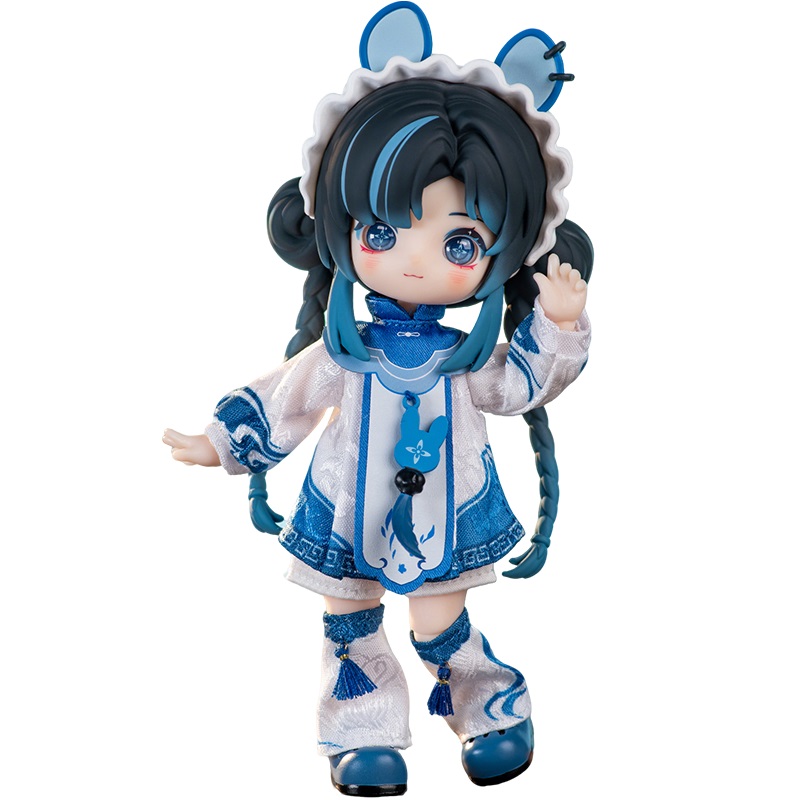
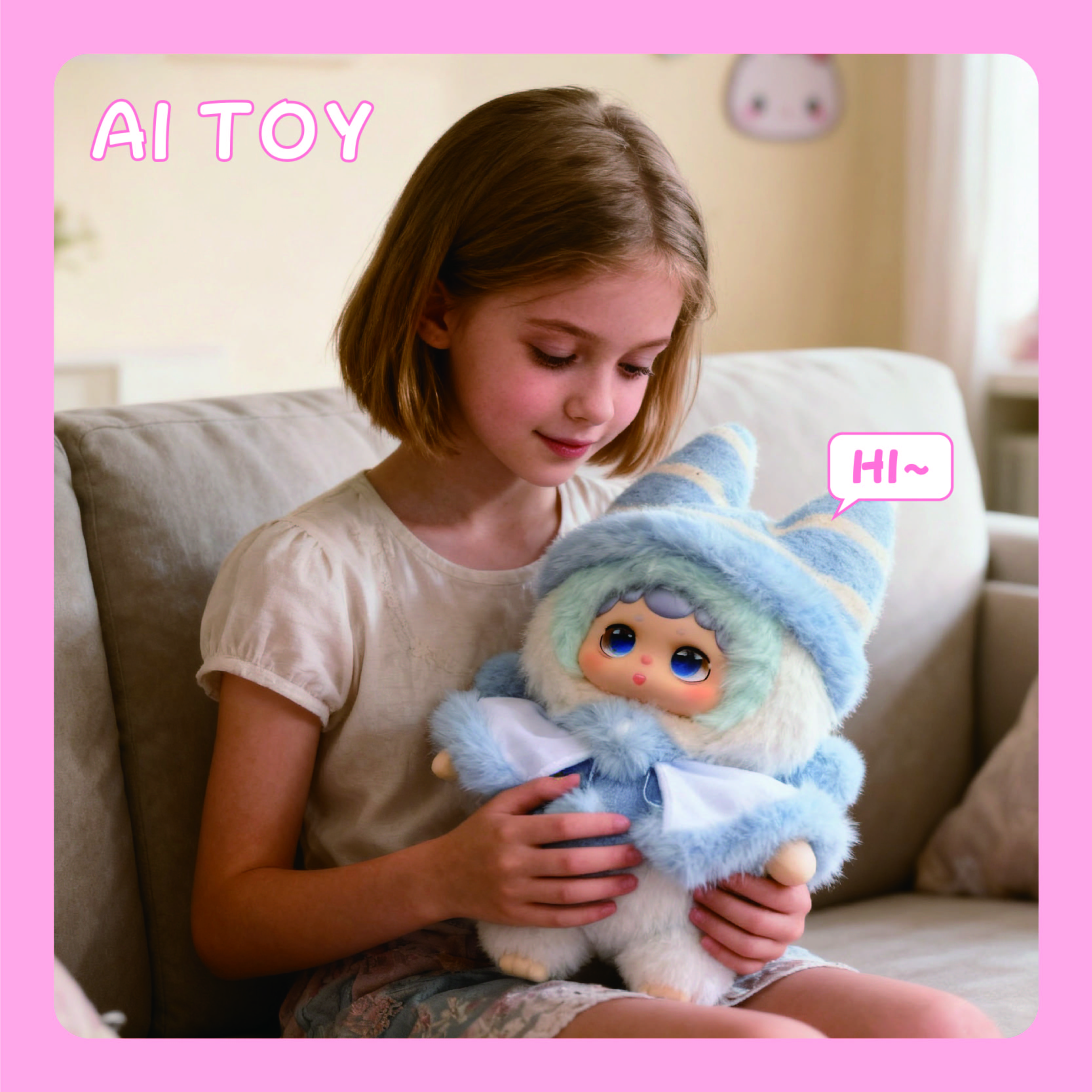
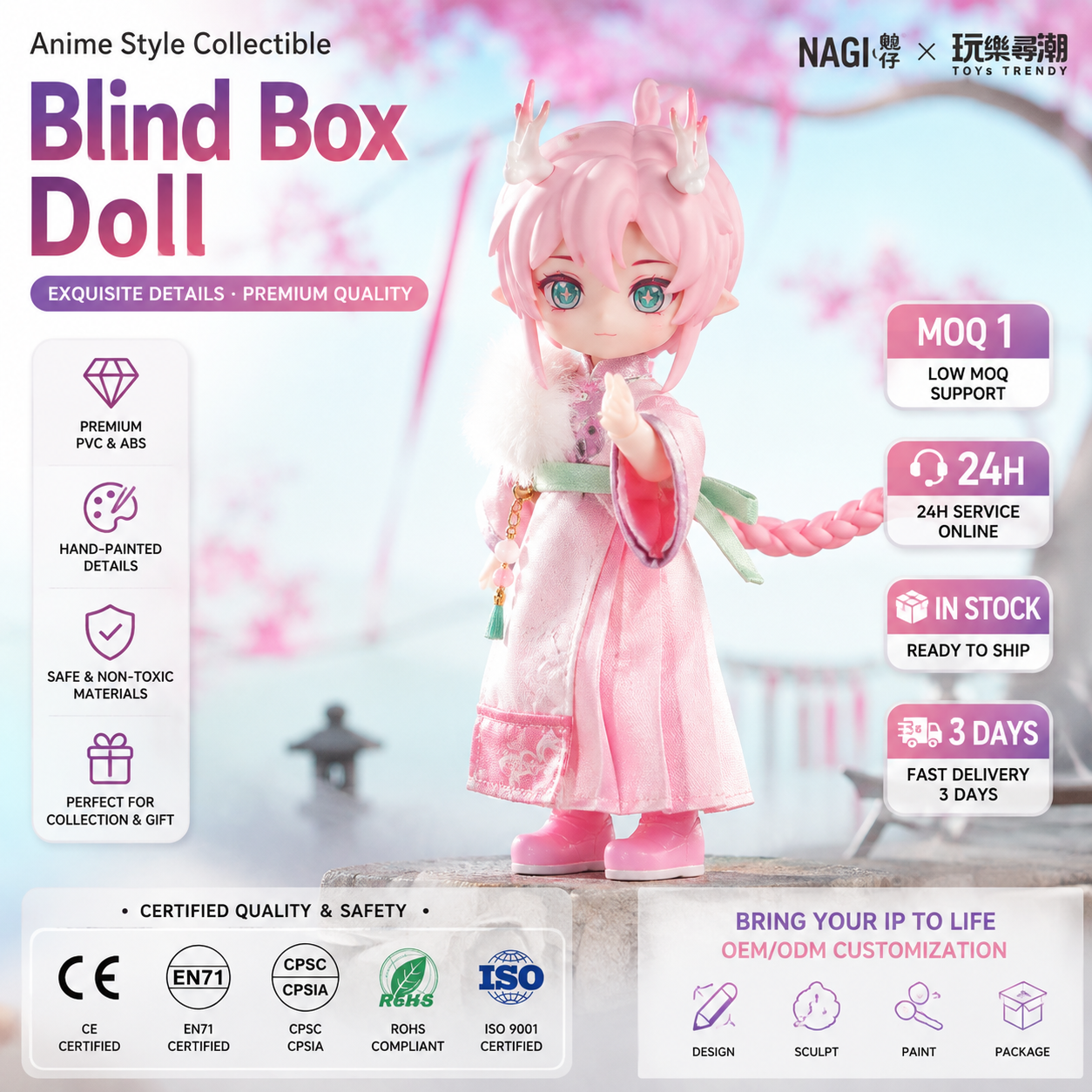
As an industry-leading OEM/ODM manufacturer and exporter based in the industrial hardware hub of Shenzhen, Shenzhen Tuck Technology Co., Ltd. (Tuck Toys) addresses this gap. Our dual-track manufacturing model synchronizes artisanal rotocast vinyl, high-precision ABS/PVC injection molding, and sophisticated electro-acoustic quality assurance (QA) frameworks. Whether executing blind-box collector art editions like the NAGI BJD series or complex interactive companions like the Miriat Intelligent AI Voice Fox, our metrology and inspection regimes ensure every single export unit satisfies the stringent safety standards of global consumer protection agencies.
Crucial Procurement Takeaway: Traditional third-party general inspection agencies often evaluate electronic interactive plush toys using outdated criteria meant for passive plush. Modern OEM AI toy qualification demands 100% stress-testing of neural processing units (NPUs), acoustic decibel threshold limits (EN 71-1 acoustic hazards), wireless radio emissions, and thermal throttling under charging load.
End-to-End Five-Dimensional Inspection Metrology
To eliminate high-cost cross-border warranty returns and safeguard importer brand reputation, our factory implements a proprietary 5-step Total Quality Inspection protocol across all custom OEM/ODM production runs:
1. Electro-Acoustic Calibration
Microphones and sound chambers are tested in anechoic chambers to measure signal-to-noise ratio (SNR), total harmonic distortion (THD), and strict compliance with EU 85dB SPL maximum exposure limits.
2. Edge Firmware & NPU Stress
Continuous dynamic runtime diagnostics prevent deadlocks, verify wake-word false positives (<1 per 24 hours), and audit microcode hashes against unauthorized remote code injection.
3. High-Stress Mechanical Joint Rigidity
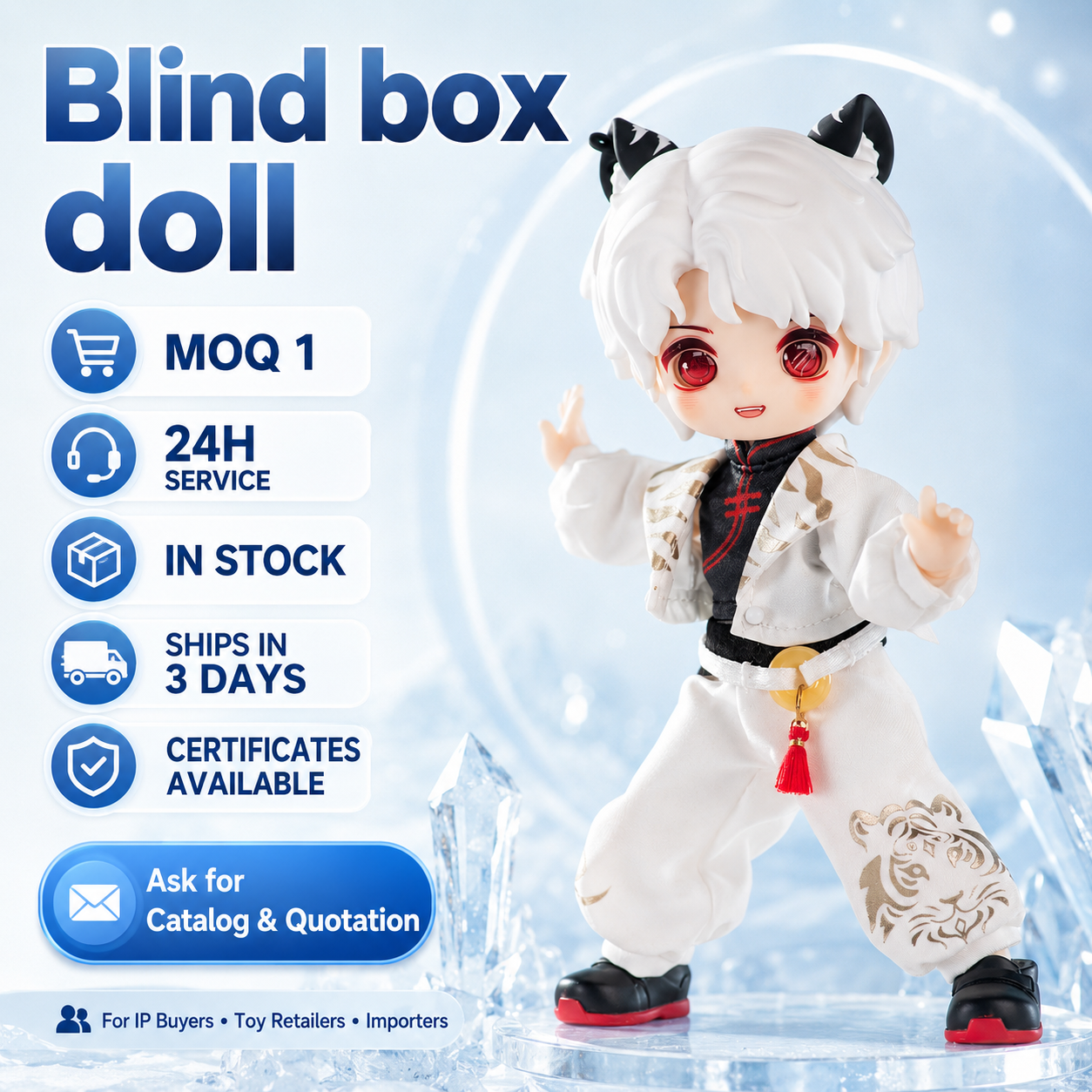
Ball-jointed mechanisms (such as 1/12 scale BJDs) endure 5,000 cycles of articulation testing under pneumatic pressure to ensure resistance to torque degradation, stripping, and sudden fracture.
4. Spectrophotometric Color Fidelity
Rotocast vinyl, ABS skins, and pad-printed facial features undergo strict color-matching checks under standard D65 illuminants, maintaining Delta E < 0.8 against master Pantone IP swatches.
5. Chemical & Heavy Metal Toxicology
Every raw plastic batch is tested via X-ray fluorescence (XRF) to ensure total absence of restricted phthalates (DEHP, DBP, BBP), lead, cadmium, and SVHC under REACH and CPSIA rules.
6. Thermal & Power Safety Cycling
Integrated battery enclosures undergo multi-stage puncture, overcharge, and thermal-imaging telemetry checks. Operating temperatures must remain under 38°C at continuous maximum compute loads.
Future Procurement Trends in the Smart OEM Toy Ecosystem
Strategic sourcing directors at retail brands and IP licensees are adjusting their supplier selection scorecards. Looking ahead to 2026–2030, several procurement vectors are redefining factory qualification requirements:
1. Privacy-by-Design and Offline Edge Processing: Global regulators (notably FTC COPPA in the United States and GDPR-K in Europe) are penalizing smart toys that stream ambient child audio unencrypted to remote servers. The future belongs to hybrid edge processing: toys that run lightweight speech recognition and emotive audio engines offline via low-power embedded DSPs, routing to cloud LLMs only under encrypted parental authorization. Importers must prioritize OEM suppliers who understand secure boot mechanisms, cryptographic hardware roots of trust, and zero-data-retention firmware engineering.
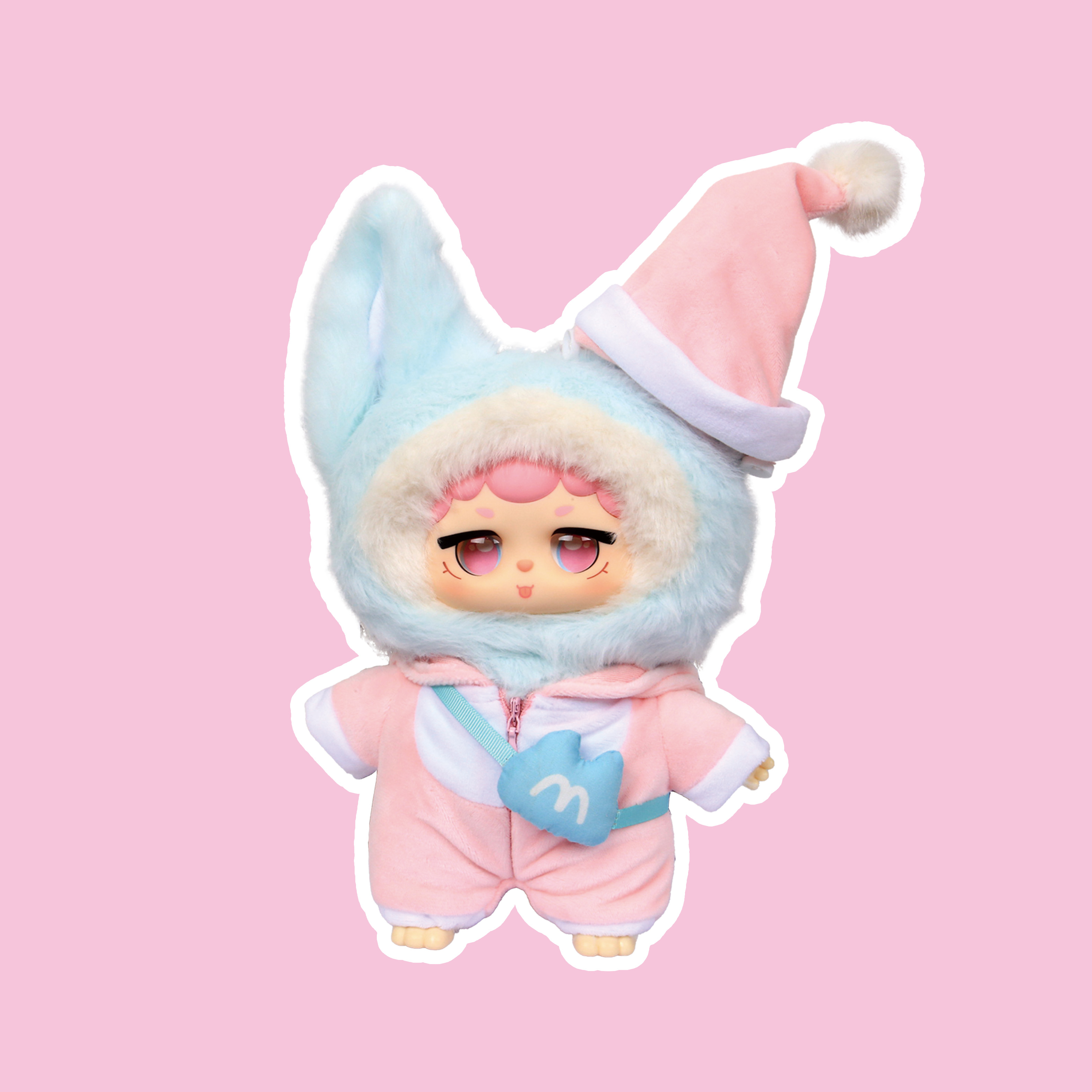
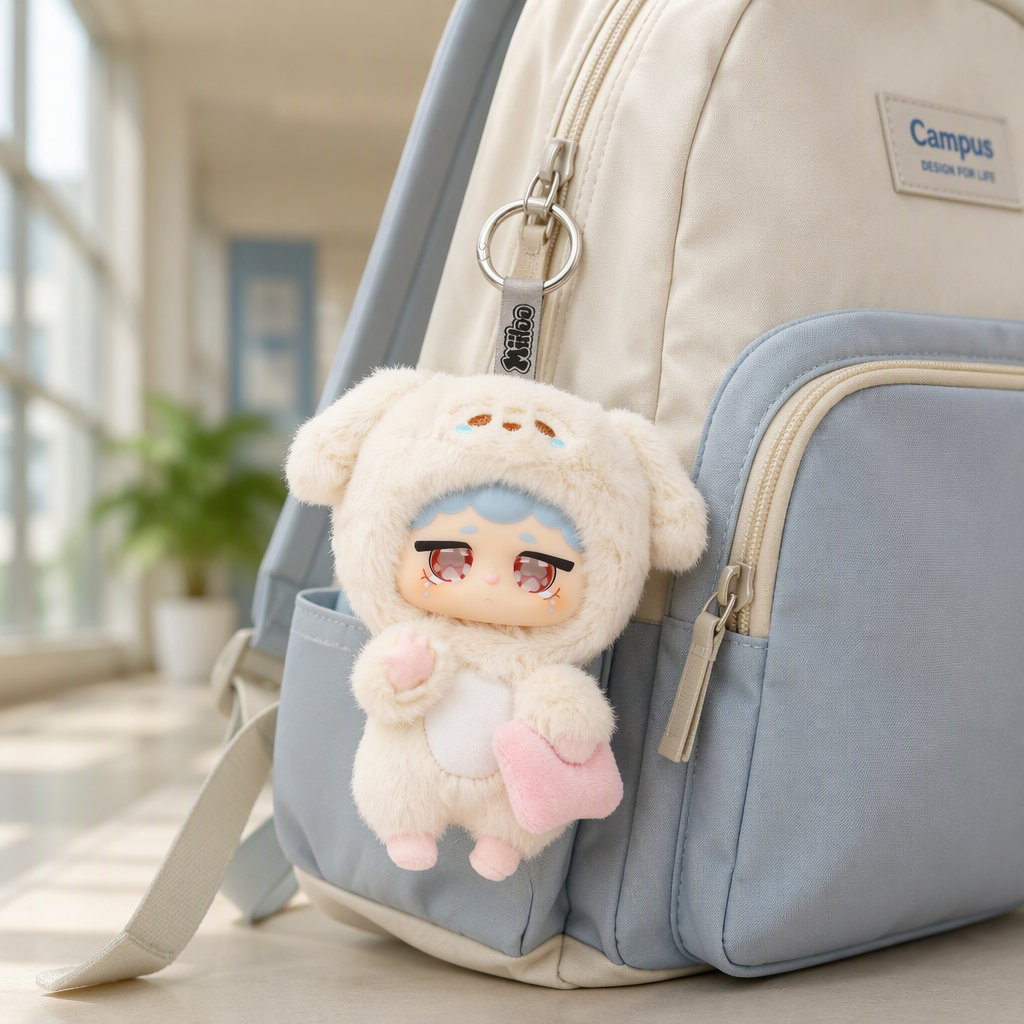
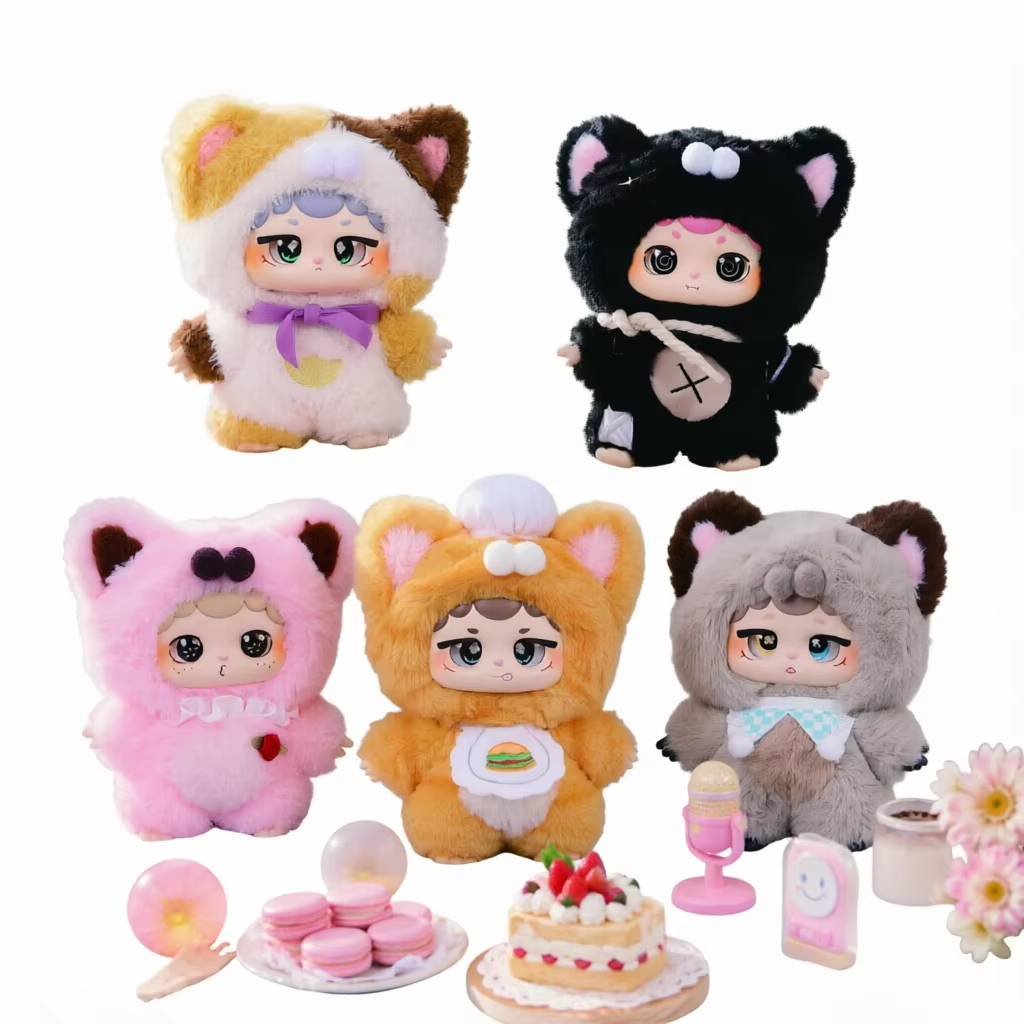
2. Blended Material Complexity (Vinyl + Plush + Electronics): The market is moving away from purely monolithic plastic toys toward tactile, multi-texture collector companions. As seen in our high-demand vinyl plush doll architectures, consumers demand the delicate aesthetic sculpting of rotocast/ABS faces combined with the huggable warmth of high-pile fabrics. Successfully manufacturing these hybrid products requires an integrated factory that handles metal mold CNC milling, vinyl slush rotational molding, automated fabric sewing, ultrasonic welding, and static-free electronics mounting under a single quality management system.
3. Traceable Low-MOQ Pilot Launches: The blind-box retail velocity model demands quick turnarounds. Brands cannot afford 20,000-unit minimum commitments on untested character designs. Modern OEM factories must provide rapid prototyping (3D stereolithography within 72 hours), modular mold base tooling for cost-efficient pilot batches of 500 to 1,500 units, and full inspection consistency across initial runs and large reorders alike.
Comparative Engineering Specifications for AI Toy Hardware QA
| Inspection Dimension | Legacy Electronic Toy Criteria | Tuck Toys Advanced AI OEM Inspection Protocol | Compliance Reference |
|---|---|---|---|
| Acoustic Emission | Basic sound output buzzer check | Anechoic THD analysis, multi-frequency calibrated SPL < 82dB | EN 71-1:2014+A1, ASTM F963-17 |
| Voice Recognition | Trigger switch continuity check | Wake-word recognition stress testing under 65dB ambient babble noise | Proprietary Automated Audio Rig |
| Battery Safety | Voltage read at factory gate | C-rate discharge thermal run, NTC thermistor trip test, short-circuit cut-off | IEC 62115, UL 1642, UN 38.3 |
| Plastics & Coatings | Random sample vendor declaration | Lot-by-lot XRF screening, cross-hatch paint adhesion (ASTM D3359 Class 4B) | CPSIA Sec. 101, REACH SVHC |
| Firmware & Privacy | None (unregulated legacy) | Memory overflow audit, tamper-proof flash lock verification, sandbox telemetry | COPPA, EN 303 645, ETSI Cyber |
Factory Advantages: Why Sourcing Directors Rely on Tuck Toys
Shenzhen Manufacturing Hub
Located in the heart of global hardware innovation. We rapidly source specialized componentry: from ultra-miniaturized microcontrollers and MEMS microphones to high-grade non-toxic vinyl elastomers.
Strict IP & NDA Protection
Your character sketches, 3D assets, and confidential voice models remain protected. We enforce encrypted CAD storage, compartmentalized production cells, and never license client molds to external parties.
In-House Tooling & Mold Workshop
By owning our CNC machining, electroforming copper mold baths, and rotational vinyl setups, we cut prototyping lead times by 40% and eliminate tooling markups charged by third-party brokers.
Complete Global Trade Compliance
Proven export history across North America, the EU, Japan, and Oceania. We manage full export documentation, drop-tested master cartons, and provide pre-cleared FOB, CIF, or DDP logistics.
Verified Credit & Trade Capacity
Backed by an independently audited trade record, transparent balance sheet verifications, and excellent transaction ratings accessible directly through our credit profiling documentation.
Hybrid Artisan Craftsmanship
Beyond our precision electronic inspection, our factory houses seasoned master artists specializing in delicate hand-spray masking, electrostatic flocking, and complex costume tailoring for BJD doll collections.
Frequently Asked Questions for Professional Sourcing Managers
How does Tuck Toys handle child privacy and COPPA compliance on AI voice-enabled toys?
What is the standard Quality Acceptance Limit (AQL) used during final inspection?
Can you provide custom blind box packaging with anti-tamper foil and weighted balancing?
What is the lead time for new tooling and initial pilot production?
Do you support customized firmware burning and serial number tracking?
Initiate Your OEM/ODM Production With Confidence
Connect directly with our engineering team in Shenzhen. From initial 3D sculpt feasibility audits and material specification to custom electronic firmware testing and export logistics, we deliver shelf-ready excellence.
Get a Quote