Engineered Hardware: Interactive AI Plush & Collectible Figurines
Precision-molded rotocast vinyl, high-density plush cotton encasements, and low-power edge compute architectures ready for custom brand IP integration.
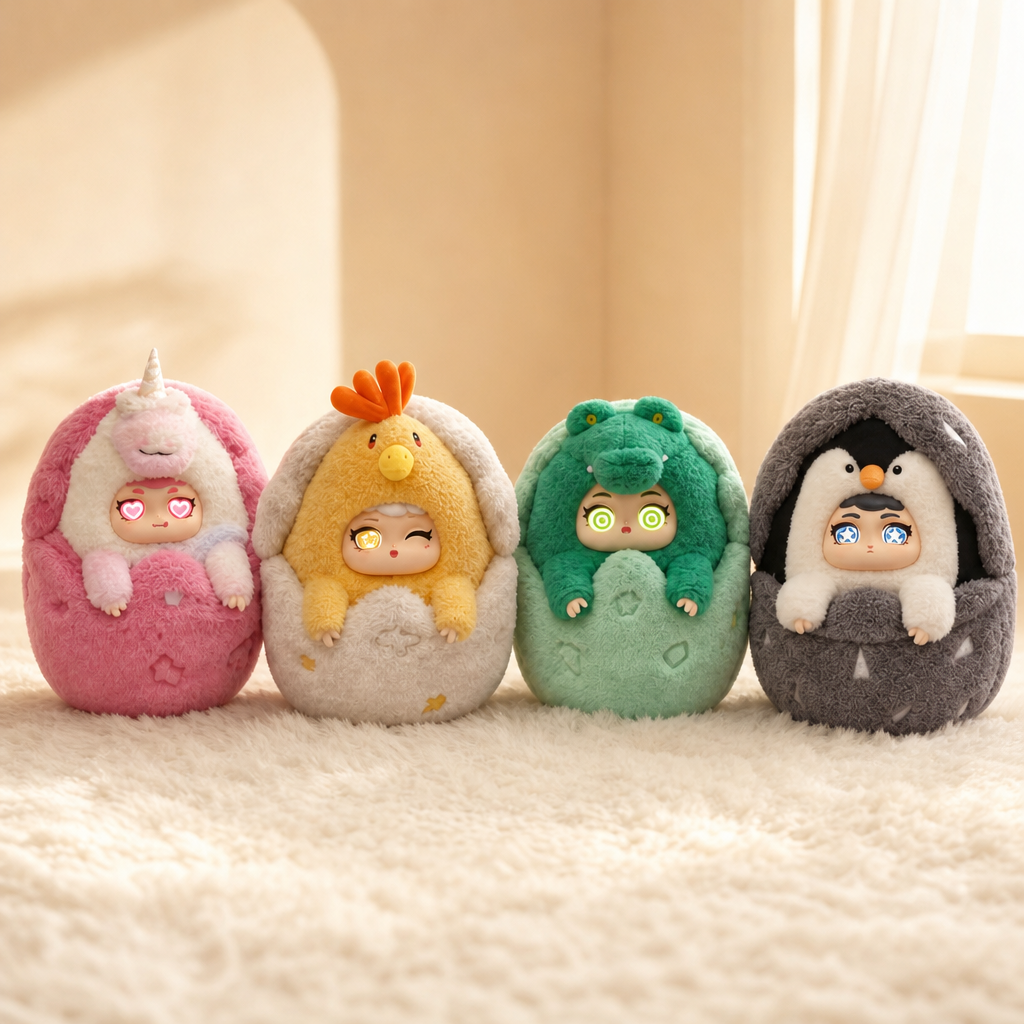
Artificial Intelligence AI Toy Fufu Babies Plush Toy AI Version--normal Eyes
- Acoustic Chamber: Dual MEMS + DSP
- Enclosure: Soft Cotton + Rotocast Face
- Firmware: BLE 5.3 / 2.4GHz Wi-Fi
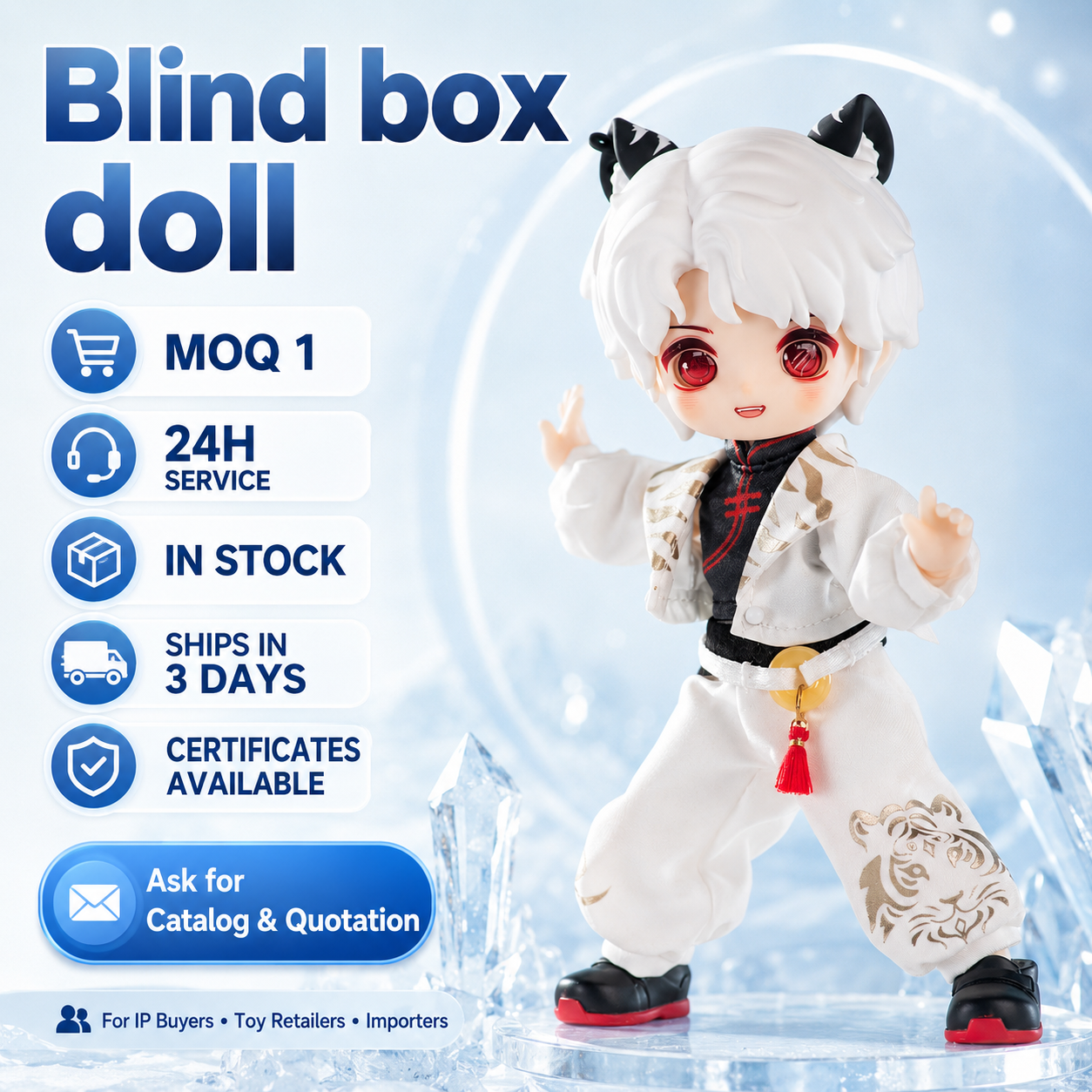
Nagi Beast Cloud Ruins Blind Box 1 12 Scale Ball Jointed Doll Finished Anime Figure Dress up Holiday Gift
- Joint Mechanics: 1/12 Scale Ball-Jointed
- Polymer: High-Spec Phthalate-Free PVC
- Finishing: Pad Printed & Hand Masked
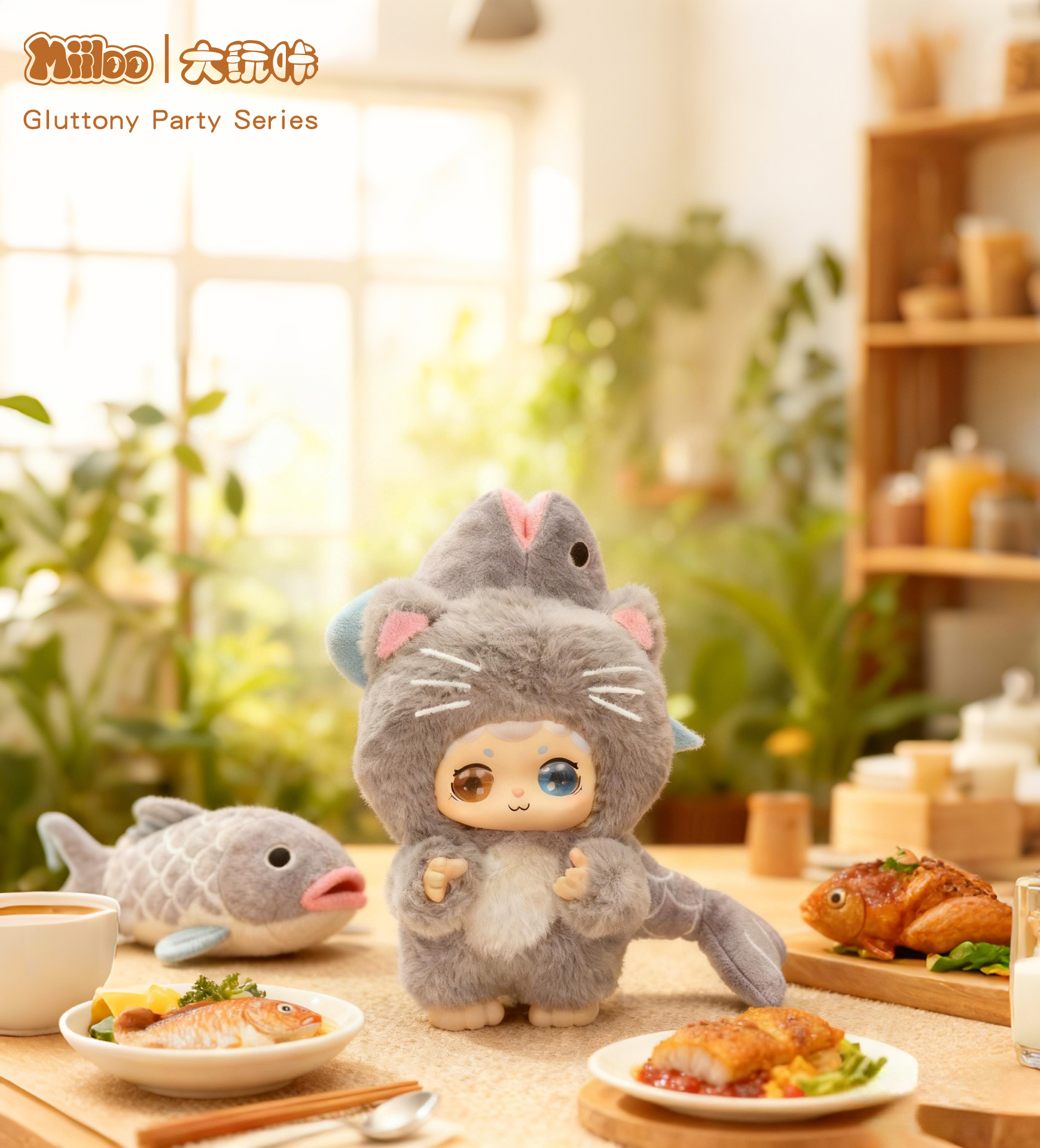
MIILOO Gluttony Party Plush Blind Box Animal Figure PVC Collectible Bag Charm Keychain Toy
- Form Factor: Keyring Charm Hybrid
- Material: Poly-Fiber Plush & Vinyl
- Packaging: Tamper-Evident Blind Foil
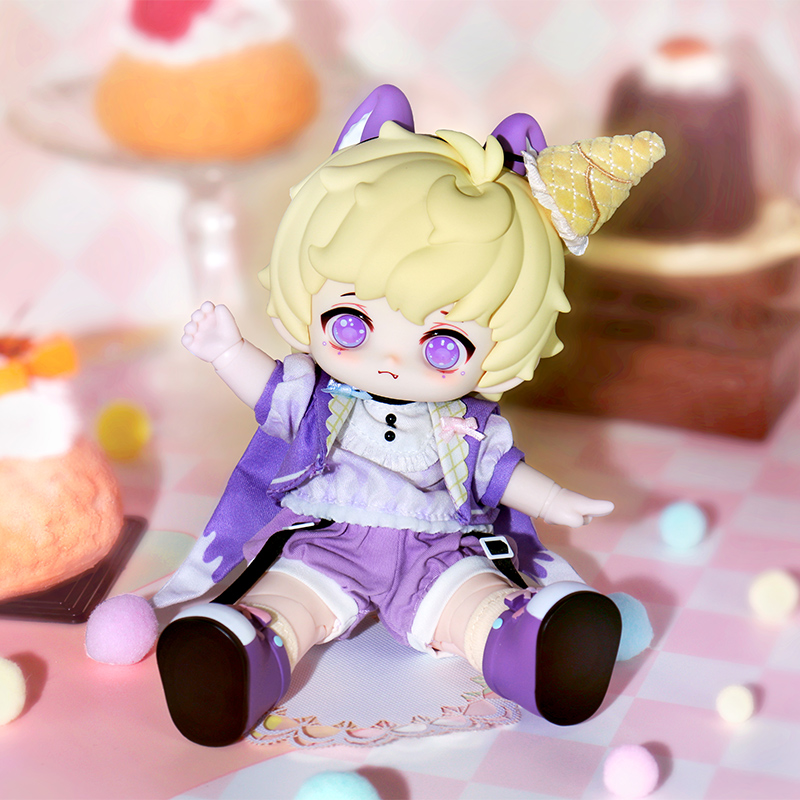
OEM Factory Custom PVC ABS Vinyl Hani Sweet Afternoon Tea Girl Series Blind Box Anime Action Figures Collection Phthalate Free
- Tooling: Multi-Cavity Steel Mold
- Tolerance: ±0.05mm Detail Level
- Safety Standard: CPSIA / EN71 Certified
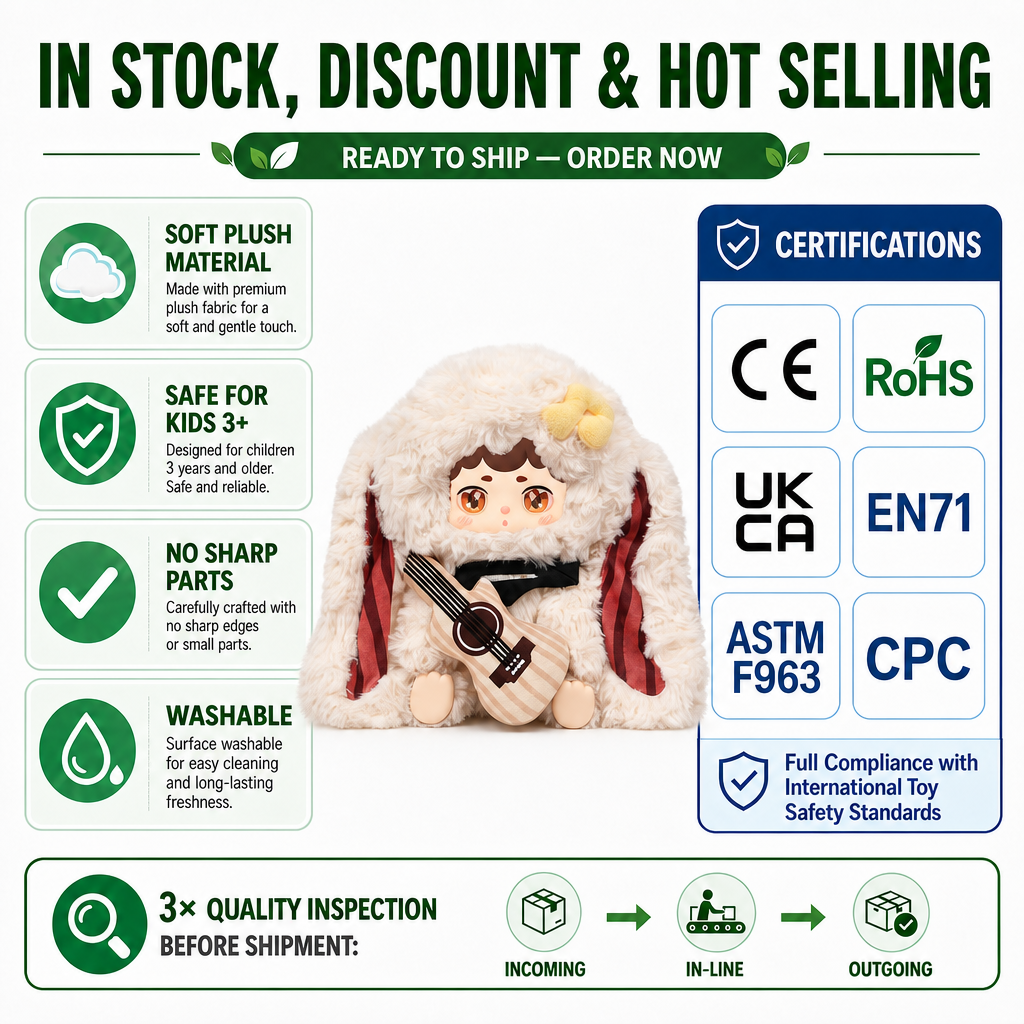
Smart AI Chat Plush Stuffed Toy Multi-Language Storytelling Q&A Emotional Companion Plush Doll
- Language Set: 32+ Real-Time Dialects
- Core Audio: High-Fidelity 40mm Speaker
- Compute: Encrypted Onboard MCU
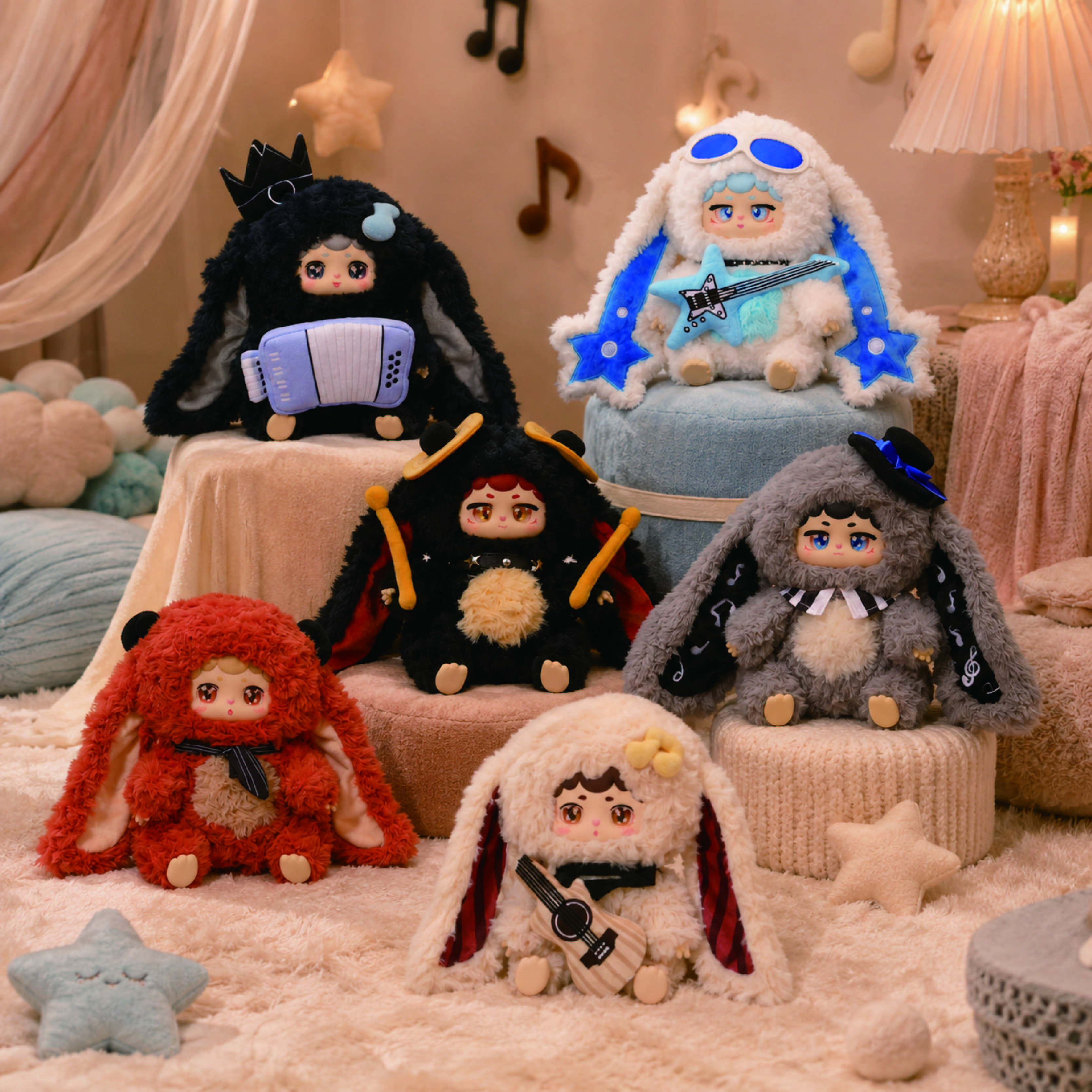
MELET AI Music Bunnies Emotional Companion Plush Toy with Intelligent Memory Chatbot Soft Cotton for Kids Ages 2-14 Gift
- Interaction: Adaptive Persona Retention
- Battery Spec: 1200mAh USB-C Li-Polymer
- Age Grading: ASTM F963 (2-14 Years)
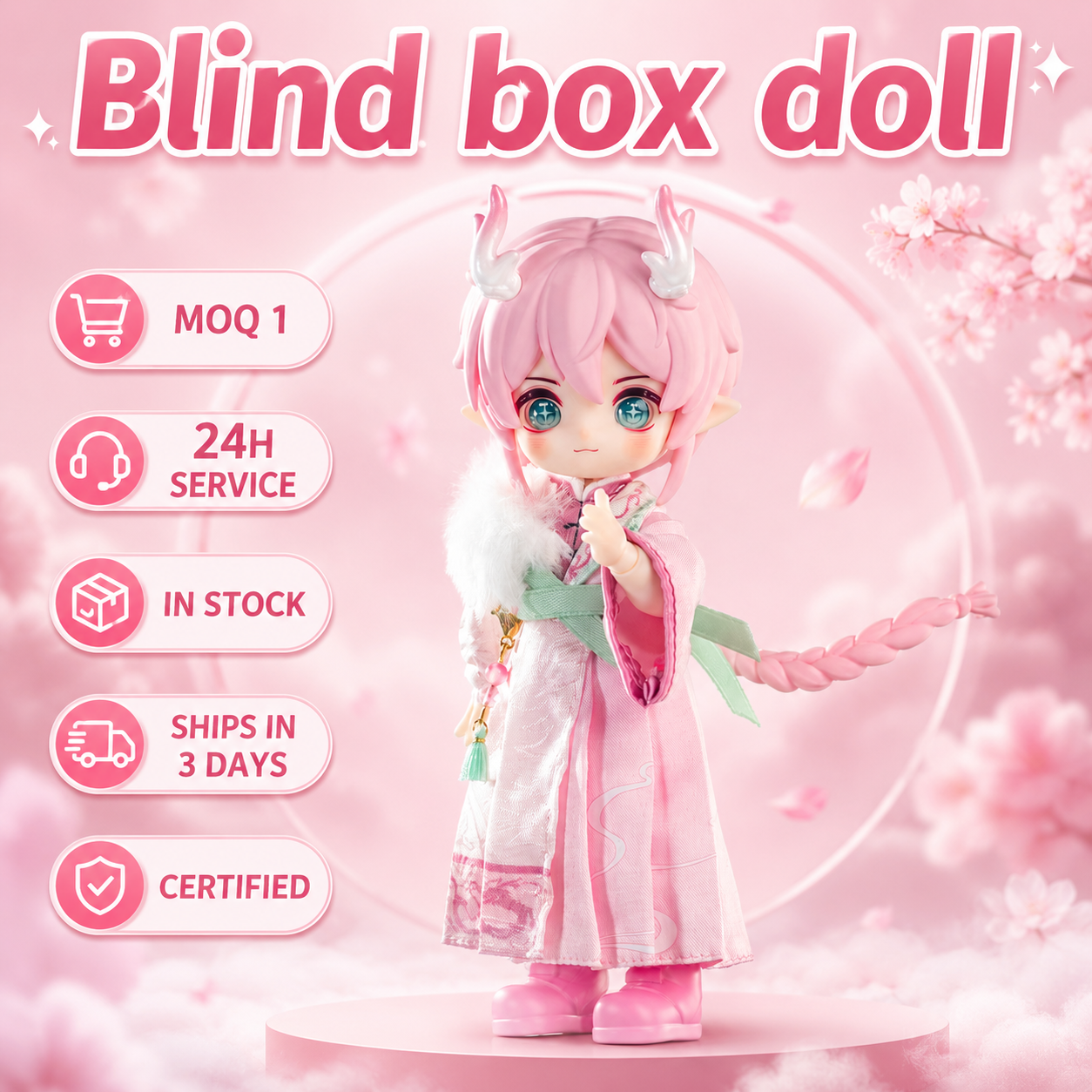
NAGI BJD Action Figures Blind Box,Fully Articulated Joints Doll,Removable Fabric Clothes Accessories,Premium Quality Collectible
- Fabrication: Textile Tailoring + Rigid Vinyl
- Accessories: Interchangeable Hand Sets
- Assembly: Internal High-Tension Bungee
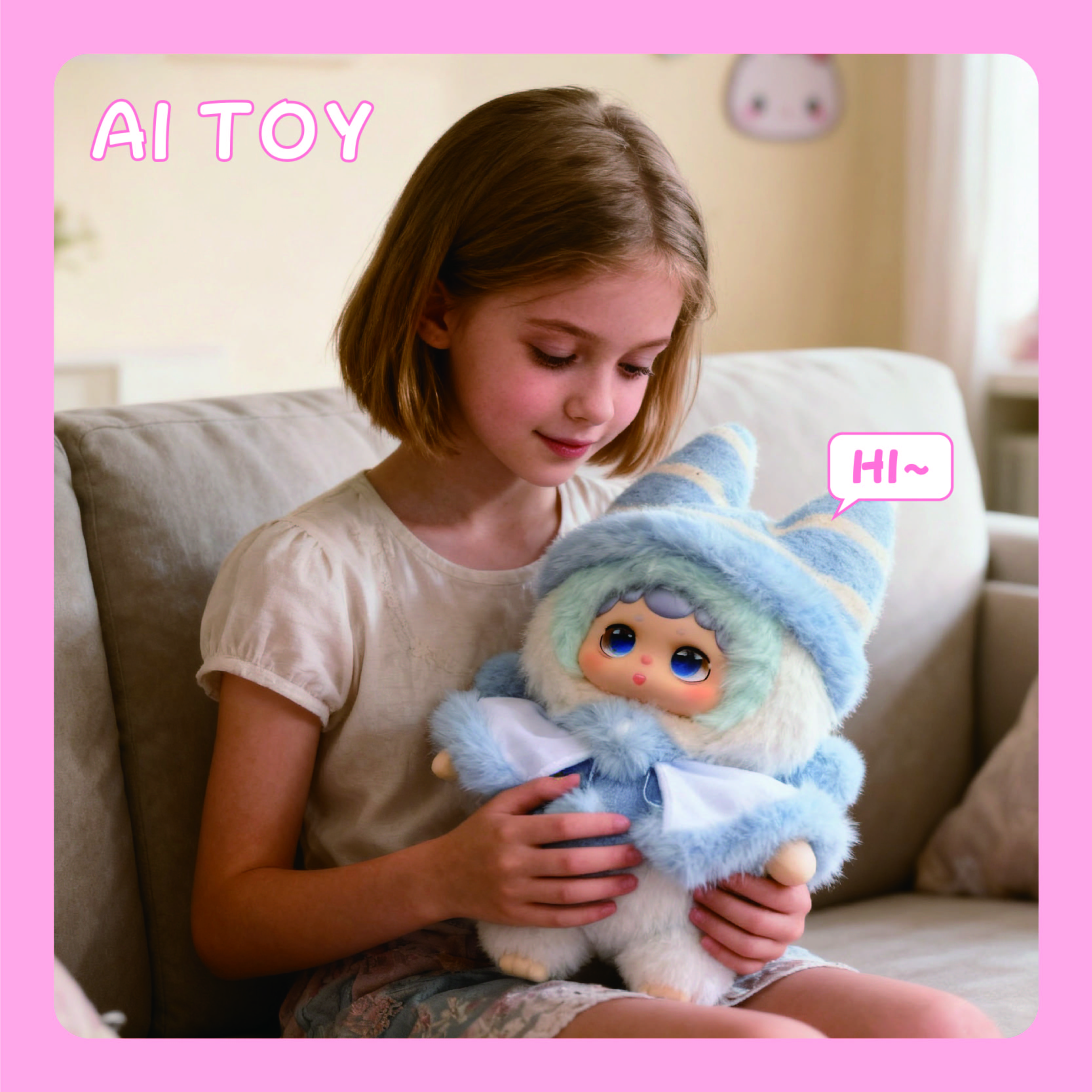
Miriat Intelligent Interactive Plush Toy Music Fox AI Version MLT-AI-S5 EN71 Certified--Normal Eyes for Child Adult
- Certification: EN71 1-3 / CE-RED / RoHS
- Sensor Array: Capacitive Touch + Gyro
- Voice Module: Modular Hot-Swappable PCBA
The Evolution of Interactive Toys: From Static Polymers to Cognitive Companions
The global toy and designer collectible market is undergoing a seismic architectural transition. Historically, OEM toy manufacturing revolved almost exclusively around chemical formulating—producing durable, non-leaching polyvinyl chloride (PVC), acrylonitrile butadiene styrene (ABS), and rotocast vinyl structures. While aesthetic fidelity, Pantone precision, and mold release draft angles remain fundamental, the market demand curve has shifted aggressively toward dynamic interactivity. Global retail conglomerates and direct-to-consumer (D2C) collectible brands are no longer seeking merely decorative shelf display models; they demand hardware capable of autonomous engagement, empathetic dialogue, and personalized child-safe intelligence.
Shenzhen Tuck Technology Co., Ltd. (operating globally as Tuck Toys) bridges the critical divide between silicon innovation and tactile manufacturing. As an end-to-end custom OEM/ODM AI toy production facility headquartered in Shenzhen, China's high-tech manufacturing capital, we engineer the physical encasements alongside the embedded acoustics, micro-power management units, and secure cloud/edge interfaces. This white paper serves B2B procurement directors, IP licensing executives, and consumer hardware product managers evaluating commercialization partners for artificial intelligence-integrated plush dolls, interactive blind boxes, and smart collectible figurines.
Architectural Breakdown: The Tri-Layered AI Toy Stack
Industrializing a production-ready smart toy requires synchronizing three disparate engineering disciplines: structural toy-grade molding, embedded acoustic and computational hardware, and ethical natural language cloud processing. Failure in any single tier compromises retail viability, child safety certification, or consumer retention.
1. Mechanical Enclosure & Acoustic Engineering: Embedding microphone arrays, speaker cones, and lithium batteries into soft plush fabric or rigid vinyl creates thermal, acoustic, and durability challenges. A typical plush doll muffles standard omnidirectional microphones. At Tuck Toys, our industrial design team designs custom resonance cavities utilizing injection-molded acoustic chambers insulated with acoustic foam baffling. This ensures that ambient room noise is mechanically separated from incoming user speech, delivering a clean audio feed to the onboard digital signal processor (DSP) without sacrificing the soft, huggable tactile feel of downy cotton fill.
2. Embedded Silicon & Power Orchestration: Battery lifespan is a primary driver of customer satisfaction in consumer electronics. Our hardware architectures utilize ultra-low-power microcontrollers (MCUs) paired with dedicated hardware wake-word neural processing units (NPUs). In deep standby mode, current draw is minimized to micro-amps (<15µA), allowing toys to remain responsive on a nightstand for weeks. Upon acoustic detection of a custom wake phrase or capacitive tactile touch, the hardware instantly triggers a high-speed BLE 5.3 or Wi-Fi 6 hand-off to initiate cloud streaming.
3. The Zero-Trust Privacy & Data Pipeline: Modern international regulatory frameworks—including the United States Children's Online Privacy Protection Act (COPPA), the European Union General Data Protection Regulation (GDPR-Kids), and the California Age-Appropriate Design Code—strictly prohibit the unencrypted capture, persistent storage, or profiling of biometric and voice data belonging to minors. Our OEM platforms implement end-to-end TLS 1.3 cryptographic tunneling directly from the onboard secure element. Audio packets are processed ephemerally in volatile memory (RAM) for real-time text-to-speech inference and discarded immediately without persistent identification retention.
Future B2B Procurement Trends in Smart AI & Collectible Toys
Actionable intelligence for retail category buyers, brand managers, and import directors navigating next-generation supply chain dynamics.
1. Shift to Edge-Inference AI Chipsets
B2B procurement is transitioning away from toys that rely 100% on external cloud API pings. Importers are ordering modular boards capable of processing offline speech synthesis, basic vocabulary classification, and emotional sound effects locally on-chip. This lowers ongoing cloud computing maintenance costs and guarantees product functionality in areas with spotty Wi-Fi.
2. The Rise of "Phygital" Blind Box Lines
Designer art toy buyers are demanding physical collectibles paired with digital twins. By integrating near-field communication (NFC) micro-chips or low-energy encrypted tags beneath rotocast vinyl heels, static figures now unlock custom character personalities, localized backstories, and interactive chat personas inside branded companion apps.
3. Modular Firmware & OTA Life Extension
Savvy retail buyers are refusing locked, non-upgradeable toy electronics. Future procurement requires Over-The-Air (OTA) firmware updating capabilities. This allows seasonal voice content drops (Halloween, Christmas dialogues, new educational curricula) to be deployed post-sale, extending the commercial lifetime of the inventory and sustaining brand loyalty.
Emerging Engineering Horizons: Where AI Toys Are Heading
Critical engineering considerations shaping how designers, sculptors, and software architects collaborate on the next product generation.
Multi-Modal Affective Computing
Toys are evolving from pure voice recognition to multi-modal sentiment awareness. By blending miniature 6-axis inertial measurement units (IMUs) with capacitive touch fabrics and ambient light sensors, toys understand when they are being hugged, gently shaken, tucked into bed, or dropped, triggering contextually aware emotional soundscapes.
Strict Hardware Sandboxing & Safety Guardrails
Unfiltered large language models present catastrophic brand risk when interfacing with children. Current engineering standards mandate deterministic prompt-filtering hardware wrappers. If an unexpected conversational edge case occurs, the system instantaneously falls back to pre-certified, locally stored audio responses, preventing unvetted responses.
Eco-Responsible & Bio-Based Polymeric Blends
Regulatory scrutiny over microplastics and chemical plasticizers is driving a revolution in raw toy materials. Tuck Toys is pioneering the application of food-contact-grade bio-PVC and recycled poly-fiber stuffing that withstand rigorous drops and impact tests without sacrificing surface finish or tactile weight.
Shenzhen Tuck Technology: Direct-from-Factory OEM/ODM Precision
Operating out of our primary production hub in Shenzhen, Guangdong, Shenzhen Tuck Technology Co., Ltd. (Tuck Toys) eliminates the communication breakdowns, markup premiums, and quality slippages inherent in trading middlemen. We combine a passionate heritage in vinyl collectible art toy crafting with cutting-edge electronics assembly lines.
3D Sculpting & Rapid Tooling
From initial 2D concept sketches or digital turntable files, our sculptors construct mold-ready STP/CAD geometries. We fabricate electroformed copper rotocast molds and CNC-machined steel injection cavities with micron tolerances for exact IP recreation.
Hybrid Material Specialization
We are industry leaders in seamless hybrid joining—fusing rotocast soft-touch vinyl faces, posable articulated PVC skeletons, and machine-stitched premium plush bodies without visible adhesive lines or seam failures.
Rigorous IP & NDA Safeguards
We honor strict bilateral confidentiality agreements. Master physical toolings, pad-print masking jigs, proprietary audio libraries, and confidential CAD files are secured under 24/7 monitored access control and never commercialized to third parties.
Our comprehensive testing protocols ensure complete international commercial compliance: EN71 (Parts 1, 2, 3), ASTM F963-23 physical and mechanical testing, CPSIA total lead and phthalates screening, CE-RED directive for radio communication equipment, and UKCA compliance. From pilot batch runs for boutique designer lines to monthly mass production outputs exceeding 120,000 units, we provide full FOB, EXW, and DDP export logistics worldwide.
Frequently Asked Questions: Global Toy Importers & Brand Owners
Direct answers from our engineering and project management leads regarding pilot runs, certifications, timelines, and firmware customization.
For non-electronic blind boxes and rotocast vinyl dolls, pilot production runs typically start at 1,000 to 2,000 units per design. For interactive AI hardware requiring custom SMT circuit boards and microphone arrays, MOQs start at 2,000 units to amortize specialized acoustic calibration and component sourcing. We support structured pilot runs for emerging consumer tech brands.
We engineer an internal injection-molded rigid acoustic baffle that locks into the plush doll’s core. The microphone is ported through breathable micro-perforated textile weaves aligned with custom acoustic mesh, isolating internal speaker vibrations and preventing self-feedback loops during voice capture.
A standard project requires 10–14 business days for 3D digital sculpting and clay revision, 15 days for a functional hand-painted working prototype, 30–35 days for multi-cavity steel tooling and trial molds (T0–T1), and 30–40 days for bulk mass manufacturing, surface spraying, and final drop-testing packaging QA.
Yes. We provide complete hardware-software flexibility. We can supply production-ready hardware loaded with our turnkey child-safe conversational AI stack, or provide open SDK/API protocols allowing your developers to link the device directly to your proprietary cloud persona, custom TTS model, or fine-tuned backend.
Every raw resin pellet and textile dye lot is backed by incoming material inspection reports. Final finished units undergo pre-shipment laboratory verification through internationally accredited third parties (SGS, TÜV, Intertek) to confirm compliance with EN71, ASTM F963, FCC Part 15, and CE-RED radio emission benchmarks.
We maintain a zero-leak policy. Client molds remain client property exclusively and are permanently stamped with dedicated serial IDs. Molds are never shared, exhibited, or utilized for unapproved production runs. We routinely execute bilateral non-disclosure agreements governed by international jurisdictions before receiving IP files.
Accelerate Your Smart Toy IP from Blueprint to Global Retail
Partner directly with Shenzhen's premier custom OEM/ODM production factory. Access our comprehensive engineering white paper, material swatch decks, and full hardware price matrix today.
Get Catalog