Curated Smart Toys & Collectible Art Toy Series
From state-of-the-art interactive neural-chip plush toys to high-end BJD movable joint figures, inspect our precision-engineered contract manufacturing lines ready for global brand distribution.
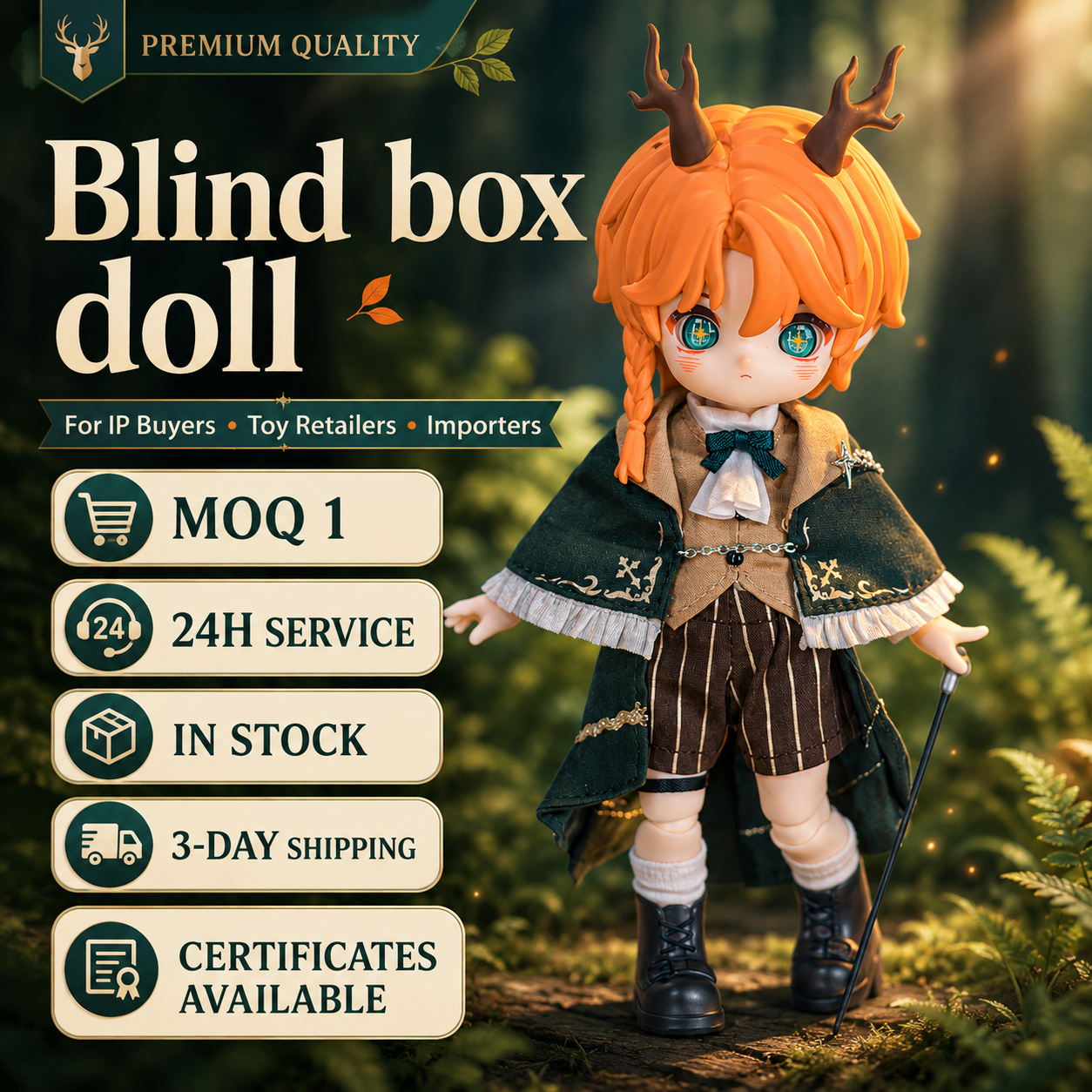
NAGI BJD Action Figure Blind Box, All Joints Movable Doll, Removable Fabric Clothes, Premium Quality Anime Collectible Art Toy
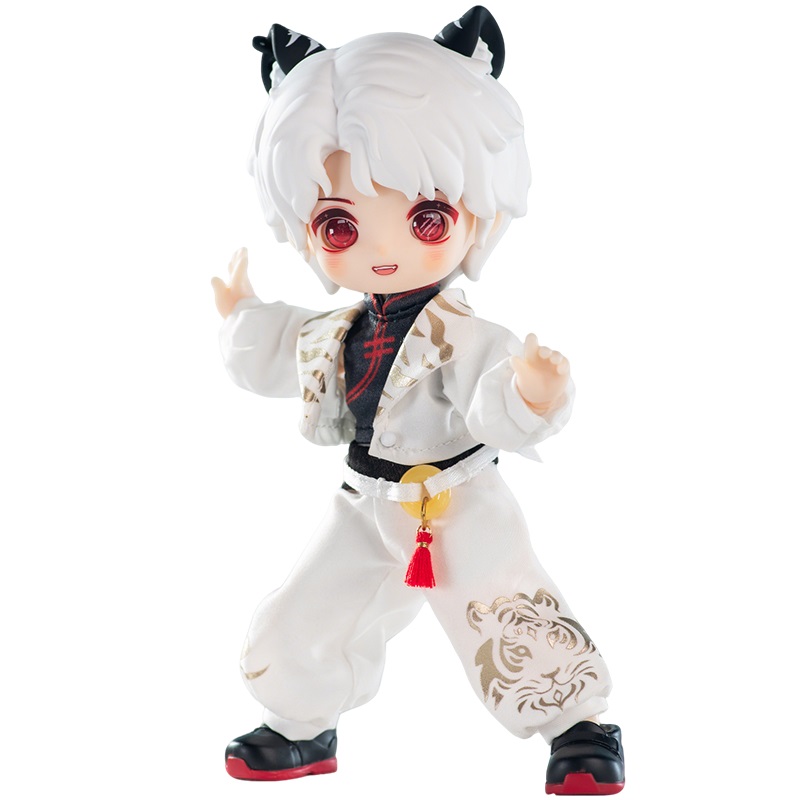
Premium NAGI Beast Cloud Ruins 1/12 MJD KongFu BJD Toy Blind Box Action Figures, Detachable Fabric Outfits

Miiloo Ocean Adventure Mirror Blind Box Plush Keychain Bag Charm
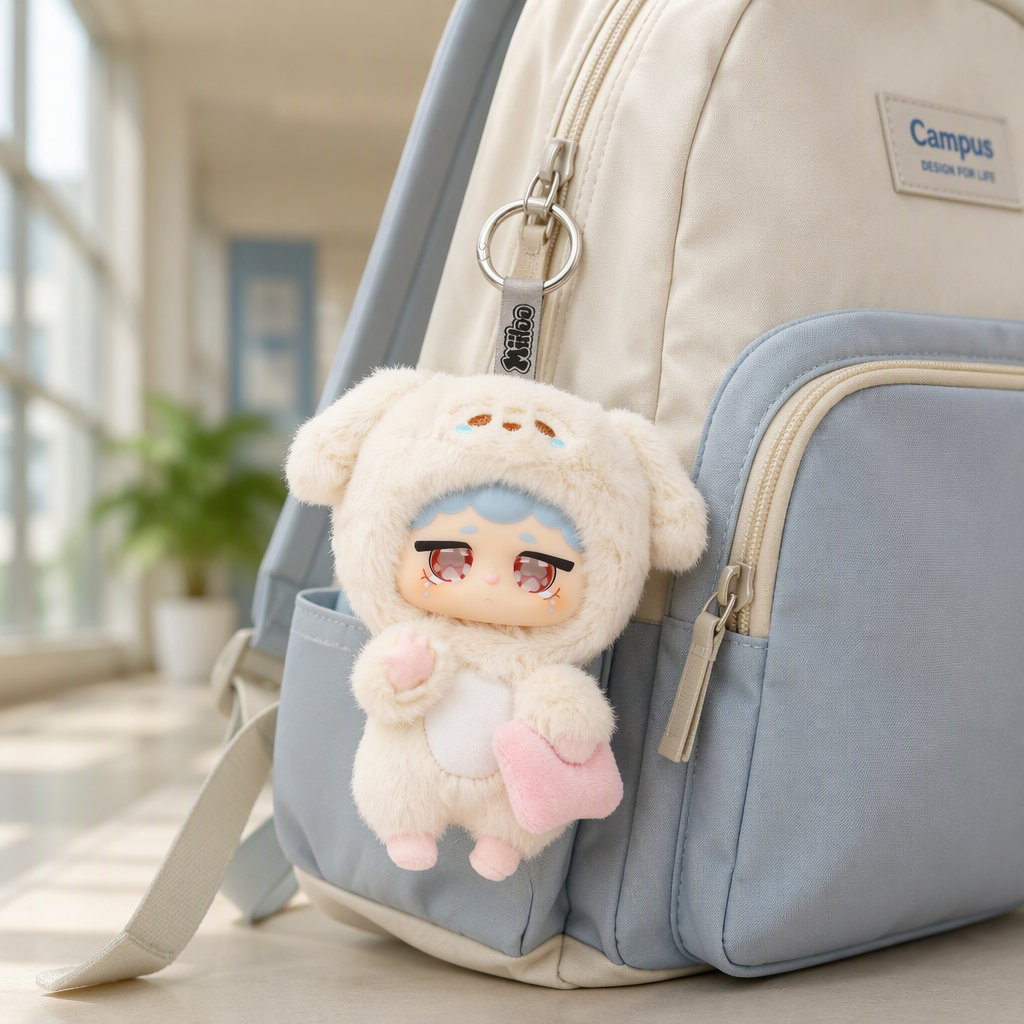
Snoozy Me Plush Toy Keychain Cute Dressed Doll Stuffed Animal 25cm Super Soft Plush
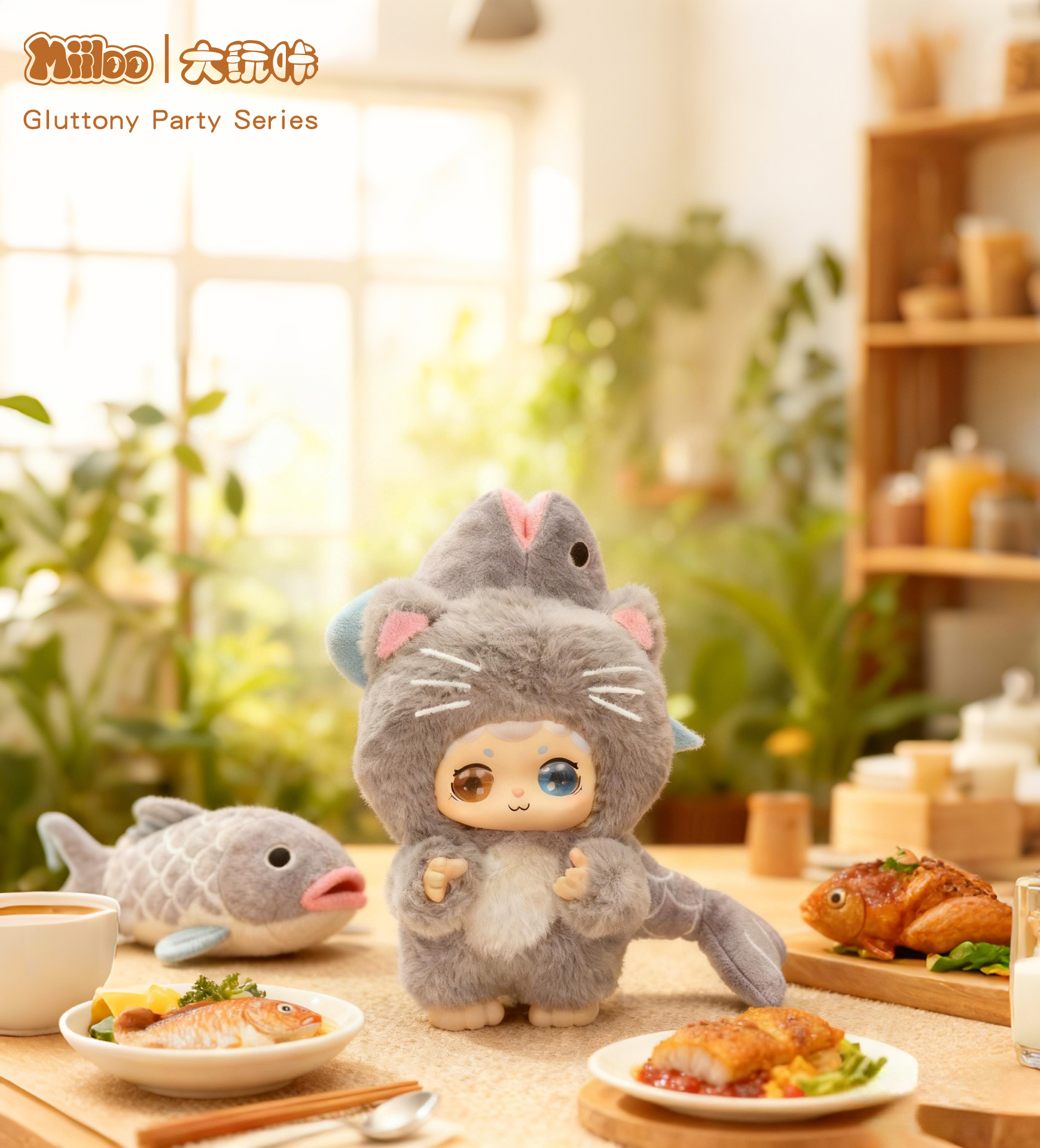
MIILOO Gluttony Party Plush Blind Box Animal Figure PVC Collectible Bag Charm Keychain Toy
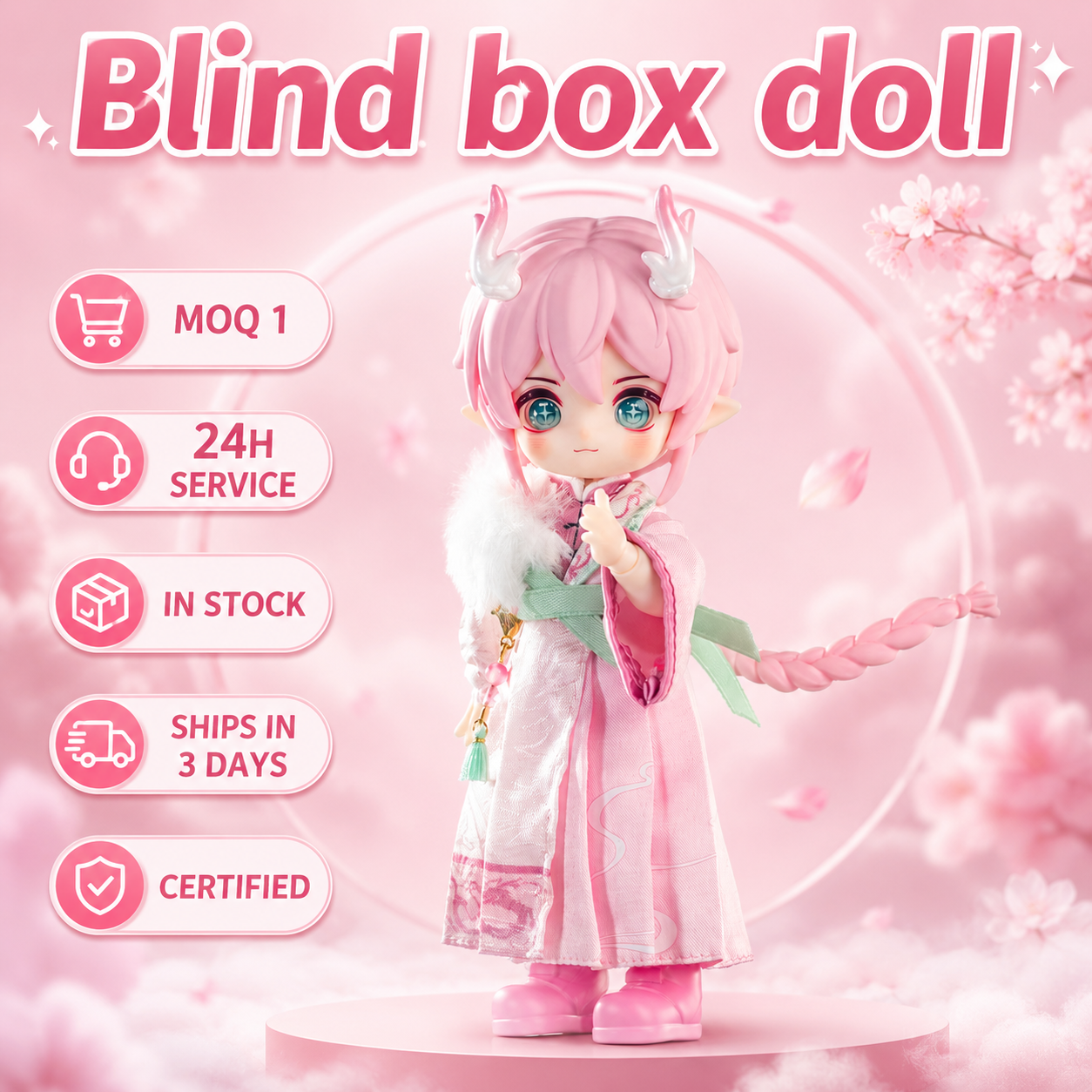
NAGI BJD Action Figures Blind Box,Fully Articulated Joints Doll,Removable Fabric Clothes Accessories,Premium Quality Collectible
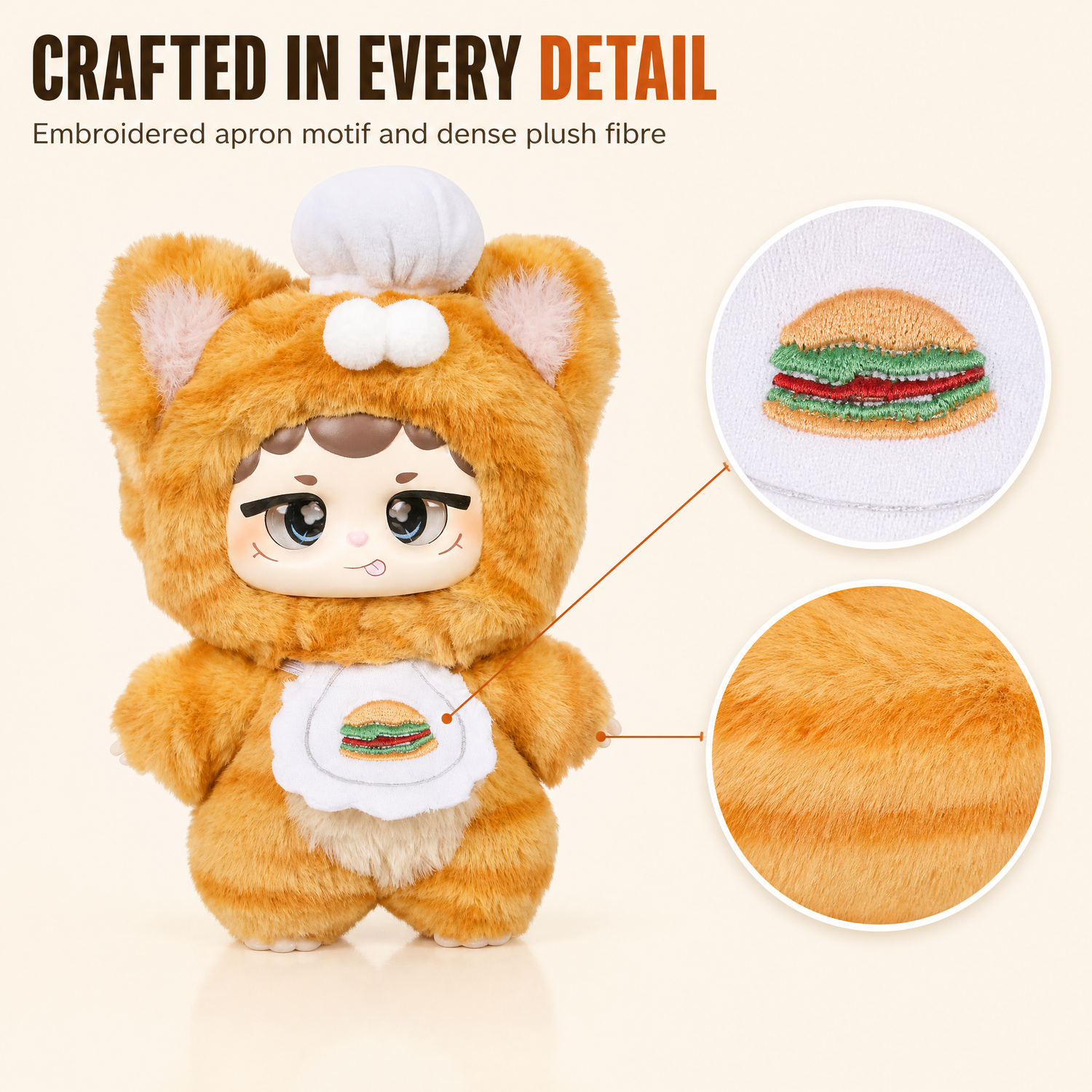
AI Plush Mystery Box Figure Doll Toy Finished Goods Colorful Animal Costume Collectible 18 cm Unisex
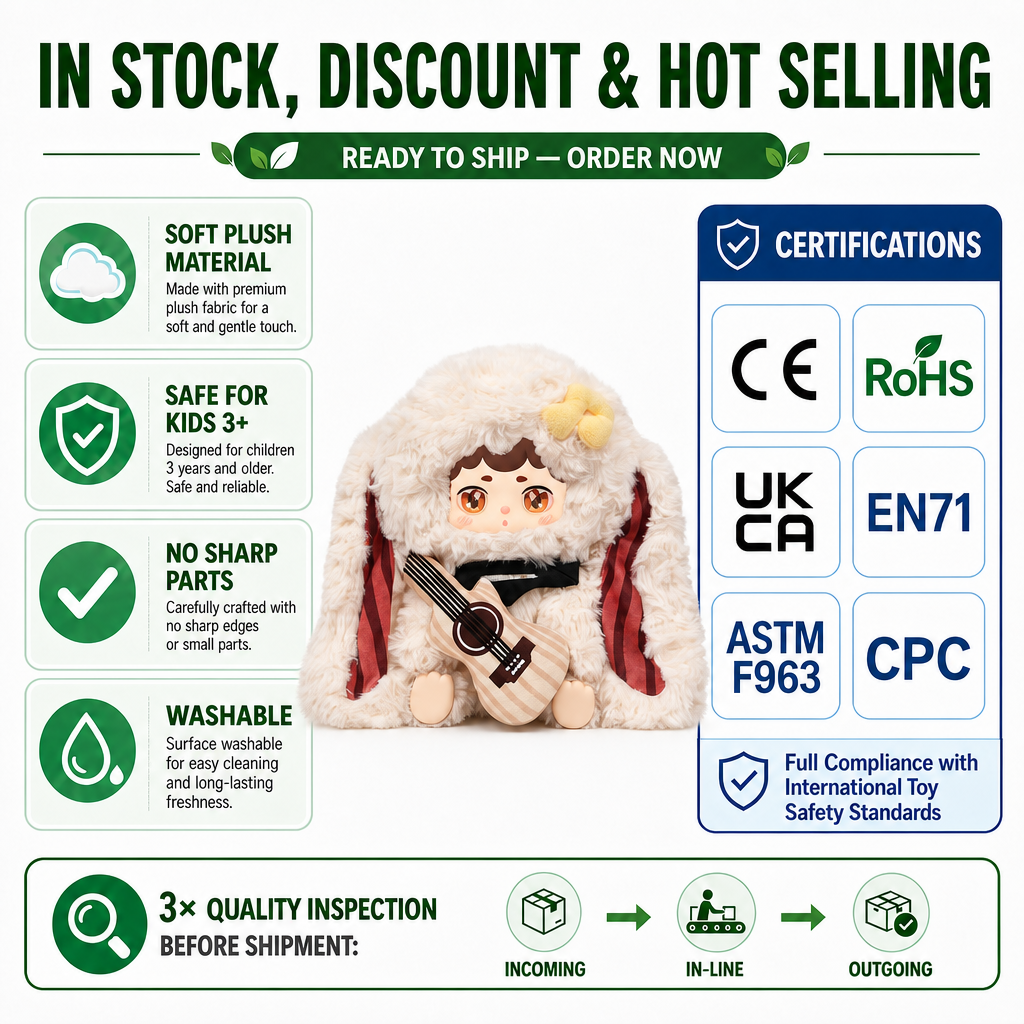
Smart AI Chat Plush Stuffed Toy Multi-Language Storytelling Q&A Emotional Companion Plush Doll
The Paradigm Shift in Smart Toys: Engineering Next-Generation AI Talking Plush Toys
The global juvenile entertainment, educational technology, and emotional wellness sectors are witnessing a profound convergence. Traditional stuffed animals and static plastic action figures are rapidly transforming into adaptive, cognitive companion systems. Modern toy importers, brand licensors, and mass-market retailers are no longer merely sourcing cut-and-sewn polyester dolls; they are procuring sophisticated hardware-software integrated edge devices. As a premier OEM/ODM AI talking plush toy factory and exporter based in Shenzhen, China, Shenzhen Tuck Technology Co., Ltd. (Tuck Toys) operates at the nexus of high-precision rotocast vinyl molding, automated textile fabrication, and cutting-edge embedded acoustics.
Historically, the "talking toy" category relied upon rigid, pre-recorded Application-Specific Integrated Circuits (ASICs) coupled with brittle push-button switches. These legacy architectures offered extremely narrow replay values: repetitive 8-bit sound clips, fixed mechanical jaw movements, and zero conversational agency. In stark contrast, contemporary smart conversational plush stuffed toys leverage artificial intelligence via Natural Language Processing (NLP), Large Language Model (LLM) edge/cloud hybridization, dynamic Automatic Speech Recognition (ASR), and expressive Text-to-Speech (TTS) neural voices. This paradigm shift requires contract manufacturing partners to possess deep multidisciplinary competencies—encompassing electro-acoustic chamber optimization, thermal dissipation within dense synthetic fillings, RF wireless antenna calibration, and strict international child privacy compliance.
Electro-Acoustic and Mechanical Engineering Challenges in AI Plush Manufacturing
Engineering a compliant, long-lasting AI talking companion presents physical engineering challenges not found in conventional consumer electronics or standard plush goods:
- Acoustic Cavity Resonator Tuning: Placing a micro-speaker inside a densely stuffed plush body typically results in severe acoustic dampening and high-frequency roll-off. Our engineering team designs custom rigid ABS/polycarbonate sound boxes with calibrated bass reflex ports and acoustic damping foam. This maintains crisp conversational frequency bands (300 Hz – 3.4 kHz) while preventing distortion when operated by children or adult collectors.
- Dual-Microphone Beamforming & Far-Field Noise Reduction (ENC): A talking toy must understand a human voice across a noisy living room or classroom while its own internal speaker may be producing sound. We integrate hardware-level Acoustic Echo Cancellation (AEC) and digital MEMS microphones with sound-conductive acoustic mesh strategically placed behind vinyl facial features or plush seams.
- Thermal Management & Battery Safety: Integrating high-density rechargeable Lithium-Polymer (LiPo) cells inside an insulating environment of polyester fibers requires redundant hardware protection circuits. We design fire-retardant (UL94-V0 rated) battery enclosures, positive temperature coefficient (PTC) thermistors, and smart sleep/wake microcontrollers that eliminate thermal buildup even during continuous multi-hour interactive play.
- Hybrid Material Integration: Combining soft vinyl (rotocast PVC or slush-molded vinyl) with plush textiles and articulated mechanical skeletons (as seen in our NAGI BJD series and Miiloo hybrid characters) requires micrometric seam-locking flanges. This eliminates tearing risks and ensures compliance with 90N seam-tensile safety tests.
Architectural Comparison: Standalone Pre-Programmed vs. Cloud/Edge AI Plush Architecture
| Technical Dimension | Legacy Electronic Plush | Offline Voice-Recognition Plush | Next-Gen Connected AI Talking Plush (Our OEM Spec) |
|---|---|---|---|
| Processor / Core | 8-bit OTP Voice MCU | 32-bit DSP / Edge NPU Core | Dual-Core Wi-Fi/BLE SoC + Neural Acceleration Engine |
| Vocabulary & Dialog | 3–10 Hardcoded Audio Clips | 50–100 Command-Triggered Phrases | Unlimited Dynamic LLM Conversations (Context-Aware) |
| Audio Transducers | 27mm Mylar Speaker, No Cavity | 36mm Dynamic Driver in Soft Shell | 40mm Neodymium Hi-Fi Driver in Tuned Acoustic Enclosure |
| Sensory Inputs | Physical dome membrane switch | Single Electret Mic + Tilt Sensor | Dual MEMS Array, Capacitive Touch Zones, Gyroscope/IMU |
| Child Privacy Safeguards | None Needed (Offline) | Local Only (No Network) | COPPA / GDPR-K Compliant End-to-End Hardware Encryption |
| OTA Firmware Updates | Not Supported | Via Micro-USB / Mass Storage | Secure Over-The-Air (FOTA) Cloud Patching & AI Engine Upgrades |
Procurement Trends Driving the Global B2B Smart Plush Toy Market
International sourcing teams from premier toy brands, educational institutions, hospital wellness programs, and gaming IP owners are re-evaluating their supply chains based on several critical emerging trends:
- 1. The Rise of "Emotional Companion" Hardware: Sourcing is expanding rapidly beyond early childhood toys into the "kidult," young adult, and senior wellness sectors. Smart companion plushies with naturalistic voice tone, empathetic active listening algorithms, and comforting rotocast facial aesthetics act as stress-reduction aids, driving premium retail price points ($79 – $199 USD).
- 2. Hybrid IP Collectibility: The Blind Box & AI Merger: Retailers are increasingly demanding collectible mystery formats with integrated electronic identity. By combining mystery packaging (PDQ counter displays, foil vacuum packs, holographic chase cards) with interactive toys that unlock unique digital persona traits upon unboxing, brands achieve superior repeat-purchase rates.
- 3. Edge AI for Zero-Latency and Data Isolation: With increasing consumer sensitivity surrounding smart home listening devices, progressive brands prioritize on-device wake-word detection and local micro-LLMs. This guarantees zero voice recording storage on external servers, fulfilling stringent consumer protection benchmarks while slashing cloud API overhead costs.
- 4. Turnkey Customization (From Sketch to Packaged Unit): Buyers are consolidating their vendor portfolios. Rather than sourcing vinyl heads in one factory, plush bodies in another, PCB assembly in a third, and final packaging elsewhere, tier-one retailers partner with integrated facilities like Tuck Toys in Shenzhen that handle tooling, SMT assembly, acoustic testing, and automated packaging under one roof.
Key Technological Trajectories Shaping Interactive Plush
Our R&D engineering laboratory focuses on forward-looking innovations designed to maintain our clients' technological edge over multi-year product lifecycles.
Sub-300ms Ultra-Low Latency Conversational Engines
By optimizing audio compression algorithms and establishing regional low-latency edge gateways, next-generation plush companions eliminate the awkward 2-3 second delays typical of early cloud toys. The result is fluid, human-like verbal cadence with real-time interruptions and emotive conversational interjections.
Multi-Modal Haptic & Tactile Sensor Matrices
Conversations become multi-sensory. Embedded capacitive sensing tracks hugging intensity, gentle stroking, head patting, or swinging. The AI model receives real-time physical context alongside audio input, allowing the plush companion to purr, change vocal timbre, or express joyful physical reactions via micro-servos.
Zero-Knowledge Hardware-Level Privacy Architecture
Future-proof compliance with COPPA 2.0, California CCPA, and European GDPR-Kids. Physical microphone mute switches, local memory encryption chips (ATECC608A / TPM), and strict parent-controlled data sandboxes guarantee that conversational data remains non-identifiable and protected against data exfiltration.
Why Top Global Brands Rely On Tuck Toys Shenzhen
Combining over a decade of artisanal toy craftsmanship with sophisticated smart hardware manufacturing in the heart of the world's leading electronics manufacturing hub.
Shenzhen Direct Factory
Eliminate intermediaries. Direct access to our precision toolmaking shops, rotocasting ovens, pad-printing rooms, dust-free sewing floors, and SMT lines.
Low-MOQ Pilot Programs
De-risk brand launches. We support emerging IP owners and novel product lines with flexible pilot batches before scaling up to high-volume multi-cavity tooling.
Full Safety Certifications
Rigorous chemical, physical, and electronic compliance. Routine test certifications for EN71 (Parts 1-3), ASTM F963, CPSIA, FCC-ID, CE-RED, RoHS, and REACH.
Absolute IP Integrity
Your trade secrets and creative character assets remain uncompromised. Strict mutual non-disclosure agreements (NDAs) and segregated production cells.
Frequently Asked Questions for B2B Toy Sourcing & Engineering
Key technical, commercial, and regulatory questions answered by our engineering directors to streamline your project timeline.
For purely mechanical vinyl figures or blind boxes, our pilot order threshold typically begins around 1,000 to 2,500 units per series. For smart AI talking plush toys involving dedicated custom PCB layouts, acoustic enclosures, and wireless firmware flashing, standard initial production runs generally target 2,000 to 3,000 units. However, we offer tiered pilot development programs to support emerging IP brands verifying traction.
We provide complete turnkey electronic solutions. Our embedded engineering team can flash your proprietary firmware or work with our modular white-label IoT stacks (iOS/Android mobile SDKs, AWS/Azure IoT endpoints, and direct hooks into OpenAI, Claude, or customized closed-source enterprise LLMs). We also engineer offline flash storage models for strictly air-gapped security.
Our manufacturing processes comply with major international toy and electronics directives. Finished goods are independently certified by accredited laboratories (SGS, TÜV, Intertek) for EN71 Parts 1/2/3, EN 62115 (Electric Toys), ASTM F963-23, CPSIA, FCC Part 15 Class B, RED (Radio Equipment Directive 2014/53/EU), CE, RoHS, and WEEE directives, ensuring clean customs clearance.
Phase 1: 3D digital sculpting, acoustic cavity CAD, and functional 3D-printed/hand-sewn prototype take 15–20 working days. Phase 2: Tooling fabrication (steel or electroformed copper rotocast molds) and PCB tooling take 30–40 days. Phase 3: Mass production, assembly, automated testing, and QA packing typically require 35–45 days, depending on batch quantity and packaging complexity.