Engineering Feasibility: AI Concept-to-Production Gallery
Explore eight validated product archetypes engineered from complex generative art, bridging intricate digital aesthetics with high-yield rotational molding, injection shaping, and plush fabrication.
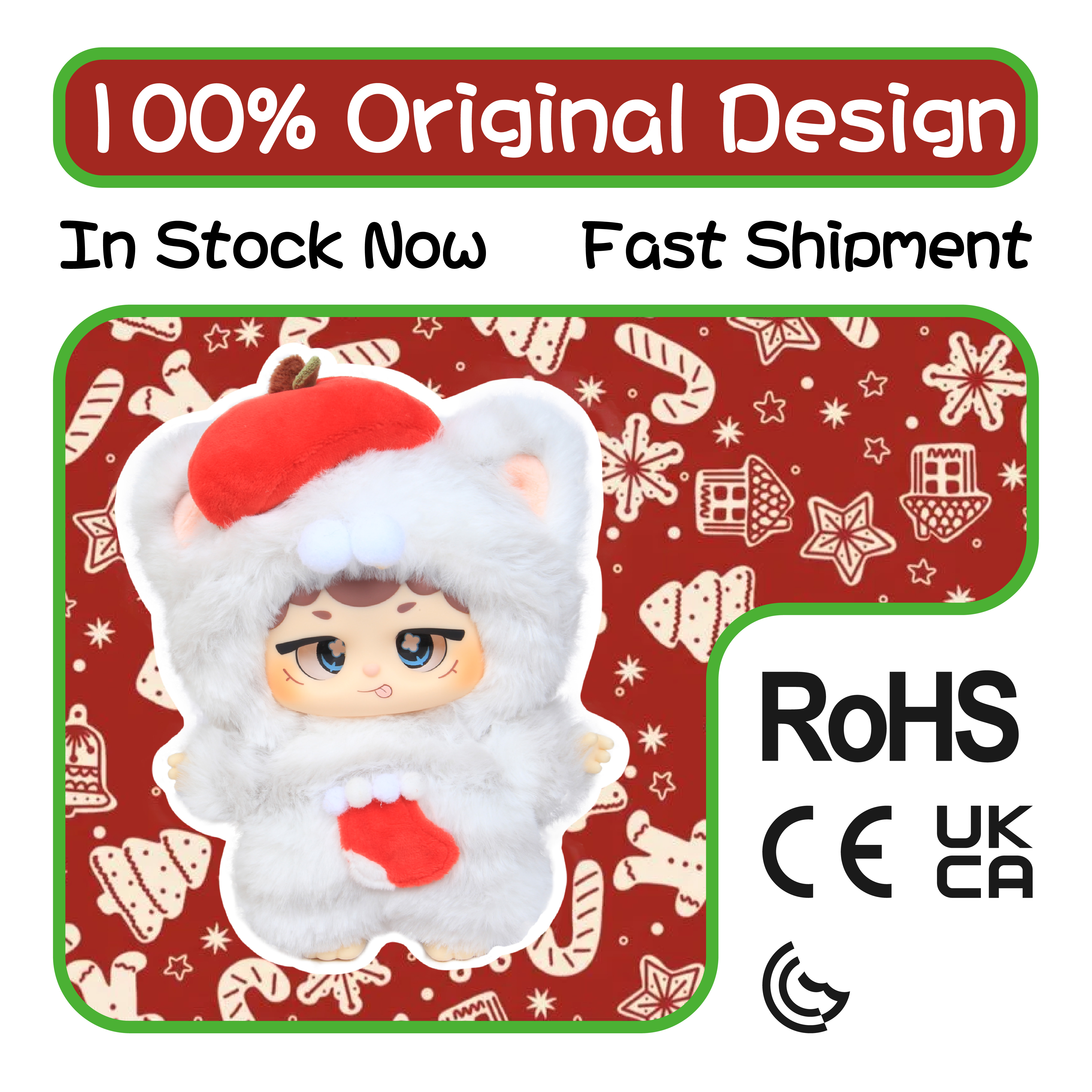
Xmas Decoration Door Christmas Tree Sequins Plastic Plush Flowers Custom Size
Combines AI algorithmic floral texturing with layered PET sequins, engineered injection bases, and fire-retardant plush elements for upscale retail displays.
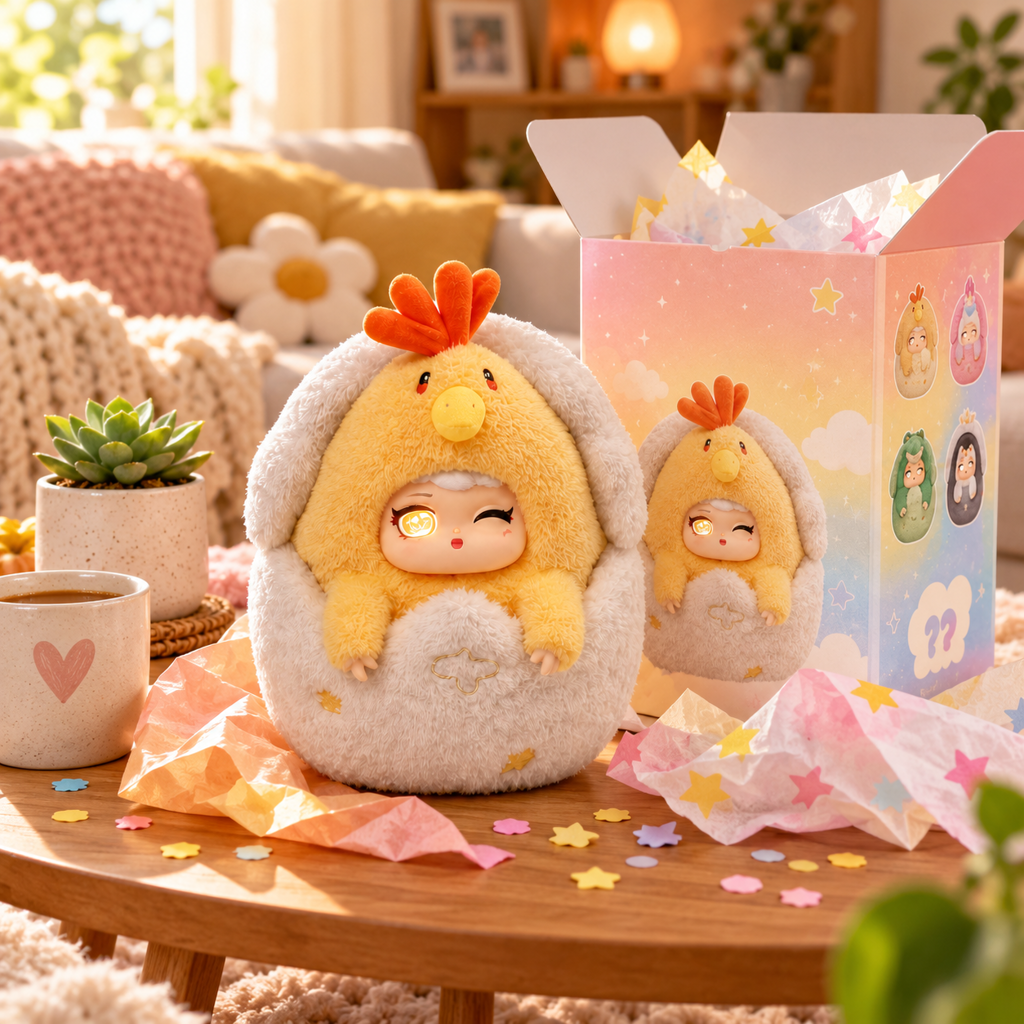
Personalized ABS Face Plush Doll Custom Figure by OEM Manufacturer Cotton Material
Solves tactile comfort through high-definition ABS facial mold injection joined seamlessly with hand-stitched hypoallergenic cotton plush torsos.
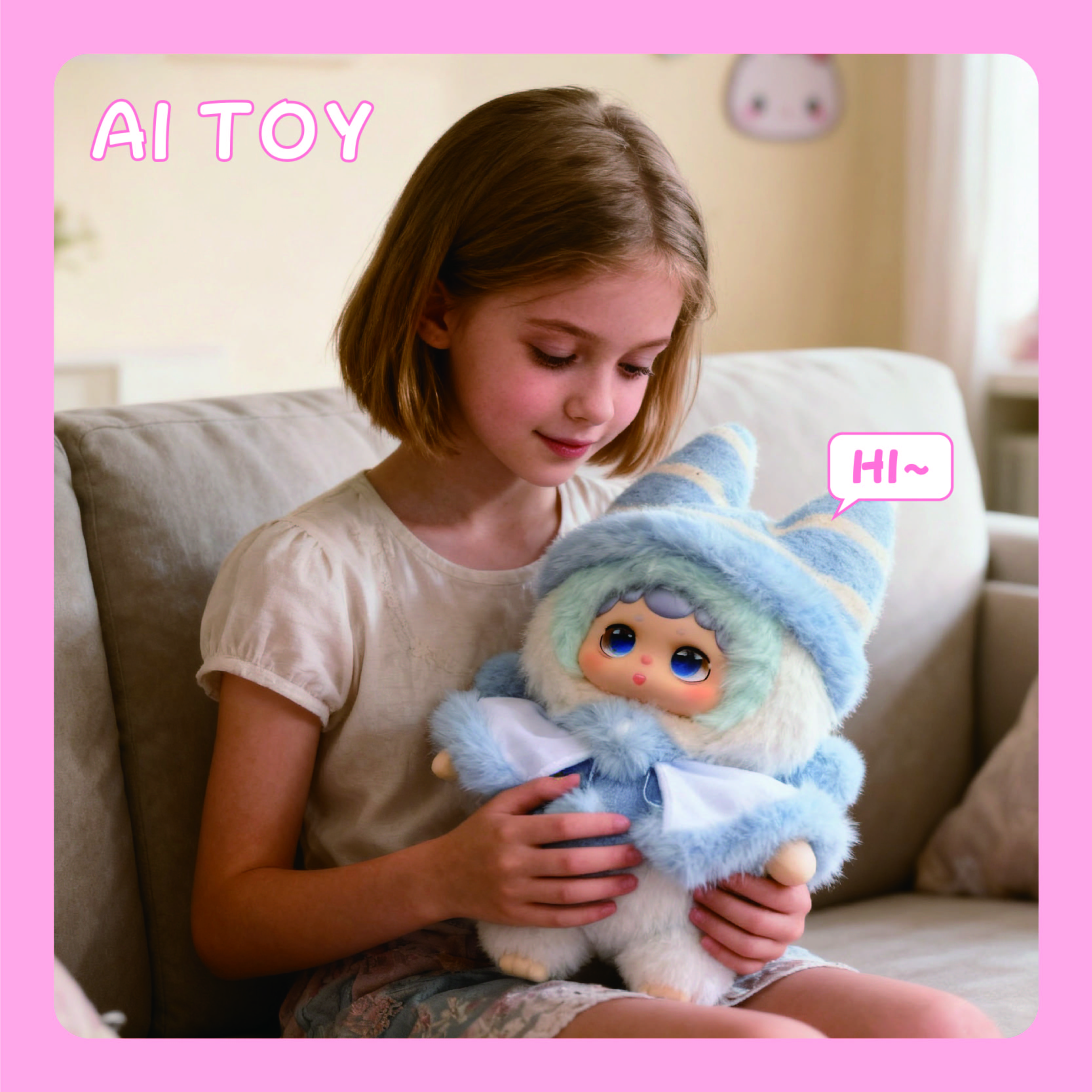
Miriat Intelligent Interactive Plush Toy Music Fox AI Version MLT-AI-S5 EN71 Certified
Equipped with internal micro-DSP chips supporting embedded interactive voice response, musical playback modules, and durable soft-touch exterior fibers.
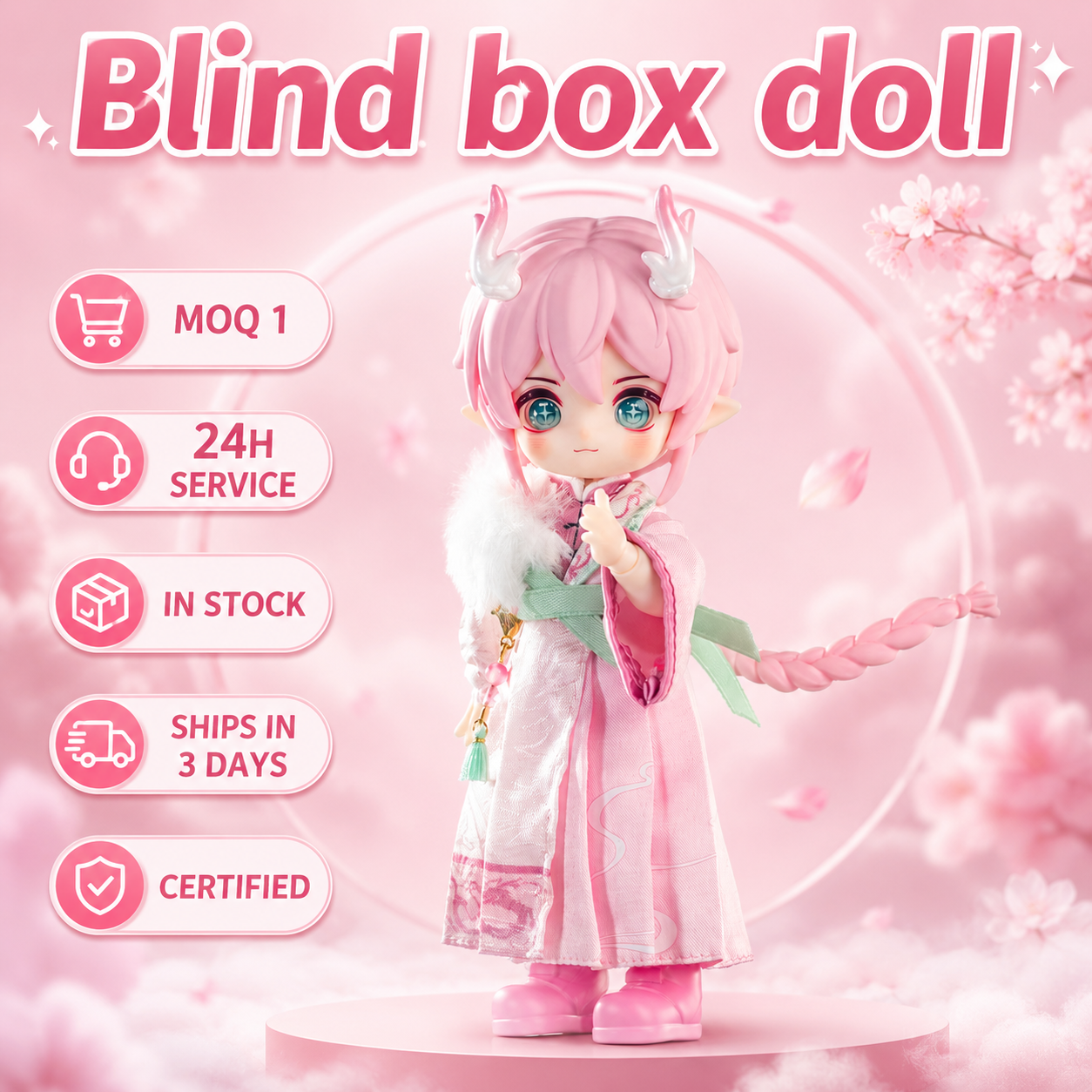
NAGI BJD Action Figures Blind Box, Fully Articulated Joints Doll
Features mechanical ball-jointed articulation with tight friction tolerances, bespoke miniature fabric garments, and interchangeable AI-rendered faceplates.
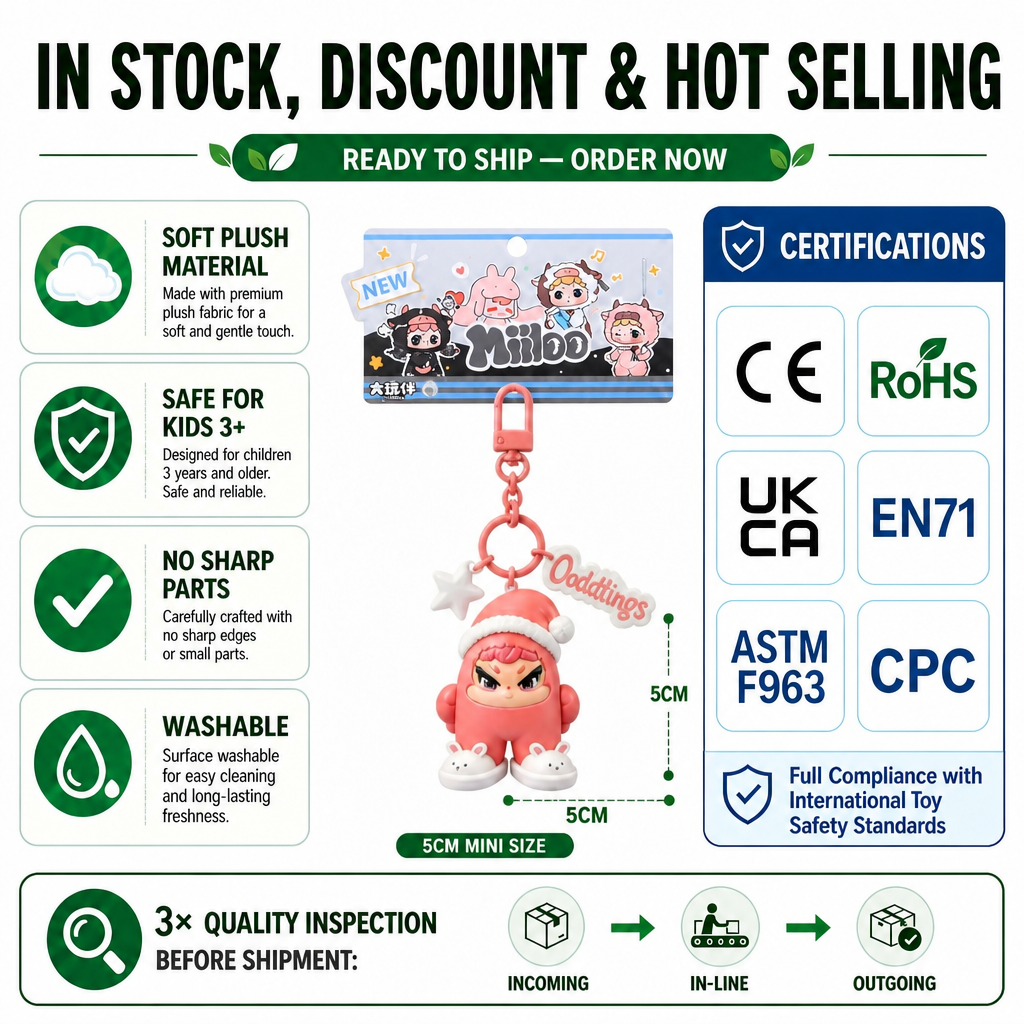
Mystery Box Plastic Animal Figurine Keychain Toy 1/12 Scale Blind Box
Compact rotocast PVC keychain figurines featuring zero-flash mold parting lines, anti-scratch clear coats, and tamper-proof foil packaging assortments.
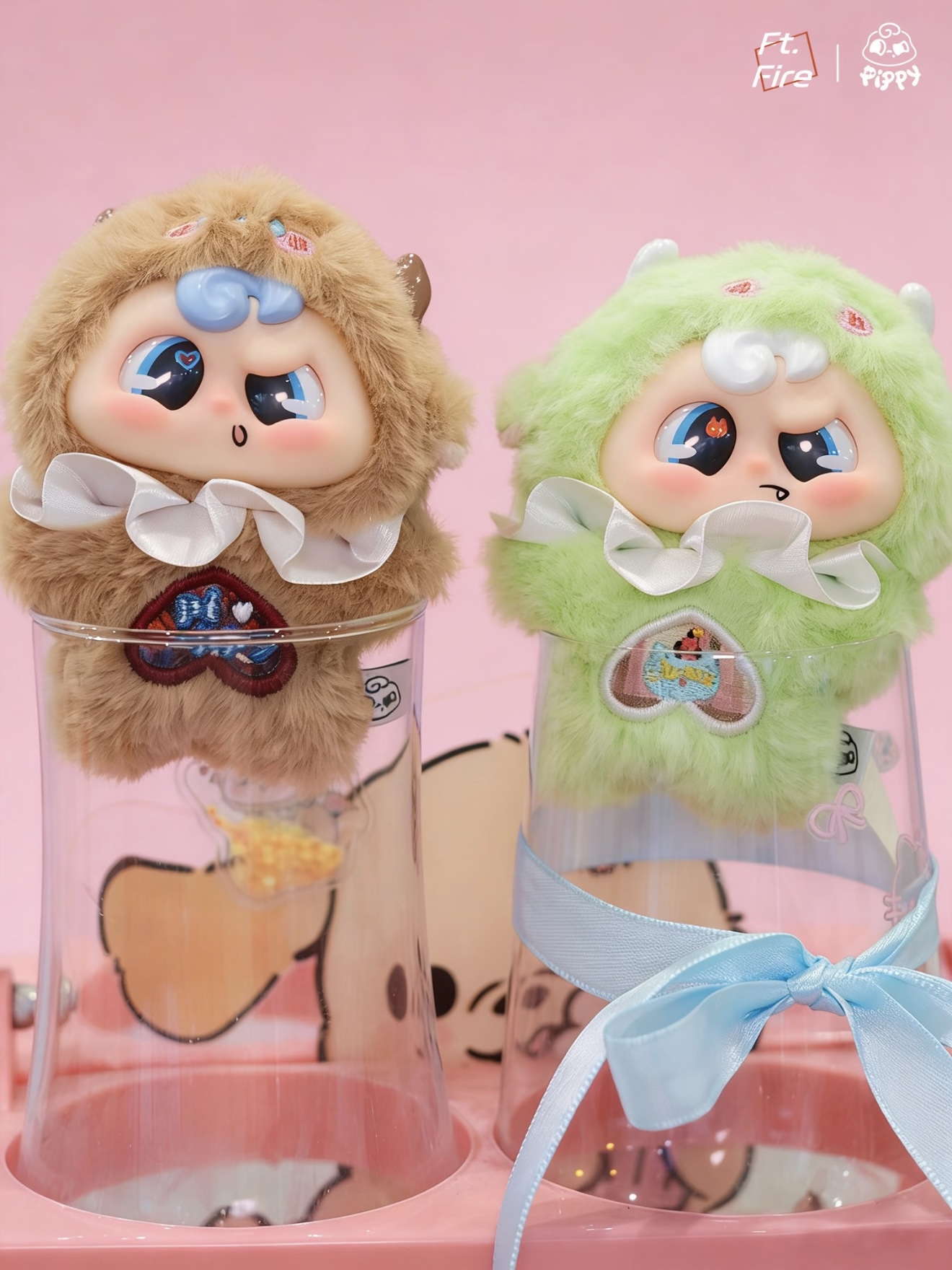
Magical Secret Realm Series Blind Box Kawaii Bunny Anime Plush Doll
Designed with complex color gradients, flocked ear accents, and internal wire armatures that recreate delicate 2D conceptual character geometry.
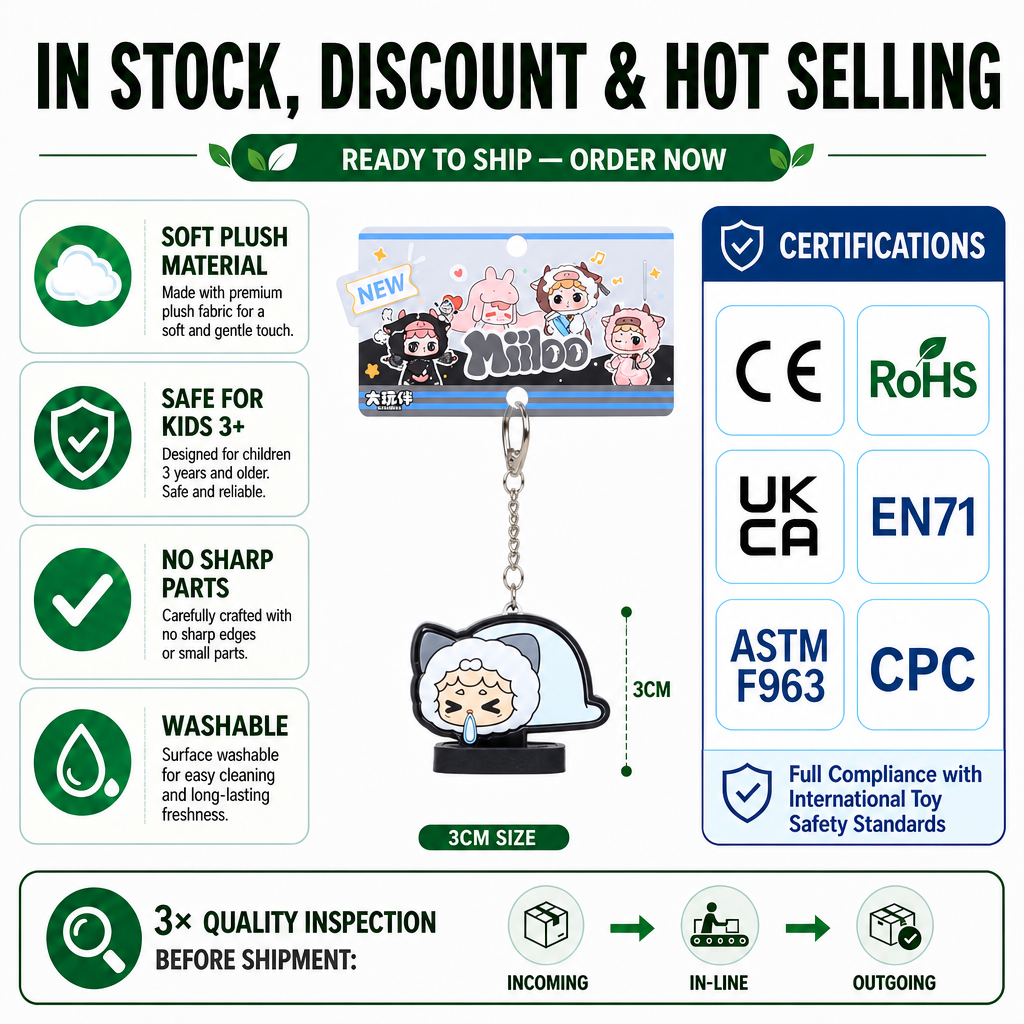
Wholesale Eco-Friendly PVC Cartoon Animal Design Reusable Sticky Phone Holder
Dual-purpose functional utility novelty crafted from medical-grade non-migrating plasticizers, providing robust vacuum retention without surface residue.
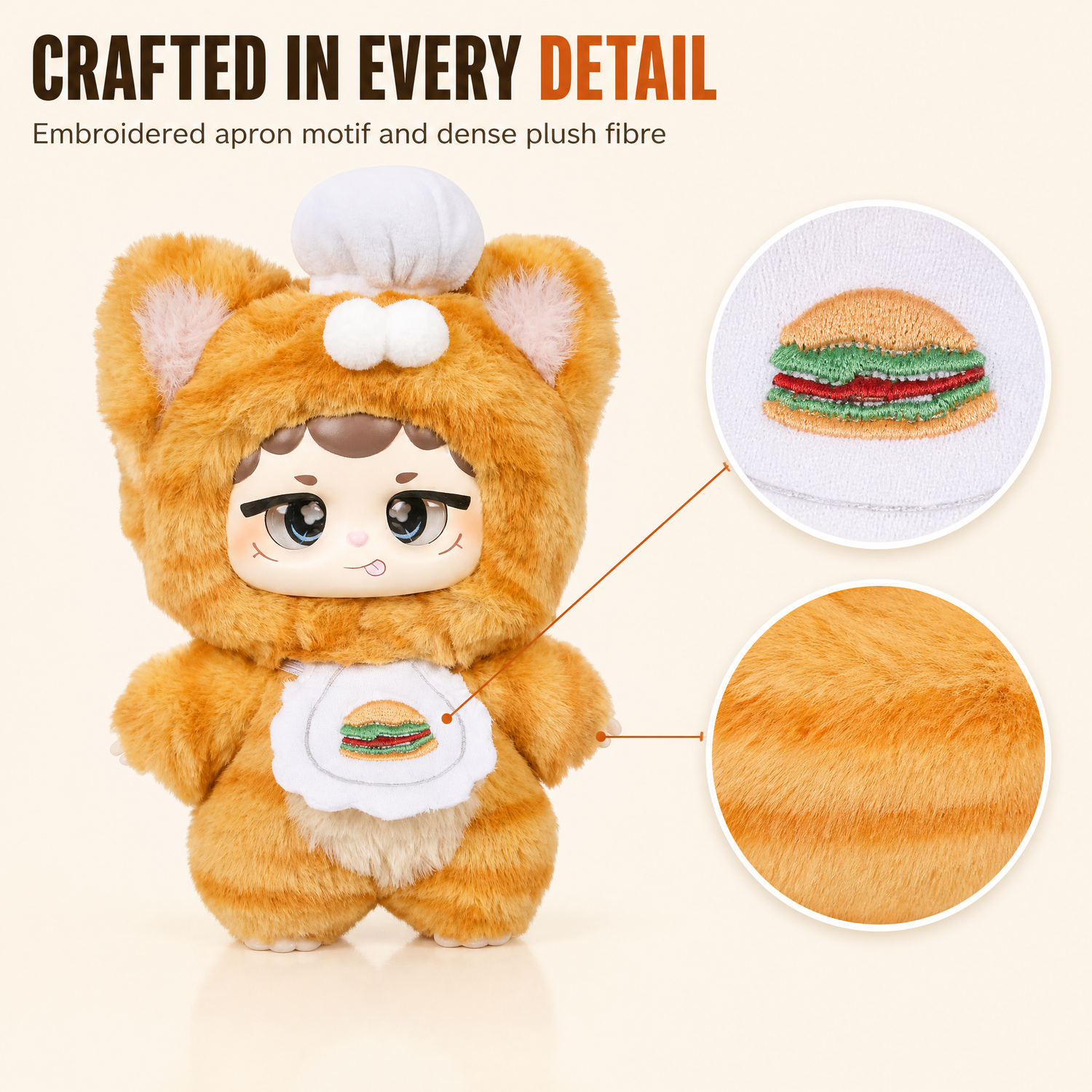
AI Plush Mystery Box Figure Doll Toy Colorful Animal Costume Collectible 18 cm
Our flagship showcase: high-fidelity vinyl facial sculpting matched with removable faux-shearling monster apparel and concealed inner weight ballast.
The Engineering Bridge: From AI Image Synthesis to Physical Tooling
Generative diffusion models like Midjourney and Stable Diffusion have permanently truncated the ideation phase of modern designer toys. However, bridging the chasm between unconstrained pixel generation and physical mass production requires sophisticated industrial design-for-manufacturability (DFM) discipline.
Draft Angles & Undercuts
AI image generators do not comprehend mechanical mold demolding. Our engineering team refactors AI renders into parasolid CAD geometry, integrating required draft angles (minimum 0.5° to 1.5°) and eliminating impossible negative undercuts through modular slide and lifter mechanics.
Wall Thickness & Shrinkage Sink
Hollow rotocast vinyl and injection-molded PVC behave distinctively during cooling. Unregulated volume transitions cause structural sink marks. We execute rheological mold-flow simulations, ensuring uniform nominal wall thickness between 1.8mm and 2.6mm across complex character torsos.
Color Separation & Pad Stenciling
Hyper-rendered prompt visuals frequently incorporate diffuse multi-tonal lighting gradients. Industrial scalability requires decomposing these hues into Pantone-matched solid masters, copper spray masks, fine-line tampon pad printing plates, and automated thermal airbrush jigs.
Top 10 Benchmark Capabilities for AI Toy Manufacturers
When selecting an OEM/ODM manufacturing facility capable of materializing AI concepts, global toy conglomerates and boutique art studios evaluate ten mission-critical capabilities.
Sub-D to NURBS CAD Topology
Leading factories possess dedicated 3D computational sculptors capable of transforming chaotic AI mesh outputs (OBJ/STL) into watertight, parametric solid assemblies suitable for CNC tooling centers.
Stereolithography SLA Master Printing
Micro-detail resolution at 25 microns using ceramic-filled photopolymer resins. This step ensures fine surface fidelity from generative hair tufts or costume textures prior to chemical electroforming.
Dual Slush & Injection Tooling
Flexibility across rotocast copper molds (ideal for hollow lightweight vinyl dolls) and hardened NAK80/H13 steel injection tooling designed for tight-tolerance ball joints and miniature blind box figurines.
In-House Tooling & Mold Workshop
Factories that control their CNC, EDM (electrical discharge machining), and polishing workshops achieve lead times under 18 days for T0 mold sampling, eliminating external tooling markups.
Hybrid Vinyl-to-Textile Stitching Lines
AI toys increasingly feature mixed material profiles: rigid ABS faces nested into soft cotton plush bodies. Facilities require dual-cleanroom sewing assembly lines next to vinyl molding floors.
Phthalate-Free Chemical Formulation
Direct bulk compounding of non-toxic PVC paste using DOTP plasticizers. Compliant manufacturers avoid secondary reclaimed materials to prevent lead, cadmium, and PAH cross-contamination.
Anti-Counterfeiting & Secret Ratio Control
Blind box series require mathematical security. Precision factories offer programmatic weight-matching across variants to defeat packaging scales and enforce unbreachable inner foil bagging.
Proprietary IP Enclave Protocols
Stringent internal data custody policies, biometric cleanrooms, and watermarked manufacturing workflows to safeguard pre-launch AI designs against early mold leaking or unauthorized reproduction.
Multi-Axis Automated Spray Masking
To keep unit economics feasible on complex multicolored AI designs, factories deploy pneumatic spray masks, CNC-cut copper stencils, and optical alignment pad printing for crisp eye decals.
Certified International Testing Support
A true Tier-1 manufacturer provides comprehensive pre-audit documentation and coordinates with accredited laboratories (SGS, TÜV, Intertek) to ensure EN71 Parts 1-3, ASTM F963-17, CPSIA lead limits, and CE/UKCA conformity before container departure.
Macro Trends Reshaping Toy Procurement Through 2030
The global art toy, designer vinyl, and intelligent novelty toy markets are undergoing radical supply chain compression. Sourcing professionals must adapt to four pivotal macro movements.
Micro-Batch Pilot Tooling (Low MOQ Agile Runs)
Traditional toy development forced initial minimums of 10,000 units to amortize high tooling costs. Emerging generative pipelines deploy modular interchangeable mold bases and rapid aluminum soft tooling, allowing consumer brands to launch market validation runs at 500 to 1,500 units before scaling into mass multi-cavity hardened steel tooling.
Emotional "Healing" & Tactile Fusion Materials
Consumer sentiment has shifted dramatically toward plush hybrid collectibles, such as vinyl-face cotton dolls and flocked textures. Procurement data indicates a 42% year-over-year surge in hybrid collectible demand, combining the unboxing surprise of blind boxes with the emotional soothing tactile properties of ultra-soft minky fabric and faux fur.
Bio-Attributed & Circular Polymers
With tightening ESG regulations across the European Union and North America, buyers are actively phasing out conventional petroleum-derived plasticizers. Procurement demands are prioritizing bio-attributed mass-balanced PVC, recycled ABS, and OEKO-TEX Standard 100 certified cotton fill to meet retail decarbonization mandates without sacrificing cosmetic surface quality.
Why Tier-1 Global Importers Partner with Tuck Toys
Operating as Shenzhen Tuck Technology Co., Ltd. (Tuck Toys), our facilities represent the pinnacle of Shenzhen’s toy-engineering ecosystem. We deliver integrated concept-to-pallet solutions for international IPs, retailers, and private label innovators.
Shenzhen Direct Manufacturing
Located in the heart of China’s high-precision mold-making capital, eliminating communication lag, middleman commissions, and logistics friction.
Rotocast & Injection Under One Roof
Seamless orchestration of hollow soft vinyl rotation, rigid ABS skeletal injection, and automated silicone pad printing across our proprietary production bays.
Strict IP Non-Disclosure Governance
We execute enforceable bilateral NDAs, quarantine proprietary 3D CAD files in offline servers, and never disclose client mold tooling to third-party marketplaces.
End-to-End Turnkey Exporting
From drop-tested protective shipping cartons to complete ocean freight documentation: EXW, FOB Shenzhen, CIF, or full DDP delivery directly to regional 3PL fulfillment centers.
Frequently Asked Questions by Professional Toy Importers
Essential regulatory, technical, and commercial guidelines for brand owners launching custom designer toys and blind box series.
What is the standard Minimum Order Quantity (MOQ) for an AI-generated custom series?
MOQs depend directly on production technology. For complex blind box series involving rotocast vinyl and injection plastic, standard production runs typically start at 1,000 to 2,000 units per design to optimize tooling amortizations. However, for emerging IP creators and market validation tests, we engineer specialized pilot programs with soft aluminum tooling for batches as low as 500 units.
How does your factory adapt 2D generative AI artwork into compliant 3D models?
Our industrial sculptors convert your 2D AI concept renders into digital clay using ZBrush and Geomagic Freeform, reconstructing hidden angles and ensuring anatomical symmetry. We then perform technical wall-thickness balancing, structural draft angle adjustments, parting line positioning, and split-joint engineering in SolidWorks before executing high-resolution SLA resin master prototypes.
What safety certifications and chemical laboratory tests are covered?
All finished products are produced with 100% virgin, non-recycled polymers and phthalate-free plasticizers (DOTP). We coordinate third-party certifications including EN71 (Parts 1, 2, and 3) for the European Union, ASTM F963-17 and CPSIA (Total Lead and Ortho-Phthalates) for the United States, REACH Annex XVII, and CE/UKCA marking. Test reports are released prior to packaging release.
What is the typical production timeline from concept sign-off to shipment?
A standard cycle proceeds through distinct milestones: 3D CAD modeling and digital approval (5-7 business days), physical SLA 3D printed and hand-painted prototype (7-10 business days), copper electroforming or steel mold tooling (25-35 calendar days), and mass production assembly, painting, QC, and packaging (30-40 calendar days). Expedited schedules are available for time-sensitive launches.
Transform Your Generative Toy Concepts Into Commercial Reality
Whether you require a limited pilot run of 500 vinyl art figures or a multi-million-unit blind box retail rollout, Shenzhen Tuck Technology Co., Ltd. provides the direct factory engineering, mold precision, and certified compliance your brand demands.