Silicone / PVC
Wholesale Eco-Friendly PVC Cartoon Animal Design Reusable Sticky Phone Suction Cup Holder
Non-Phthalate PVC
Multi-Surface Suction
OEM Colorway
Explore production-tested physical platforms engineered with food-grade vinyl shells, embedded micro-NPU voice modules, multi-conversation firmware, and sensory capacitive plush skins.

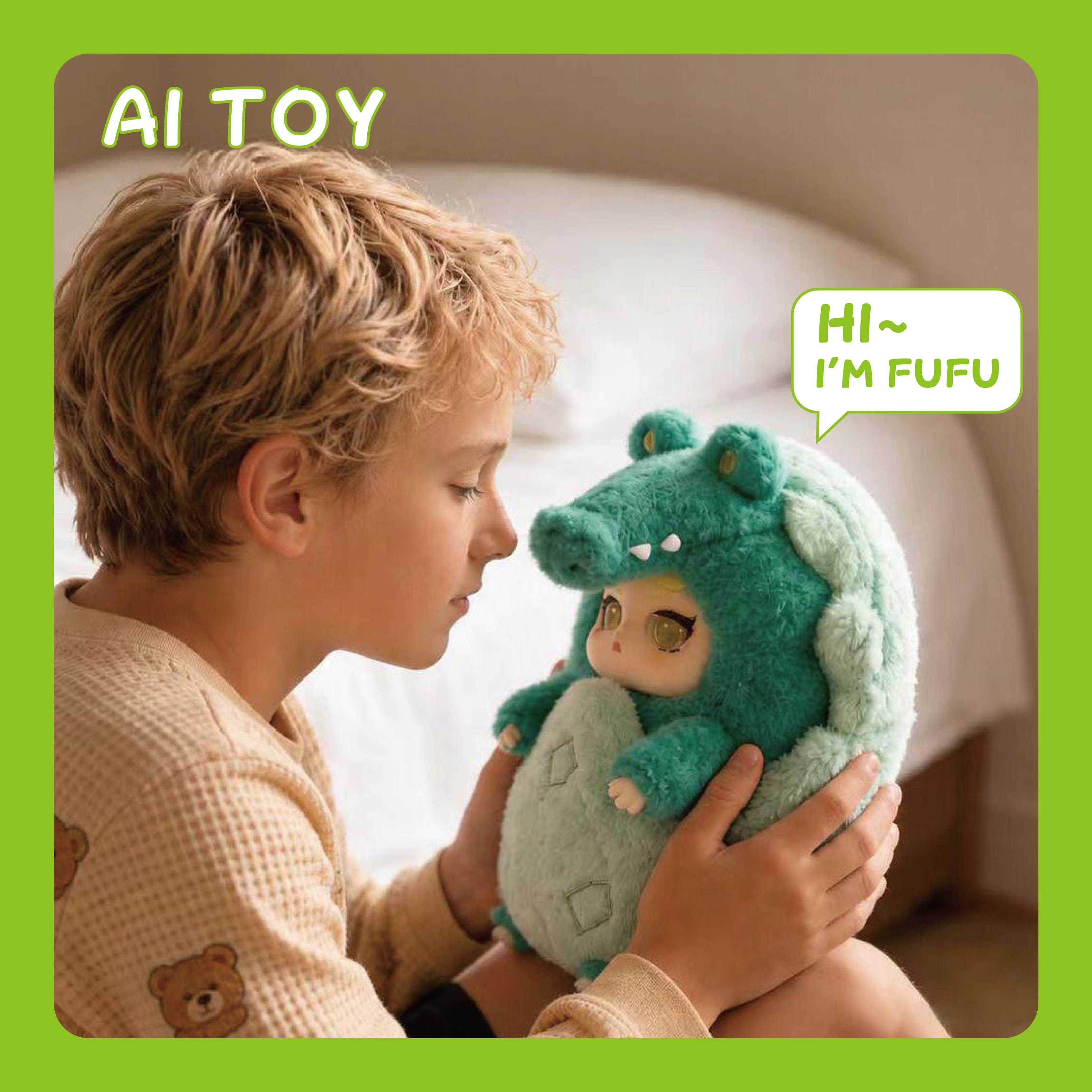
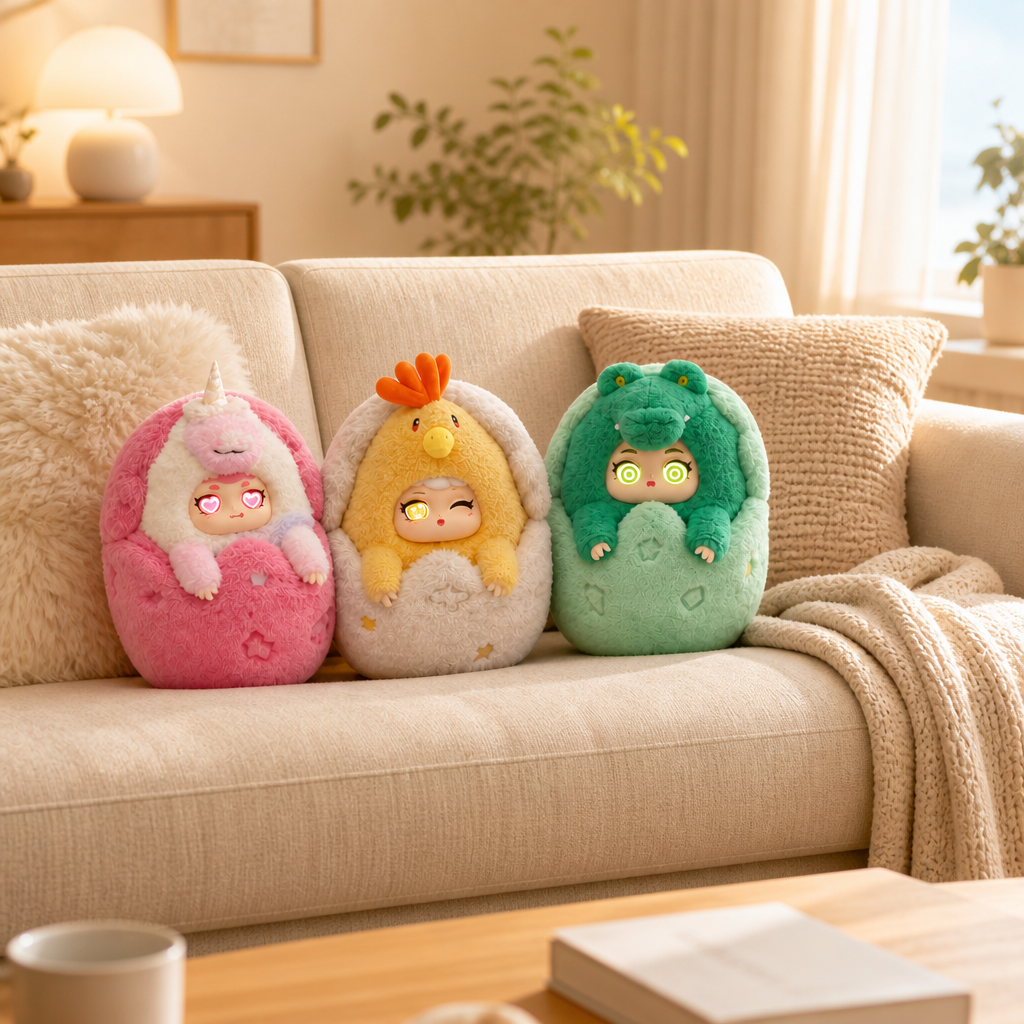
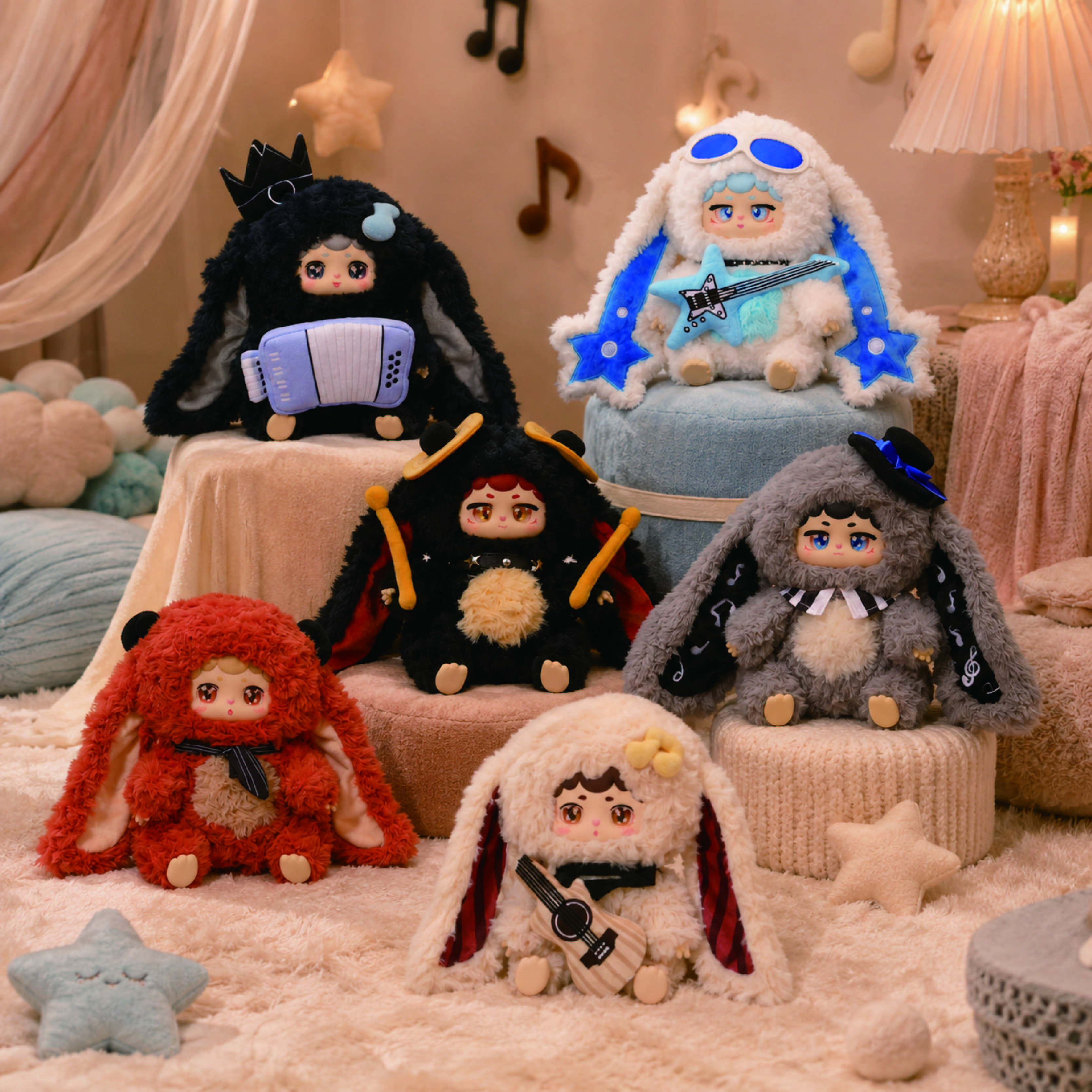
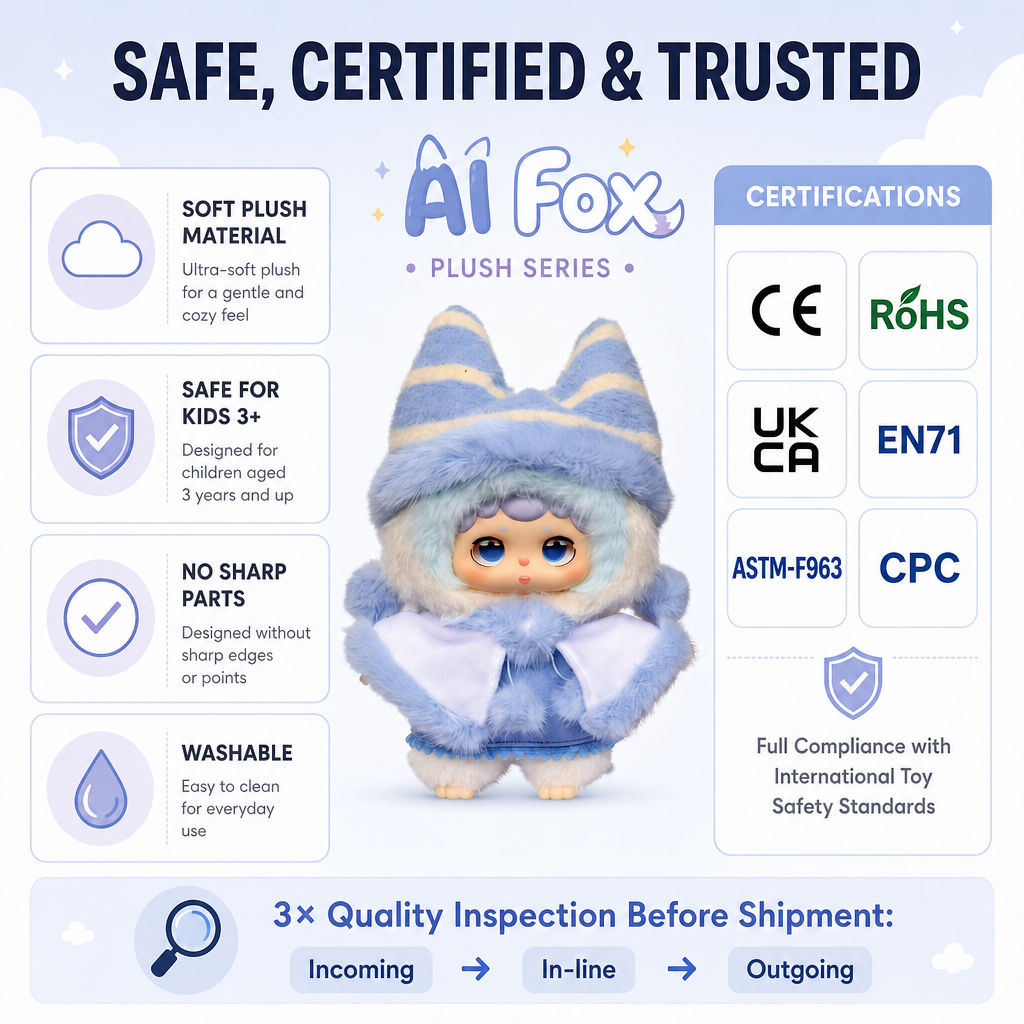
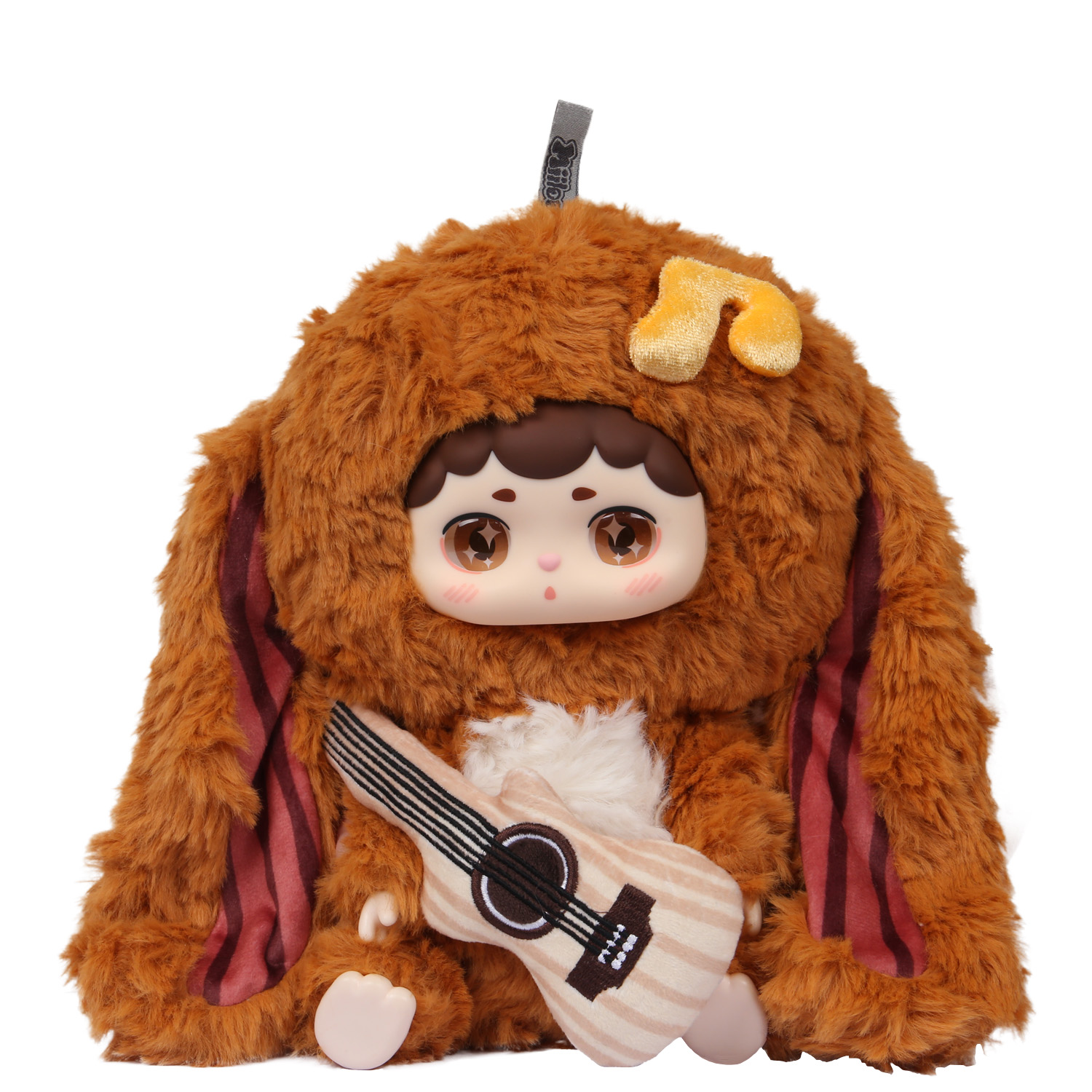
A rigorous assessment of engineering capabilities, cleanroom electronics assembly, rotary molding precision, firmware security, and edge-LLM integration across Tier-1 toy suppliers.
| Manufacturer Profile | Core Domain & Materials | AI Architecture / Voice Latency | Tooling Lead Time | Compliance & Data Security | MOQ Flexibility |
|---|---|---|---|---|---|
| 1. Shenzhen Tuck Technology Co., Ltd. (Tuck Toys) | Rotocast Vinyl + Stuffed Plush Hybrids, High-Precision Injection PVC | Edge-to-Cloud Hybrid (BLE/Wi-Fi), Dual MEMS Mics, <450ms TTS | 18–25 Days (Rapid 3D SLA to Steel Tooling) | COPPA, GDPR-K, EN71-1/2/3, ASTM F963, FCC-ID, CE-RED | Low Pilot Runs (500 pcs) to High Volume (200k+) |
| 2. Dongguan Precision Silicon-Plastic Electronics | ABS Motorized Shells, Mechanized Servos | Cloud-Only Voice Relay, Single Mic array, ~1100ms | 35–45 Days | CE, RoHS, REACH | 5,000 pcs strict |
| 3. Shantou Chenghai Smart Robotics Cluster | Low-Cost Rigid ABS, RC Transmitters | Pre-recorded Voice IC, Fixed Prompt Trees, Offline | 20–30 Days | EN71, CCC | 3,000 pcs |
| 4. Huizhou Acoustic & Sensory Hardware OEM | Plush Puppets, Soundbox Enclosures | Bluetooth Audio Streaming (Smartphone Dependent) | 28–35 Days | EN62115, ASTM | 2,000 pcs |
| 5. Zhejiang Electronic Plushie Works | Classic Polyester Fiberfill, Basic Speaker Pouch | Embedded Wake-Word IC with Limited Vocabulary | 30–40 Days | ASTM F963, ISO 8124 | 2,500 pcs |
| 6. Jiangsu Smart Mechanical Puppet Foundry | Internal Mechanical Skeletons, Animatronic PVC | Motor-Synchronized Lip Flap via Analog Signal | 45–60 Days | CE, EMC | 1,500 pcs |
| 7. Shenzhen Silicon Valley IoT Miniature Lab | 3D Printed Resin / Low Batch Polycarbonate | Raspberry Pi / Linux Edge AI Boards, High Power Drain | 15–20 Days | FCC, CE | 100 pcs (High Per-Unit Cost) |
| 8. Ningbo Art Toy Collectibles & Blind Box Co. | Designer PVC, Rotocast Vinyl, Cold Resin Art Toys | NFC Passive Tagging Only (No Native Compute) | 25–30 Days | Prop 65, EN71 | 1,000 pcs |
| 9. Dongguan Electromechanical Doll Corp | Walking Dolls, PE Blow Molding Bodies | Sound Sensor Triggered Loop Playback | 40–50 Days | ASTM, CPSIA | 3,000 pcs |
| 10. Guangzhou Digital Avatar Plush Hub | Plush with LCD Screen Visor (Virtual Face) | Android Sub-Board, High Thermal Dissipation | 35–45 Days | CE, UL Battery | 2,000 pcs |
The traditional toy manufacturing ecosystem is undergoing an unprecedented paradigm shift. Historically, electronic interactive toys relied on hard-coded read-only memory (ROM) sound modules that cycled through 10 to 30 canned phrases triggered by basic tactile switch buttons. These legacy mechanisms fail to captivate modern digital-native children and adult collectors ("kidults") who demand empathetic, open-ended conversational intelligence and tactile organic aesthetics.
Today's market leaders are synthesizing two disparate manufacturing disciplines: ultra-tactile designer art toy finishes (rotocast vinyl, flocking, bespoke fabric tailoring) and low-latency embedded AI hardware. Shenzhen Tuck Technology Co., Ltd. sits at the nexus of this revolution. By integrating miniature acoustic resonance chambers, custom-damped speaker gaskets, and non-intrusive capacitive sensor arrays directly within soft-touch vinyl and plush boundaries, Tier-1 suppliers can deliver emotionally responsive physical avatars without sacrificing child-safe mechanical durability or sensory warmth.
Key technological, regulatory, and supply chain shifts every procurement director and brand licensor must audit prior to opening factory tooling allocations.
Buyers are shifting away from pure cloud-reliant architectures that suffer from awkward 2-to-3-second conversational lulls. Modern RFQs require on-chip Voice Activity Detection (VAD) coupled with compressed sub-1B parameter quantized edge SLMs for instantaneous conversational fillers ("Hmm, let me think...") while full cloud LLMs process rich contextual replies.
Strict global child data privacy regulations demand physical tamper-proof hardware architectures. Procurement specifications now mandate local voice-stream anonymization, hardware kill-switches for far-field microphone arrays, and cryptographically verified private cloud relays that never train public foundation models on raw audio logs.
Pure plastic feels too cold for bedtime comforting, while pure plush lacks facial structure and stable housing for sensory electronics. Sourcing contracts are surging for vinyl-plush hybrids: rotocast soft-PVC heads hosting microphone and camera sensors, seamlessly stitched to machine-washable cotton-poly plush bodies housing isolated battery packs.
Examining the engineering breakthroughs driving sensory intelligence, thermal dissipation, drop-proof circuit protection, and continuous emotional calibration.
Embedding conductive silver-thread traces within outer plush layers turns the entire toy body into a contextual touch sensor. Hugging, patting, stroking, or shaking sends direct trigger interrupts to the MCU, altering emotional state vector outputs without visual camera reliance.
Moving beyond static painted plastic eyes, suppliers are integrating curved micro-OLED circular displays or pixel-matrix diffusion panels beneath tinted translucent rotocast vinyl shells. This enables lifelike pupil dilation, blinking, tear animations, and emotional sleep sequences.
High-end voice synthesis sounds tinny and grating when passed through unsealed plastic boxes. Advanced foundries construct sealed bass-reflex sound chambers inside plush torso cavities, yielding rich, warm vocal timbres that mimic a soothing human bedtime whisper.
Children drop toys from high chairs onto ceramic tiles. Smart toy PCBA engineering requires potting encapsulation, flexible FPC flat cables, reinforced battery cages, and passive graphite thermal spreaders that prevent localized hotspots during continuous AI processing.
Headquartered in Shenzhen—the world's capital of hardware innovation—Shenzhen Tuck Technology Co., Ltd. operates an integrated design, mold tooling, rotational casting, and cleanroom electronics facility engineered for uncompromising quality.
From initial ZBrush/Rhino 3D digital sculpts and rapid SLA prototypes to high-yield beryllium copper rotocast molds and SMT PCB assembly, our centralized Shenzhen location shrinks iterative R&D turnaround from months to weeks.
We work under rigorous bi-lingual Non-Disclosure Agreements (NDAs). Proprietary steel molds, character CAD masters, and customer software firmware keys are secured in partitioned, access-controlled toolrooms. We never cross-sell client molds or unauthorized overruns.
Every gram of resin, plasticizer, flocking adhesive, and plush fiber is independently verified non-toxic, phthalate-free, and lead-free. Fully qualified for direct shipment into the European Union (EN71, CE-RED), North America (ASTM F963, CPSIA, FCC-ID), and Japan (ST-Mark).
Essential technical, contractual, safety, and logistical answers direct from Tuck Toys project managers to streamline your supplier qualification process.
For standard collectible vinyl toys or blind box series using established tooling structures, pilot runs can commence as low as 500 to 1,000 units. For fully customized AI electronics featuring proprietary SMT circuit boards and specialized far-field mic cavities, our typical production pilot starts at 2,000 units to amortize regulatory testing and chip programming fees.
We implement hardware-level security architectures. The toys do not store raw conversational audio locally. Audio streams are digitized into temporary RAM buffers, encrypted via AES-256, transmitted through closed customer-specified API tokens, and immediately wiped upon response synthesis. Physical microphone disconnect switches can also be integrated into the toy's mechanical design.
A typical end-to-end milestone breakdown: 3D digital sculpting and engineering turnaround takes 5–7 days; physical SLA 3D printed and hand-painted aesthetic prototype takes 7–10 days; steel mold fabrication and electroformed rotocast tooling takes 20–25 days; pre-production pilot testing and safety certification takes 14 days; followed by mass production at 30–40 days.
Yes. Our in-house QC laboratory conducts torque, tension, drop, seam-strength, and thermal battery stress evaluations prior to sending final production samples to accredited third-party laboratories (SGS, TÜV, or Intertek) for official certifications according to your destination market requirements.
We exclusively utilize UN38.3 and UL1642 certified lithium-polymer cells. Each battery pack is isolated within a rigid, flame-retardant ABS fire-proof enclosure positioned at the toy's gravitational center, buffered by impact-absorbing EVA foam layers and protected by dedicated overcharge, overdischarge, and short-circuit protection ICs.
We manufacture custom retail-ready packaging ranging from metallic anti-peek foil bags and UV-spot blind box display cases (PDQs) to high-density EVA-foam gift boxes, magnetic collector book boxes, and clear window blister displays with certified hang tags and multi-language barcode labels.