B2B Manufacturing Intelligence & Whitepaper

Top 10 AI Toy Recommendation Manufacturer & Exporter

Strategic Procurement Blueprint, Hardware-Software Integration Trends, and OEM/ODM Engineering Standards for the Next Generation of Smart Interactive Collectibles.

100%
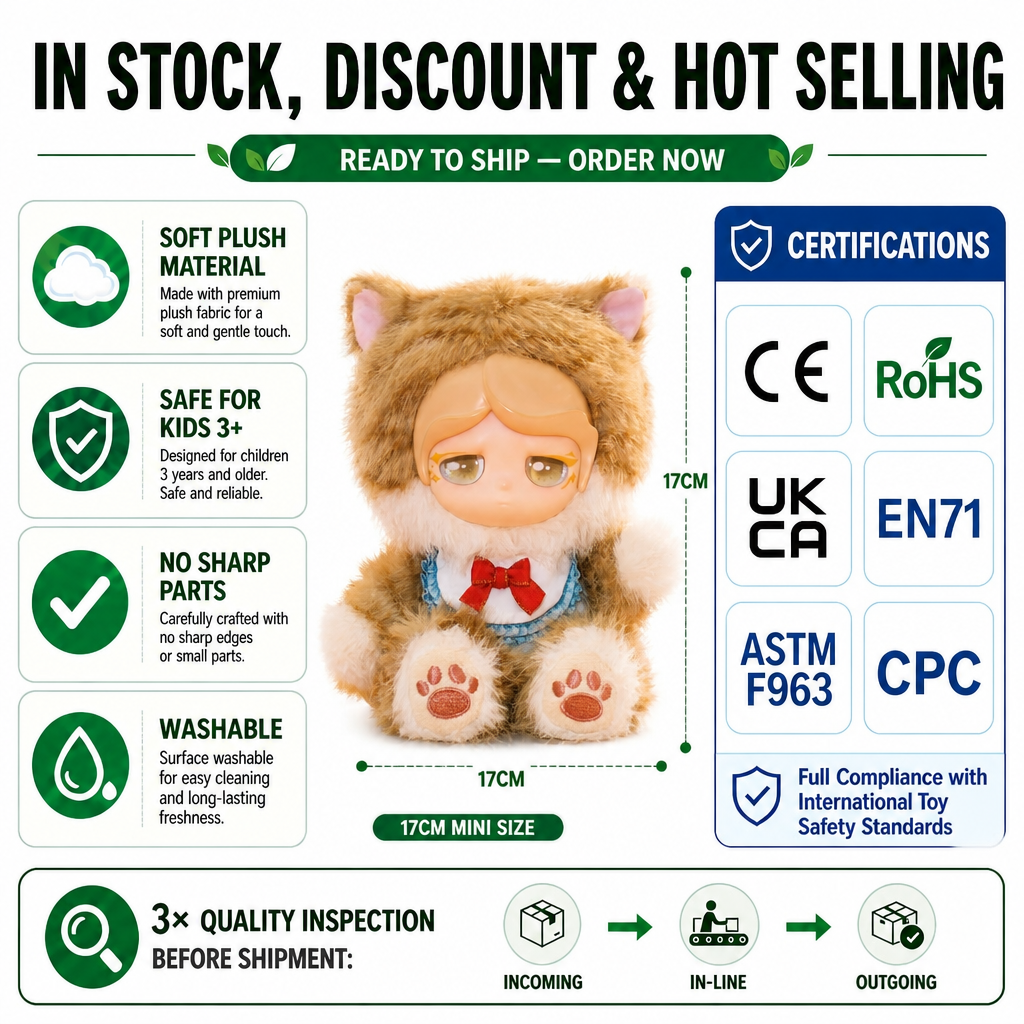
Safety Tested (EN71/ASTM)
15ms
Low-Latency Voice Response
500K+
Monthly Unit Run Capacity
0Leak
Confidential NDA Record
Factory Catalog

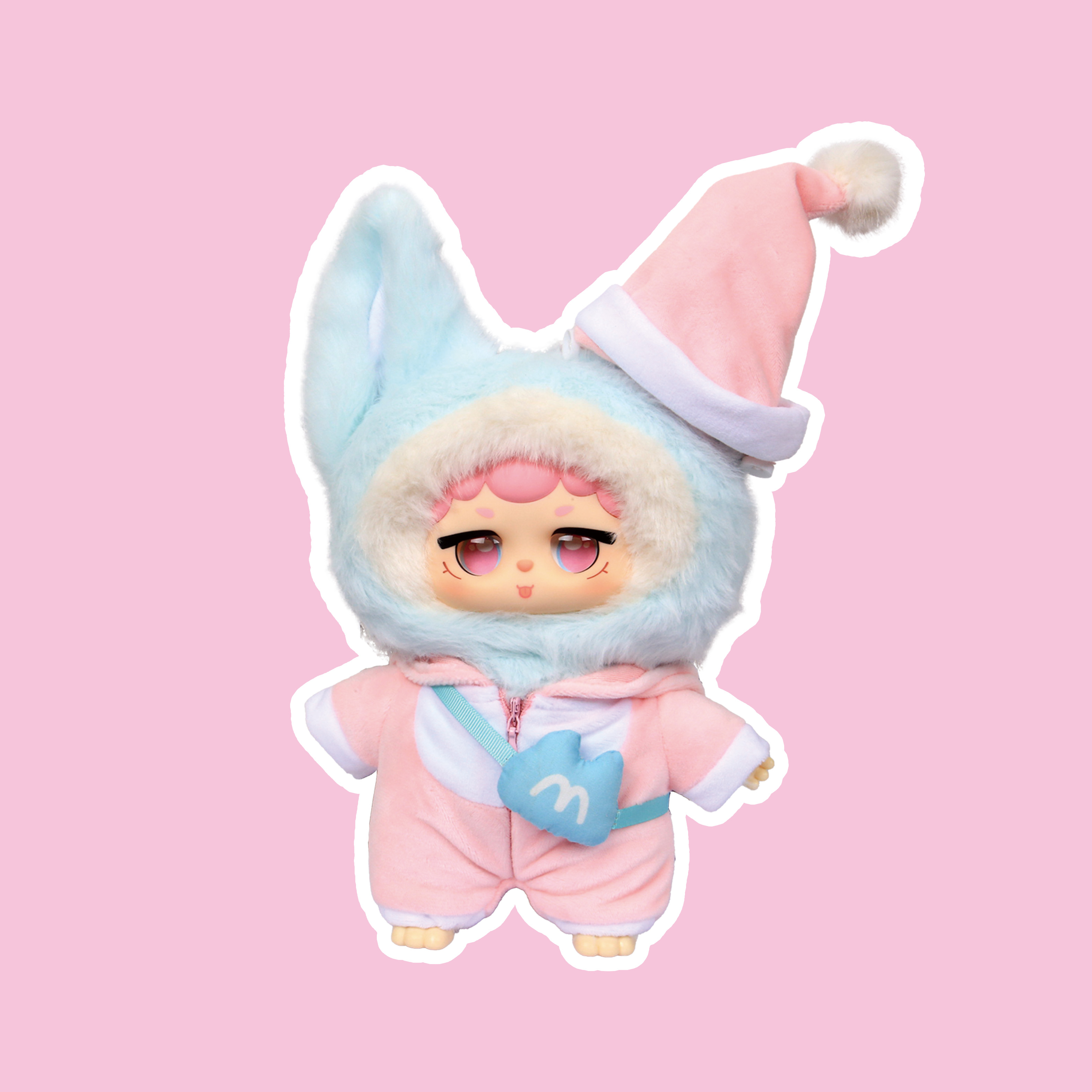
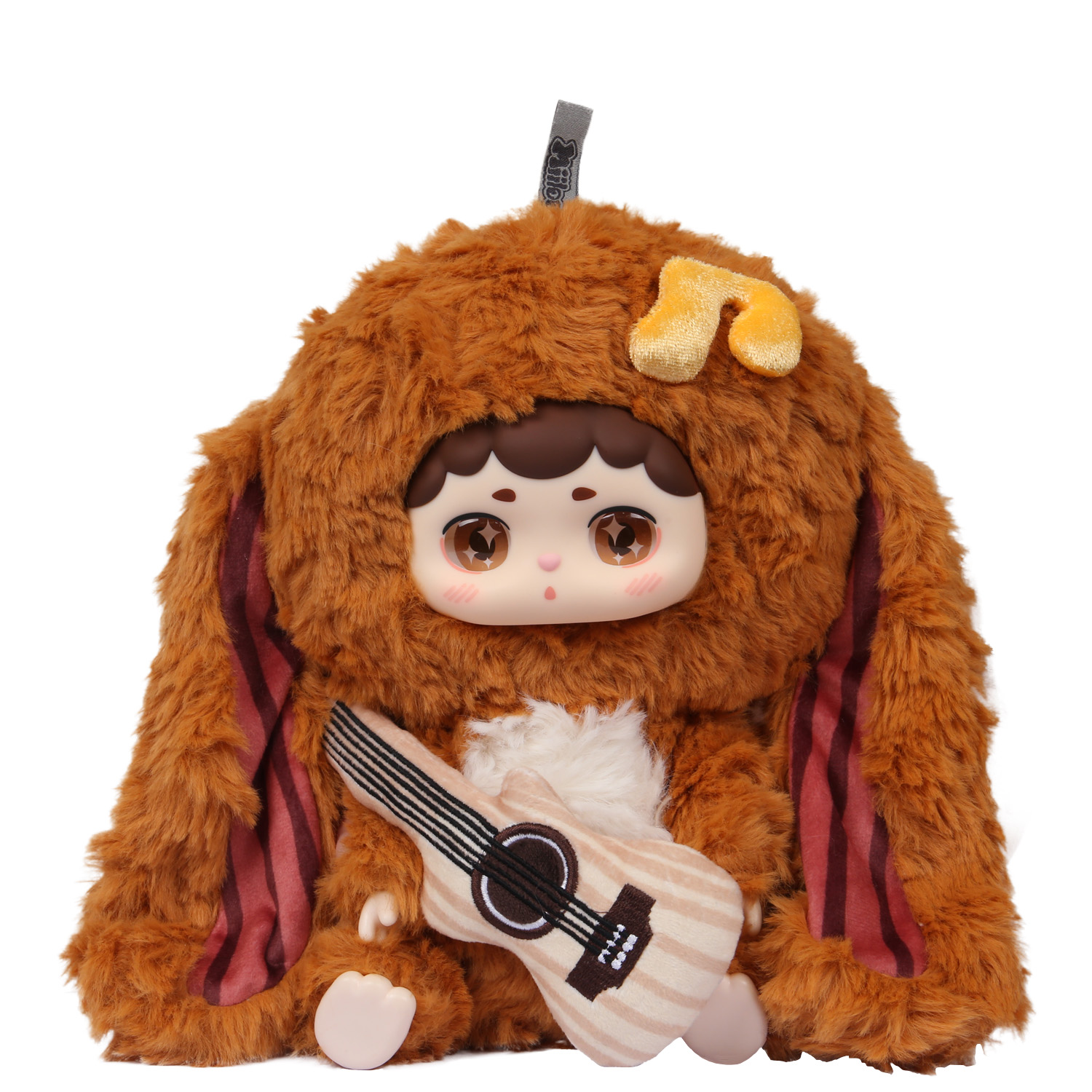
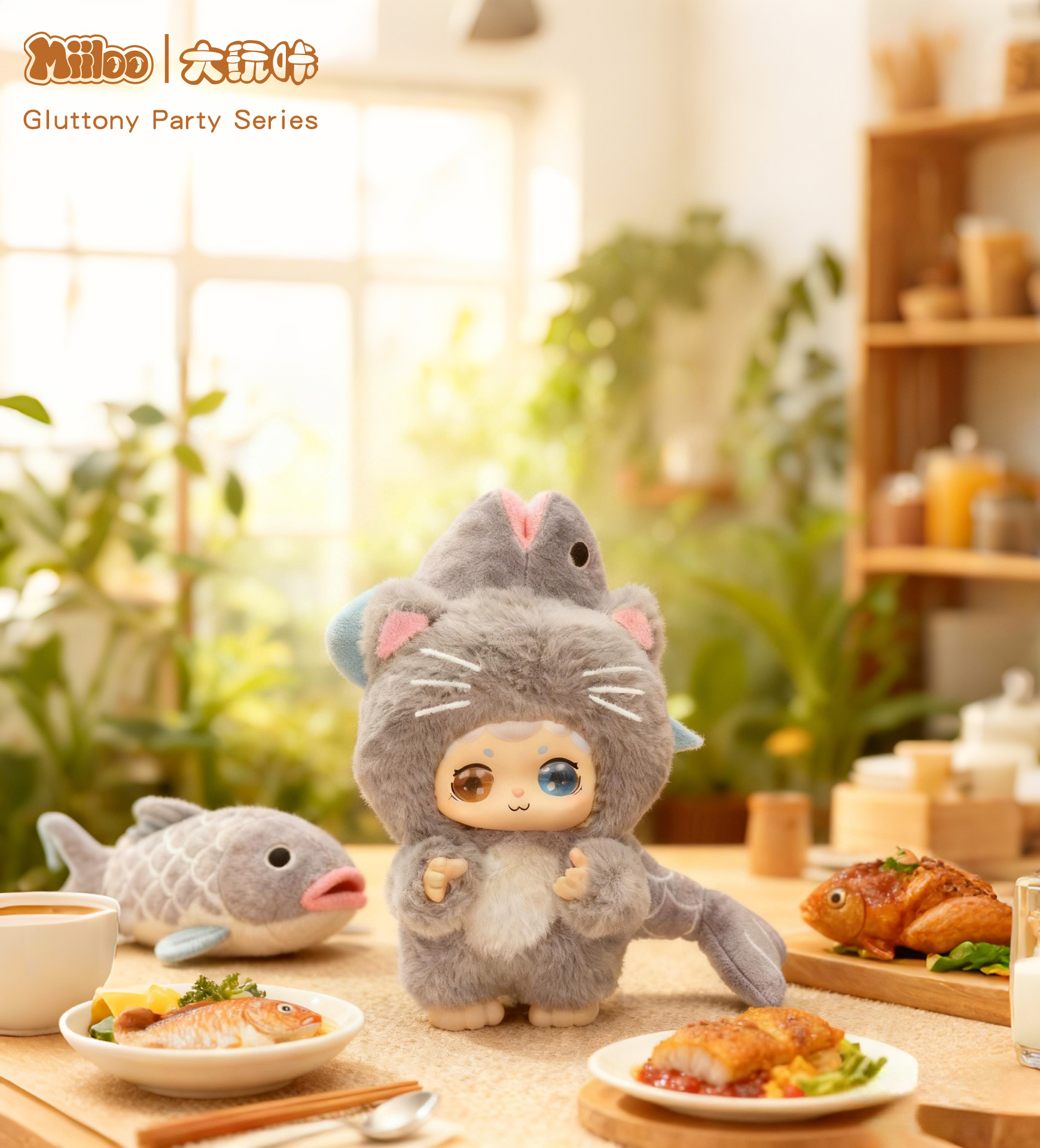
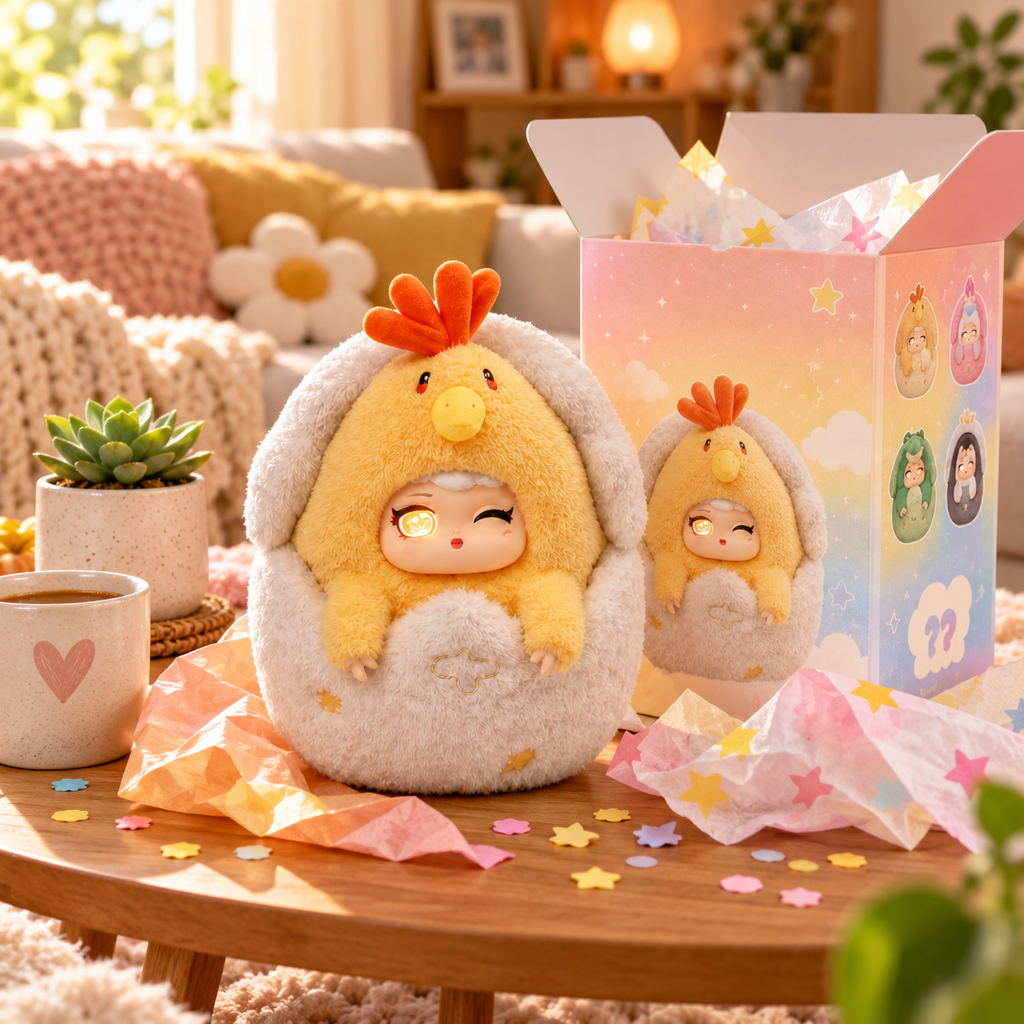
Top-Tier AI & Collectible Plush Hardware Lineup

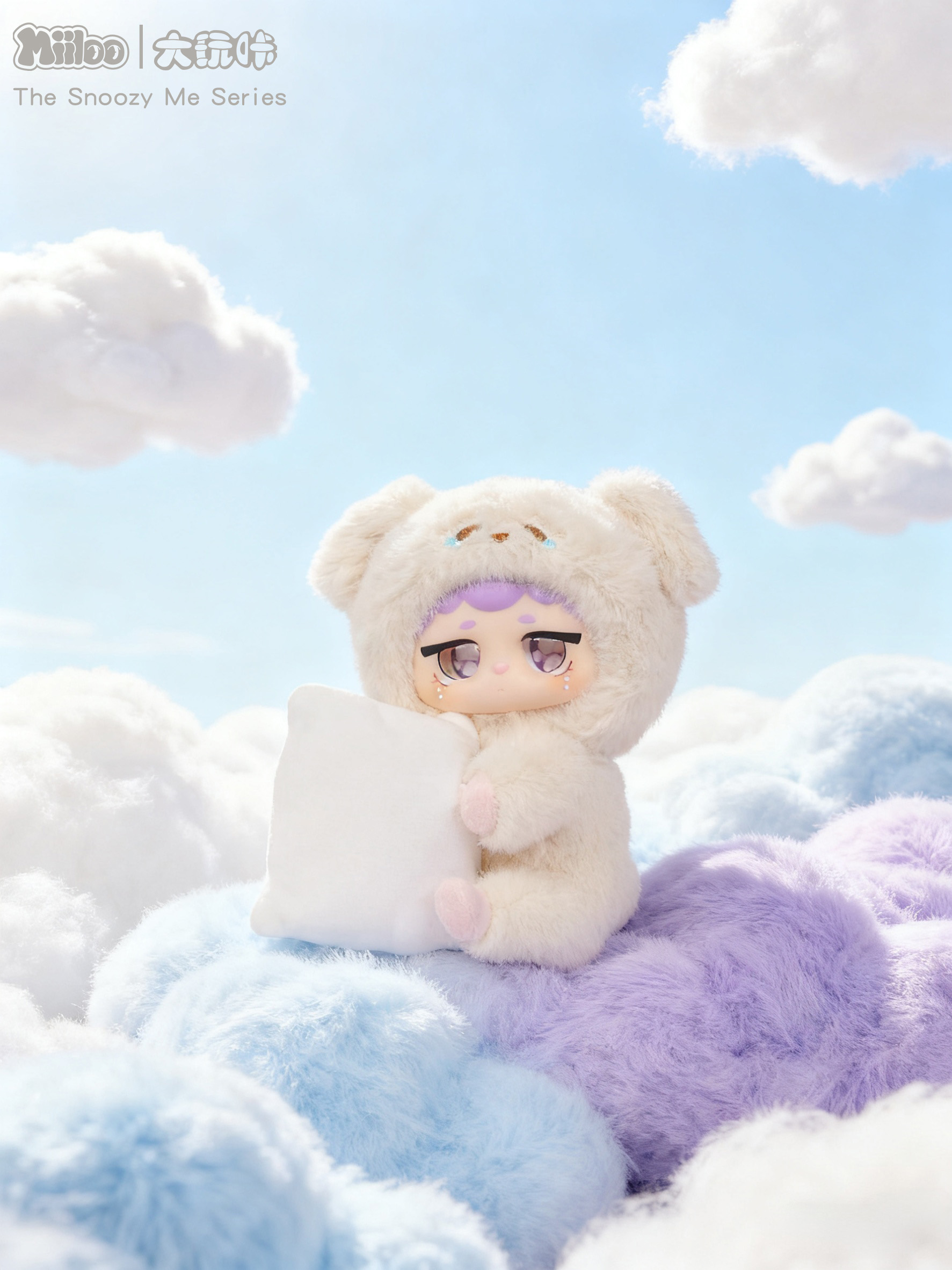
Precision-molded vinyl, sensory-embedded microcontrollers, and cloud-synced plush companions engineered directly from our Shenzhen facilities.

R&D Roadmap

Engineering Trends Shaping the AI Smart Toy Landscape

The convergence of generative AI microservices, edge computing chips, and high-sensory tactile materials is transforming conventional playthings into hyper-personalized sentient companions.

Edge-AI & Low-Latency Speech

Modern consumers demand real-time dialogue without awkward latency. Toy designs are transitioning from heavy, cloud-dependent roundtrips to localized edge inference for wake-word engines, sensory reflex computation, and instantaneous emotional tone recognition.

Neural Audio Co-Processors Edge Wake-Word Sub-200ms Response

Hybrid Tactile Fusion (Vinyl + Fabric)

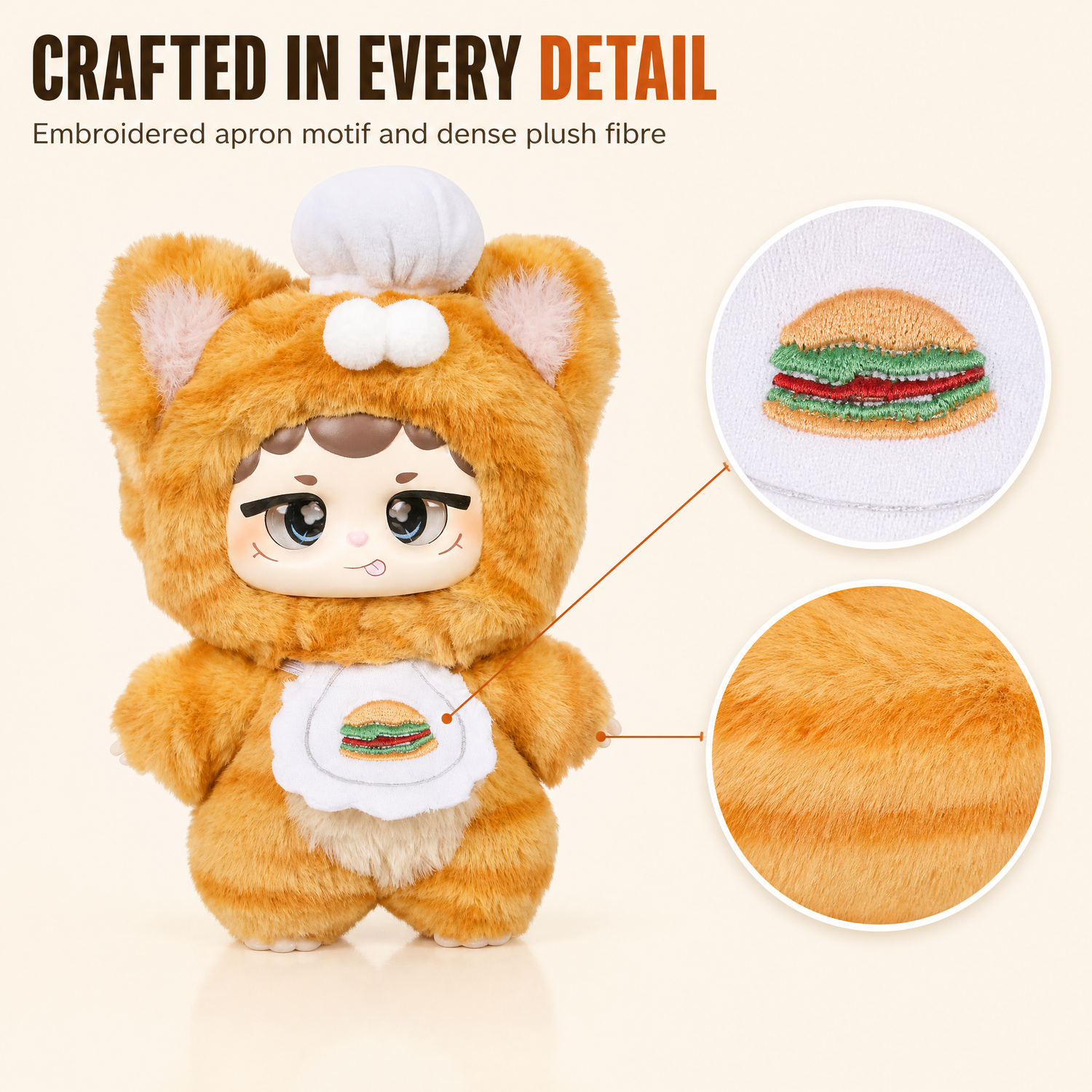
Collectibles are shedding cold, pure plastic bodies in favor of composite manufacturing. By pairing precision-sculpted rotocast vinyl facial elements with ultra-soft, washable plush torsos, brands achieve an uncanny blend of emotional warmth and structural fidelity.

Rotocast Faceplates Hypoallergenic PP Cotton Hidden Haptic Nodes

Localized Child Safety & Data Guardrails

Privacy regulations (COPPA, GDPR-K) have fundamentally reshaped digital play. Next-generation smart toys prioritize client-side voice encryption, opt-in memory wiping, zero personal identity tracking, and hardware-level acoustic mic toggles directly at the PCB stage.

COPPA/GDPR Compliant Hardware Kill Switches End-to-End Encryption
Procurement Analysis

Global B2B Sourcing Strategies for Importers & Brands

A rigorous evaluation of supply chain consolidation, turnkey contract engineering, and risk mitigation when transitioning from digital sketches to high-volume retail shelves.

1. The Shift Toward Turnkey Hardware-Software Manufacturing Partners

In legacy procurement paradigms, international IP owners were forced to coordinate between disjointed vendor tiers: plastic molding plants in Dongguan, textile sewing facilities in Zhejiang, and IoT software developers in third-party hubs. This fragmentation invariably bred critical integration failures, such as internal battery heat warping vinyl shells, acoustic muffling due to thick plush layers, or software firmware unable to calibrate with bespoke capacitive touch sensors.

Today, leading toy brands and corporate licensors work exclusively with integrated, cross-disciplinary facilities like Shenzhen Tuck Technology (Tuck Toys). Direct vertical consolidation—uniting 3D sculptors, tooling engineers, circuit board designers, robotic spray painters, and cleanroom textile assemblers under a unified Shenzhen management infrastructure—drastically curtails sampling cycles, eliminates margin stacking, and guarantees strict electrical-mechanical synchronization.

2. Navigating Compliance Convergence: Physical Toys vs. Connected IoT Devices

Sourcing AI plush toys and electronic collectibles places importers directly at the intersection of two rigorous regulatory domains. On the physical dimension, toys must satisfy mechanical drop resistance, anti-choking small parts metrics, and chemical non-toxicity standards such as EN71 Parts 1, 2, 3 and ASTM F963 / CPSIA (governing total lead, phthalates, and flame retardance).

Concurrently, the presence of active microchips, wireless antennas, and lithium-polymer energy cells triggers mandatory compliance with FCC ID, CE-RED, RoHS, UN38.3 battery transport validation, and WEEE disposal protocols. An experienced exporter must maintain calibrated internal test benches and established testing tracks with accredited third-party labs (SGS, TÜV Rheinland, Intertek) to ensure certified compliance dossiers are accessible before cargo departure, preventing costly customs seizures.

Corporate Edge

Why Tier-1 Toy Brands Choose Tuck Toys as Their Export Engine

Harnessing Shenzhen's elite high-tech hardware ecosystem and industrial molding dominance to bring collectible IP from conceptual draft to global commercialization.

Comprehensive Multi-Material Mastery

We do not restrict your imagination to one medium. Our facilities excel across injection-molded ABS, rotocast vinyl, ultra-soft minky fabrics, silicone peripherals, and delicate electroplated metal charms. Whether crafting our proprietary Miiloo Universe or custom licensed IP, textures harmonize seamlessly.

Shenzhen Direct Manufacturing Speed

Based in the epicenter of the global electronics and tooling corridor, we move from initial 2D turnaround drawings to rapid SLA/SLS resin master 3D prototypes in days. Steel and copper electroformed tooling is cut with micron-grade CNC precision, optimizing production turnaround significantly ahead of national averages.

Absolute IP Security & White-Glove Export

We respect intellectual property with strict NDA agreements, private tool management vaults, and restricted production zones. Paired with flexible international logistics—handling FOB Shenzhen, EXW, or DDP direct-to-warehouse drops with crush-tested retail cartons—we safeguard your product from inception to final unboxing.

Procurement Guide

Frequently Asked Questions by Professional Toy Importers

Key clarifications regarding development cycles, compliance criteria, pilot runs, and intellectual property custody.

What is the standard MOQ for custom AI plush and vinyl figures?

MOQ varies based on project engineering scope. For bespoke rotocast vinyl figures or plush blind box series, pilot orders generally start at 1,000 to 2,500 units per design to offset copper/steel tooling fabrication. For fully customized electronic AI plush companions with bespoke PCB layouts, initial production batches typically begin at 3,000 units, while low-MOQ market test runs are accessible for standardized smart modules.

What is the typical timeline from digital concept to shelf-ready goods?

A standard OEM turnkey cycle spans approximately 60 to 90 business days. This breaks down into 3D CAD modeling and prototype styling (10–14 days), client prototype review and tactile sign-off (7–10 days), mold tooling and PCB firmware flashing (25–35 days), followed by mass production molding, robotic spraying, hand stitching, assembly, and QA drop testing (30 days).

How do you guarantee character mold custody and IP confidentiality?

Intellectual property protection is legally formalized through bilateral non-disclosure agreements (NDAs) prior to artwork exchange. Client tooling molds are systematically stamped with client identifiers, securely cataloged in access-restricted warehouses, and are strictly banned from unauthorized production. We never cross-sell, license, or display proprietary client molds to third parties.

Which laboratory testing documentation is provided prior to export?

We work in direct coordination with leading testing institutions (SGS, Intertek, Bureau Veritas, TÜV). Depending on your target retail territory, we arrange full test runs for EN71 Parts 1-3, ASTM F963-17, CPSIA lead/phthalates, FCC Part 15B/15C for RF emissions, CE-RED, RoHS 2.0, and UN38.3 battery flight safety dossiers, with verified reports furnished before container dispatch.

Bring Your Next Smart Interactive Collectible to Life

From initial 2D sketches to high-precision 3D prototypes, compliant circuit designs, and volume export cartons, partner directly with Shenzhen's premier OEM toy factory.

Contact Us