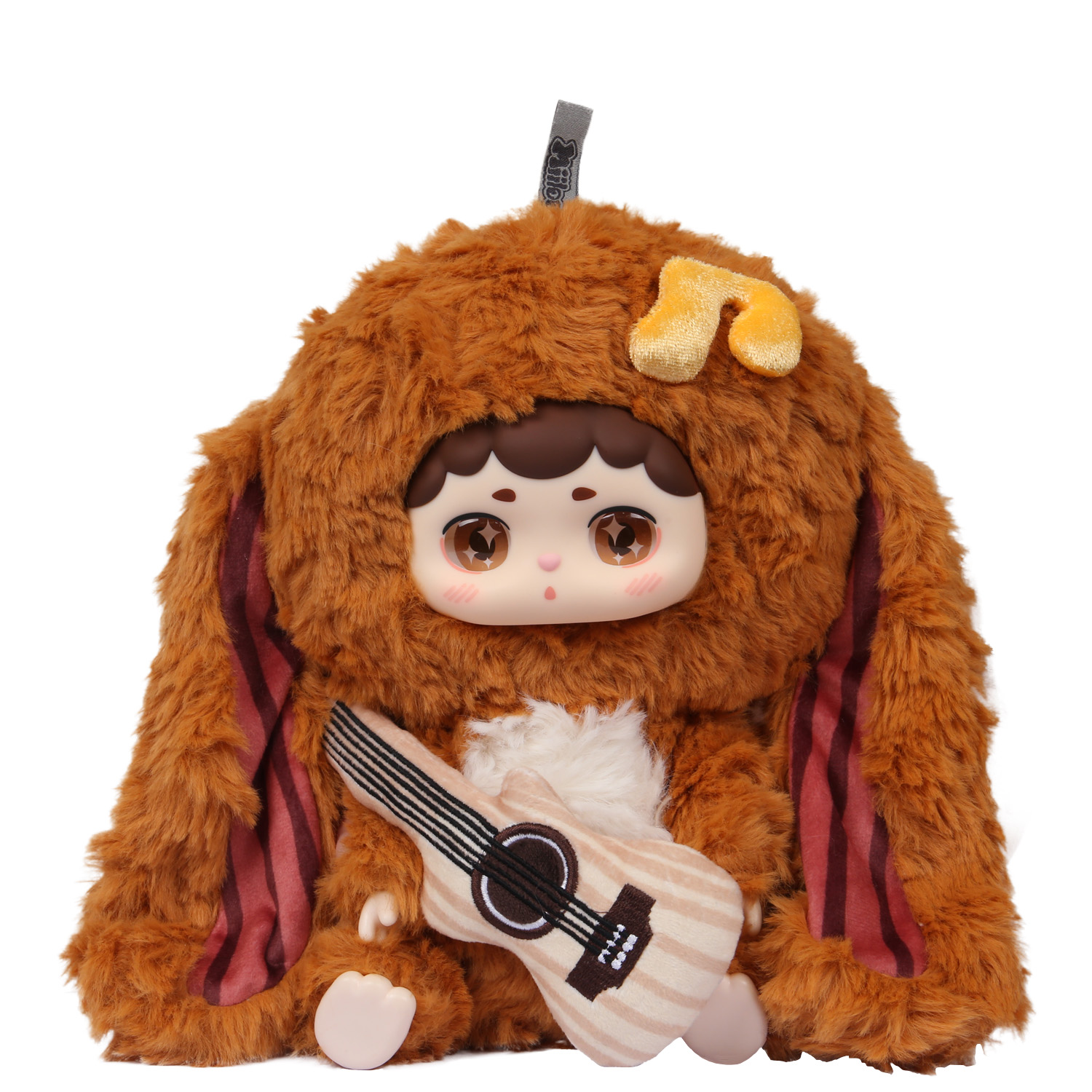
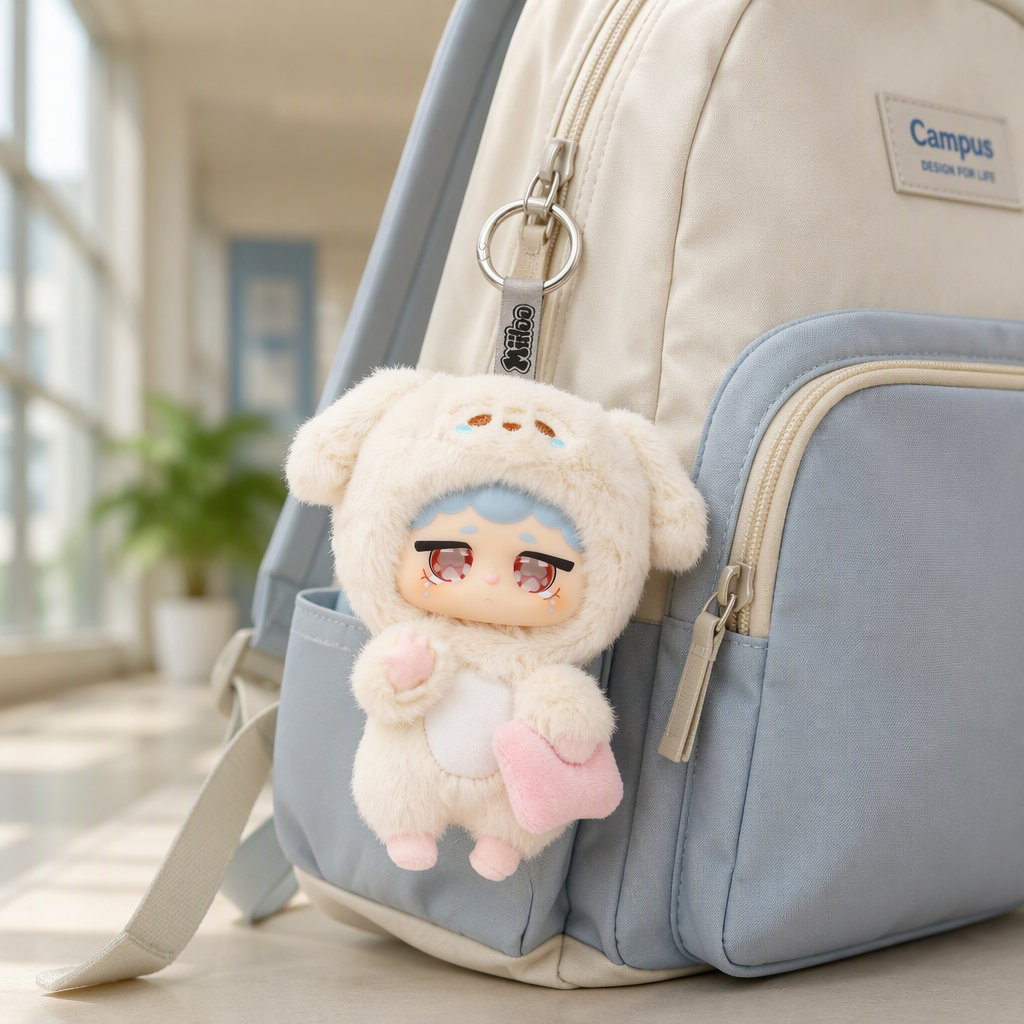
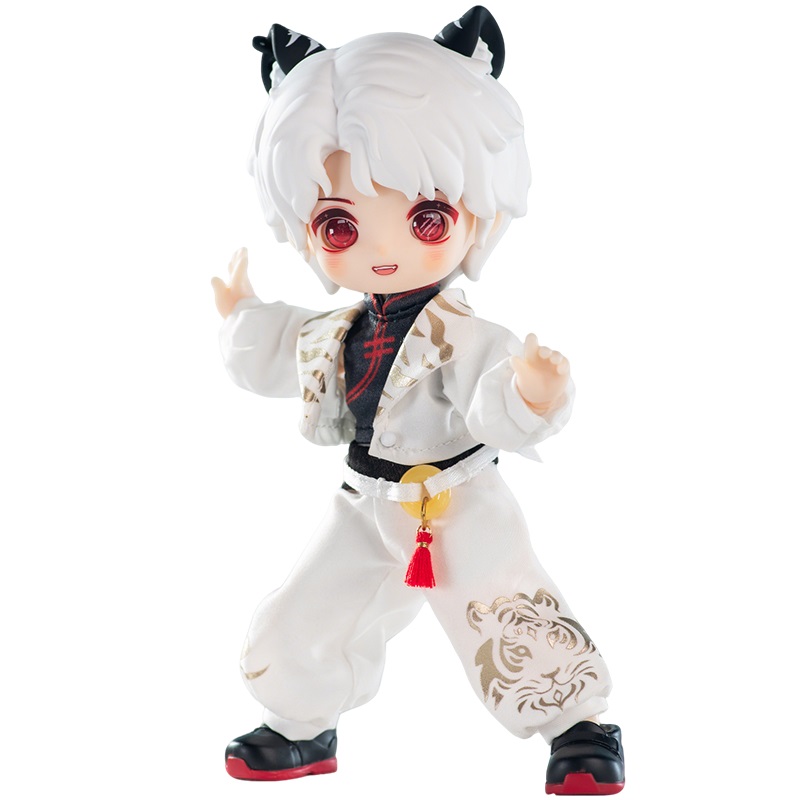
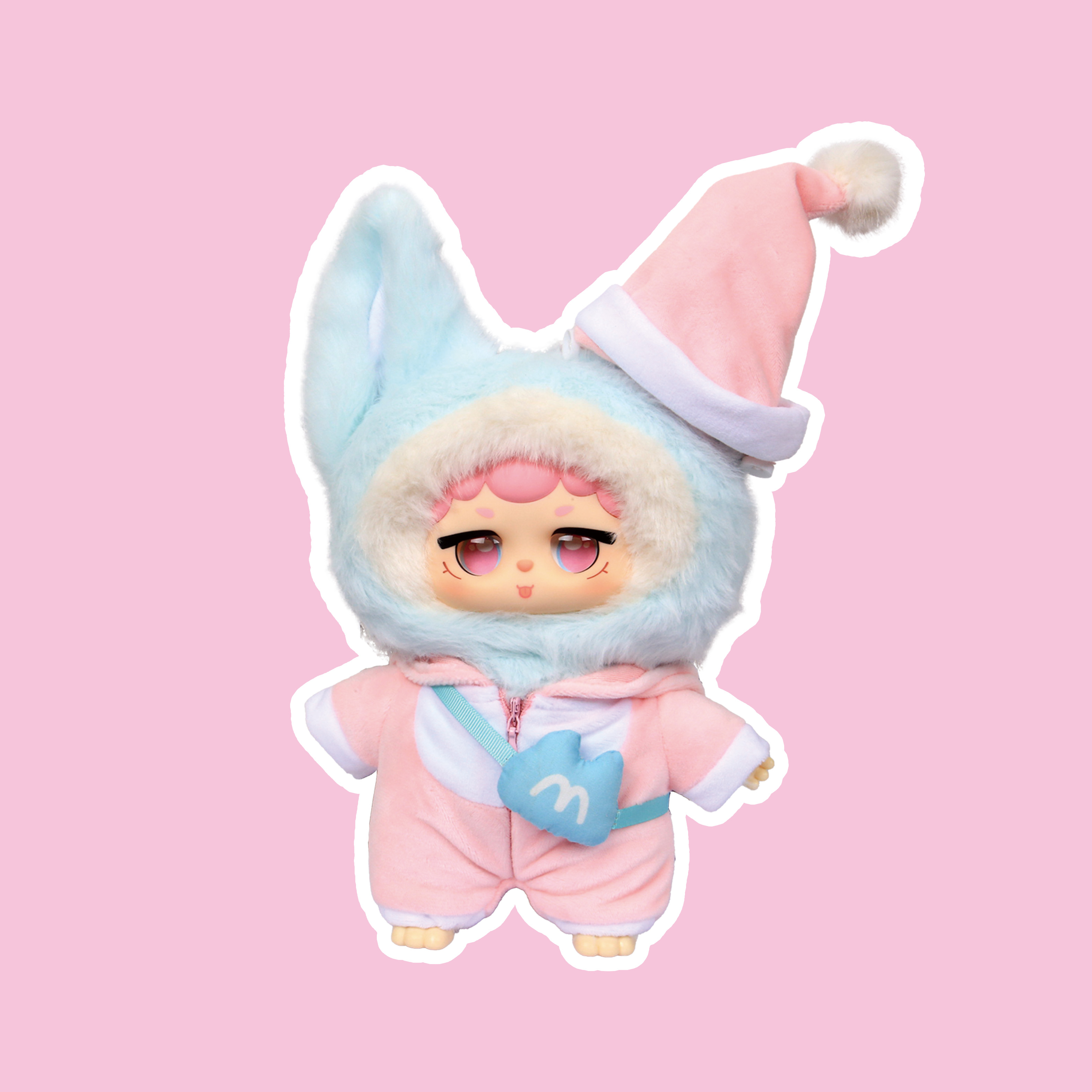
Explore our production-ready series combining precision rotocast vinyl sculpting, IoT sensor integration, and compliant textile fabrication.
The international plush and collectible toy sector is undergoing an unprecedented technological revolution. Traditional stuffed novelties are migrating rapidly toward emotionally intelligent, tactile-responsive, and connected IoT companion devices.
Historically, stuffed animal production relied almost entirely on cut-and-sew labor, synthetic poly-fill stuffing, and localized mechanical squeakers or basic sound chips triggered by primitive push switches. Today, Tier-1 toy brands and international toy importers demand sophisticated, multi-modal mechatronic systems integrated silently within hypo-allergenic, flame-retardant plush fabrics.
The modern smart plush toy ecosystem brings together rotocast vinyl engineering (providing structured facial expressiveness and hollow housing for precision electronics), capacitive touch sensor arrays, low-power BLE 5.3 microcontrollers, neural wake-word voice chips, and high-density lithium polymer battery cells compliant with stringent UL 1642 safety mandates. This confluence creates immersive emotional support companions, language-tutoring playmates, and luxury designer blind box collectibles with dynamic digital twins.
Based on audited production capacity, electronic-textile convergence capabilities, safety testing credentials, and international export volume.
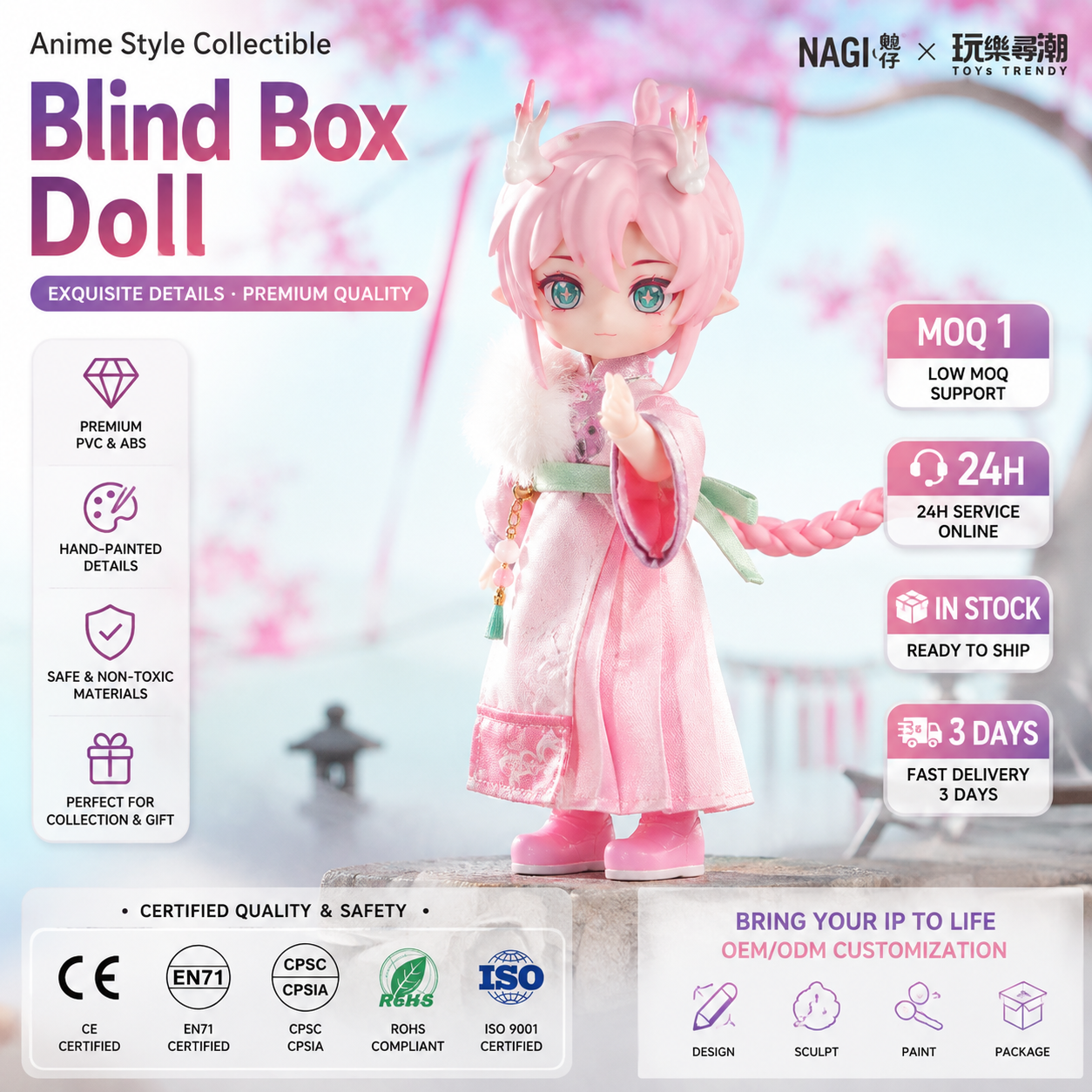
Shenzhen Tuck Technology operates as an end-to-end industrial manufacturer specializing in vinyl plush hybrids, AI emotional chatbots, and custom blind box series. Leveraging its prime Greater Bay Area supply chain position, Tuck Toys bridges high-precision 3D rotocast vinyl sculpting with embedded interactive PCBA, voice sensors, and ultra-plush textile skins. Famous for strict NDA protocols, turnkey tooling, and seamless third-party test clearance (EN71, ASTM F963, CPSIA).
With over 1,200 automated sewing machines and specialized cleanrooms, this facility focuses primarily on battery-operated mechanical plush animals, automated walking/barking animatronics, and interactive voice-recording dolls for mass discount retail chains across Europe and North America.
A boutique Scandinavian engineering team that designs specialized therapeutic plush animals for neurodivergent children and eldercare memory support. Their proprietary weighted plush builds incorporate gentle vibration motors, localized body temperature warming elements, and Bluetooth biometric reporting.
Specializing in the smart hardware core, CyberCuddle provides custom modular micro-enclosures equipped with Wi-Fi/BLE chipsets, digital MEMS microphones, and pre-integrated parental companion apps. They collaborate with textile factories to deliver turn-key connected smart plush platforms.
Renowned for extreme durability, long-life servo-motor linkages, and acoustic sound dampening. They manufacture advanced robotic wildlife plush used in zoological centers, kindergarten STEM labs, and prestige retail department stores across Central and Northern Europe.
A strategic destination for major US corporate buyers seeking Section 301 tariff mitigation. Mekong Smart Plush specializes in high-volume cut-and-sew plush operations with secondary cleanrooms dedicated to assembling client-supplied electronic sound boxes and push-activated lighting.
A major supplier to Tokyo arcade operators and licensed manga franchises. Shin-Etsu leads in subtle mechanical expressions, such as reactive moving ears, nose twitches, and blushing cheeks created by thermal-sensitive dyes combined with micro-LED pads behind plush fabric.
Focusing on the infant and toddler demographic, BrightStar specializes in plush cry-sensor nightlights that project stars onto nursery ceilings and play soothing white noise or heartbeats when acoustic sensors detect infant crying sounds.
Pioneers in smart fabric innovations. Hana utilizes conductive silver-plated thread woven directly into stuffed animal embroidery. This allows the plush doll's ears, paws, and belly to function directly as capacitive touch sliders without rigid internal mechanical buttons.
Providing domestic turnkey prototyping, rapid iterative testing, and secure onshore firmware flashing for defense-adjacent or strict privacy-controlled AI toy brands. They assemble imported plush shells with American-engineered encrypted BLE processors.
How global sourcing executives, product developers, and toy importers are redesigning bills of materials to meet changing regulatory and consumer demands.
Buyers are transitioning away from pure cloud-dependent streaming dolls toward hybrid architectures. Microcontroller units running on-device TinyML handle instant sound recognition, laughter, and wake-words offline. Cloud handshakes occur only for dynamic storytelling, drastically trimming battery drain and recurring cloud hosting costs.
Major retail chains in the EU and North America now demand Global Recycled Standard (GRS) fabrics. Leading manufacturers utilize 100% recycled PET bottle spun yarn for fur coats and PP cotton filling. The core procurement hurdle is achieving flame retardancy without brominated additives while maintaining ultra-soft pile density.
Regulatory scrutiny over smart connected toys is at an all-time high. International export requires strict hardware-level isolation. Physical microphone cut-off switches, end-to-end encrypted TLS 1.3 socket streams, zero local storage of biometric voice recordings, and mandatory third-party cybersecurity audits have become standard RFQ requirements.
Fragile mini-USB and micro-USB ports have historically caused high warranty return rates in electronic plush toys. Next-generation smart plush sourcing mandates Qi-compatible wireless induction charging receiver coils sewn into the plush toy's base, paired with waterproof sealed silicone inner casings for easy hygiene and maintenance.
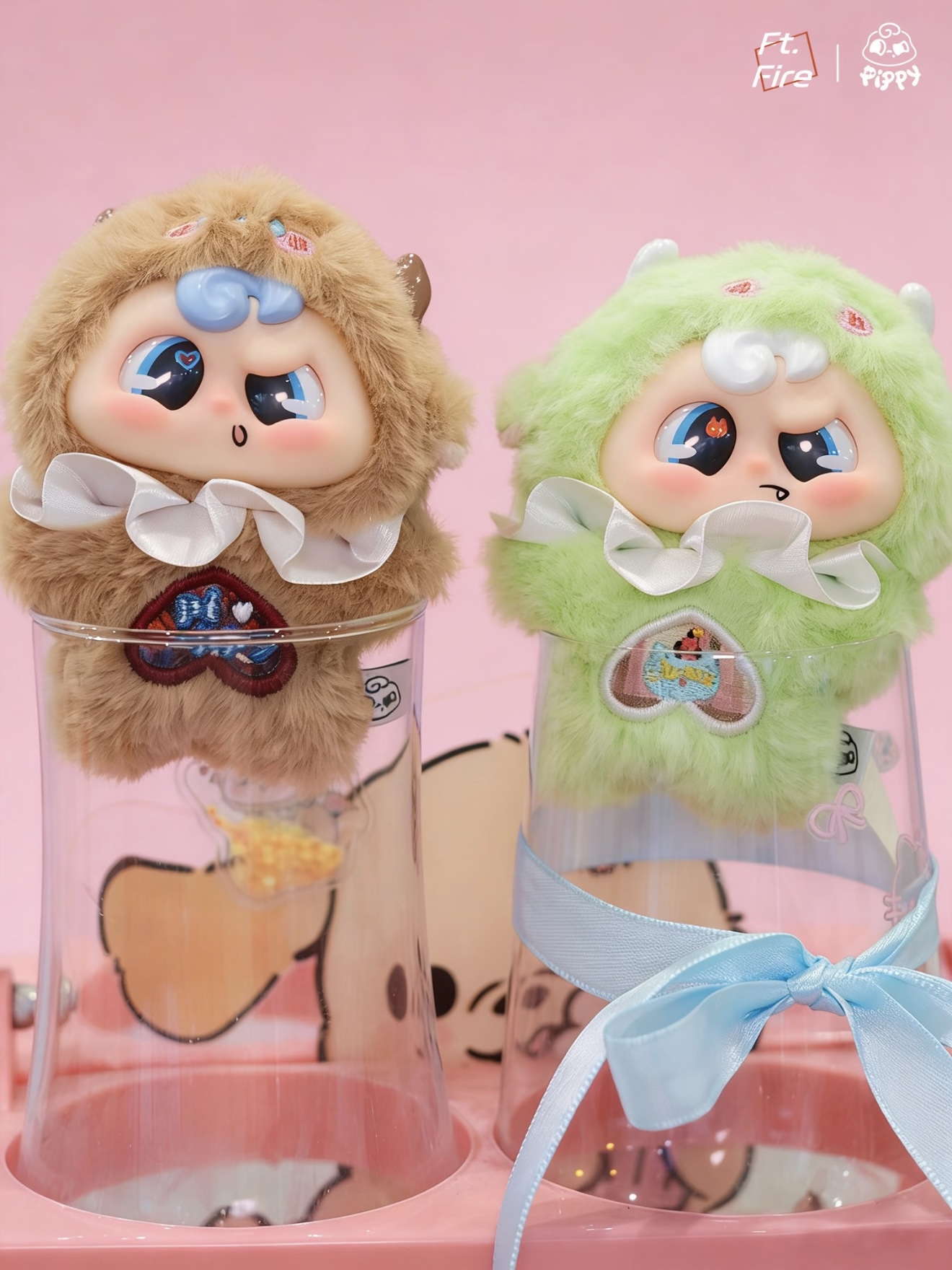
Cross-over categories between urban designer vinyl art toys and huggable plush are growing at over 32% year-over-year. Consumers demand the crisp sculpt, painted cheek blushes, and precision facial anatomy of rotocast vinyl fused directly to ultra-soft stuffed bodies with miniature authentic fabric streetwear and accessories.
Shenzhen Tuck Technology Co., Ltd. (Tuck Toys) combines deep industrial tooling mastery with cutting-edge textile artistry. Located directly at the heart of the world's most advanced toy and microelectronics supply chain ecosystem in Shenzhen, we bring character IPs from 2D napkin sketches directly to global retail shelves.
From digital 3D ZBrush sculpts to copper electroforming rotocast molds and CNC injection steel tooling, all tooling is produced and maintained under our own roof.
Confidentiality is our primary asset. We execute binding NDAs, segregate production workshops for sensitive client designs, and guarantee that custom client molds are never re-sold or reused.
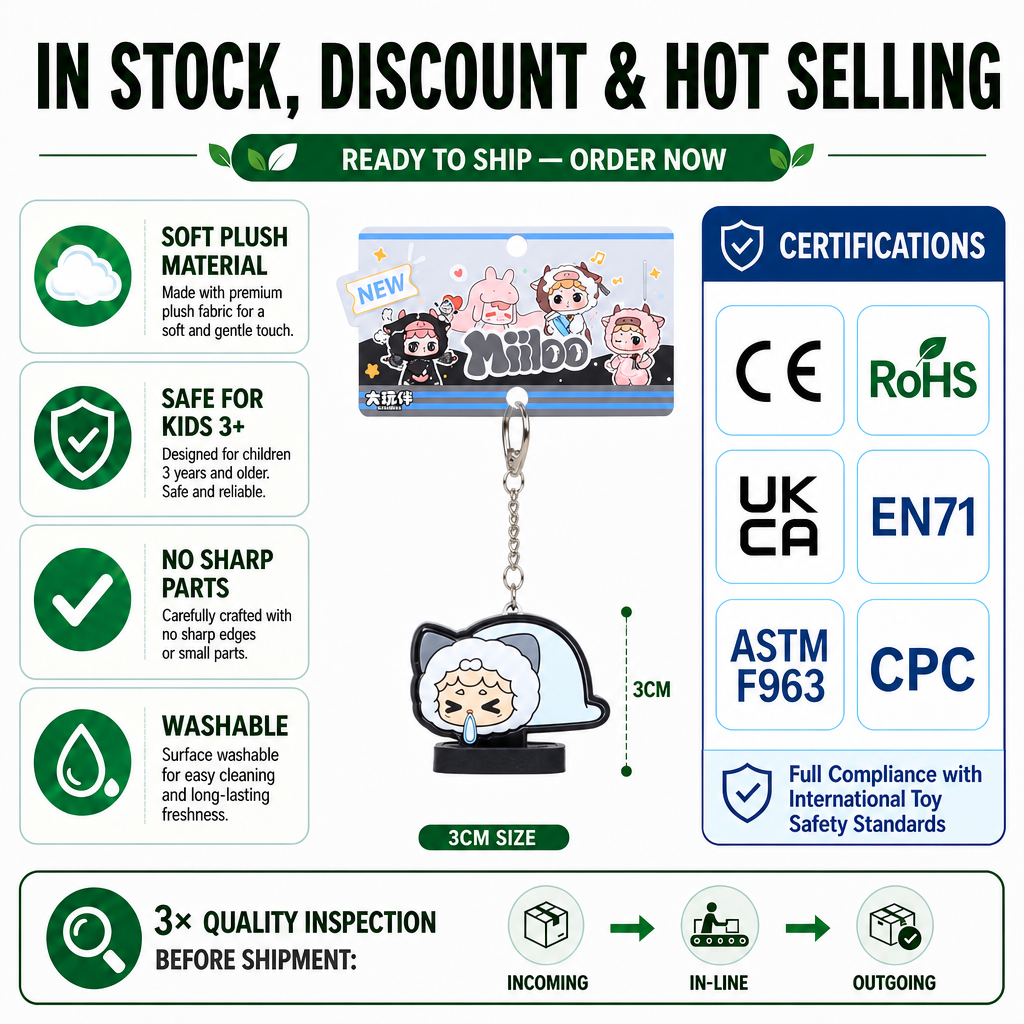
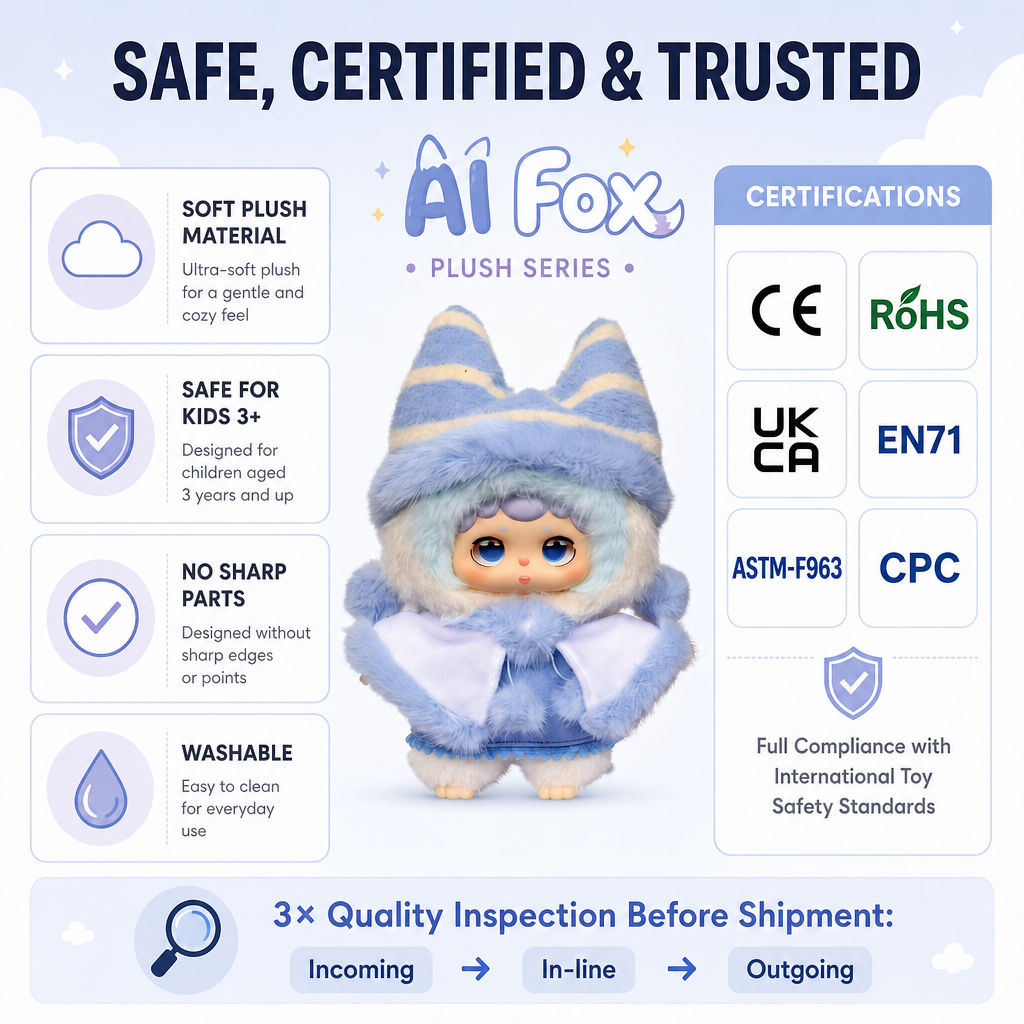
We manufacture exclusively with toy-grade, phthalate-free, non-toxic PVC, ABS, and skin-safe velboa fabrics tested by SGS/TUV to meet EN71, ASTM F963, CPSIA, CE, and UKCA standards.
We support emerging brands, boutique art toy designers, and Kickstarter creators with accessible pilot runs, giving creators room to validate collector demand before committing to 100,000-unit runs.
Expert engineering and supply chain insights to de-risk your next electronic stuffed toy purchase order.
MOQs depend heavily on the bill of materials complexity. For standard cut-and-sew plush or plush keychains with ready fabrics, pilot orders can begin at 500 to 1,000 pieces. For custom rotocast vinyl-face plush hybrids or connected smart plush requiring custom steel tooling and SMT electronic circuit boards, our standard baseline begins at 2,000 to 3,000 pieces per series to amortize molding and regulatory lab testing expenses.
All embedded circuit boards, speakers, and battery packs are housed inside high-impact, flame-retardant ABS or polycarbonate injection-molded capsules. These inner enclosures undergo stringent drop tests (ASTM F963 impact specs from 4.5 feet onto concrete), torque-and-tension seam tests (70 Newton pull force), and are cushioned within dense polyester batting to ensure wires cannot become loose or expose small swallowable parts.
Shipments must satisfy both physical toy safety and electronic wireless directives. For the US: ASTM F963 (mechanical/chemical), CPSIA (lead and phthalates), FCC Part 15 (unintentional/intentional radiators), and UL 1642 (lithium cell integrity). For the European Union: EN71 (Parts 1, 2, 3), EN 62115 (electric toys safety), RED Directive 2014/53/EU (radio equipment), RoHS 2.0, and REACH SVHC compliance. We supply complete test reports before dispatch.
A typical OEM/ODM project roadmap spans 4 distinct phases: (1) 3D digital sculpting and clay revision (7–12 days); (2) Functional hand-painted prototype with initial electronics testing (12–18 days); (3) Mass production tooling for vinyl rotocast or plastic injection molds (25–35 days); (4) Final textile sewing, electronic SMT packaging, assembly, and QC inspection (30–40 days depending on volume).
Shenzhen Tuck Technology adheres to strict, legally binding non-disclosure agreements (NDAs). All customer 3D models and mold tooling are assigned private tracking codes on our factory floor. Master steel and electroform molds are stored in access-controlled tooling libraries, and production over-runs or quality b-grades are crushed and recycled under supervision rather than liquidated onto open wholesale markets.
Yes. Our packaging production lines produce sealed anti-peek matte metallic foil bags for blind box surprise series, full-color offset printed exterior boxes with specialty finishes (spot UV, metallic hot stamping, soft-touch matte lamination), counter display PDQs, window collector display boxes with PET transparent blisters, and master shipping cartons drop-tested to ISTA 3A transport standards.
Partner with Shenzhen's premier OEM/ODM toy manufacturing team. Contact our engineering specialists directly to request full technical whitepapers, material swatch books, and volume price breakdowns.
Get Catalog