Flagship AI-Enabled Collectibles & Smart Interactive Plush
Precision rotocast vinyl engineering fused with conversational edge processors, capacitive touch arrays, multi-language conversational engines, and EN71/ASTM compliance for global toy distributors and brand owners.

Artificial Intelligence AI Toys Fufu Babies Stuffed Animal Plush AI Version--Sensing Screen Eyes

Miiloo the Snoozy Me Series Plush PVC Blind Box Bag Charm Collectible Finished Goods
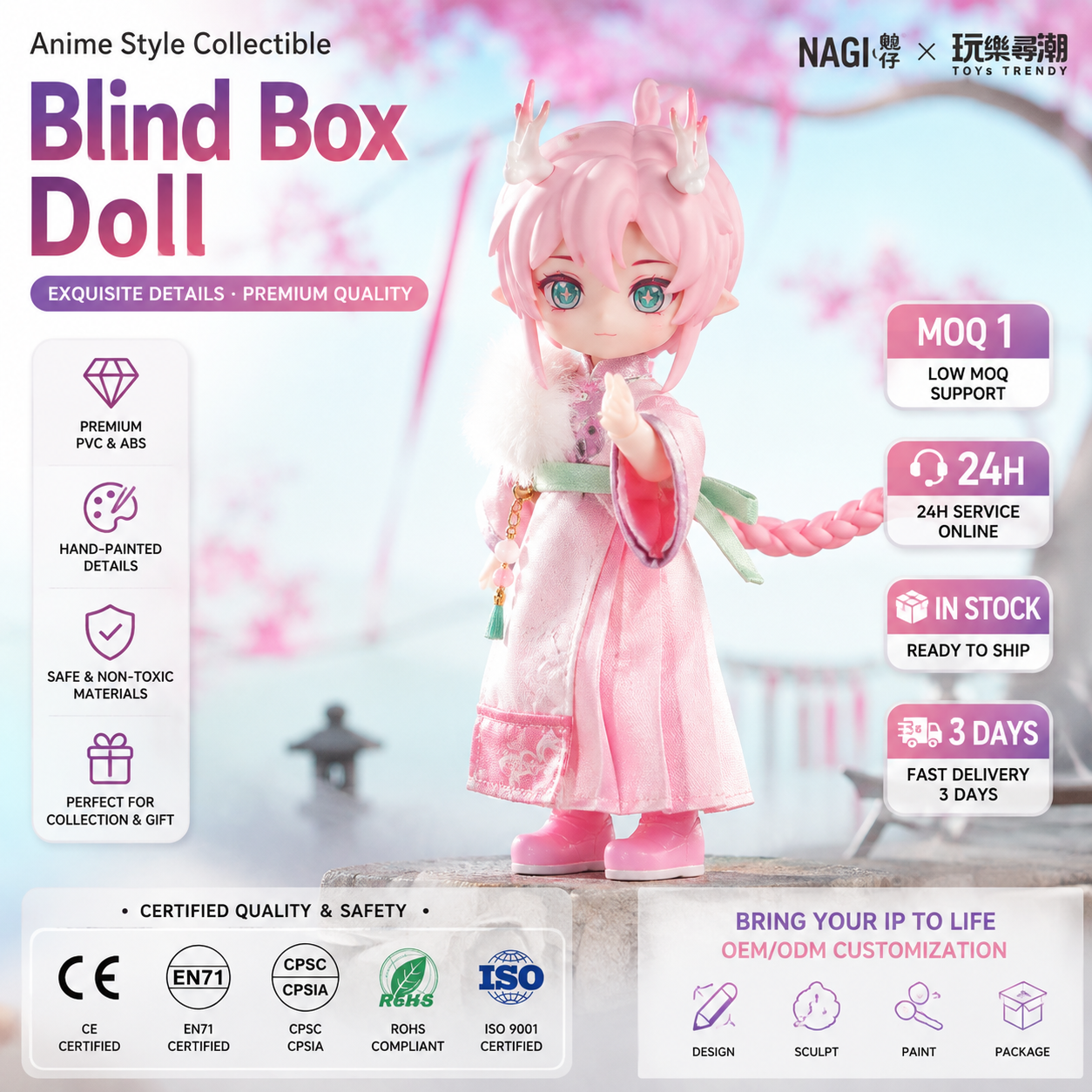
Nagi Anime Style Blind Box Doll 1/12 Finished PVC ABS Collectible Figure Chinese Ancient Costume
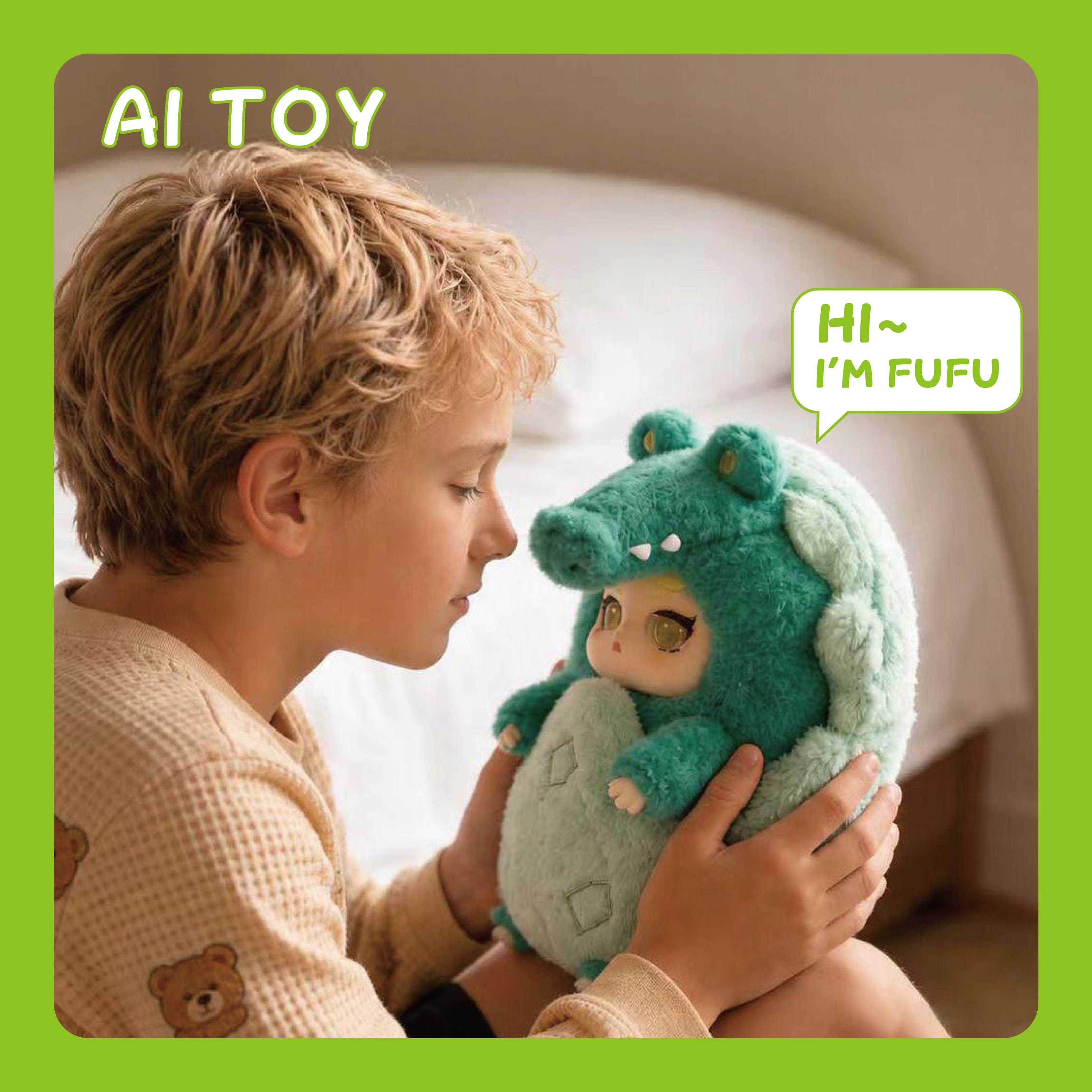
AI Interactive PVC & Plush Toy Gift for Child Multi-conversation Multi-language Unisex Original Packaging 1/6 Scale China
Miriat Intelligent Interactive Plush Toy Music Fox AI Version MLT-AI-S5 EN71 Certified--Normal Eyes for Child Adult
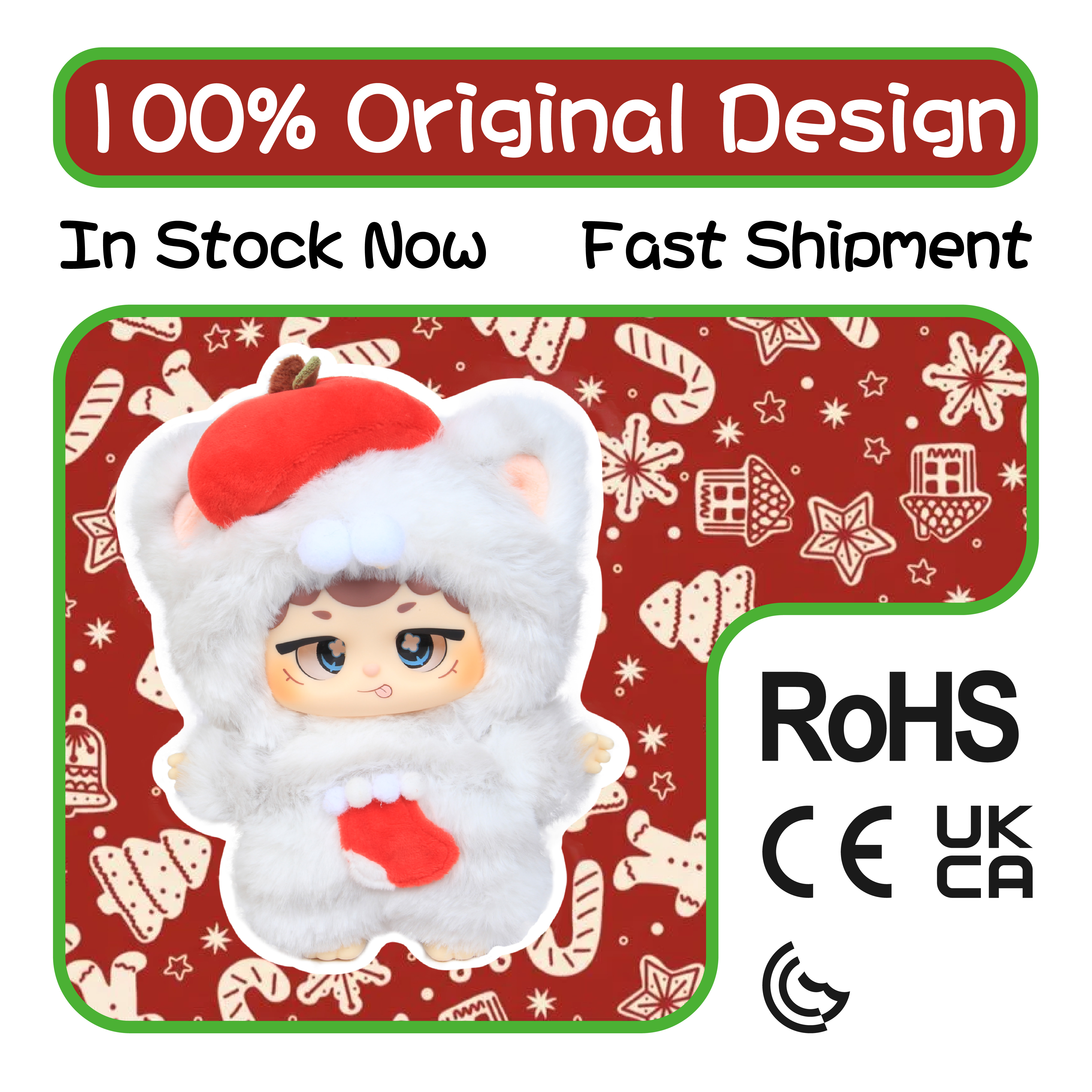
Xmas Decoration Door Christmas Tree Sequins Plastic Plush Flowers Custom Size
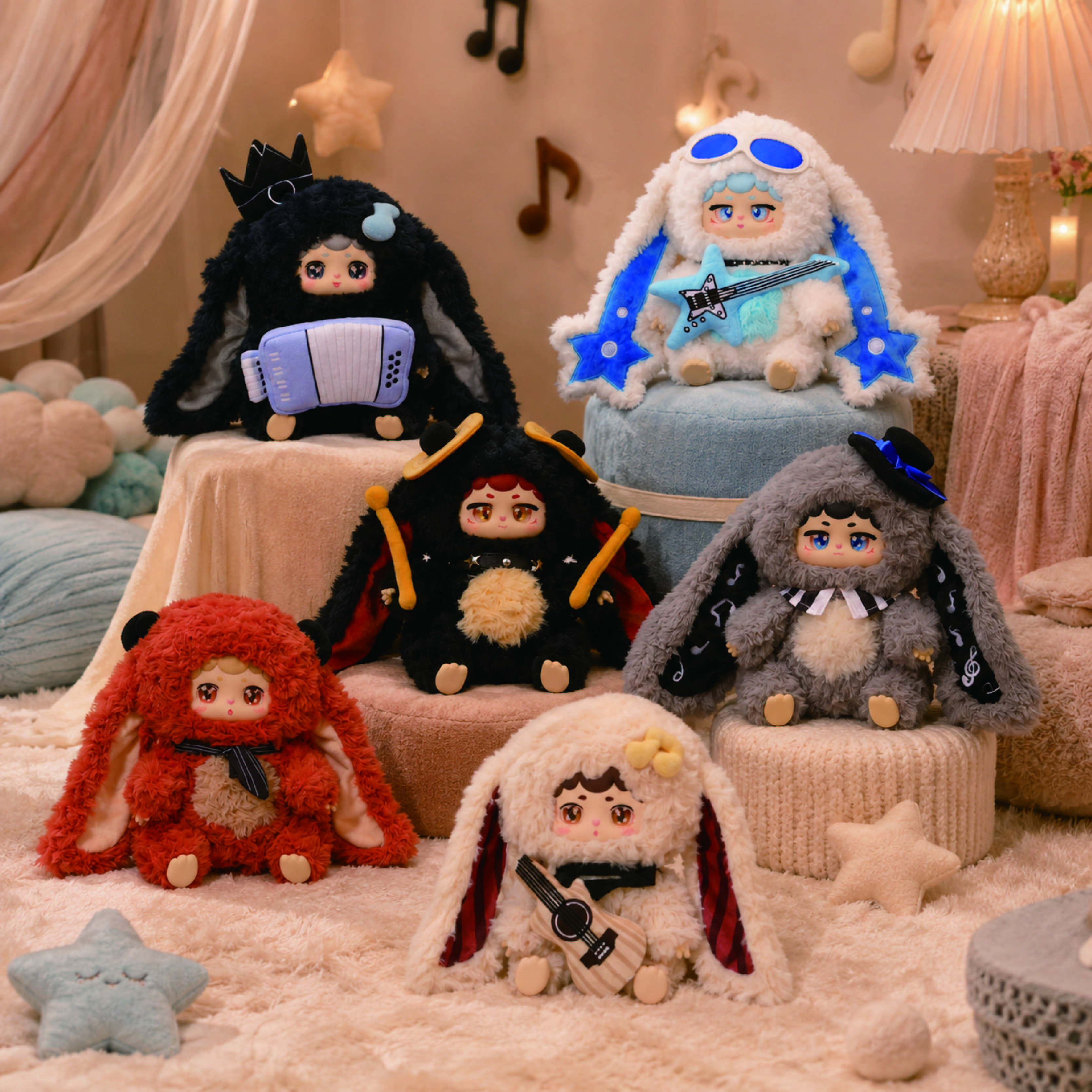
MELET AI Music Bunnies Emotional Companion Plush Toy with Intelligent Memory Chatbot Soft Cotton for Kids Ages 2-14 Gift
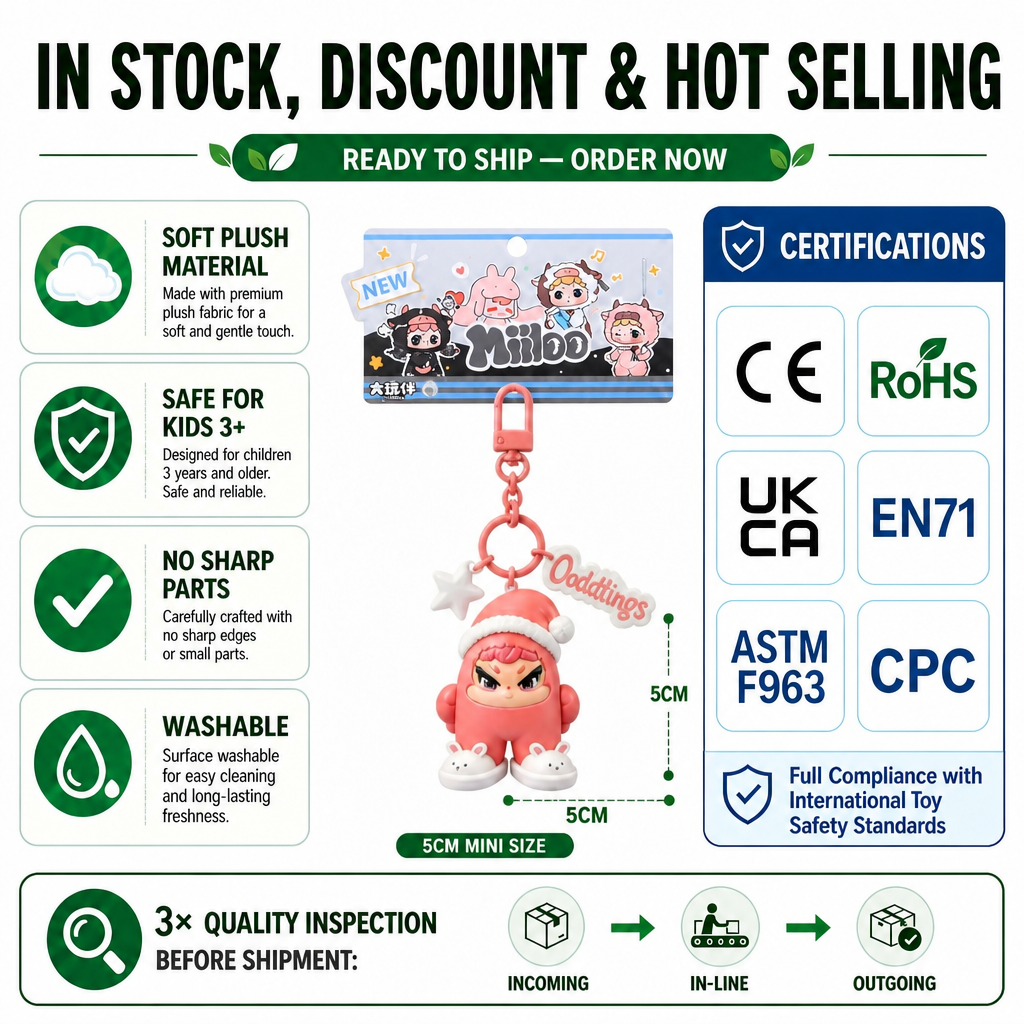
Mystery Box Plastic Animal Figurine Keychain Toy 1/12 Scale Blind Box Surprise Made in China for Unisex
The Paradigm Shift in Smart Toy Manufacturing: From Mechanical Play to Conversational Edge AI
The global juvenile entertainment and designer collectible sectors are experiencing a foundational transformation. Traditional toys—historically reliant on pre-recorded sound IC chips, rigid mechanical triggers, and passive sensory textures—are rapidly yielding market share to AI-enabled companions and cognitive play systems. For international brand buyers, venture-backed toy startups, and multi-channel retailers sourcing from China, navigating this technology confluence requires deeper technical comprehension than legacy plush or injection-molded procurement.
At Shenzhen Tuck Technology Co., Ltd. (operating the specialized Tuck Toys manufacturing cluster), our engineering group bridges the critical gap between traditional rotocast vinyl art toys, ultra-soft plush craft, and high-frequency IoT hardware architecture. Today's AI-enabled toy does not simply repeat phrases; it parses intent, synthesizes empathetic vocal cadences, recognizes familial voices through beamforming microphone arrays, and preserves child data integrity under stringent international regulatory regimes.
Acoustic Cavity Engineering & Soft Plush Resonance
A persistent technical pitfall encountered when sourcing AI plush toys from non-specialized factories is severe acoustic degradation. Standard polyfill (PP cotton) stuffing acts as a mechanical low-pass filter, muffling high-frequency consonant bands (2 kHz to 6 kHz) vital for child speech intelligibility. Our acoustic engineering team constructs injection-molded, resonance-isolated speaker chambers integrated directly within the rotocast vinyl structural chassis or floating inside custom-shaped silicone housings within the plush body. By combining 40mm neodymium micro-speakers with ported enclosures, our AI companions achieve pristine vocal feedback while isolating sensitive MEMS microphones from internal speaker feedback through physical vibration dampeners and digital Acoustic Echo Cancellation (AEC).
Hardware-Level Child Safety & Battery Thermal Containment
Integrating active lithium-polymer (Li-Po) cells, micro-displays, and Wi-Fi/Bluetooth LE microcontrollers into soft, squeezable objects demands uncompromising mechanical safety. Under ASTM F963 and EN71-1 impact, drop, and seam tensile test regimes (up to 70N seam pull strength), the internal electronic chassis must remain hermetically sealed against child access. Shenzhen Tuck Technology designs structural sub-assemblies with ultrasonic welding, flame-retardant polycarbonate (UL94-V0) battery containment shells, and dual-layer PTC thermal shutdown circuits to completely eliminate thermal runaway risks during high-cycle USB-C fast charging.
Future Procurement Trends in the China AI Toy Sector (2025–2030)
Strategic technology trajectories shaping buyer specifications, cost structures, and consumer adoption rates over the next five years.
1. Hybrid Edge-to-Cloud Cognitive Architecture
Buyers are moving away from purely cloud-dependent toys due to latency and privacy concerns. The next generation utilizes on-device micro-LLMs for immediate offline banter (<150ms) paired with secure cloud connectivity for extensive storytelling and dynamic educational curriculums.
- Dual-core ESP32-S3 / Rockchip NPU architectures
- Zero cloud subscription operational modes
- Customizable brand voice fonts (TTS synthesis)
2. "Phygital" Blind Box & Collectible Art Toy Convergence
Collectibles are no longer passive vinyl shelf pieces. High-end pop-culture brands integrate NFC chips, micro-haptics, and sensing screen eyes (like the Fufu Babies series) directly into 1/12 vinyl figures, bridging tangible toy culture with companion AI personalities.
- Dynamic micro-OLED/TFT emotive eye displays
- Encrypted anti-counterfeiting NFC chipsets
- Magnetic modular apparel with sensor triggers
3. Zero-Data Retention & Child Privacy Mandates
Regulatory scrutiny around COPPA 2.0 and EU AI Act Title II mandates zero persistent voice recording retention. Future procurement prioritizes suppliers possessing end-to-end cryptographic key flashing on the factory floor and SOC2-compliant cloud relay partners.
- Ephemeral audio streaming (RAM-only processing)
- Hardware-level mechanical microphone kill-switches
- Third-party verified COPPA & GDPR-K certification
Shenzhen Tuck Technology: Comprehensive OEM / ODM Infrastructure
Combining traditional art toy precision with industrial-grade microelectronics assembly in China's Silicon Valley.
In-House Precision Tooling
Direct master sculptors, 5-axis CNC mold carving, rotocast electro-forming copper baths, and steel injection tooling for ultra-fine aesthetic resolution.
Certified SMT Cleanrooms
Integrated PCB surface mount lines, automated optical inspection (AOI), RF testing cages, and automated acoustic chamber audio calibration.
Strict IP Protection
Full NDA enforcement, air-gapped 3D asset storage, proprietary mold serialization, and dedicated client-specific assembly line segregations.
Full Regulatory Testing
Turnkey compliance testing support with SGS, Intertek, and TÜV Rheinland for EN71 Parts 1-3, ASTM F963-23, CE RED, FCC-ID, and RoHS.
Engineering Matrix: Traditional Electronic Toys vs. Modern AI-Enabled Companions
For procurement officers assessing unit economics and bill of materials (BOM), the technical complexity differential between legacy sound-chip toys and conversational AI figures dictates sourcing strategy.
| Engineering Attribute | Legacy Electronic Toy | Tuck Toys Edge-AI Generation |
|---|---|---|
| Processing Core | 8-bit OTP Mask ROM Microcontroller | 32-bit Dual Core RISC-V / Xtensa NPU + 8MB PSRAM |
| Voice Input & Processing | Single electret mic, threshold trigger | Dual MEMS array, Beamforming, DSP-based AEC |
| Dialog Dynamics | Linear playback, 5–15 fixed WAV clips | Context-aware LLM streaming, emotional cadence adjustment |
| Emotive Interface | Fixed acrylic doll eyes or single blinking LED | Interactive TFT/IPS micro-displays with 40+ eye animations |
| Safety & Compliance | Standard toy electrical (EN 62115) | EN 62115, FCC Part 15B/C, RED, COPPA 2.0, California AB 2273 |
Procurement & Technical Manufacturing FAQs
Authoritative guidance addressing the critical questions raised by international distributors, sourcing directors, and toy brand founders.
What is the realistic MOQ for custom AI-enabled plush or vinyl toys?
How do you resolve global latency and server hosting costs for multi-lingual toys?
What third-party laboratory certifications are mandatory before export to the US and EU?
How does Shenzhen Tuck Technology ensure proprietary character IP confidentiality?
Can the conversational content be restricted to ensure child-safe interactions?
What is the average timeline from 2D character sketch to mass production delivery?
Transform Your Character IP Into An Intelligent Companion
Consult with our senior hardware engineers and toy production masters in Shenzhen. Receive a detailed DFM (Design for Manufacturing) review, bill of materials quotation, and regulatory roadmap within 24 hours.