Featured AI, Vinyl & Collectible Art Toy Product Matrix
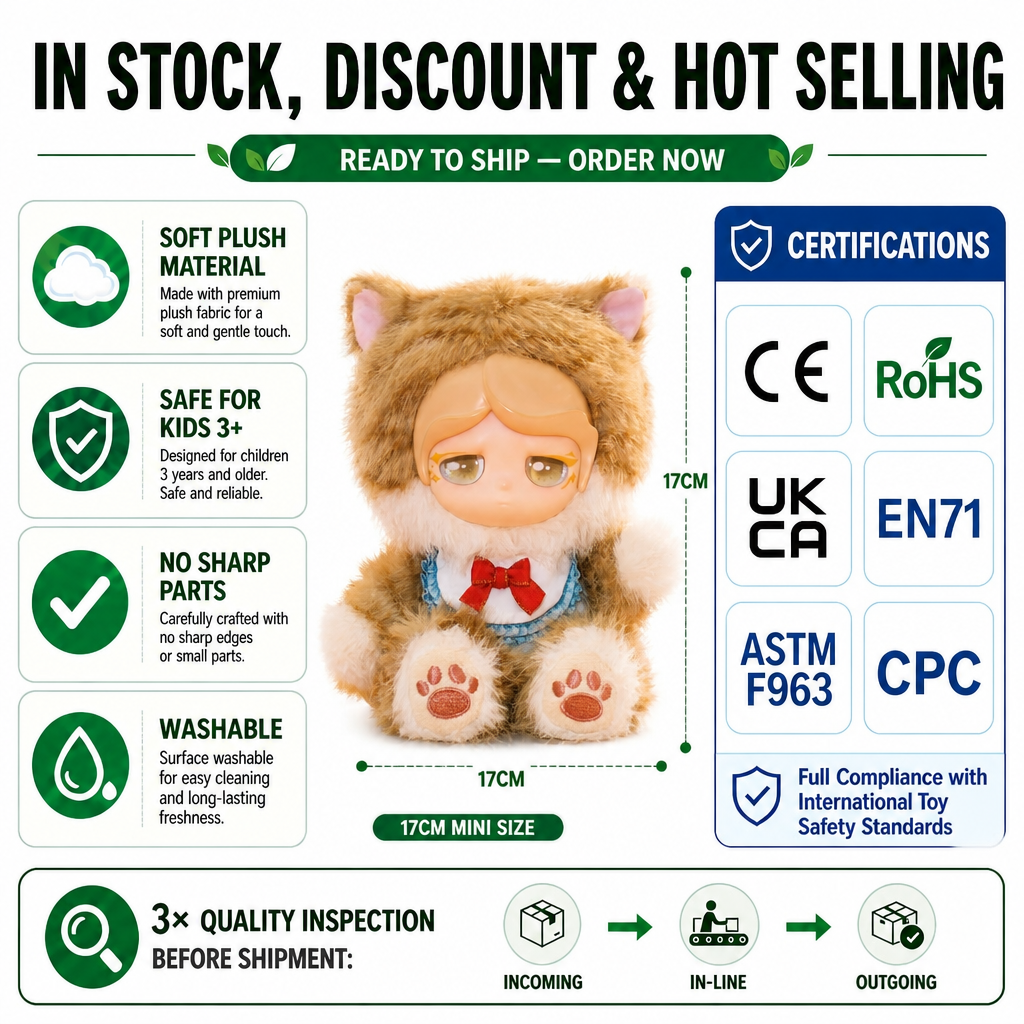
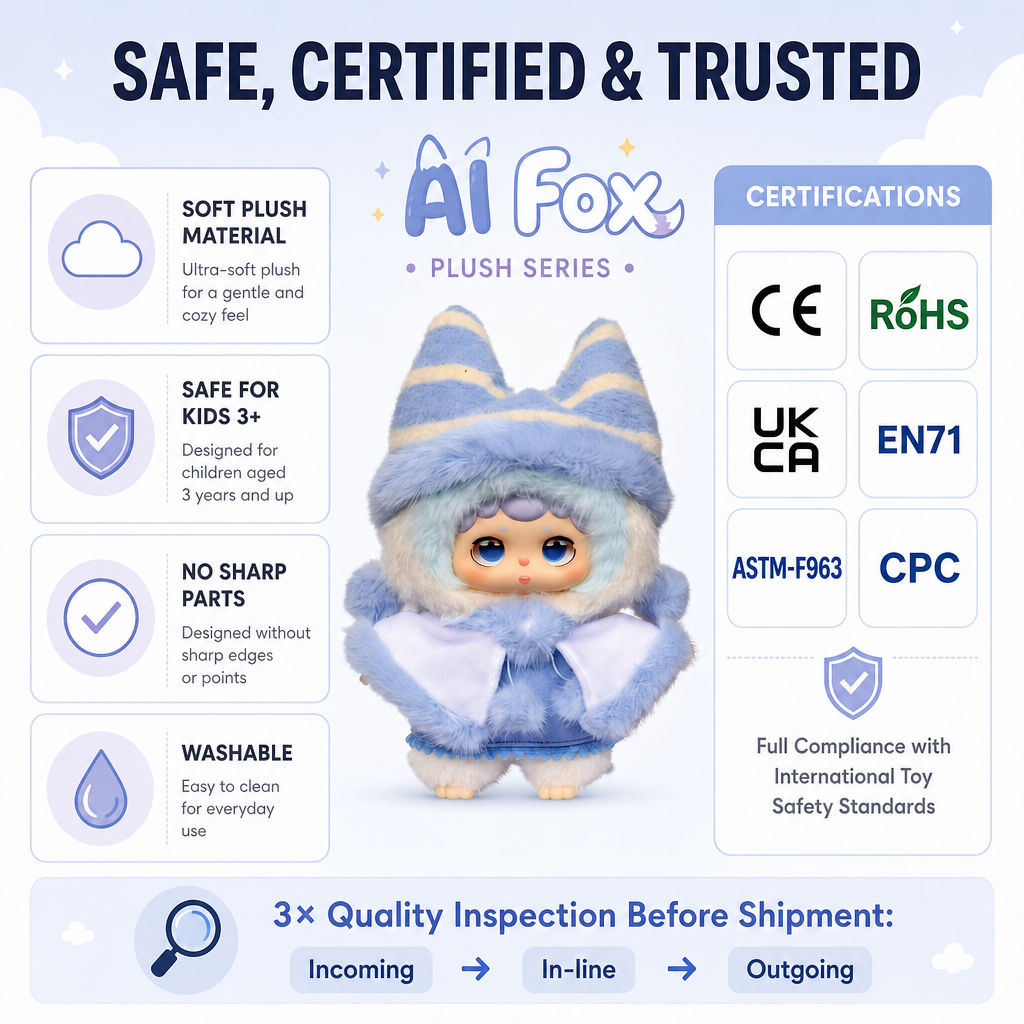
Direct from our Shenzhen and Dongguan manufacturing hubs: factory-grade interactive electronics, rotocast PVC, and artisan plush doll engineering built to pass EN71, ASTM F963, and FCC certifications.
Engineering the Smart Companion: Sourcing Paradigms for Next-Gen AI Toys
A technical guide for global brand owners, Kickstarter project creators, Amazon aggregators, and toy retail buyers navigating Chinese high-precision manufacturing.
The global juvenile products and novelty consumer goods sectors are witnessing an unprecedented structural migration. The historical toy market was defined for decades by inert injection-molded PVC figurines, passive short-pile plush animals, and primitive hard-coded audio chips with fixed soundboards. Today, rapid commercialization of compact neural processing units (NPUs), low-latency edge computing, and real-time large language model (LLM) inference has fundamentally altered market dynamics.
Modern consumers—ranging from Gen Z collectors of designer blind box art toys to tech-conscious parents seeking interactive developmental aids—now demand conversational depth, emotional responsiveness, and adaptive storytelling capabilities. For e-commerce enterprises, sourcing from an advanced China AI toy manufacturer and supplier requires moving beyond conventional textile stitching or rotocasting quotes. Sourcing teams must now assess firmware security architectures, child privacy compliance, acoustic resonance chamber engineering, and multi-modal edge sensor integration.
The Core Sourcing Insight: Convergence of Hard Vinyl & Soft Intelligent Robotics
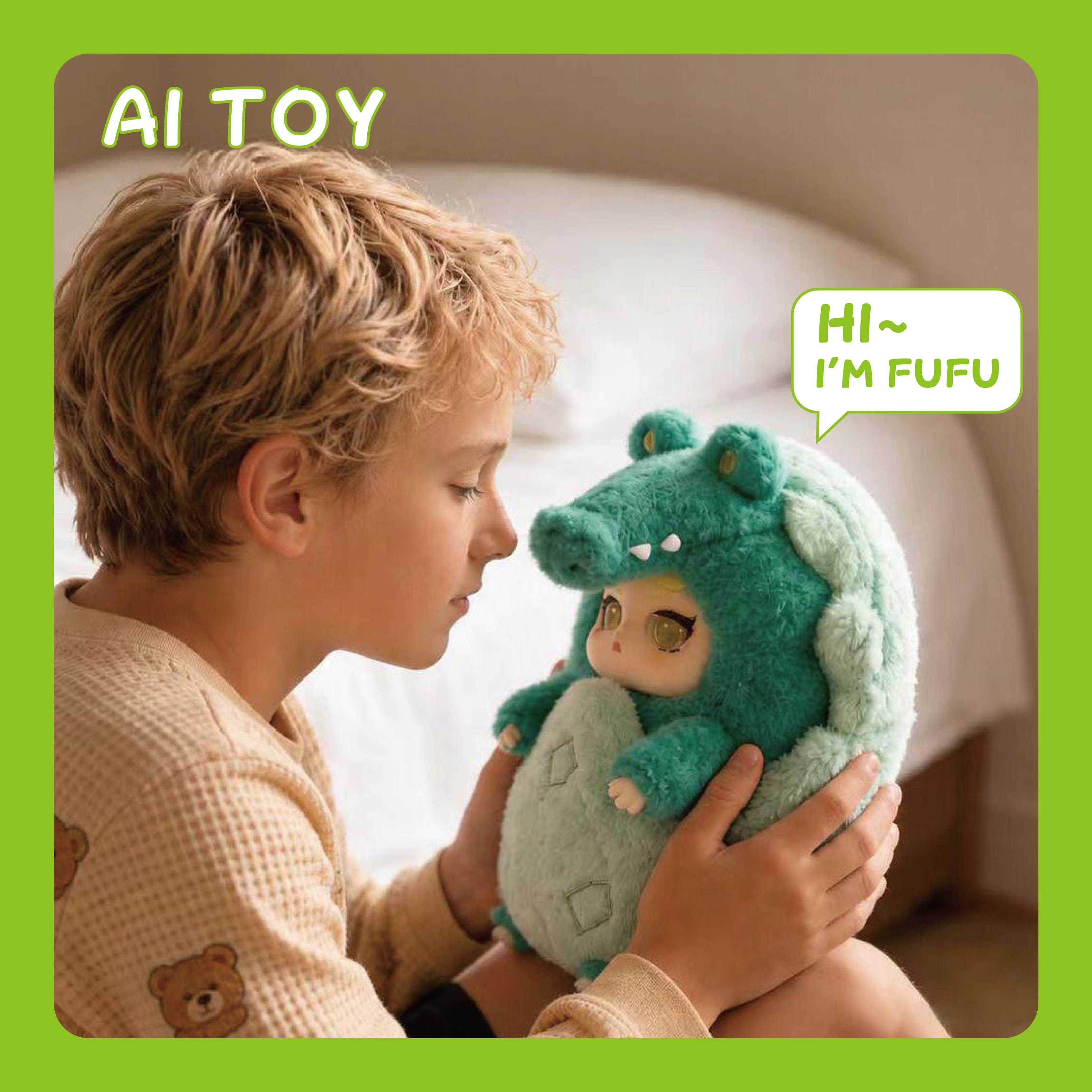
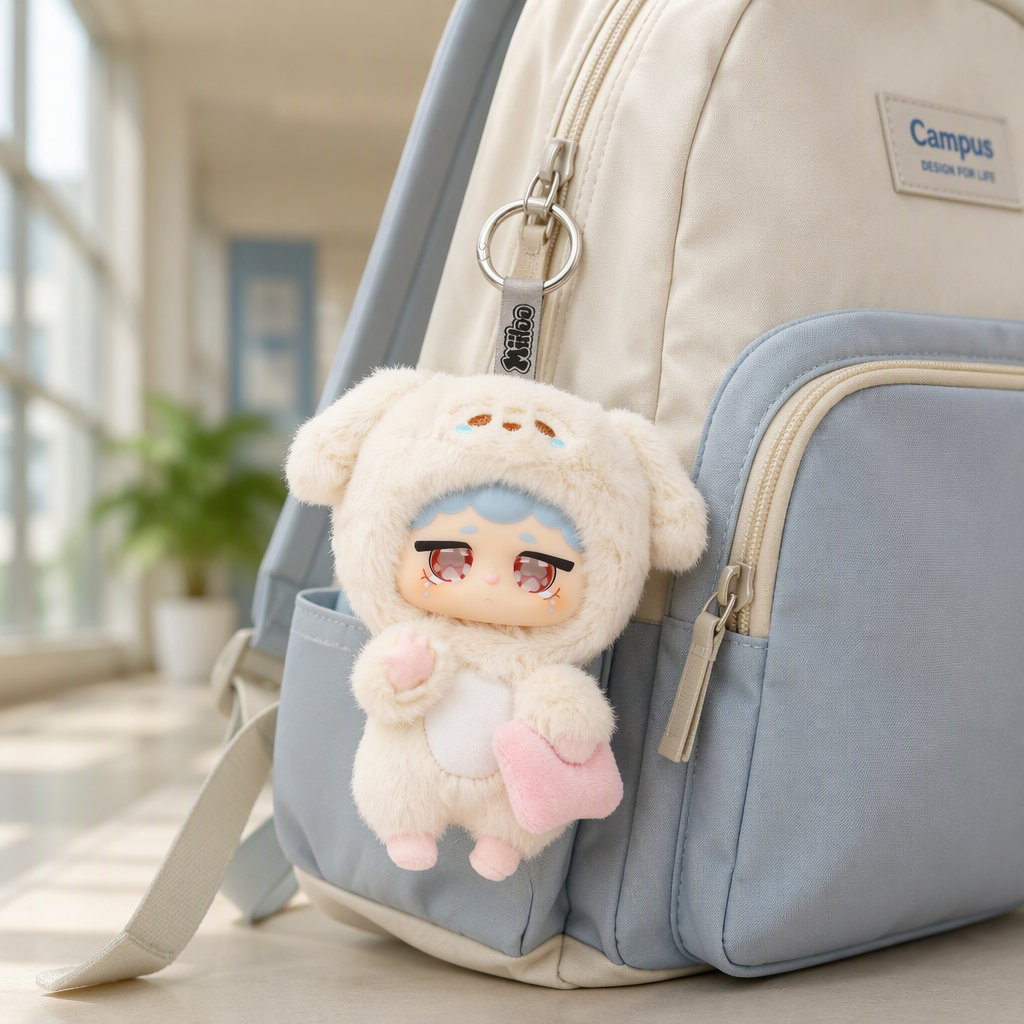
At Shenzhen Tuck Technology Co., Ltd. (Tuck Toys), our engineering data reveals that the fastest-growing toy SKU format in e-commerce is the hybrid vinyl-plush format. Combining the tactile warmth and comforting huggability of high-pile plush with the crisp facial sculpt, pad-printed eye detail, and structured acoustic cavity of rotocast PVC/ABS allows seamless placement of microphones, micro-speakers, touch sensors, and dynamic battery compartments without sacrificing the aesthetic integrity of the designer character.
Architectural Hardware Breakdown: The Anatomy of a Commercial AI Smart Toy
Building an AI-enabled stuffed toy or collector figure that survives rigorous retail drop-tests, battery safety testing, and thermal constraints requires a unified hardware-software approach. Unlike smartphones or smart speakers, a children's toy operates in harsh kinetic environments: dropped from high chairs, squeezed with high compressive force, and occasionally exposed to saliva or spills. Below is the multi-layer hardware stack deployed across our Shenzhen manufacturing lines:
1. Dual MCU & Edge Audio DSP
Powered by ultra-low-power dual-core RISC-V or ESP32-S3 chipsets integrated with custom beamforming DSP algorithms. This provides instant on-device Voice Activity Detection (VAD) and wake-word wake-up within <120ms without battery drain.
2. Noise-Canceling MEMS Array
Two silicone MEMS omnidirectional microphones strategically isolated within silicone shock-mounts inside the vinyl head or chest to isolate background play noise and eliminate microphonics generated by synthetic plush friction.
3. Dynamic Expressive Actuators
Custom micro-LED matrix displays behind translucent diffusion silicone for animated pupil expressions, matched with multi-zone capacitive touch sensors along the paws, ears, and stomach to register petting, hugging, and playful tickles.
Comparative Technical Specifications: Traditional Toys vs. Cloud-Connected vs. Hybrid Edge AI
To assist procurement managers, brand licensors, and hardware engineers in formulating their product specifications, the following matrix benchmarks the three core production tiers currently manufactured in our Shenzhen facilities:
| Evaluation Parameter | Legacy Electronic Plush / Soundbox | Standard Cloud Wi-Fi Smart Toy | Next-Gen Hybrid Edge-LLM Toy (Tuck OEM) |
|---|---|---|---|
| Dialogue Capability | Pre-recorded 10–30 audio clips; strictly deterministic triggers. | Unlimited conversational topics dependent entirely on active Wi-Fi cloud connectivity. | Dual-engine: local SLM for offline responses + low-latency cloud LLM for real-time storytelling. |
| Audio Latency | Instantaneous (<50ms response). | High lag (1,800ms – 3,500ms dependent on server ping and cloud TTS buffering). | Optimized pipeline (<480ms streaming TTS through WebSocket/QUIC protocols). |
| Data Privacy & Compliance | Inherently safe; zero audio recording or network capability. | High regulatory risk; continuous audio streaming requires strict COPPA/GDPR infrastructure. | Zero-Storage Local Processing Edge-sanitized audio tokens; parent-controlled privacy toggle. |
| Battery Life & Charging | Replaceable AAA alkaline cells (months of intermittent operation). | Rechargeable Li-Po; 2–4 hours of continuous streaming dialogue. | Power-gated intelligent sleep states; 8–12 hours active talk-time with USB-C PD fast charge. |
| Tooling & Mold Amortization | Low initial tooling barrier; standard injection shell boxes. | Moderate tooling costs for internal antenna and speaker resonance box. | Custom acoustic cavity engineering; rotocast vinyl face + isolated speaker vibration dampening. |
Future Sourcing Trends in the AI Toy & Collectibles Industry (2025–2030)
Procurement teams seeking competitive moats cannot rely solely on off-the-shelf catalog selections. Emerging consumer patterns and global trade regulations are setting new prerequisites for market viability across North America, the EU, and East Asia. Sourcing directors must anticipate the following pivotal manufacturing shifts:
1. Hardware-Enforced COPPA 2.0 Compliance
Global regulators are cracking down on connected juvenile devices. Sourcing trends prioritize physical hardware microphone disconnect switches, decentralized vector embeddings, and zero voice-print retention on remote servers.
2. Phygital Blind Box Integrations
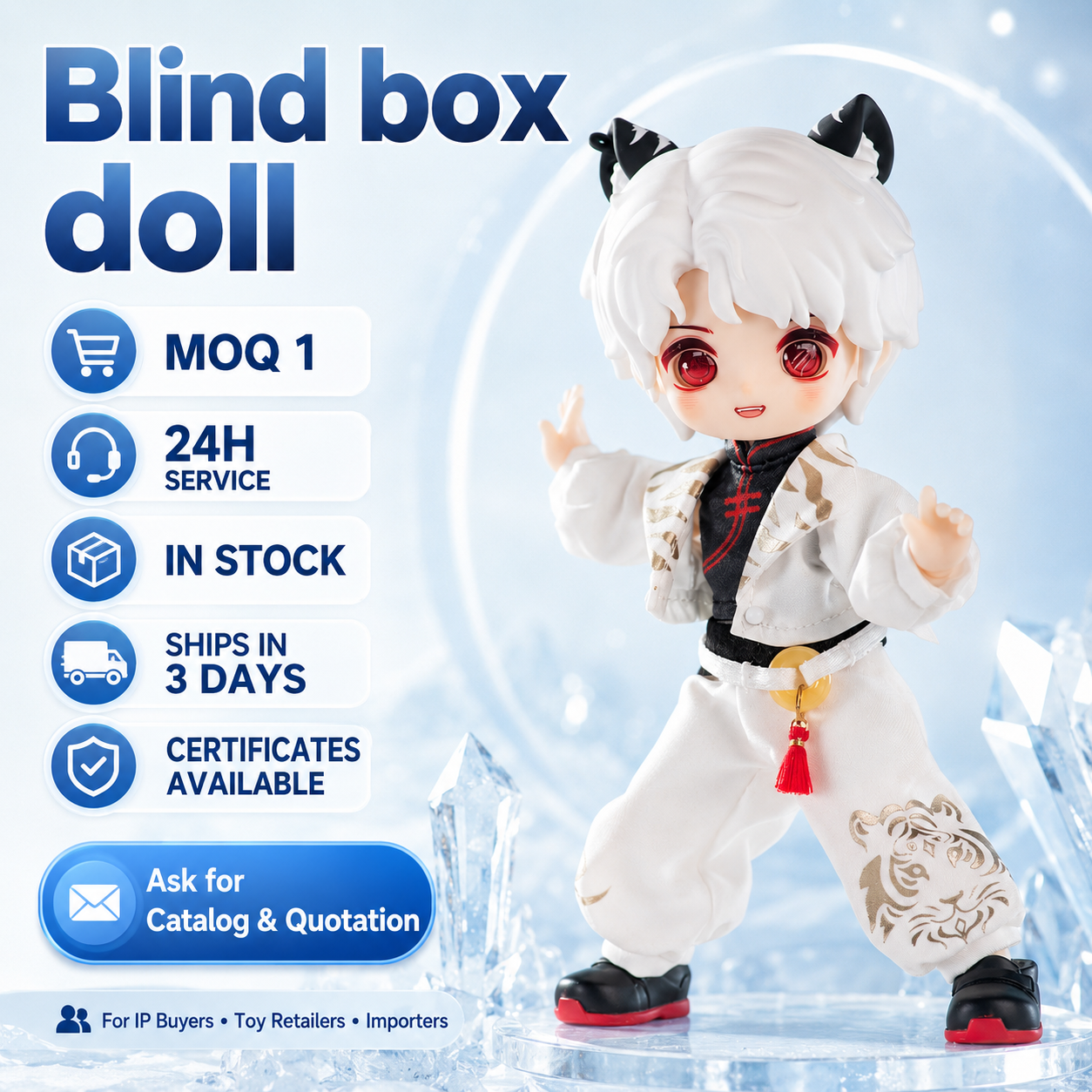
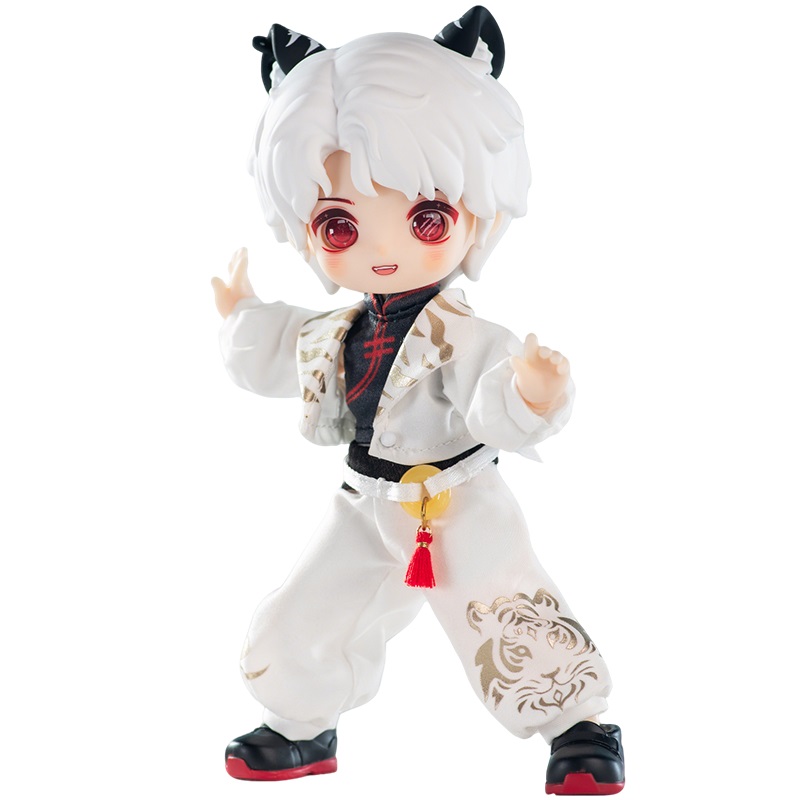
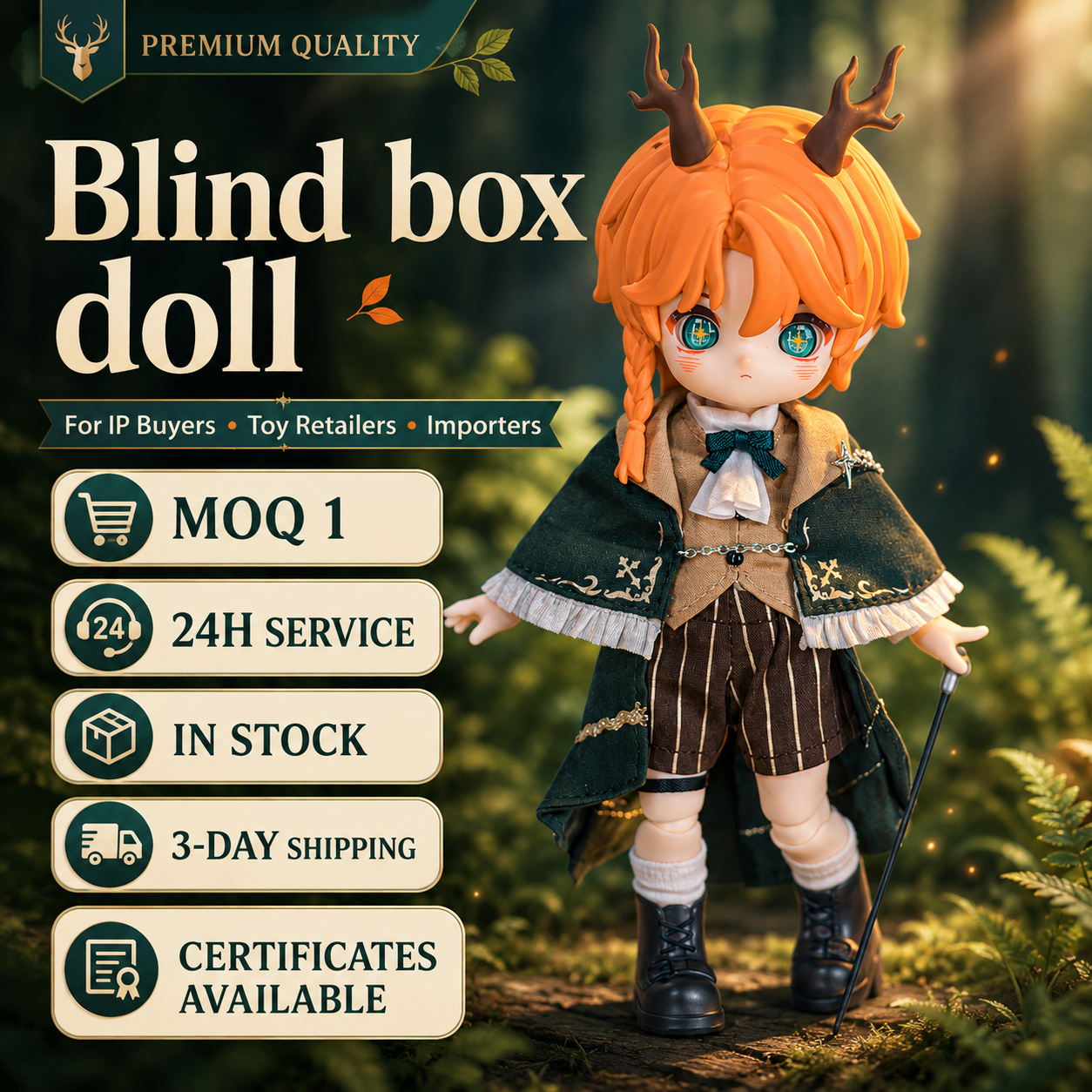
Art collectibles and BJD series (like our NAGI lines) are fusing NFC and encrypted BLE tokens into the vinyl body, unlocking authenticated digital companion personas, interactive app games, and exclusive companion personalities.
3. Dynamic Vector Memory Retention
Next-generation smart plush toys are transitioning from transient, one-off Q&A sessions to persistent character identity. Toys maintain localized memory buffers of a child's favorite bedtime stories, pet names, and milestones without violating cloud privacy norms.
4. Circular Eco-Materials & Battery Mandates
With the new EU Battery Regulation and ecodesign requirements, buyers are specifying post-consumer recycled (PCR) rotocast vinyl, GRS-certified plush textiles, and modular screw-assembled battery enclosures designed for end-of-life recycling.
Why Tier-1 Importers Partner with Shenzhen Tuck Technology
Combining traditional artisan craftsmanship with Shenzhen's cutting-edge hardware tech ecosystem to provide genuine OEM/ODM competitive advantage.
Shenzhen Hardware Ecosystem Integration
Located in the heart of China’s Silicon Valley, we source top-grade PCBA components, microphone sensors, and customized chipsets in days rather than weeks. Rapid turnaround on prototypes, pilot runs, and SMT circuit board iterations reduces your time-to-market by over 45% compared to inland factories.
End-to-End Vertical Manufacturing
From initial concept 2D sketches and digital ZBrush 3D sculpting to mold tooling, automated rotocasting, pad-printing, computerized embroidery, automated plush cutting, ultrasonic welding, and final cleanroom assembly—every single phase is controlled under one roof.
Strict Intellectual Property & Black-Box Molds
We work with internationally renowned pop culture IPs, video game studios, and licensed brands. All client steel molds are stored in biometric-access storage rooms, secured under enforceable bilingual NDAs, and permanently isolated from third-party vendor access.
Comprehensive Toy Safety Testing & Certifications
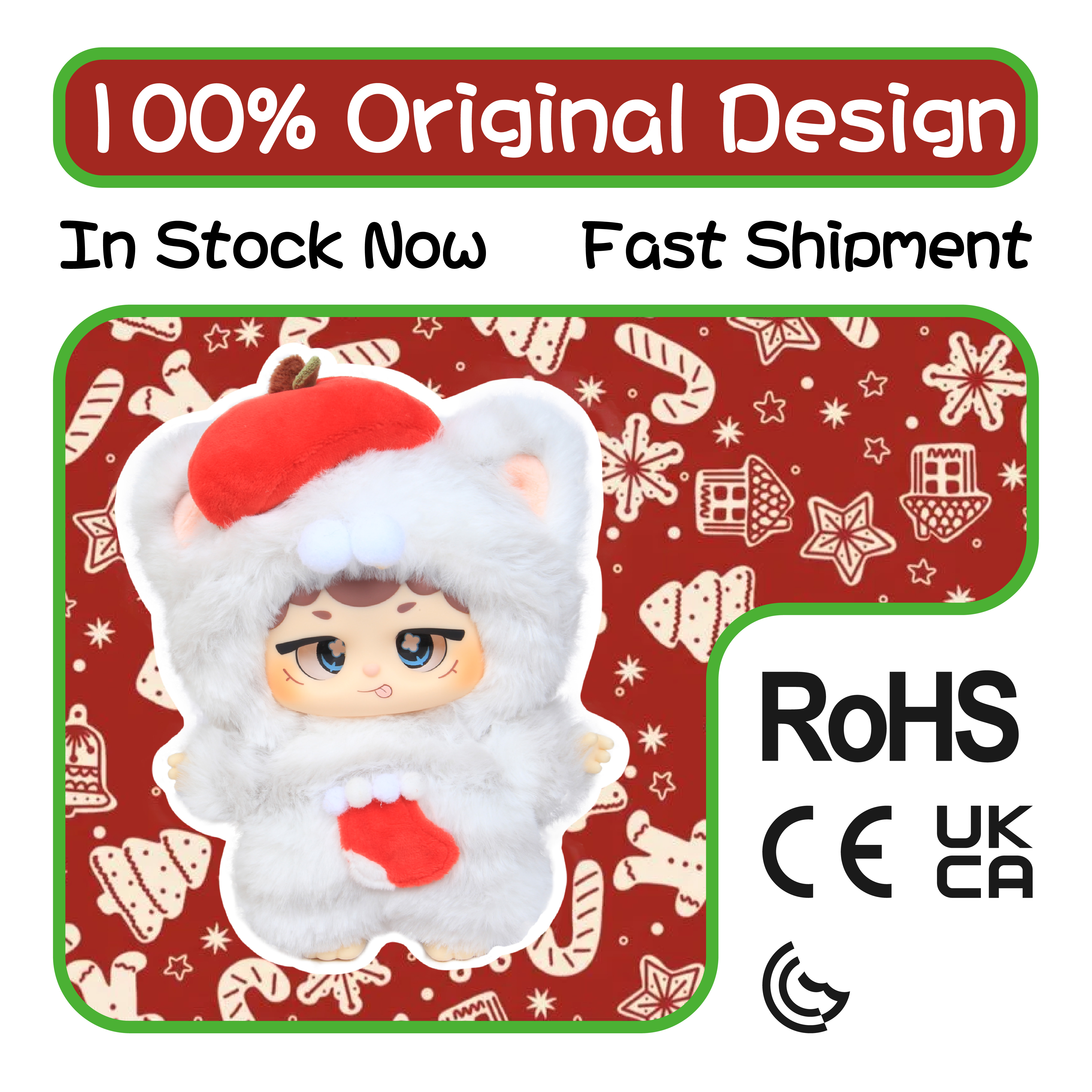
Every toy batch is engineered from the blueprint stage to pass international consumer safety laws: EN71-1, 2, 3 (CE / UKCA) for Europe, ASTM F963-23 & CPSIA (total lead, phthalates) for the United States, alongside FCC ID / CE-RED wireless compliance for electronic modules.
Flexible Pilot Batches for E-Commerce & Crowdfunding
Recognizing the agile nature of modern DTC e-commerce brands and crowdfunding launches, our factory offers tiered MOQ structures. We support pilot production runs to validate consumer demand before deploying large-scale automated multi-cavity steel tooling.
Dedicated Export Packaging & DDP Logistics
Whether you require luxury collector window boxes with spot UV and hot stamping, blind box counter display units (PDQs) with tamper-evident foils, or transit-tested e-commerce drop-ship cartons, our packaging engineering team delivers certified Amazon ISTA-6A drop-safe solutions.
Frequently Asked Questions: Sourcing AI & Collectible Toys from China
Essential operational answers covering tooling costs, firmware updates, testing standards, and payment terms for commercial buyers.
What is the typical Minimum Order Quantity (MOQ) for custom AI plush and vinyl collectible figures?
Our minimum order quantities are determined by the production methodology of each component. For standard custom plush toys and vinyl bag charm keychains, our baseline MOQ starts at 1,000 to 2,000 units per design. For complex rotocast vinyl dolls, ball-jointed figures (BJDs), or blind box assortments requiring steel/electroformed copper tooling, standard production runs typically start at 3,000 to 5,000 units. However, for emerging AI smart toy developers and funded crowdfunding initiatives, we offer dedicated pilot manufacturing programs starting at 500 to 1,000 units to facilitate physical market testing prior to mass tooling investment.
How does Shenzhen Tuck Technology manage firmware flashing, cloud API security, and child data compliance?
We provide comprehensive firmware and hardware integration support. For clients with proprietary AI algorithms or backends, our electronics engineering team flashes custom firmware onto the PCBA modules via secure in-circuit programming during factory assembly. We support zero-data-retention network architectures conforming strictly to US COPPA (Children’s Online Privacy Protection Act) and EU GDPR-K requirements. In addition, our RF-shielded cleanroom test stations conduct 100% functional testing on microphone sensitivity, speaker THD (total harmonic distortion), and antenna transmission strength prior to final plush encasement.
What is the lead time from 2D character concept to mass shipment?
A standard turnkey development lifecycle proceeds across three structured phases:
1. Digital Sculpting & Prototyping (15–20 days): Translation of 2D character turnarounds into 3D CAD/ZBrush models, followed by high-resolution SLA 3D printing, hand-finishing, Pantone-matched sample painting, and physical sample sign-off.
2. Tooling & Mold Fabrication (30–45 days): CNC steel mold cutting for plastic injection mechanisms, electroformed copper rotational molds for vinyl shells, and precision embroidery/cutting dies for textiles.
3. Mass Production & QA Inspection (35–45 days): Rotocasting, pad-printing, stitching, electronic SMT testing, ultrasonic seam sealing, in-line AQL 1.5/2.5 visual inspections, and export packing. Total development time generally averages 75 to 110 days, depending on mechanical complexity.
Which safety certifications are required to sell AI electronic plush toys in North America and the European Union?
For the North American market, toys must comply with ASTM F963-23 (physical/mechanical hazards, flammability, heavy metals toxicity), CPSIA (total lead and phthalates content), and FCC Part 15 Class B / FCC ID for wireless intentional radiators (Wi-Fi/Bluetooth). For the European Union and UK markets, compliance with EN71 Parts 1, 2, and 3 is mandatory, along with EN 62115 (electric toy safety), RoHS 2.0 (hazardous substances in electronics), WEEE, and the Radio Equipment Directive (RED - CE Mark). All materials utilized in our manufacturing are non-toxic, lead-free, and phthalate-free, certified by accredited third-party laboratories such as SGS, TÜV, or Intertek prior to export clearance.
How does your factory protect OEM design IP and proprietary character sculpts?
Intellectual Property security is our foremost operational priority. We routinely execute enforceable bilingual Non-Disclosure and Non-Use Agreements (NDAs) governed by Chinese or international jurisdiction prior to reviewing digital artwork. All physical molds, CNC files, and toolings remain the exclusive, perpetual property of the purchasing client. Steel and copper tooling is numbered, barcoded, and stored in a monitored, access-controlled vault. We strictly prohibit unauthorized display, over-production, or white-label resale of custom character molds to any secondary parties or domestic trade channels.
What international trade terms (Incoterms) and payment methods do you support?
We accommodate standard global commercial trade terms including FOB Shenzhen / FOB Hong Kong, EXW, CIF, and turnkey DDP (Delivered Duty Paid) direct to your third-party logistics (3PL) warehouse, fulfillment center, or Amazon FBA hub in the US, Europe, Canada, or Australia. Standard settlement terms for custom manufacturing are 30% to 50% deposit upon tooling and project authorization, with the balance payable upon final Quality Control (QC) inspection approval prior to bill of lading issuance. We accept International Telegraphic Transfer (T/T), Letter of Credit (L/C at sight for large enterprise volumes), and verified Trade Assurance facilities.
Ready to Engineer Your Next Market-Leading Toy Line?
Connect directly with our senior hardware engineers and toy manufacturing specialists in Shenzhen. Receive comprehensive engineering reviews, DFM (Design for Manufacturing) reports, and volume quotation matrices within 24 business hours.