Featured AI-Integrated & Collectible Art Toy Matrix
Engineered through parametric tool-pathing and rapid generative sampling: review our production-ready smart companions, blind box series, and high-precision collectible vinyl models.
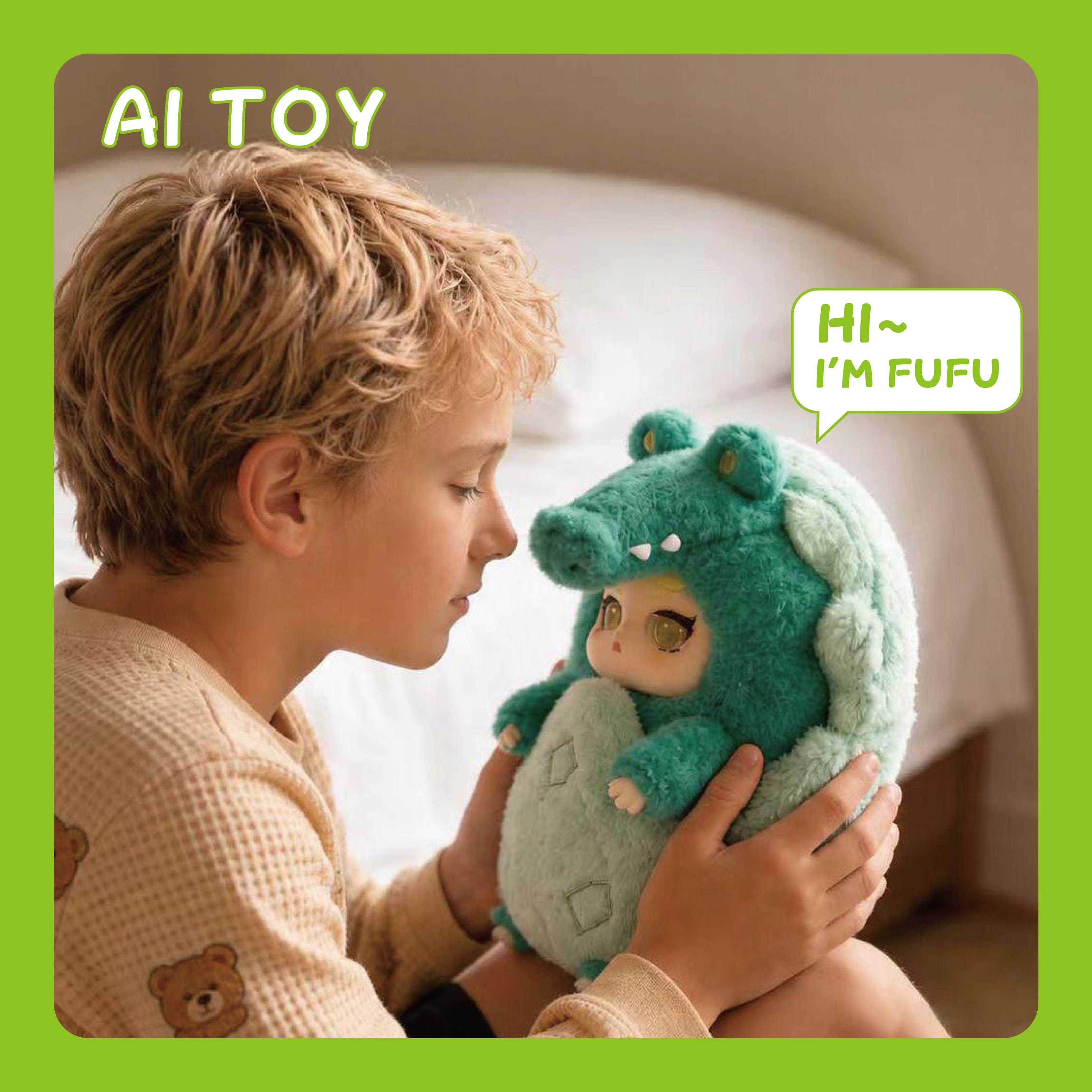
AI Interactive PVC & Plush Toy Multi-conversation Multi-language 1/6 Scale
Inspect Technical Specs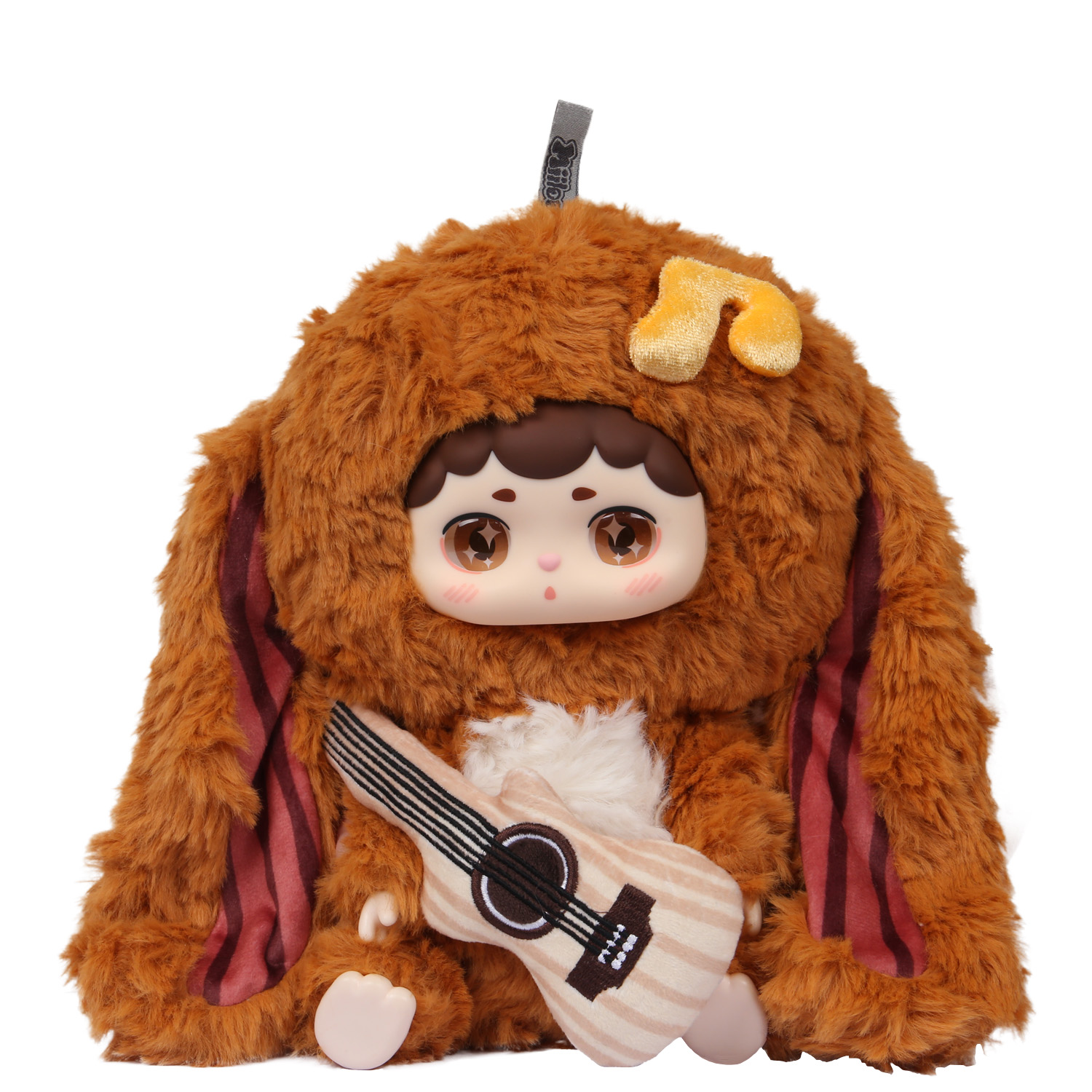
Cute Plush Soft Stuffed Animal Character Collectible Novelty Gift
Inspect Technical Specs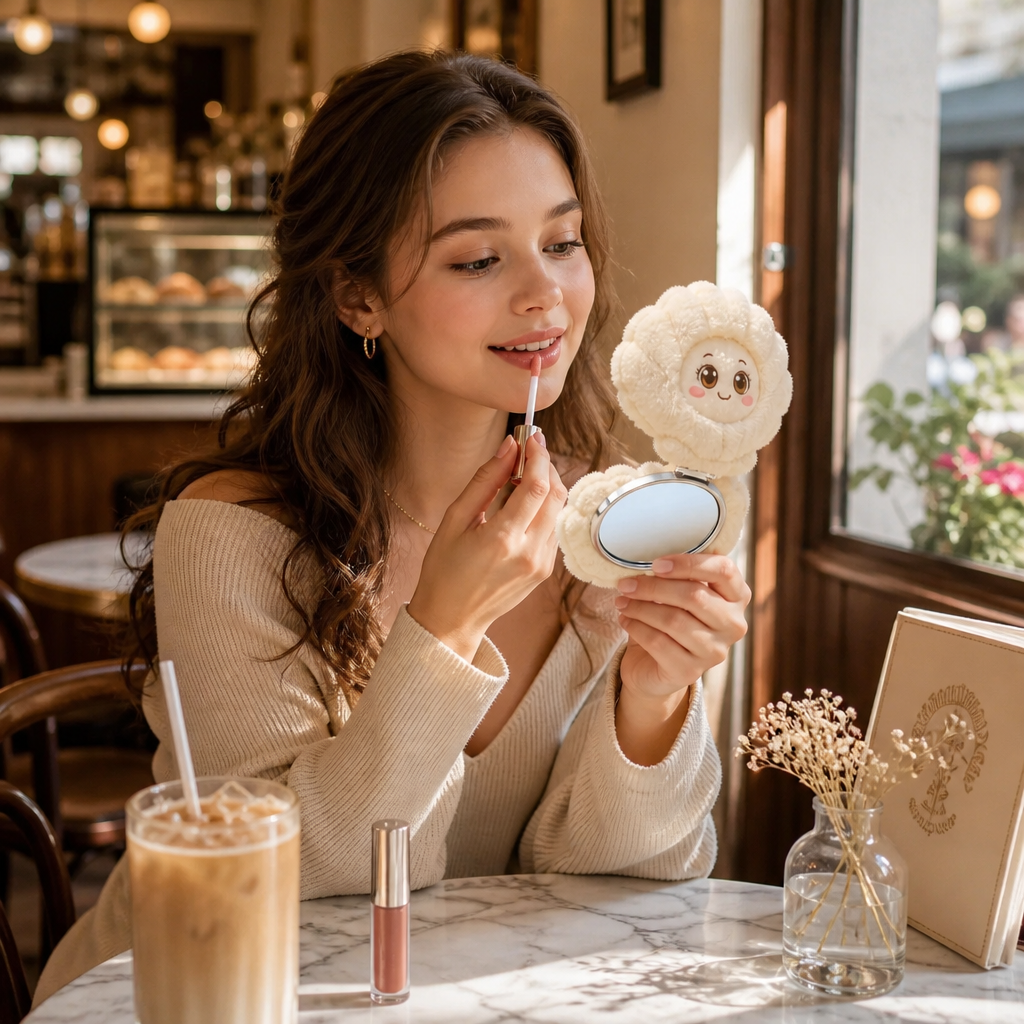
Miiloo Ocean Adventure Mirror Blind Box Plush Keychain Bag Charm
Inspect Technical Specs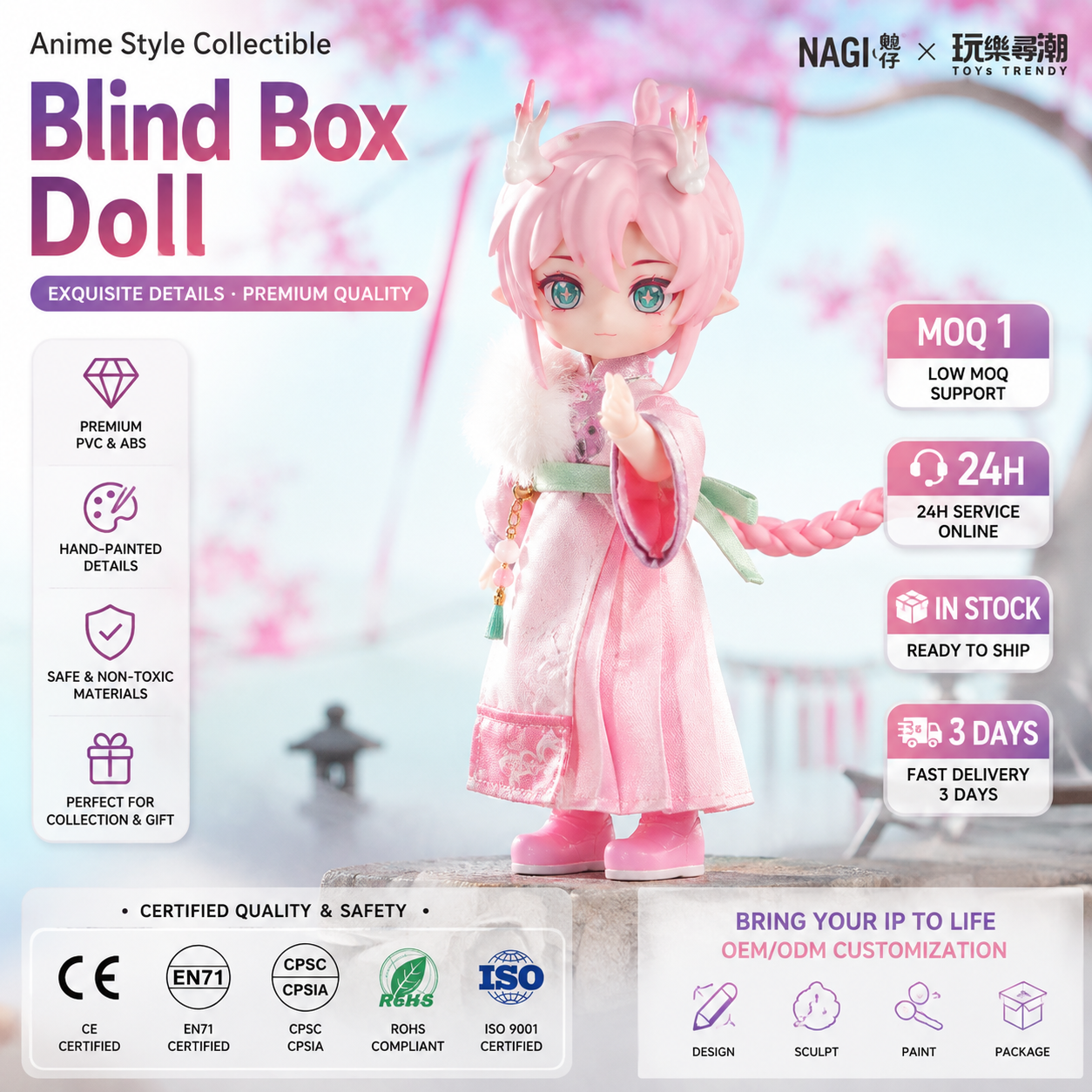
Nagi Anime Style Blind Box 1/12 Finished PVC ABS Collectible Figure
Inspect Technical Specs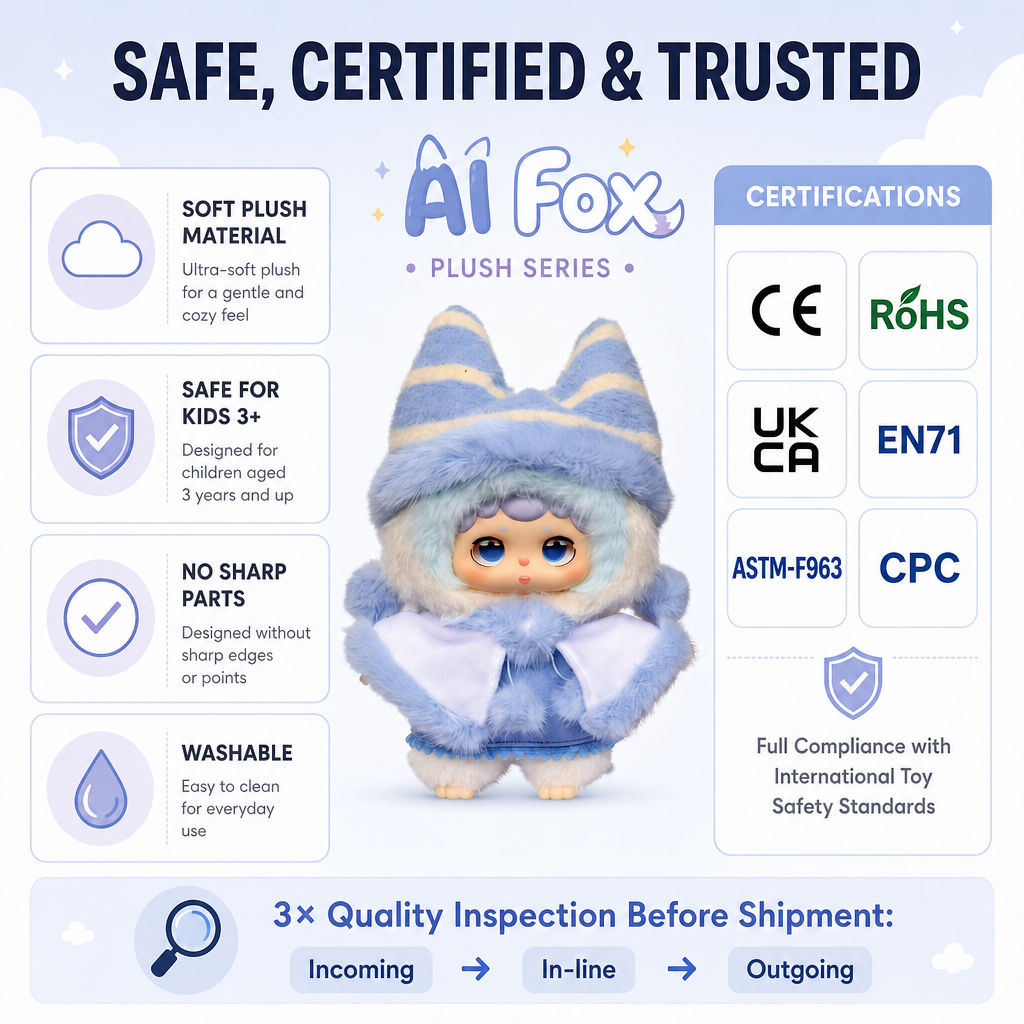
AI Emotional Companion Plush Toy Memory Chatbot Touch Response LED Eyes
Inspect Technical Specs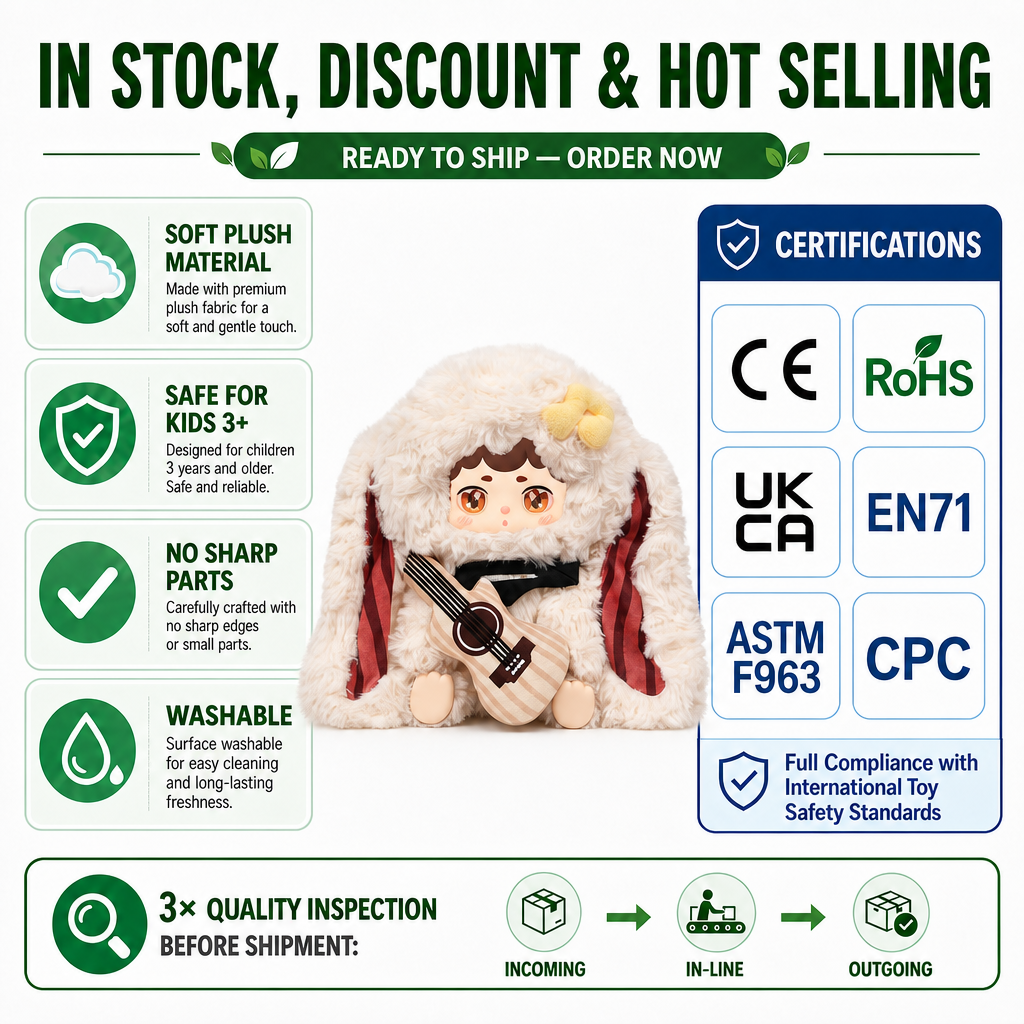
Smart AI Chat Plush Stuffed Toy Multi-Language Storytelling Companion
Inspect Technical Specs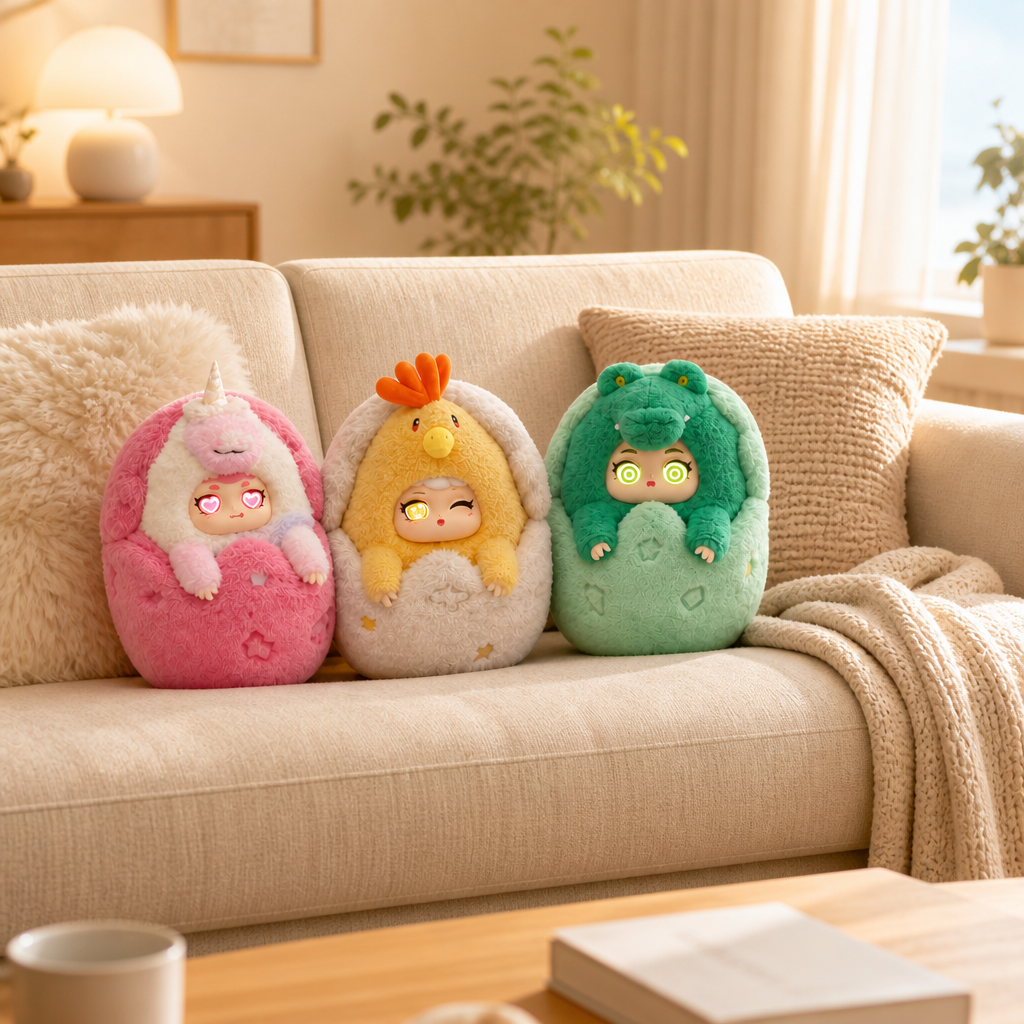
AI Interactive Plush Toy Smart Voice Talking Stuffed Companion Doll
Inspect Technical Specs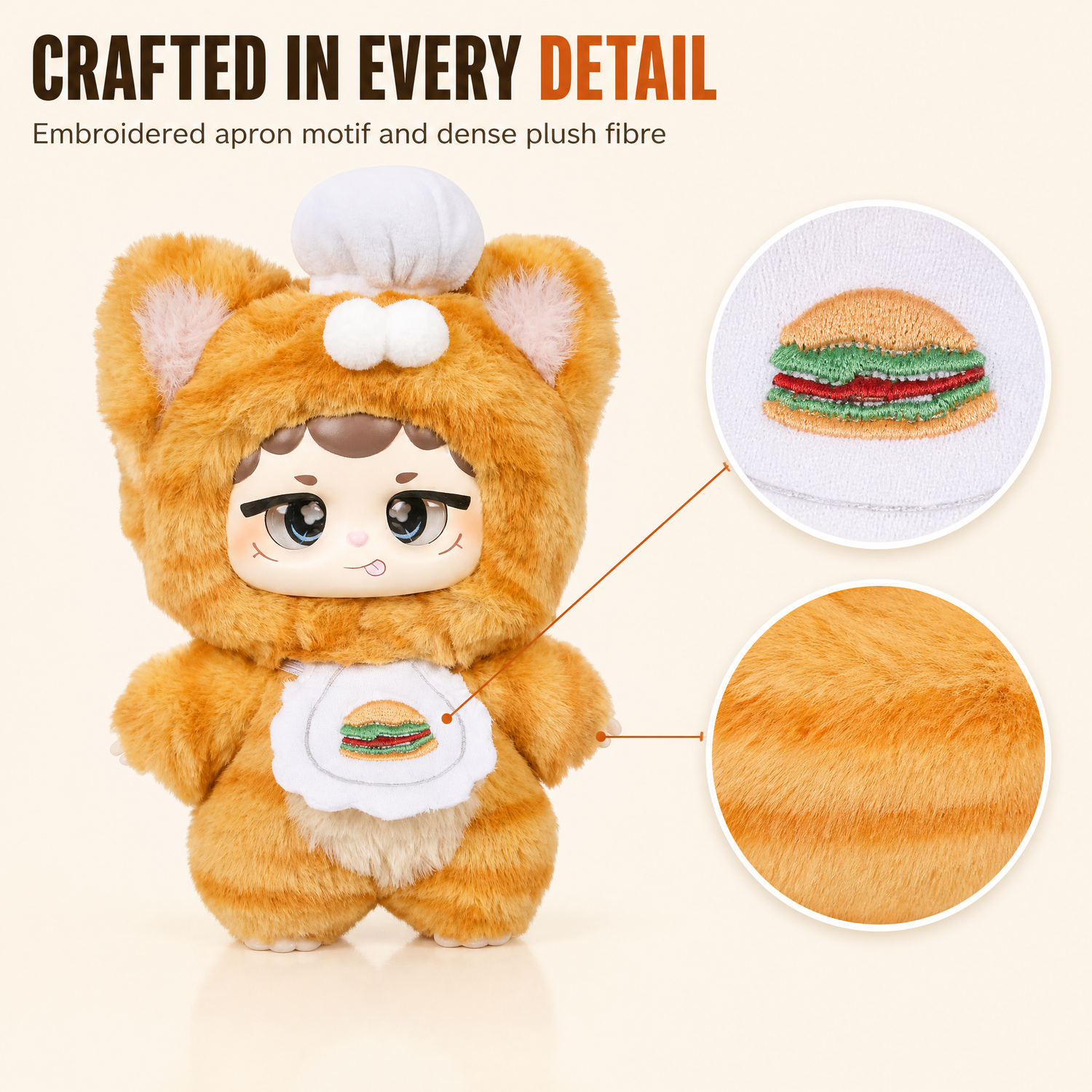
AI Plush Mystery Box Finished Goods Animal Costume Collectible 18 cm
Inspect Technical SpecsTransforming AI 2D Concept Sketches into Physical Toy Tooling
The manufacturing landscape for art toys, designer figures, and intelligent plush novelties is experiencing a paradigm shift driven by neural image synthesis. Sourcing procurement directors and IP aggregators no longer need to depend solely on weeks of iterative preliminary 2D rendering. Utilizing advanced neural networks and an experienced AI toy sketch generator factory, raw conceptual prompts, rough digital sketches, or algorithmically generated character ideations are ingested into computational CAD workflows with unprecedented precision.
At Shenzhen Tuck Technology Co., Ltd. (operating as Tuck Toys), our engineering infrastructure acts as the physical translator for generative intelligence. The primary bottleneck between an AI-generated sketch and physical injection molding or rotocasting has always been draft angle viability, structural wall thickness uniformity, and aesthetic continuity. Midjourney, Stable Diffusion, or bespoke neural generators design visually striking figures but lack physics-aware manufacturing logic. Our Shenzhen engineering hub mitigates this disconnect by deploying sub-division surface modeling, volumetric topology optimization, and SLA/SLS high-resolution photopolymer printing directly from 2D vector depth maps, reducing downstream tooling lead times by up to 45%.
Future Sourcing & Procurement Trends in the Smart Toy Ecosystem
B2B retail procurement managers and brand brand-licensing procurement specialists must navigate evolving market patterns over the next 3 to 5 years. The integration of mechanical engineering, rotocast vinyl craftsmanship, and generative design tools is shifting enterprise procurement criteria:
Low-MOQ Agile Pilot Batching
Global retailers are avoiding heavy initial mold amortization by demanding high-precision aluminum prototype tooling. Brands run initial pilot batches of 1,000 to 2,500 units to measure algorithmic engagement on TikTok and Instagram before initiating 100,000-unit hardened steel tooling runs.
Integrated Edge-AI & Smart Hardware
The collectible plush and vinyl domain is converging with embedded hardware. Procurement briefs increasingly stipulate custom cavities inside rotational molded heads or plush torsos to house low-power BLE/Wi-Fi boards, tactile capacitive sensors, micro-speaker diaphragms, and neural conversational chips.
Eco-Compliance & Bio-Circular Polyolefins
Regulatory scrutiny around microplastics and endocrine disruptors has altered strict import criteria across the EU and North America. Procurement pipelines are prioritizing suppliers transitioning to plant-based plasticizers, phthalate-free vinyl compounds, and GRS-certified recycled plush stuffing.
Technological Horizons: Generative CAD & Multi-Material Hybrid Toy Engineering
The convergence of neural networks with toy factory automation goes beyond the conceptual phase. As factories integrate generative parametric scripts directly with 5-axis CNC high-speed milling machinery, the transition from algorithmic sketch generation to production tooling achieves micron-level tolerances.
Key technological shifts reshaping modern fabrication include:
1. Direct Generative Infill & Mold Topology: AI tool-path optimization identifies where vinyl internal wall thicknesses can be reduced without compromising tactile recovery or drop-test resilience. This saves material volume and avoids shrinkage sink marks during vacuum-assist cooling cycles.
2. Hybrid Vinyl-Plush Co-Molding: Modern consumers favor the contrast of soft tactile fabrics combined with hyper-detailed facial vinyl sculpts (exemplified by the popular "vinyl face plush doll" segment). AI algorithms generate seamless boundary seams and mechanically locked snap-rings, ensuring zero toxic adhesive off-gassing while satisfying rigorous tension and pull-force requirements.
3. Automated Multi-Axis Spray Masking: Modern factories are replacing manual painting with CNC-milled copper electroformed spray stencils driven directly by the original vector art files. This delivers razor-sharp pad printing registration and consistent gradient finishes across multi-thousand unit manufacturing runs.
Factory Competence: Why Tier-1 Importers Partner with Tuck Toys
Headquartered in the global manufacturing capital of Shenzhen, Shenzhen Tuck Technology Co., Ltd. (Tuck Toys) operates an advanced facility dedicated to OEM & ODM manufacturing of designer art figures, vinyl plush collectibles, and blind box production. Choosing an engineering-led factory protects your brand equity and bottom-line stability:
Shenzhen Direct Manufacturing
No trading middlemen or agent markups. Direct collaboration with on-site mold designers, rotocast artisans, and assembly lines ensures accurate pricing, rapid turnaround, and direct technical oversight.
Strict IP Non-Disclosure Protocol
Your intellectual property remains completely confidential. We execute enforceable bilateral NDAs, secure CAD and proprietary neural datasets on air-gapped servers, and maintain dedicated proprietary tooling storage.
Comprehensive Global Compliance
Every toy batch is engineered to comply with EN71 Parts 1-3, ASTM F963, CPSIA, CCPSA, and CE/UKCA regulations. We work directly with accredited third-party testing laboratories (SGS, TÜV, Intertek) prior to customs documentation release.
Procurement FAQ: Engineering, Costing & Quality Control
Essential guidance for sourcing directors, brand managers, and art toy entrepreneurs prior to commissioning initial production tooling.
Can Tuck Toys manufacture directly from rough 2D AI-generated concept sketches?
Yes. Our engineering division specializes in generative interpretation. You can supply an AI sketch, Midjourney render, or hand drawing. We produce production-ready 3-view turnaround orthographics, evaluate wall drafts, and build watertight 3D sculpts (.STP, .OBJ, .STL) designed around practical injection gate, parting line, and rotocast demolding considerations.
What are the typical tooling setup costs and minimum order quantities (MOQ)?
MOQ varies based on production methodology. For rotocast soft vinyl and vinyl-plush hybrids, pilot runs can initiate at 1,000 units. High-cavitation steel injection tooling for intricate mini-figures or blind box collections typically starts at 2,500 to 5,000 units to amortize mold engineering efficiently. We offer flexible pilot solutions for emerging IPs to validate market acceptance before committing to high-capacity steel tooling.
How do you verify batch fidelity against digital AI artwork during mass runs?
We implement a strict 4-stage quality gate: 1) Initial Master Golden Sample approval matched to designated Pantone/Hex swatches; 2) First-piece tooling run inspection; 3) In-line QC checks covering joint torque, paint registration, seam tension, and electronic module functionality; 4) Final Random Inspection (FRI) adhering to international AQL 2.5 / 4.0 standards accompanied by complete lab inspection reports.
What standard production timelines should our supply chain forecast?
A standard new-product pipeline takes approximately 7 to 10 working days for digital sculpting and physical 3D SLA photopolymer proofing. Following prototype sign-off, production tooling typically takes 25 to 35 calendar days. Mass production generally requires 30 to 45 days depending on painting detail, electronic integration, and custom packaging complexity.
Which retail packaging formats can be integrated into the factory line?
We provide complete, retail-ready packaging execution in-house: blind-pack tear-away foil bags, counter-top PDQ display cases, transparent PET window gift cartons, litho-laminated rigid boxes, custom blister inserts, and tamper-evident holographic authentication labeling.
Launch Your AI Toy Concept with Shenzhen's Premier OEM Factory
Submit your 2D sketches, 3D assets, or product concept briefs. Our engineering leads will review your technical specifications and return a comprehensive DFM (Design for Manufacturability) analysis alongside an itemized tooling quote within 24 business hours.