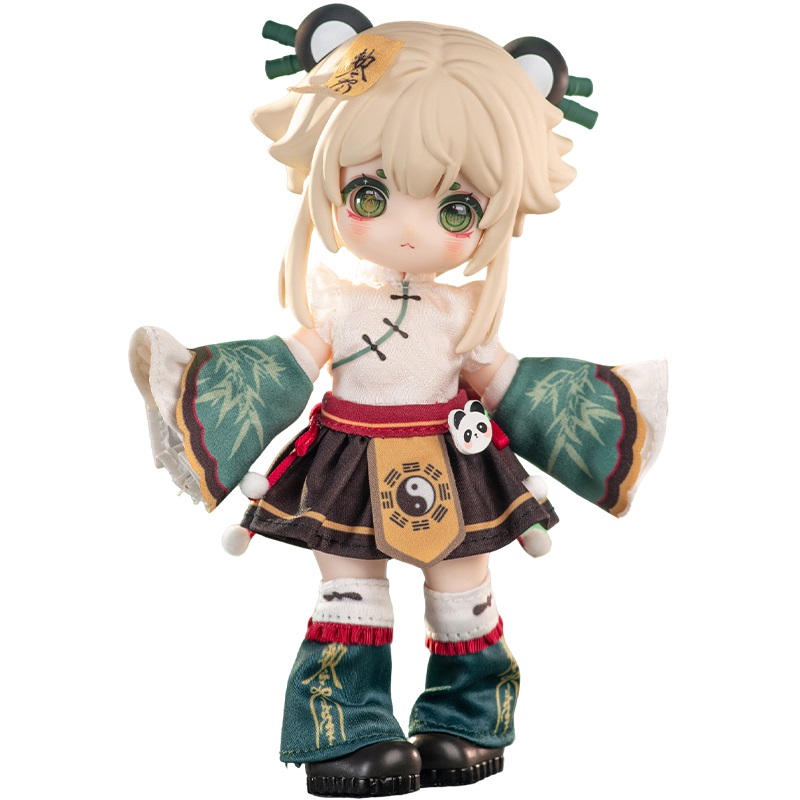
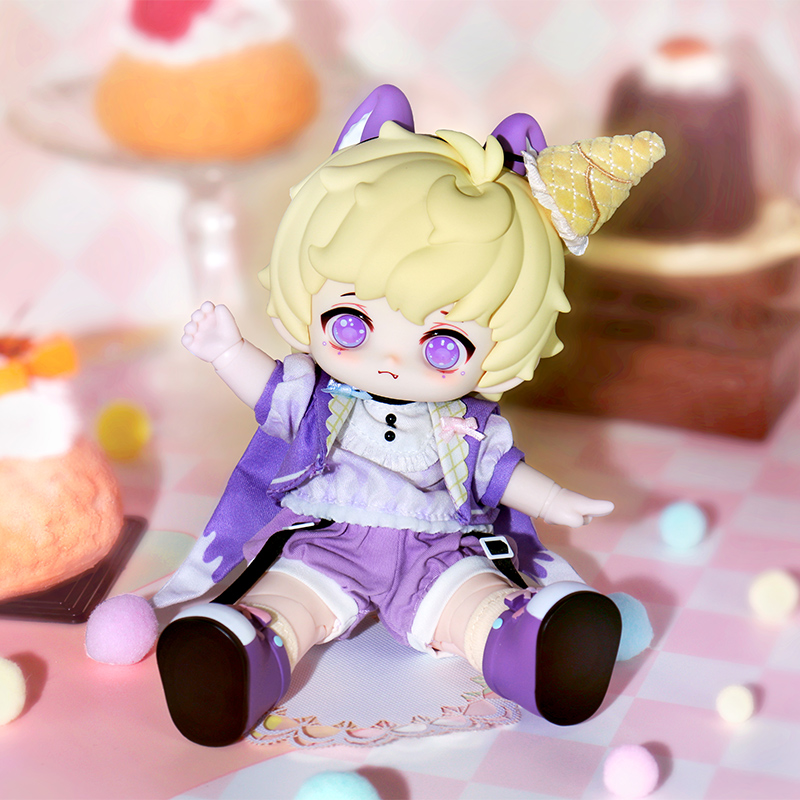
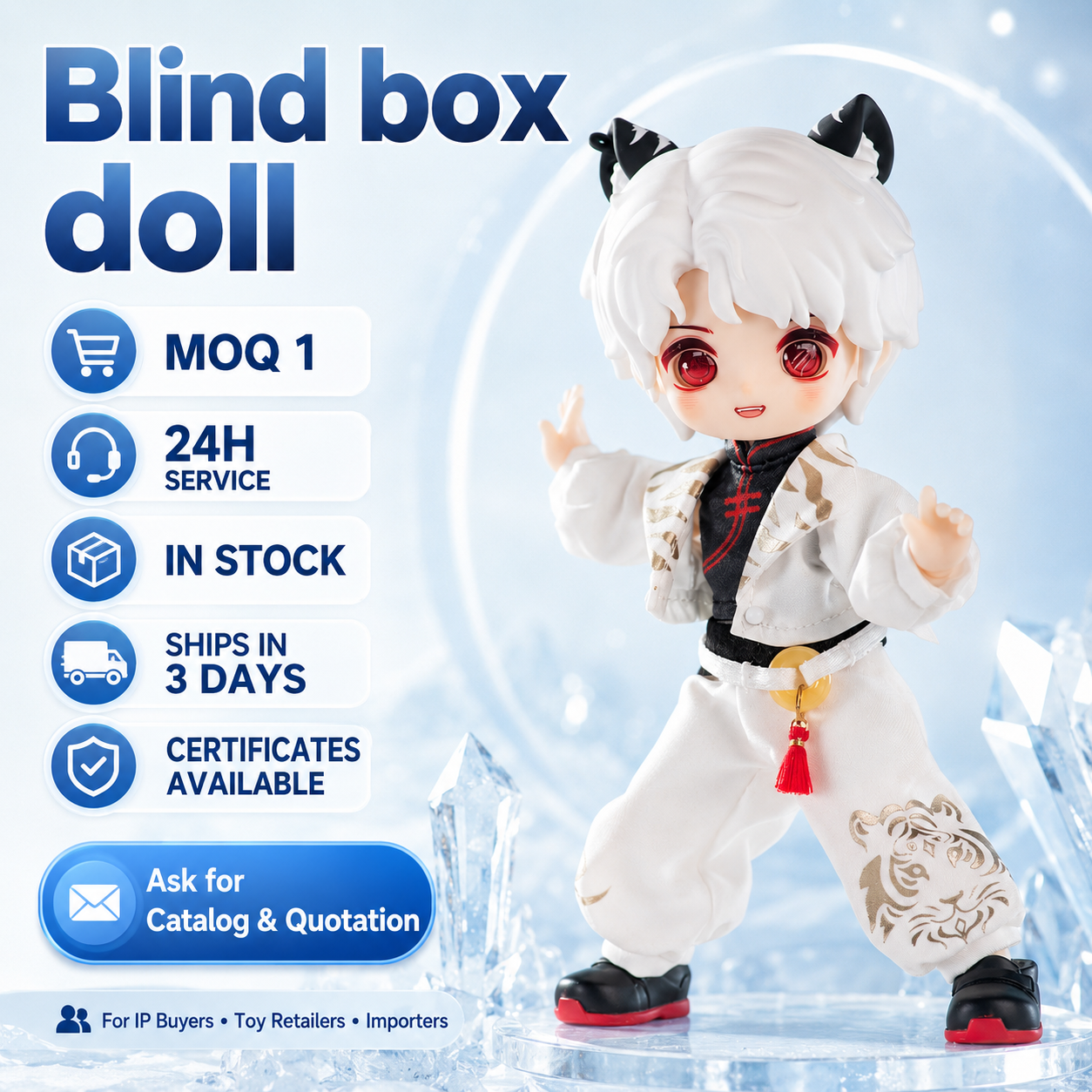
Premium NAGI Blind Box BJD Dolls, Fully Moveable Joints, Detachable Fabric Outfits
BJD Articulation
Textile Detachable
1/12 Scale
Explore our industrial benchmark runs: from edge-AI multi-linguistic plush units to complex multi-articulated ball-jointed vinyl blind boxes tailored for international IP licensing.
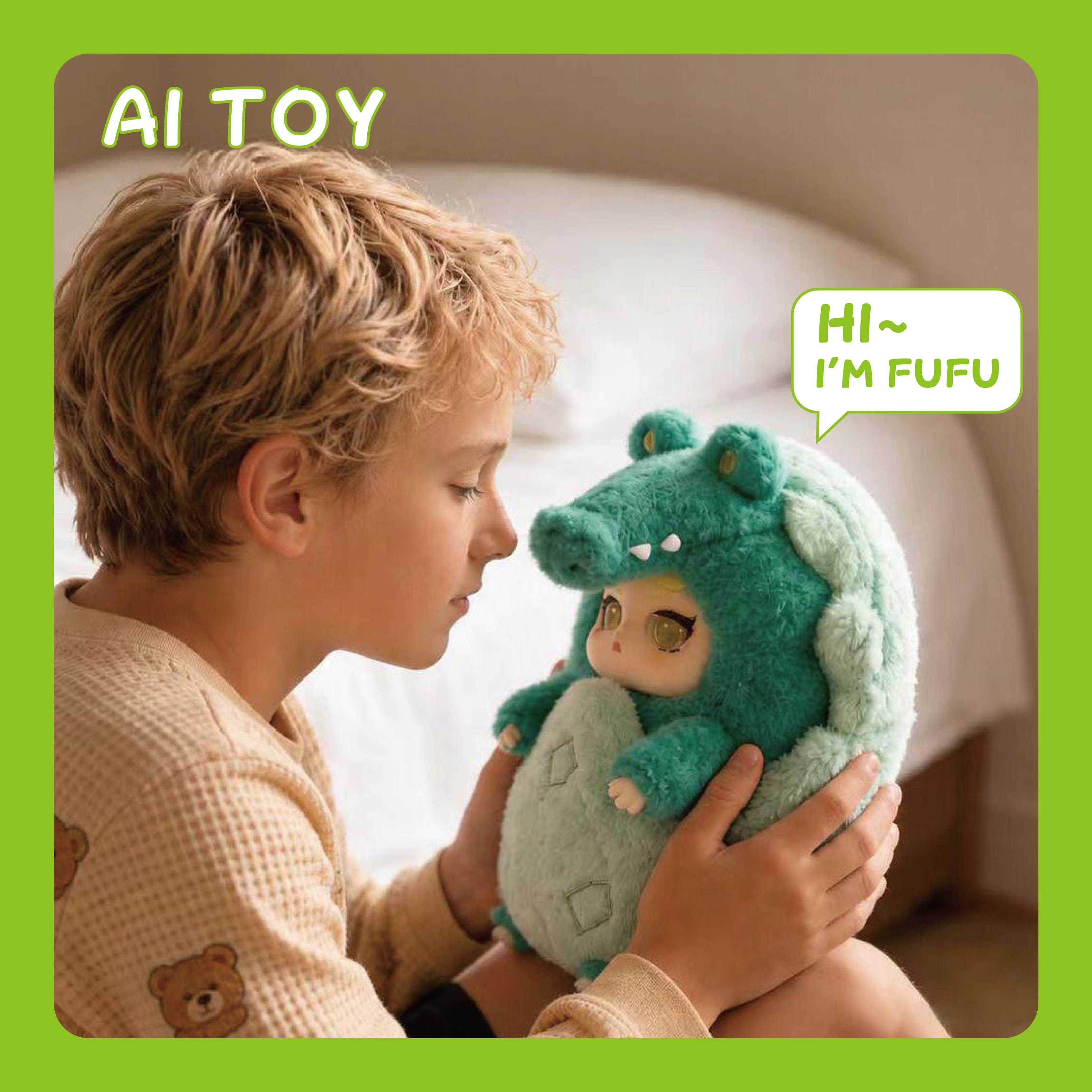
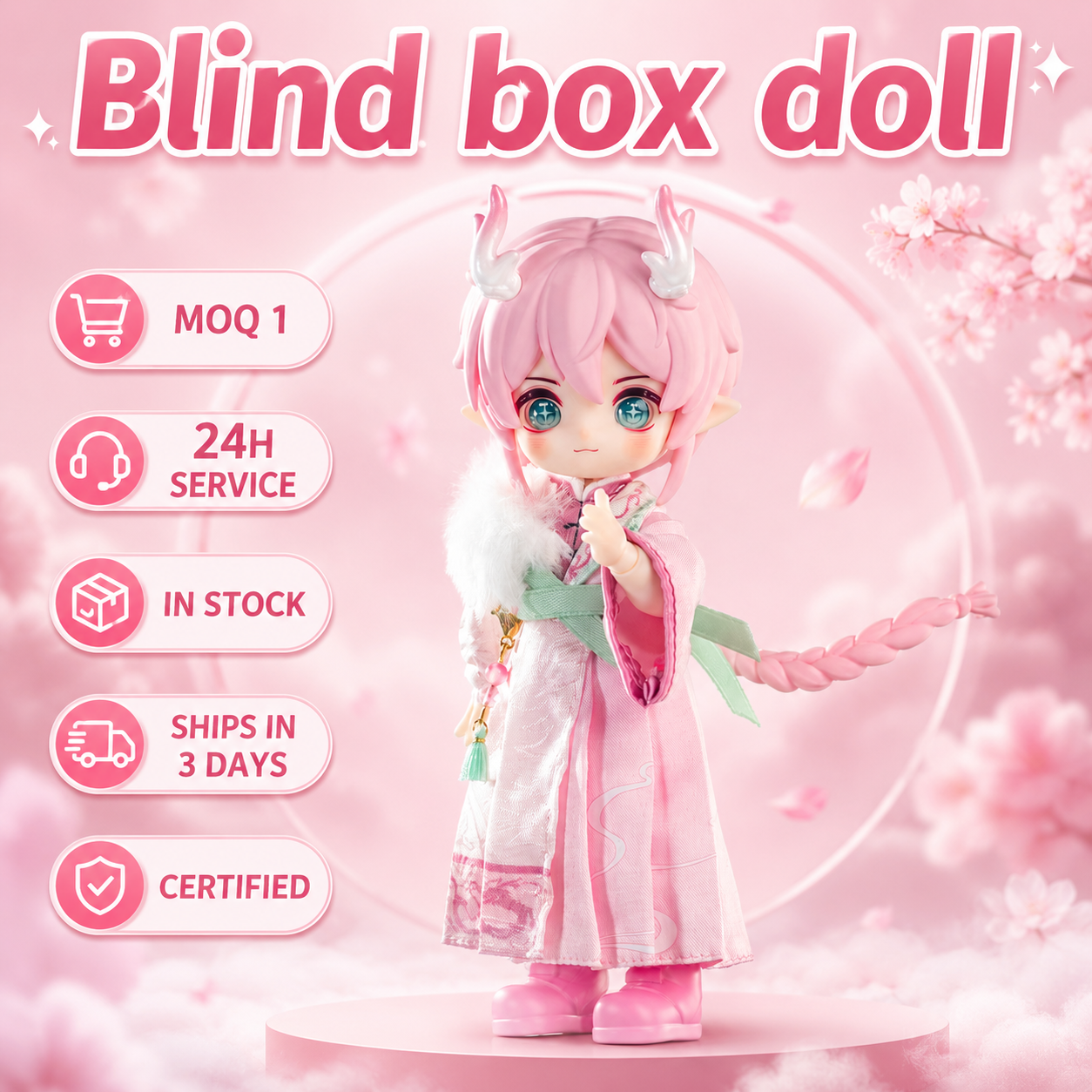
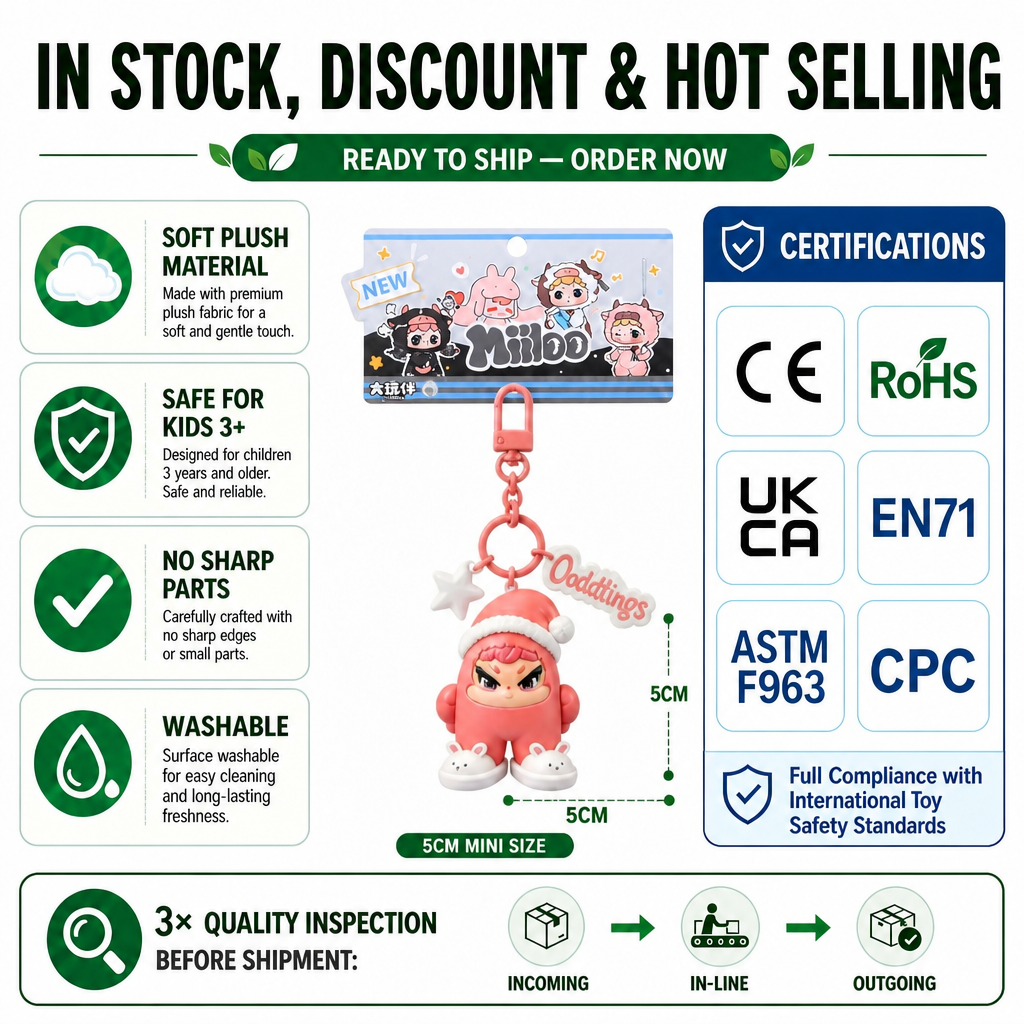
Combining Shenzhen's high-technology ecosystem with decades of advanced mold making, cleanroom automated assembly, and airtight international intellectual property safety protocols.
We implement rigid non-disclosure firewalls across all production layers. Molds, CAD renders, AI vocal training models, and packaging files remain under isolated cryptographic containment.
Bridging traditional toy craft with advanced mechatronics. We merge tactile food-grade rotocast vinyl with ultra-low latency voice recognition chips and dynamic sensory plush integration.
From initial rapid prototyping in Shenzhen to door-to-door global distribution, our product designs inherently pass stringent international safety assessments before leaving our shipping dock.
The global designer toy market has evolved from static vinyl display items into multi-sensory social anchors. For corporate brands, international distributors, and IP creators, procurement strategies must now reconcile three fundamental shifts: the algorithmic viral velocity generated on platforms like TikTok and Instagram Reels, the integration of conversational edge artificial intelligence, and heightened international regulatory scrutiny surrounding children’s data privacy and physical material leaching.
Modern consumers are no longer satisfied with purely passive collectibles. The rising market share of AI-driven conversational plushes underscores an unprecedented transition toward interactive companionship toys. From an engineering standpoint, procurement teams must distinguish between cloud-tethered architectures and low-latency edge-computed AI processing. Sourcing products equipped with pre-loaded, privacy-compliant NLP (Natural Language Processing) silicon modules circumvents the complex GDPR and COPPA legal hurdles associated with unencrypted audio uploads to third-party cloud infrastructure. As an OEM/ODM pioneer, our R&D pipelines focus heavily on local multi-lingual recognition that works out-of-the-box, mitigating user friction while maintaining absolute child data privacy.
Social media algorithms heavily favor mystery, tactility, and visual contrast. Blind box formats featuring a structured probability distribution (such as the standard 1:72 or 1:144 hidden chase variant) generate self-sustaining consumer unboxing campaigns that yield organic impressions without commensurate digital ad spend. In response, modern B2B procurement specifications must prioritize sensory packaging: light-impenetrable metallic anti-peek inner wrappers, balanced weighting parameters to eliminate package-shaking prediction techniques, and drop-tested outer blister packaging designed to withstand logistics shocks without diminishing pristine retail display values.
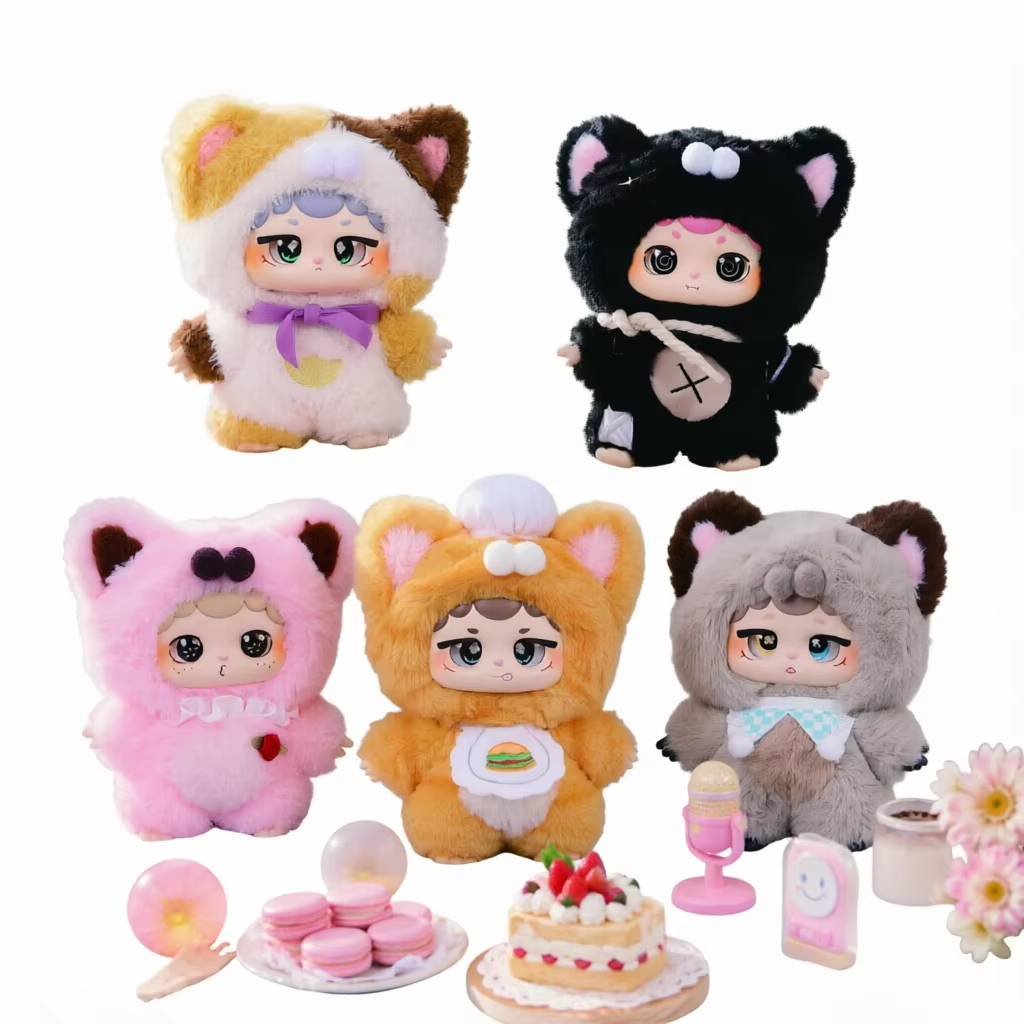
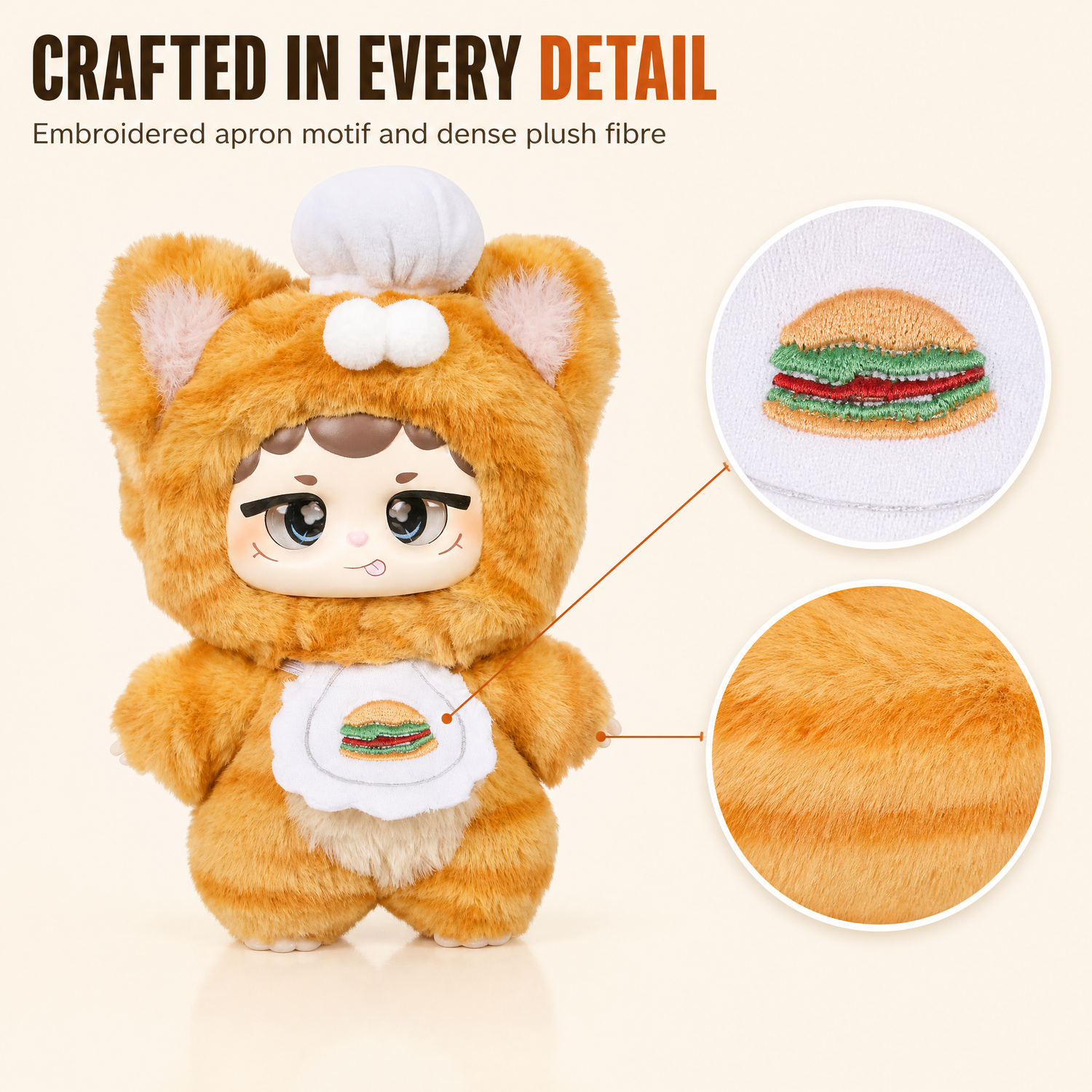
Another dominant trend sweeping the Western and Asian markets is the hybridization of materials—specifically rotocast soft vinyl faces conjoined to premium plush bodies, as seen in breakout global toy phenomenons. This format unlocks emotional expression through delicate mold detailing, precision pad-printing, and micro-airbrushed blush effects, while delivering the comforting tactile appeal of ultra-soft, flame-retardant plush stuffing. Global importers must partner with manufacturers capable of maintaining exact production tolerances across both soft goods (sewing, textile sourcing, tension testing) and rigid polymers (rotational casting, injection molding, dimensional shrinkage calibration).
Historically, custom mold creation required prohibitive upfront capitalization, shutting out independent studios and agile brands from entering the collectible market. The future of manufacturing lies in hybrid tooling workflows: utilizing high-resolution stereolithography (SLA) resin prototypes and rapid soft silicone molds for micro-pilot runs of 500 to 1,000 units. This allows brands to test algorithmic market traction across social presences before committing to hardened beryllium-copper or P20 steel injection molds engineered for million-unit production cycles. Shenzhen Tuck Technology offers this exact tier-graduated tooling ramp to derisk capital investment for enterprise clients.
Essential operational insights regarding mold lifespans, regulatory testing matrices, production timelines, and IP preservation protocols.
A typical end-to-end OEM project requires 60 to 90 business days. The timeline breaks down into: 3D CAD digital sculpting and clay turnaround review (7–10 days), SLA functional prototyping and physical hand-painted sample verification (10–14 days), master steel tooling and mold development (25–35 days), followed by pilot batch test runs, final mass injection, assembly, and automated packaging (20–30 days). Expedited schedules are available for time-sensitive seasonal campaigns.
We execute legally binding bilateral Non-Disclosure Agreements (NDAs) prior to receiving any vector graphics, turnaround sheets, or 3D files. Internally, client projects operate under segmented digital codes. Tooling assets are systematically etched with tracking identifiers, retained inside secured, video-monitored tooling storage rooms, and never leased, exhibited, or re-utilized for third-party contracts under any circumstances.
All finished goods and raw materials are formulated to comply with the European Union's EN71 (Parts 1, 2, and 3), REACH Annex XVII, the United States' ASTM F963-17, the Consumer Product Safety Improvement Act (CPSIA), CE marking requirements, and UKCA standards. We utilize only high-purity, virgin, phthalate-free PVC, non-toxic ABS resins, and lead-safe food-grade pigments, with test batches validated by independent laboratories such as SGS, TÜV, and Intertek prior to export clearance.
For custom steel tooling injection runs, our standard baseline starts at 3,000 to 5,000 units across an entire series assortment (e.g., 6 to 12 character variations). However, for pilot market validation programs and emergent IP brands, we offer dedicated pilot mold configurations that allow entry thresholds as low as 1,000 units per series, enabling real-world social media testing before committing to large-scale retail tooling.
Yes. Our integrated electronics engineering team specializes in retrofitting compact, low-draw system-on-chip (SoC) micro-controllers, MEMS microphones, high-fidelity dynamic micro-speakers, and rechargeable lithium-polymer battery packs into rotocast vinyl cavities and plush bodies. We provide both hardware engineering and firmware customization, supporting multi-language voice playback, smart capacitive touch sensors, and local conversational routines.
We provide full turnkey packaging solutions engineered to withstand international freight. Options encompass heat-sealed aluminum foil mystery barrier bags (providing total opacity against light tracing), four-color offset printed outer boxes with interior structural blister trays, magnetic-closure luxury collector boxes, point-of-sale display PDQs (counter display units holding 6, 8, or 12 blind boxes), and heavy-duty, drop-tested master export cartons equipped with individual desiccants.