Engineered AI Collectibles & Smart Figurines
Each unit bridges tactile material mastery—ranging from plush and rotocast vinyl to articulated PVC—with advanced conversational hardware, ready for rapid European distribution via Port of Rotterdam.
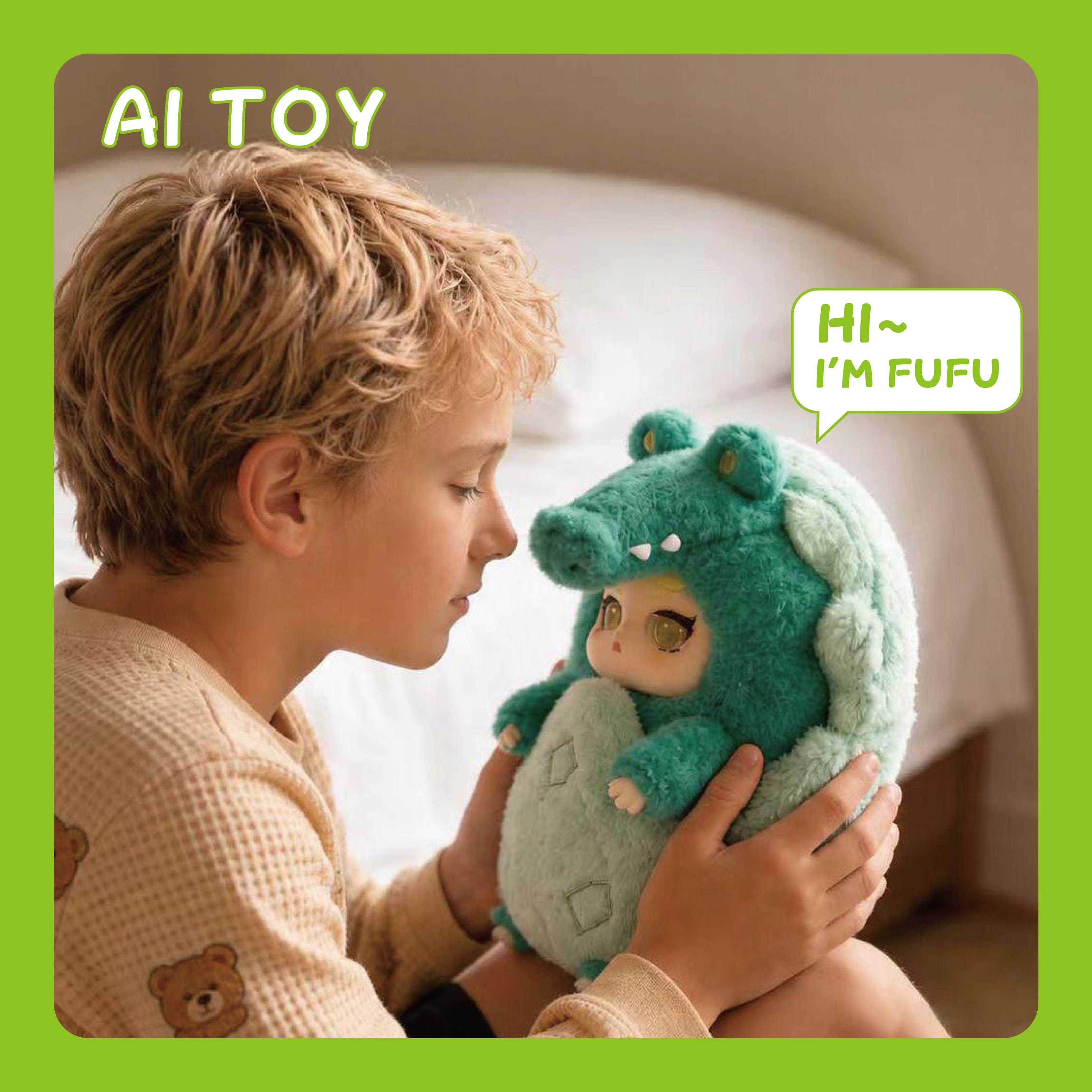
AI Interactive PVC & Plush Toy Gift Multi-conversation Multi-language 1/6 Scale
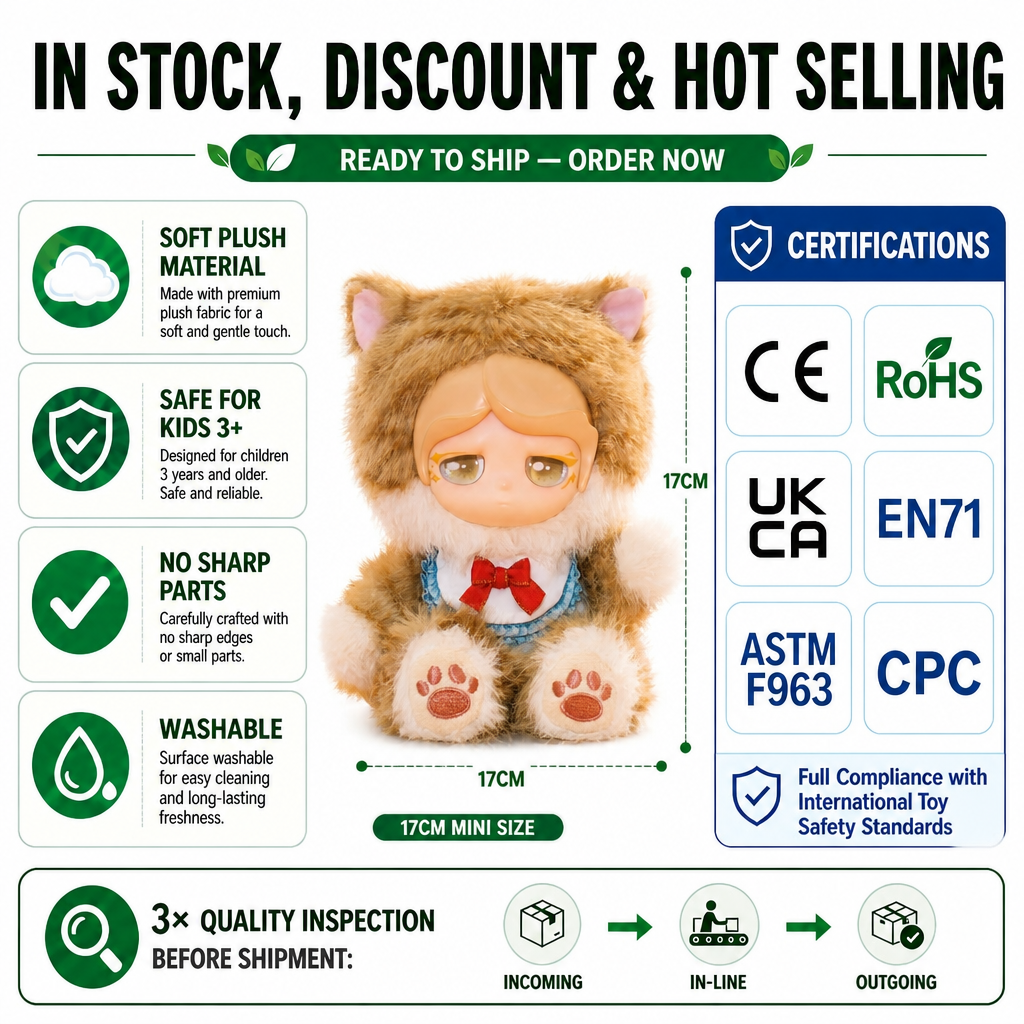
Custom Anime Character Plush Toy Kawaii Cartoon Stuffed Figure Doll Licensed Gift
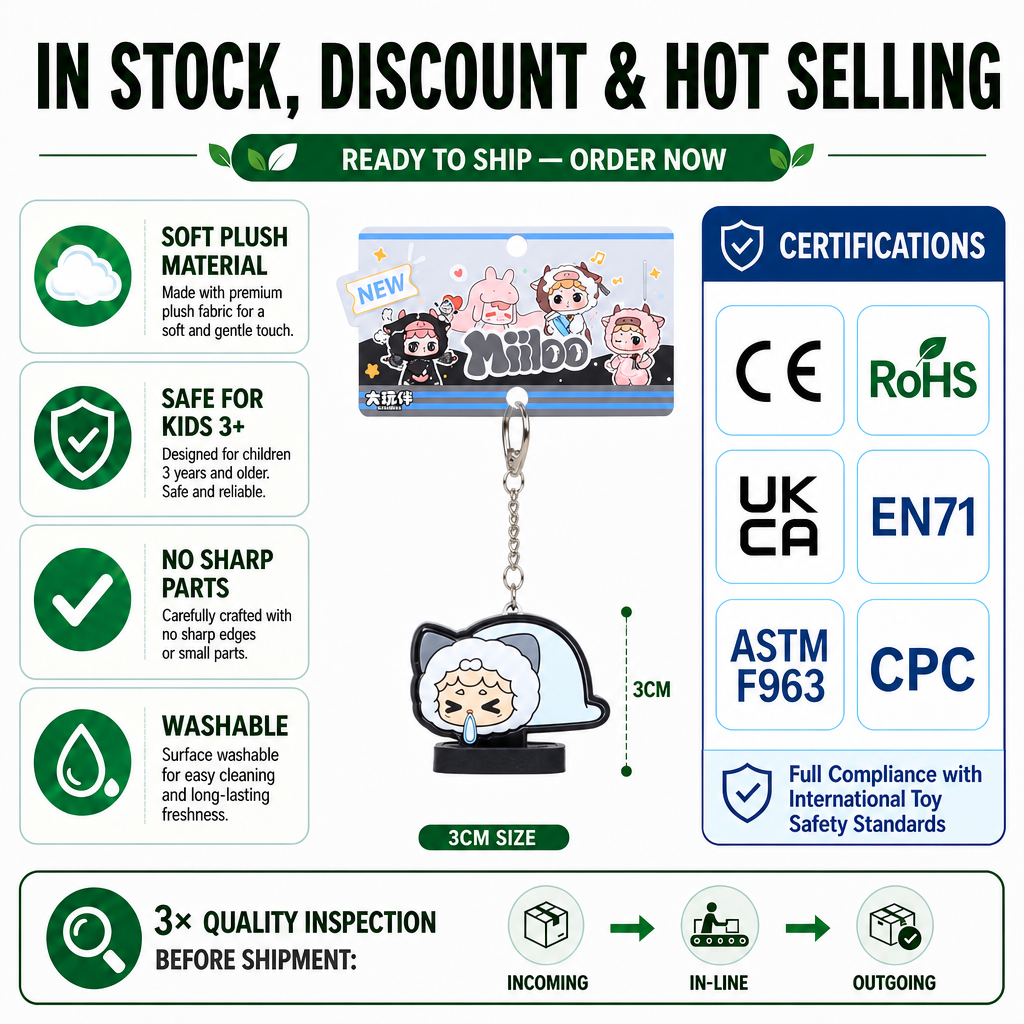
Eco-Friendly Non-Phthalate PVC Animal Design Sticky Phone Suction Cup Holder
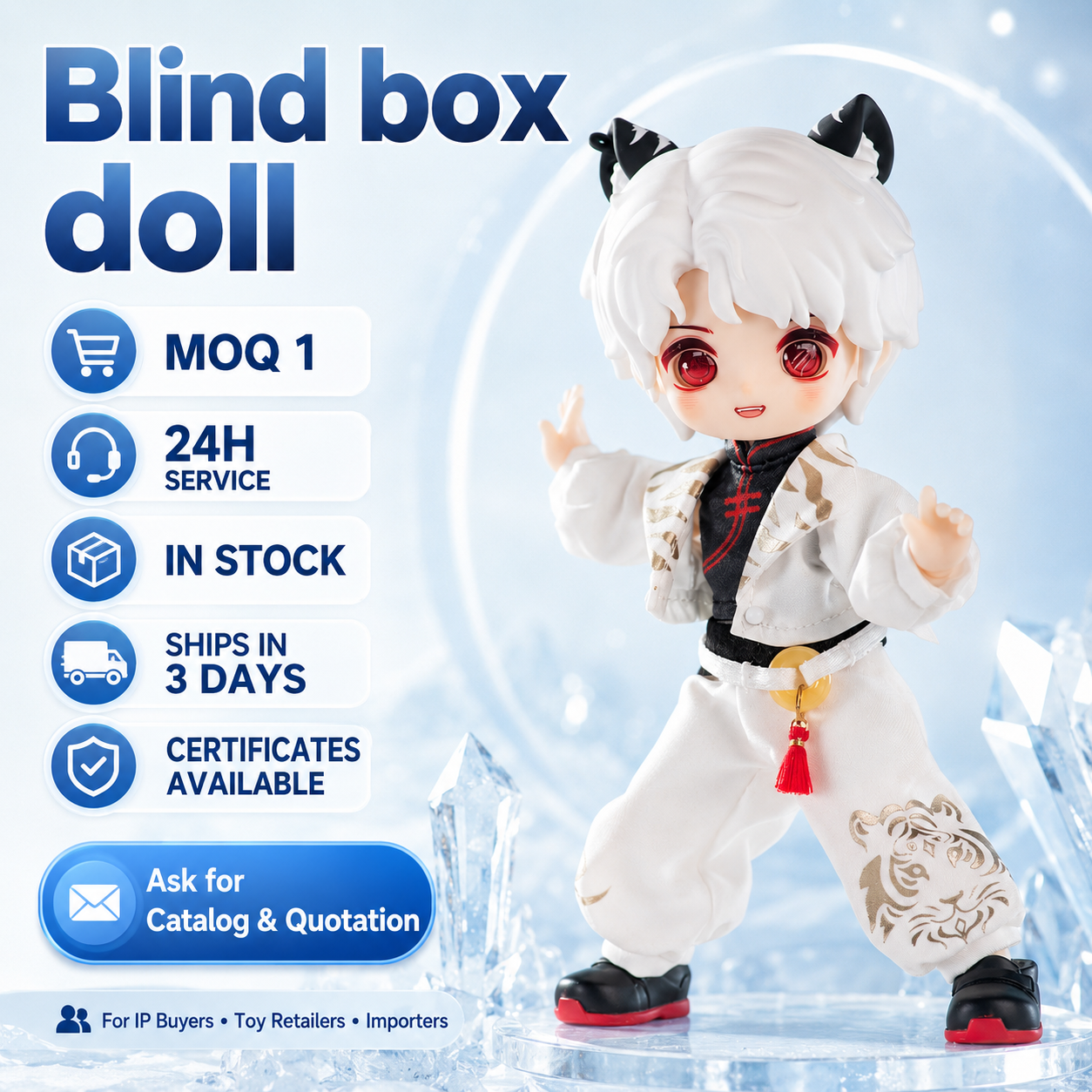
Nagi Beast Cloud Ruins 1/12 Scale Ball Jointed Doll Finished Anime Figure
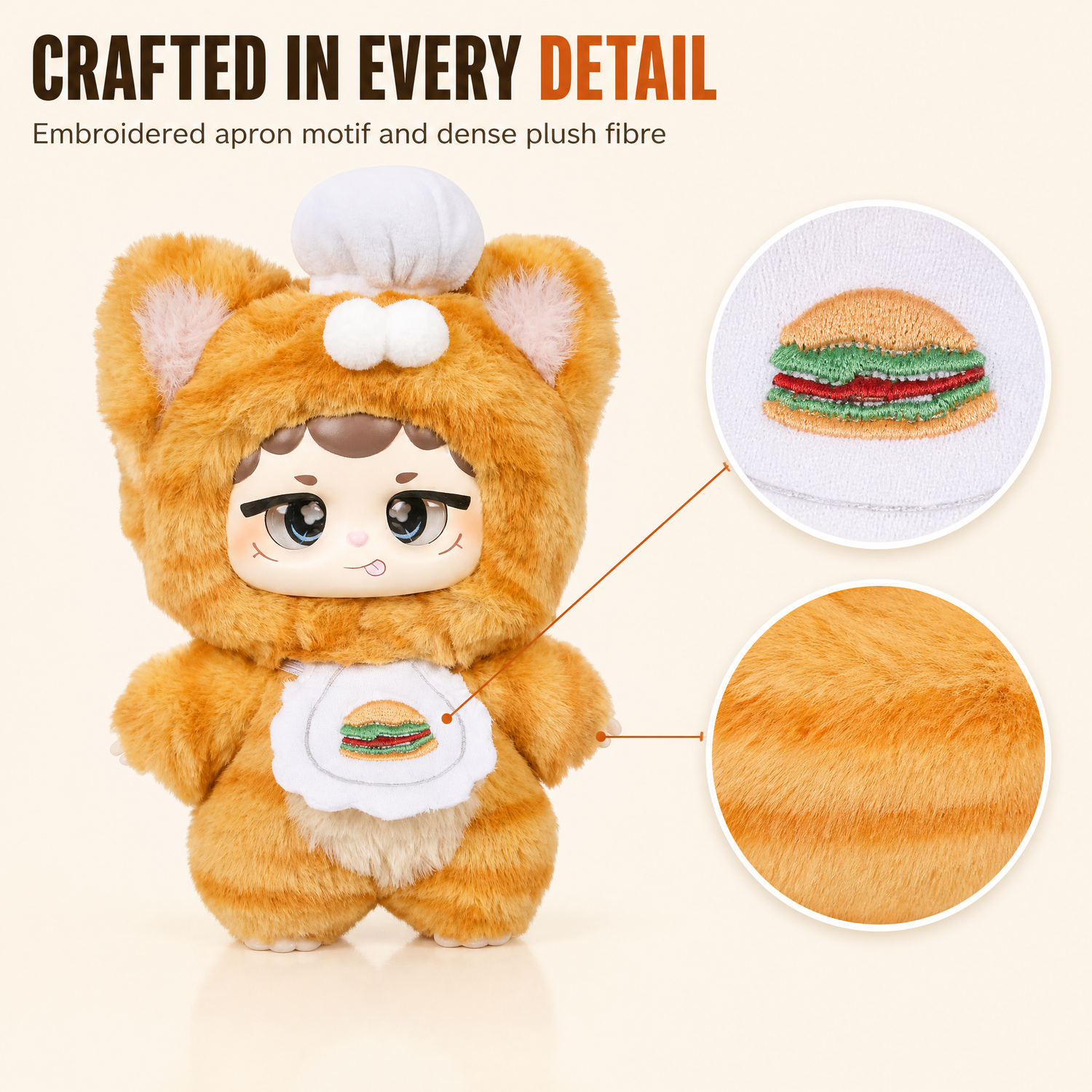
AI Plush Mystery Box Figure Toy Colorful Animal Costume Collectible 18cm
Intelligent Conversational Hardware & Edge AI Embedded Module for Plush
AI Emotional Companion Plush Toy Intelligent Memory Chatbot LED Eyes Touch
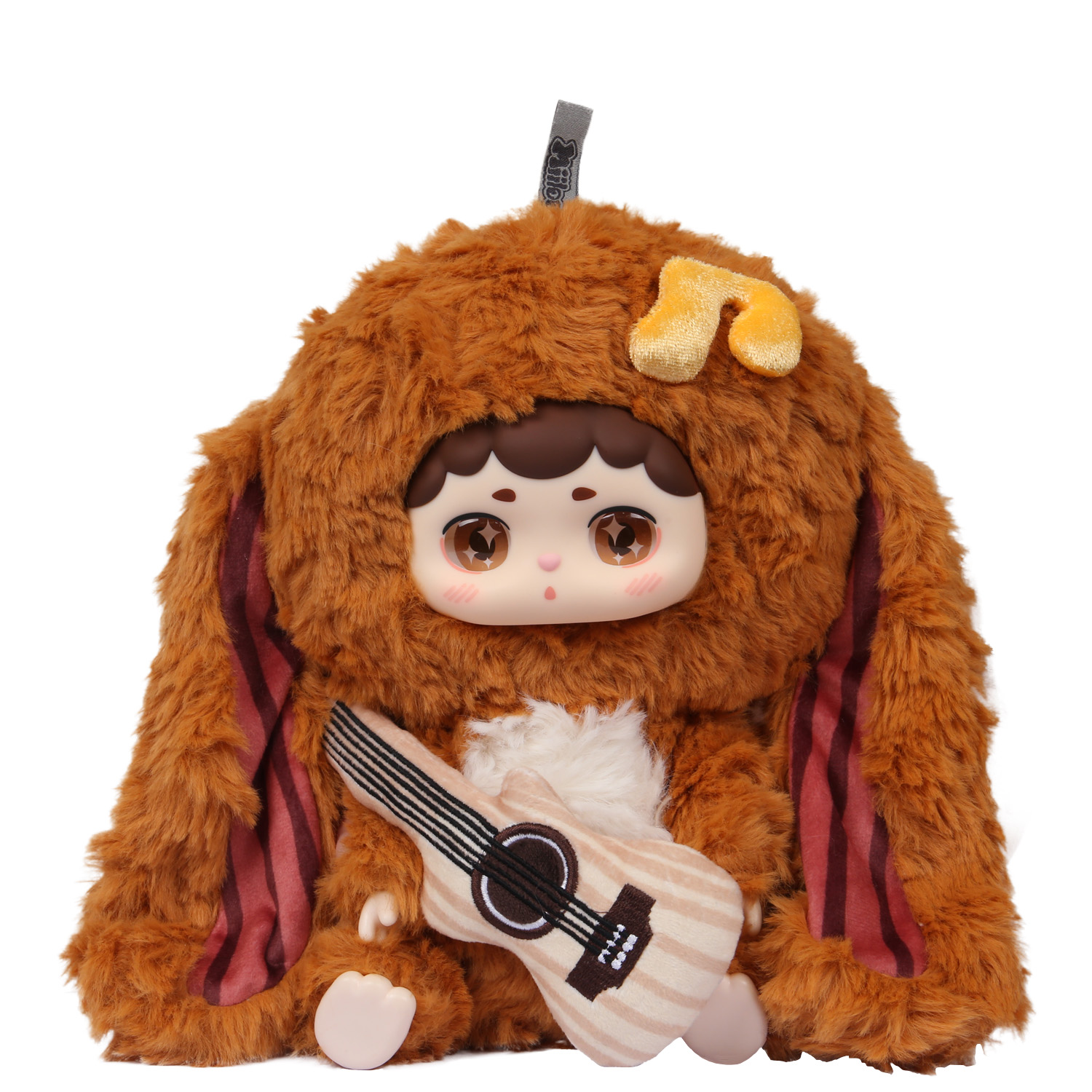
Cute Plush Doll Soft Stuffed Animal Character Collectible for Concept Stores
Strategic Engineering: Supplying the Netherlands' Next-Gen AI Toy Sector
The consumer goods landscape across the Kingdom of the Netherlands represents one of the most sophisticated toy procurement markets in the European Union. Characterized by high household digital literacy, substantial per-capita spending on early childhood educational tools, and strict environmental and child-protection norms, Dutch commercial buyers demand significantly more than conventional electronic playthings. They require interactive systems that seamlessly balance natural language interaction, tactile comfort, and verifiable compliance with pan-European standards.
Shenzhen Tuck Technology Co., Ltd. operates at the exact convergence of Shenzhen's rapid hardware micro-engineering ecosystem and high-tier toy production aesthetics. Recognizing that Dutch buyers—from major retail conglomerates such as Intertoys and Blokker to e-commerce merchants on Bol.com and innovative educational foundations in Utrecht and Eindhoven—prioritize sustainability and data sovereignty, our OEM/ODM design pipelines are calibrated to integrate low-power edge processors, secure speech recognition systems, and eco-friendly mechanical components from the earliest 3D sculpting phases.
Bilingual Conversational Latency & Localized NLP Processing
A persistent failure mode among first-generation imported smart toys into the Benelux region has been their reliance on monolithic US-English Large Language Models (LLMs). This architecture produces noticeable conversational latency (often exceeding 2.5 seconds) and poor comprehension of Dutch language nuances, colloquial diminutives (such as -tje and -pje), and Dutch-English code-switching common in Dutch households. Tuck Toys resolves this bottleneck by implementing dual-mode local/cloud voice processing engines.
Our conversational edge modules utilize low-latency DSP wake-word recognition running on on-chip SRAM, instantly activating a hybrid cloud arbitration pipeline. For the Dutch market, our hardware supports regional data endpoints deployed within Frankfurt and Amsterdam AWS/Azure nodes, dropping bidirectional Round Trip Time (RTT) to under 280 milliseconds. The child experiences an organic, fluid conversational peer capable of telling interactive bedtime tales, stimulating STEAM (Science, Technology, Engineering, Arts, Mathematics) inquiries, and providing emotional soothing through adaptive voice tonality.
Circular Economy and Material Purity (Dutch EPR Alignment)
Under the Netherlands' Extended Producer Responsibility (Uitgebreide Producentenverantwoordelijkheid - UPV) and stricter textile and plastic recycling initiatives, Dutch importers are legally and financially incentivized to procure toys engineered for disassembly and resource circularity. Tuck Toys addresses this through modular construction:
- Bio-Attributed Rotocast Vinyl: Utilizing non-phthalate plasticizers derived from certified renewable agricultural feedstocks, eliminating standard DINP/DEHP risks entirely.
- GRS-Certified Post-Consumer Plush: 100% recycled polyester fabrics (rPET) certified under the Global Recycled Standard, allowing retailers to display clear eco-credential labeling.
- Solderless Battery & PCB Compartments: Patented quick-release mechanical housings enabling end-of-life separation of lithium polymer batteries and copper-rich microelectronics without destroying the fabric skin.
Traditional Smart Toys vs. Tuck Toys Next-Gen AI Architecture
Review the empirical differences between commodity smart toys and our dedicated European-spec production standards.
| Technical Dimension | Conventional Chinese Exporter | Tuck Toys Dutch-Spec OEM Pipeline | European Regulatory Impact |
|---|---|---|---|
| NLP & Speech Localization | Single English API; translation wrapper via cloud with latency >2,000ms. | Dual Dutch/English on-device wake model; localized Benelux low-latency LLM orchestration (<280ms). | High engagement; eliminates child frustration; supports Dutch linguistic development. |
| Data Privacy & Storage | Open mic streaming to offshore unsecured servers; generic app accounts. | Zero raw audio persistent storage; TLS 1.3 AES-256 encrypted payloads; client-side EU data routing. | Full GDPR & EU AI Act Compliance |
| Material Safety & Chemistry | Standard PVC with variable phthalate ratios; generic polyester stuffing. | Certified phthalate-free rotocast vinyl; bio-attributed resins; GRS-certified rPET fabrics; OEKO-TEX dyes. | EN 71-3, REACH Annex XVII, RoHS |
| Mechanical Resilience | Basic glued seams; exposed wiring; easily dislodged button-cell enclosures. | Sonic welded sensor capsules; reinforced hidden zip channels; double-locked screw battery enclosures. | Exceeds EN 71-1 tensile impact and choking hazard drop-test parameters. |
| Tooling & Mold Precision | Hand-cut secondary molds; tool life limited to 50,000 cycles with seam variance. | High-grade Japanese/German steel tooling (H13); automated CNC multi-axis milling; electro-formed vinyl molds. | Micron-level repeatability for complex anime art toys and designer blind box figures. |
Key Commercial Use Cases Across the Netherlands
How our bespoke designs and technological integrations translate into commercial revenue for Dutch B2B channels.
Bilingual STEAM Pedagogical Aids (Basisonderwijs)
Deployed in primary schools and daycares across Amsterdam, Utrecht, and Den Haag. Integrated with curated storytelling frameworks that dynamically shift between Dutch and English, encouraging exploratory linguistic skills, emotional identification, and foundational computational thinking without screen addiction.
Pediatric Emotional & Elderly Healthcare Companions
Engineered with capacitive touch-sensor zones under plush exteriors and soft silicone vinyl faces. Utilized by Dutch pediatric wards and geriatric care facilities to lower anxiety, track emotional valence through non-intrusive voice prosody analysis, and provide soothing interactive companionship with memory continuity.
Designer Art Toys & Pop-Culture Blind Boxes
High-finish rotocast vinyl collectibles designed for gallery boutiques and concept stores in Rotterdam and Amsterdam-Centrum. Incorporating internal NFC chips that unlock digital authentication, unique story drops, and collector community verification via European mobile interfaces.
Navigating Dutch Customs & Pan-European Toy Directives
Goods entering the European single market through the Port of Rotterdam or Amsterdam Airport Schiphol face rigorous scrutiny by the Dutch Food and Consumer Product Safety Authority (Nederlandse Voedsel- en Warenautoriteit - NVWA). Failure to produce a comprehensive Technical Construction File (TCF) can lead to immediate shipment detention, severe fines, and reputational collapse. Tuck Toys establishes a proactive compliance infrastructure for every manufacturing run:
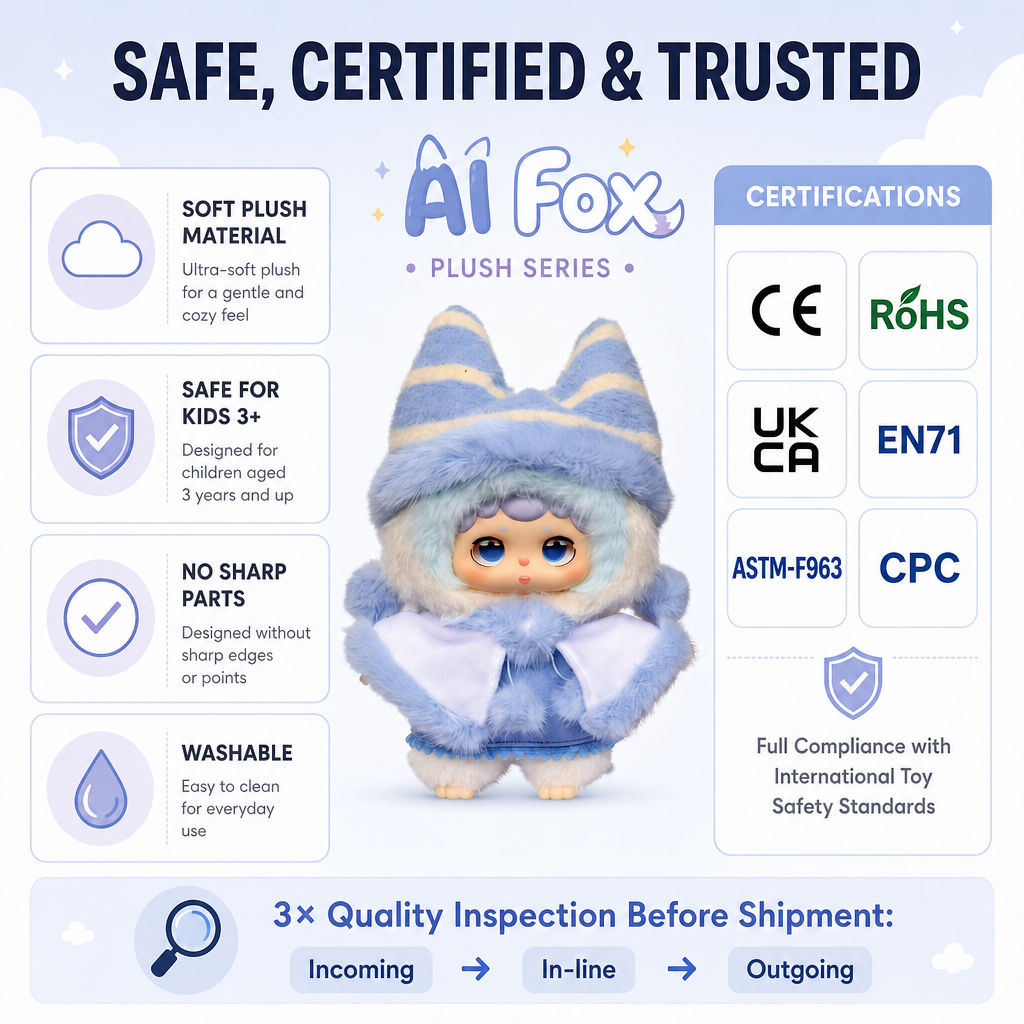
EN 71-1, 2, 3 Physical & Chemical
Comprehensive verification covering mechanical pull forces (seamless eye/ear joints exceeding 90N), flame propagation suppression, and ICP-MS testing for 19 restricted heavy elements.
RED Directive 2014/53/EU
RF spectrum efficiency validation, electromagnetic compatibility (EN 301 489), and specific SAR absorption rate limits across all integrated Wi-Fi and Bluetooth Smart hardware.
Cyber Resilience Act (CRA) Ready
Firmware architecture featuring cryptographically verified Over-The-Air (OTA) updates, locked JTAG ports, and zero default passwords, preventing any IoT botnet infiltration.
Our experienced export documentation team prepares fully harmonized documentation including the EC Declaration of Conformity (DoC), verified test reports issued by internationally recognized laboratories (SGS, TÜV Rheinland, Intertek), and accurate Dutch/French/German safety warning graphics for direct placement onto outer retail boxes.
Why European Brands Entrust Their IP to Tuck Toys
Shenzhen Tuck Technology Co., Ltd. combines industrial manufacturing precision with uncompromising character design fidelity.
Full-Spectrum Tooling & Mold Mastery
From initial ZBrush/Rhino 3D organic character sculpting to precision electro-formed copper rotocast molds and CNC steel injection tooling. We control dimensional tolerance to ±0.02mm, ensuring parts snap together flawlessly while keeping skin seams visually undetectable.
Rigorous Intellectual Property Guardrails
We work under enforceable bilingual Non-Disclosure Agreements (NDAs). Molds, cad files, and design prototypes remain the absolute, uncompromised intellectual property of the client. Our manufacturing lines run segregated batches to completely eliminate parallel counterfeit risks.
Flexible Batch Pilot Runs to Scaled Volume
We support emerging Dutch brands, creative studios, and pilot market tests with tailored MOQ options before expanding to massive retail carton runs. Whether your launch requires 1,000 units or 100,000 units per quarter, our production capacity scales dynamically.
Frequently Asked Questions by Dutch Importers
Direct technical and operational answers to streamline your cross-border sourcing workflow.
What is the typical Minimum Order Quantity (MOQ) for an AI-integrated custom toy?
For custom mold developments combining rotocast vinyl and plush bodies, our standard pilot run begins at 1,000 to 2,000 units depending on the complexity of the integrated PCB hardware. For pure plush or standardized body frames with customized software and vinyl face components, pilot orders starting at 500 units are feasible to allow Dutch clients to perform market validation.
How do you guarantee Dutch child data privacy under GDPR and the EU AI Act?
Our hardware modules can be provisioned with pure edge processing (where audio is processed locally and never recorded or transmitted) or configured with encrypted tokenization pointing strictly to client-designated cloud endpoints situated within the European Union (e.g., AWS Frankfurt/Amsterdam). We never store raw voice logs, child identifiers, or biometric parameters, ensuring turnkey compliance with GDPR Article 8 and emerging EU AI Act requirements for children's toys.
Can your speech systems recognize native Dutch accents and speech patterns?
Yes. Our voice engines are fine-tuned on diverse Dutch linguistic datasets including regional accents from the Randstad, North Brabant, and Flanders. The model specifically recognizes child speech cadence, incomplete sentence structures, and common colloquial expressions, delivering natural conversational feedback without latency timeouts.
What are the typical lead times from 2D character artwork to delivery in Rotterdam?
The standard timeline comprises 2 weeks for 3D sculpting and rapid SLA prototype generation, 2 weeks for hand-painted physical sample approval, 30–35 days for steel/copper mold tooling, and 25–30 days for mass production and SMT electronic assembly. Ocean transit from Shenzhen / Yantian to the Port of Rotterdam takes approximately 24 to 28 days, while expedited air cargo to Schiphol takes 5 to 7 business days.
Do you provide full test certificates before shipping to the Netherlands?
Yes. Every batch is certified via accredited testing houses (SGS, Intertek, or TÜV) to comply with EN 71 (Parts 1, 2, 3), EN 62115 (Electric Toys Safety), RoHS 2011/65/EU, and the RED Radio Equipment Directive. Full test documentation, including the Technical Dossier, is provided prior to releasing the Bill of Lading (B/L).
Transform Your Character IP into a European Market Sensation
Connect directly with our senior toy engineering team in Shenzhen. Whether you possess an established sketch, a 3D digital model, or an existing consumer electronics brief, we will formulate an optimal tooling, material, and embedded software strategy tailored for Dutch retail success.