Collector BJD
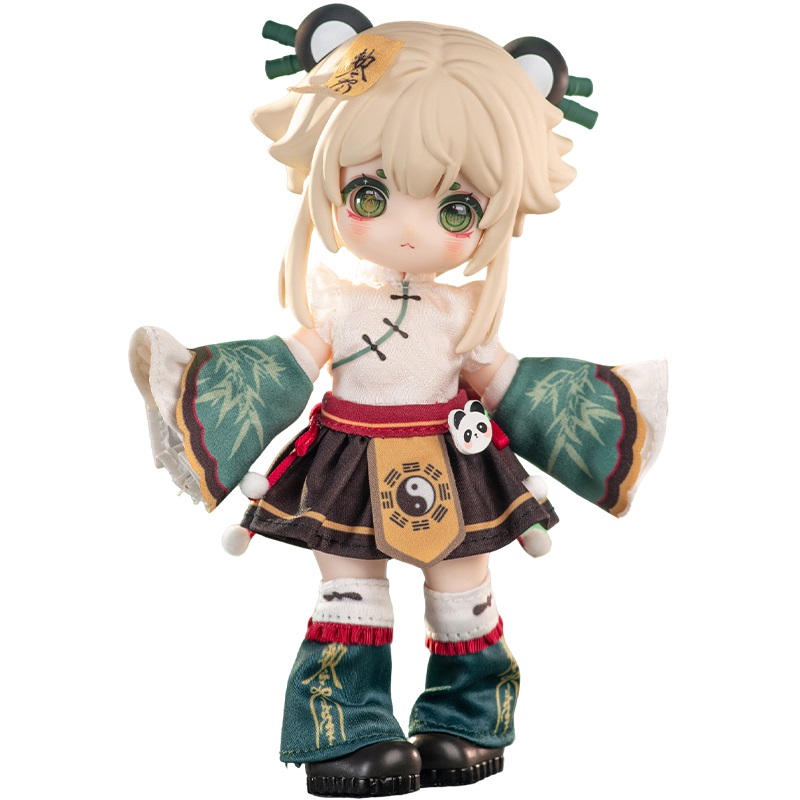
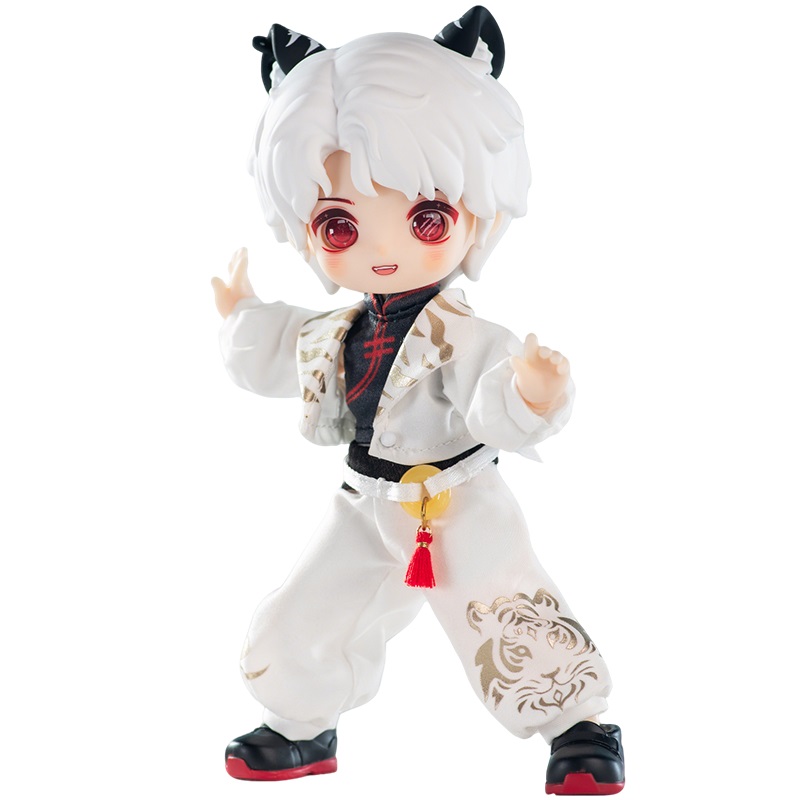
Premium NAGI Blind Box BJD Dolls, Fully Moveable Joints, Detachable Fabric Outfits Accessories
BJD Articulation
Fabric Applique
Phthalate-Free
Direct from our Shenzhen molding and intelligent assembly lines: High-precision mechanical ball-jointed dolls, sound-interactive AI companions, designer blind boxes, and eco-friendly promotional novelties tailored for Canadian distributors and direct-to-consumer lifestyle brands.
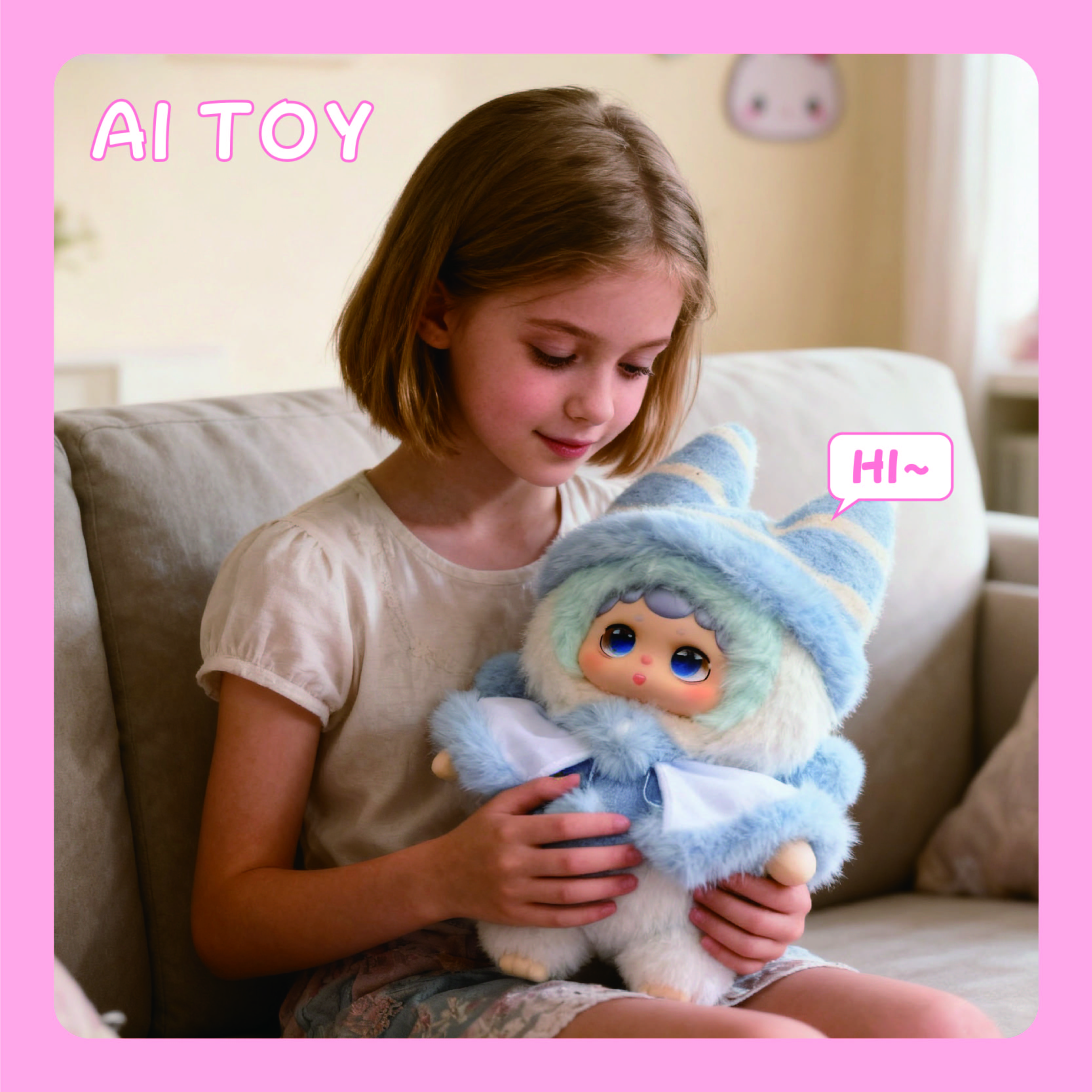
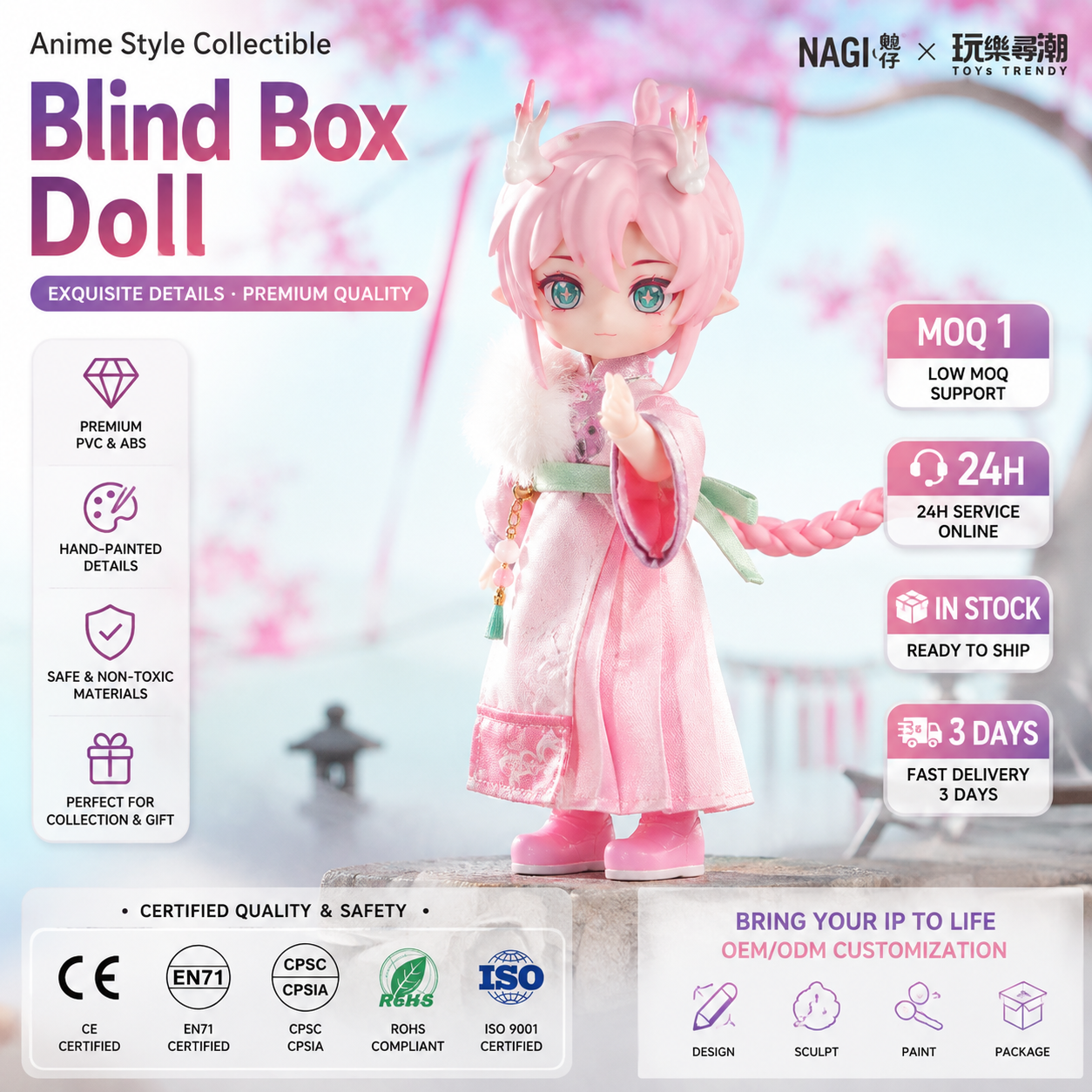
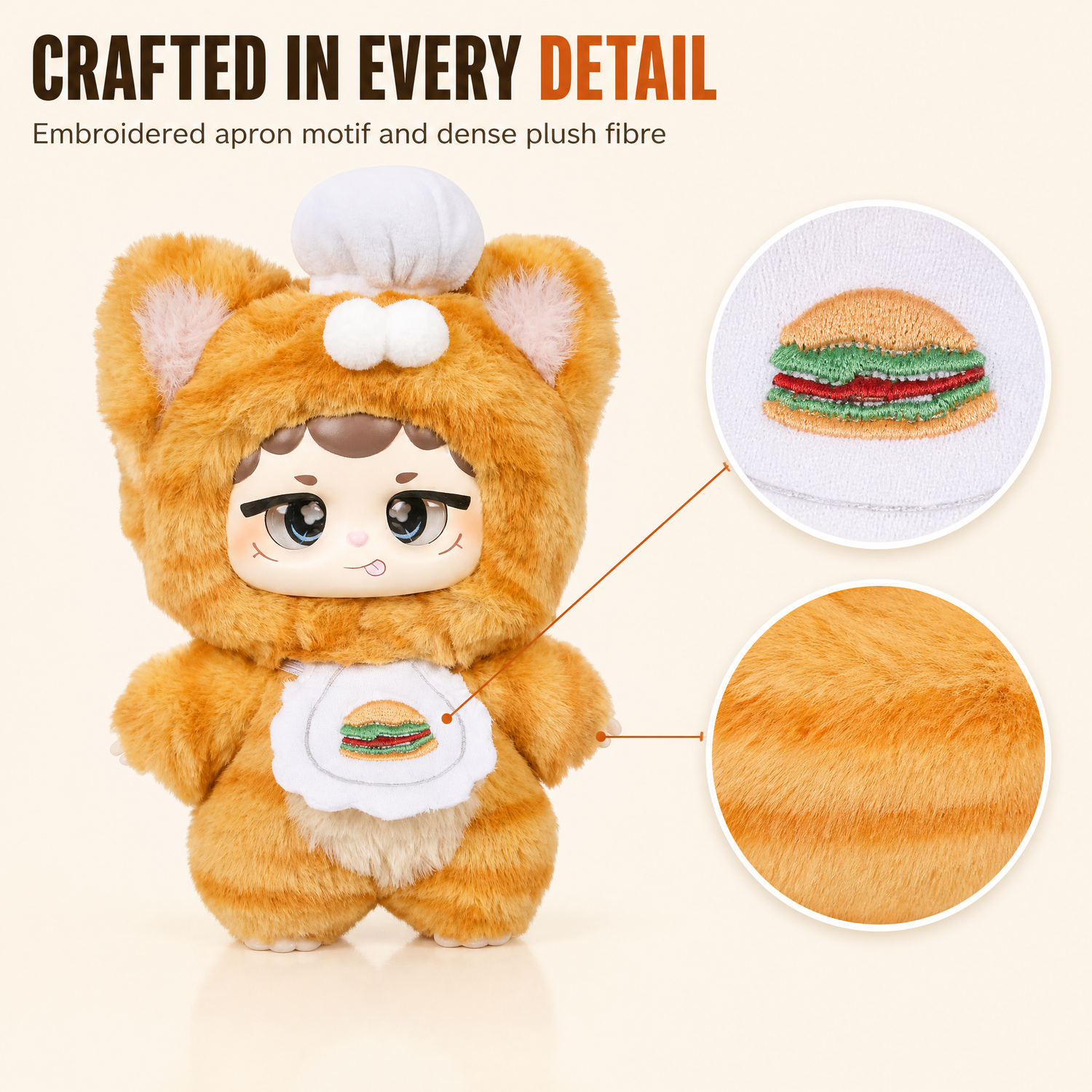
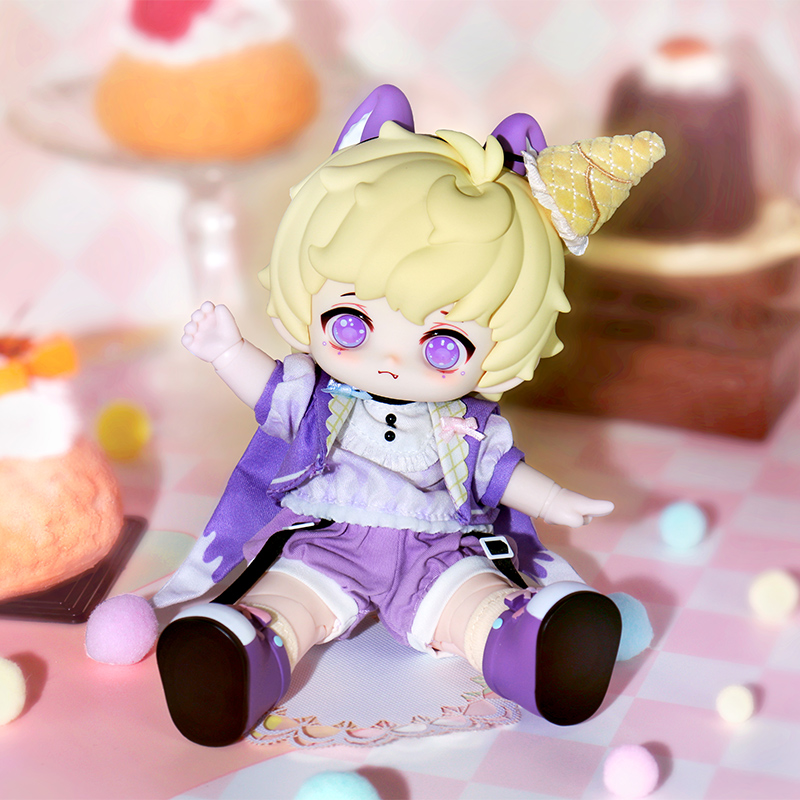
Deploying AI-powered toys in Canada demands an understanding of regional demographics, linguistic requirements, severe climatic factors, and channel expectations from Toronto and Montreal to Vancouver and Calgary.
In response to Canada's Official Languages Act and Quebec's Bill 96, our AI modules feature dual-core NPU processing capable of instantaneous, natural code-switching between Canadian English and Québécois French. Designed for early-learning academies and retail distribution via Indigo, Mastermind Toys, and regional Quebec toy networks, these smart plush characters offer speech pathology-informed phonics, interactive storytelling, and conversational companionship without requiring persistent broadband connections.
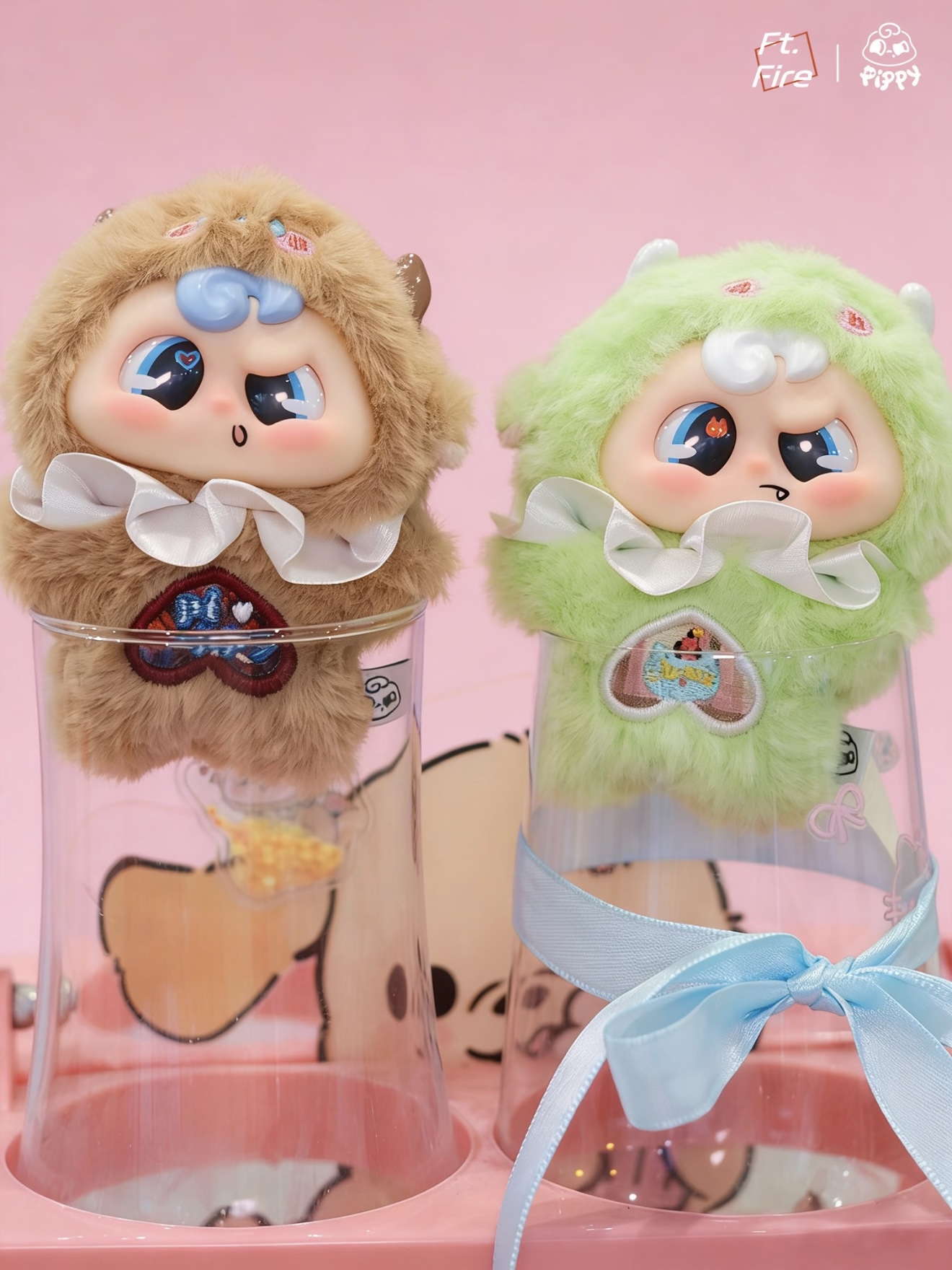
Vancouver and the Lower Mainland represent Canada's premier hub for Asian pop culture, anime conventions, and the surging "Kidult" demographic (ages 18–35). Our blind box series—engineered from rotocast vinyl, ABS, and jointed ball mechanics—integrate low-power NFC chips. When scanned by a smartphone, each physical blind box character unlocks a verified digital twin, generative AI voice lines, or augmented reality animations, commanding premium retail placement at pop-up boutiques in Richmond and downtown Toronto.
Standard electronic toys frequently fail under winter logistics conditions in the Prairie provinces (Alberta, Saskatchewan, Manitoba), where transit temperatures reach -30°C. Tuck Toys engineers its AI smart toys with low-temperature Lithium Polymer (LiPo) cells, conformal silicone PCB coatings, and cold-impact modified vinyl. Our products undergo rigorous drop-testing after 24 hours of -25°C pre-conditioning to ensure mechanical integrity and battery performance across Canadian supply routes.
The global toy industry is shifting away from static, pre-recorded audio chips toward contextual, generative edge intelligence. For Canadian brands, wholesalers, and educational toy distributors, working with a Chinese manufacturing partner capable of integrating hardware with localized firmware is essential for brand loyalty and regulatory safety.
As consumer watchdogs like Health Canada and the Office of the Privacy Commissioner of Canada (OPC) increase scrutiny on internet-connected juvenile products, the technical architecture of intelligent toys has entered a new paradigm:
| Architecture Vector | Legacy Electronic Toys (2018–2022) | Next-Gen Tuck Toys AI Framework (2025+) | Direct Strategic Benefit for Canadian Importers |
|---|---|---|---|
| Acoustic & NLP Processing | Mask ROM chips with 10–30 pre-recorded phrases; no dynamic learning. | On-device Edge NPU speech recognition paired with encrypted BLE/Wi-Fi cloud LLM bridges. | Dynamic, fluid conversations in English and French; long-tail consumer engagement. |
| Child Privacy & Data Security | Unencrypted Bluetooth channels; vulnerable to RF interception. | Hardware-level AES-256 encryption; zero cloud voice recording storage; PIPEDA/COPPA certified. | Eliminates consumer privacy backlash and regulatory interception by Canadian border and privacy officers. |
| Materials & Sustainability | Standard virgin PVC with high phthalate plasticizers. | Medical/food-grade eco-PVC, rotocast vinyl, and rPET (recycled polyester) plush skins. | Immediate clearance under CCPSA SOR/2010-273 (Phthalates Regulations) and ESG brand appeal. |
| Packaging & Labeling | Monolingual packaging requiring aftermarket domestic stickering. | Turnkey factory-printed bilingual French/English packaging with unified UPC and French typography. | Zero relabeling costs in Canadian warehouses; immediate national distribution access including Quebec. |
Shenzhen Tuck Technology Co., Ltd. leads this shift by maintaining injection molding, rotocast vinyl production, and microelectronics SMT (Surface Mount Technology) cleanrooms under a single facility roof. This vertical integration allows Canadian clients to take an intellectual property (IP) concept from an initial 2D character turnaround sheet to a fully functional, safety-certified bilingual prototype within days.
Eliminate brokerage friction and markups. We merge art toy sculpting with high-volume plastics and electronics assembly in the industrial core of Shenzhen.
Unlike trading firms that subcontract manufacturing to unverified third parties, Tuck Toys controls every stage in our Shenzhen facility:
Every batch of raw PVC, ABS, flocking fibers, and lithium cells is pre-tested in our on-site laboratory before mass production commences:
We work with global entertainment franchises, independent Canadian toy creators, and Fortune 500 corporate gift procurers:
Practical answers covering Canadian customs valuation, CCPSA and ISED certification, bilingual packaging compliance, and supply chain logistics.
Health Canada enforces the Canada Consumer Product Safety Act (CCPSA) via strict regulations, notably SOR/2011-17 (Toys Regulations) and SOR/2010-273 (Phthalates). Our toys utilize 100% virgin, non-recycled PVC and ABS plastics free of the six regulated phthalates (DEHP, DBP, BBP, DINP, DIDP, DNOP) at concentrations above 1,000 mg/kg. For small parts testing, all assembled jointed parts and eye mechanisms withstand a minimum 44.5 N tensile force test. We coordinate complete test reports with ISO 17025 accredited labs before container dispatch.
Any interactive toy incorporating Bluetooth (BLE), 2.4 GHz Wi-Fi, or active RFID/NFC must comply with Innovation, Science and Economic Development Canada (ISED) standards (primarily RSS-210 and RSS-247) and receive an ISED Certification Number (IC ID) registered on the Radio Equipment List (REL). We source pre-certified Nordic Semiconductor or Espressif RF modules and conduct deliberate radiator and SAR testing on the final product, printing required IC numbers and HVINs directly on the casing and product packaging.
Yes. Under the Consumer Packaging and Labelling Act and Quebec's Charter of the French Language (strengthened by Bill 96), toys with speech synthesis or companion mobile applications must provide French equal or superior to English. We partner with specialized voice actors and Canadian French speech corpus providers to deliver accurate Québécois accents, idiomatic expressions, and localized phonetics, alongside dual-language packaging, warranty inserts, and compliance warnings.
For custom OEM designs, 3D digital sculpting takes 3–5 working days; functional rapid SLA prototyping with hand-paint matching takes 7–10 days; tooling production requires 25–35 days; and mass production takes 30–40 days depending on order volume. Ocean freight from Port of Shenzhen (Yantian/Shekou) to Port of Vancouver or Prince Rupert runs 12–16 days port-to-port, followed by Canadian National (CN) or Canadian Pacific Kansas City (CPKC) intermodal rail transit to Calgary (2–3 days), Toronto (5–6 days), or Montreal (6–7 days).
Under Chapter 95 of the Canadian Customs Tariff (specifically Tariff Item 9503.00.00 covering tricycles, scooters, pedal cars, dolls, and other toys; reduced-size models), the Most-Favoured-Nation (MFN) tariff treatment for toys imported from China into Canada is duty-free (0%). Importers are only subject to the 5% federal Goods and Services Tax (GST) or applicable Harmonized Sales Tax (HST) based on the port of entry and destination province, streamlining landed cost calculations.
We support emerging Canadian retail brands, IP creators, and corporate procurement teams by offering tiered pilot production runs. For existing mold modifications and soft vinyl plush toys, our pilot run MOQ begins at 1,000 units. For completely custom steel injection tooling or 12-figure blind box series, our standard production runs start at 3,000–5,000 units per series, enabling full amortized cost efficiency across retail-ready counter display cases (PDQs).